Pulled Calf Muscle: Symptoms, Treatment, Recovery
Learn about pulled calf muscle symptoms, effective treatments, recovery timelines, and prevention strategies for this common injury.
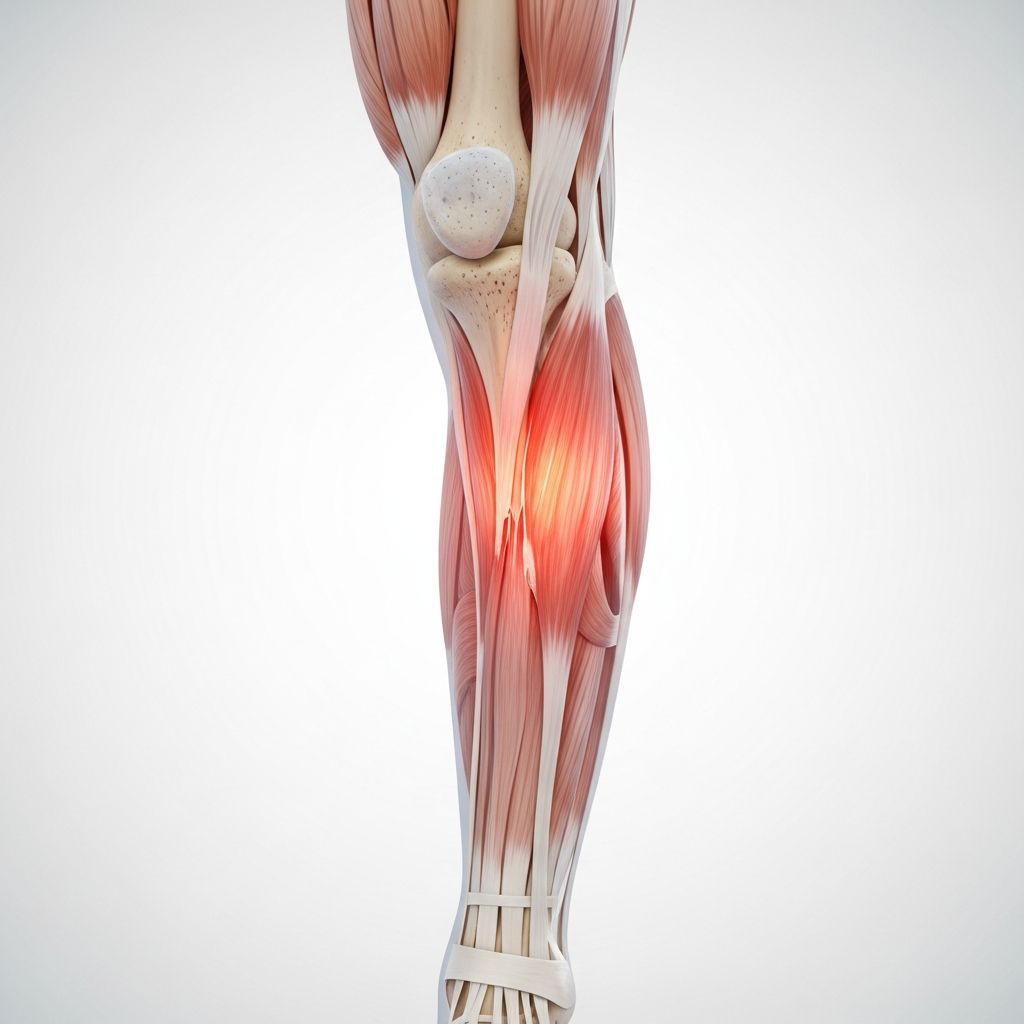
A
pulled calf muscle
, also known as a calf strain, occurs when the muscles in the back of the lower leg—primarily the gastrocnemius and soleus—are overstretched or torn. This common injury affects athletes, runners, and active individuals, causing pain that can range from mild discomfort to severe immobility. Prompt recognition and treatment are essential for faster recovery and preventing complications.What Is a Pulled Calf Muscle?
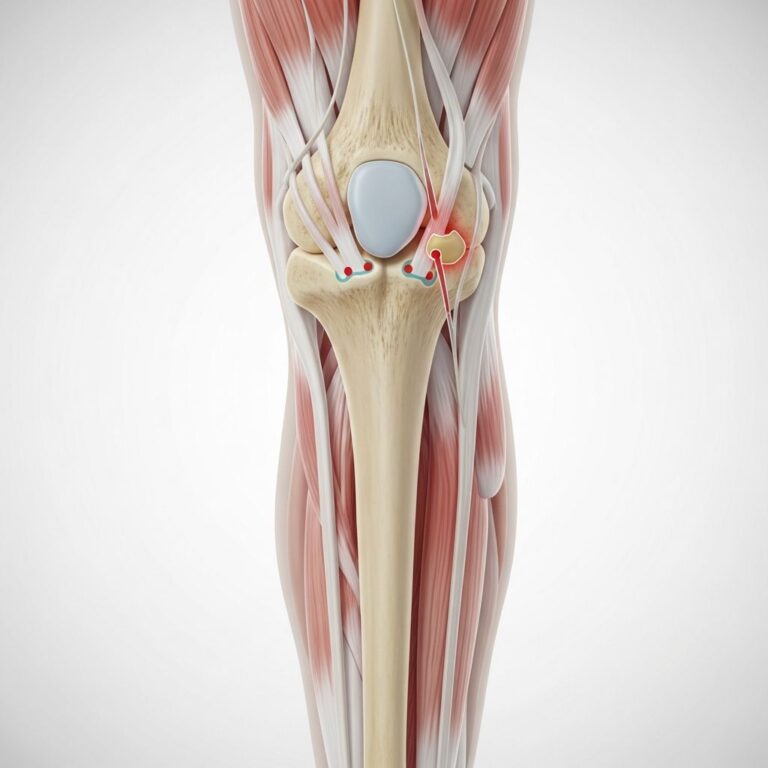
The calf consists of two main muscles: the
gastrocnemius
, the larger superficial muscle visible under the skin, and thesoleus
, a deeper muscle that aids in propulsion. These muscles connect via the Achilles tendon to the heel bone, enabling walking, running, and jumping. A strain happens when muscle fibers partially tear due to sudden acceleration, overstretching, or fatigue.Strains are graded by severity:
- Grade 1 (Mild): Minor tearing with minimal fiber damage; pain during activity but walkable.
- Grade 2 (Moderate): Partial tear causing swelling, bruising, and limping.
- Grade 3 (Severe): Complete rupture with intense pain, inability to bear weight, and significant swelling.
Gastrocnemius strains often occur during explosive movements like sprinting, while soleus strains result from endurance activities.
Symptoms of a Pulled Calf Muscle
Symptoms appear suddenly, often with a ‘pop’ sensation during activity. Key signs include:
- Pain: Sharp in severe cases, dull ache in mild ones, worsening with flexion or weight-bearing.
- Swelling and redness: Due to inflammation and minor bleeding.
- Bruising: From blood vessel damage, appearing below the injury site.
- Weakness and limited mobility: Difficulty standing on toes or walking.
- Muscle tightness or cramping: Especially in gastrocnemius strains.
Mild strains mimic soreness but persist; severe ones may mimic Achilles tendon rupture or DVT, requiring medical evaluation.
Causes and Risk Factors
Pulled calf muscles stem from:
- Sudden pushes off, like sprinting or jumping.
- Overuse in running or sports without warm-up.
- Tight calves, poor flexibility, or muscle imbalances.
- Inadequate footwear or sudden intensity increases.
- Prior injuries increasing recurrence risk (up to 30%).
Athletes in basketball, tennis, or track are prone due to explosive demands.
How Is a Pulled Calf Muscle Diagnosed?
Diagnosis starts with history and physical exam: checking pain location, swelling, and toe-standing ability. Providers assess for tears via resisted plantarflexion. Imaging includes:
- Ultrasound: Detects tears and hematomas.
- MRI: For severe cases to differentiate from DVT or ruptures.
Seek care if pain is severe, swelling persists, or calf hardens (compartment syndrome risk).
Pulled Calf Muscle Treatment
Most strains (Grades 1-2) heal at home with
RICE
(Rest, Ice, Compression, Elevation), evolving toPEACE & LOVE
protocol.Immediate Care (First 72 Hours)
- Rest: Avoid weight-bearing; use crutches if needed.
- Ice: 15-20 minutes every 2-3 hours.
- Compression: Wrap with elastic bandage to reduce swelling.
- Elevation: Above heart level.
- Pain relief: Ibuprofen or acetaminophen.
Related Stories



Advanced Treatments
For persistent cases:
- Physical therapy with ultrasound or stimulation.
- Aspiration for hematomas.
- Surgery rare, only for Grade 3 ruptures.
| Grade | Treatment | Expected Recovery |
|---|---|---|
| 1 (Mild) | RICE, light stretches | 1-2 weeks |
| 2 (Moderate) | RICE + PT | 3-6 weeks |
| 3 (Severe) | Surgery possible + rehab | 2-3 months |
Pulled Calf Muscle Recovery Time
Mild strains improve in 3 days, full recovery 2-4 weeks. Moderate: 4-8 weeks; severe up to 3 months post-surgery. Factors prolonging recovery: early activity, swelling, or reinjury. Gradual return: pain-free walking, then jogging.
Complications of a Pulled Calf Muscle
Untreated risks:
- Recurrence (30% chance).
- Scar tissue causing chronic pain.
- Compartment syndrome (emergency).
- DVT from immobility.
Monitor for worsening pain, numbness, or calf hardening.
Exercises and Stretches for Pulled Calf Muscle
Begin gentle moves after 72 hours if pain-free. Consult a PT.
- Ankle Pumps: Flex/point foot 20x hourly to boost circulation.
- Chair Stretch: Sit, bend/straighten knee 10x.
- Wall Stretch: Hands on wall, straight leg back, hold 30s x4.
- Floor Stretch: Sit, pull toes 5s x10.
- Standing Calf Raise: Progress to single-leg on toes.
- Single Leg Stance: Balance 30s to build stability.
Strengthen hamstrings too for balance.
Prevention of Calf Strains
Reduce risk by:
- Warming up 5-10 mins with dynamic stretches.
- Gradual training increases (10% rule weekly).
- Cooling down and static stretching.
- Proper shoes with cushioning.
- Strengthening calves/hamstrings 2-3x/week.
- Addressing flexibility imbalances.
When to See a Doctor
Consult if:
- Can’t bear weight after 24 hours.
- Severe swelling/bruising.
- Pain persists >1 week.
- Numbness, tingling, or fever.
Frequently Asked Questions (FAQs)
Can I walk on a pulled calf muscle?
With mild strains, yes, but limp if painful. Use crutches for moderate/severe to avoid worsening.
How long does a pulled calf muscle take to heal?
3 days for initial relief, 2-6 weeks full recovery depending on grade.
Should I massage a pulled calf muscle?
Avoid first 72 hours; gentle massage later under PT guidance.
What’s the difference between a cramp and a strain?
Cramps resolve quickly with stretching; strains cause prolonged pain/swelling.
Can a pulled calf lead to Achilles issues?
Yes, untreated strains stress the tendon, risking tendinopathy.
References
- Pulled Calf Muscle: Symptoms, Treatments, and Recovery — Healthline. 2023-04-20. https://www.healthline.com/health/pulled-calf-muscle
- Pulled calf muscle: Treatment, symptoms, recovery, and exercises — Medical News Today. 2023. https://www.medicalnewstoday.com/articles/326431
- Calf Strain: Causes, Symptoms, and PT Tips — Hinge Health. 2023. https://www.hingehealth.com/resources/articles/calf-strain/
- Gastrocnemius vs. soleus strain: how to differentiate and deal — NIH/PMC. 2009. https://pmc.ncbi.nlm.nih.gov/articles/PMC2697334/
- Calf Muscle: Anatomy, Function & Common Conditions — Cleveland Clinic. 2023. https://my.clevelandclinic.org/health/body/21662-calf-muscle
Similar Articles








Read full bio of medha deb