Pulmonary Arterial Hypertension: Symptoms, Causes & Treatment
Understanding PAH: Comprehensive guide to symptoms, diagnosis, and modern treatment options.
Understanding Pulmonary Arterial Hypertension
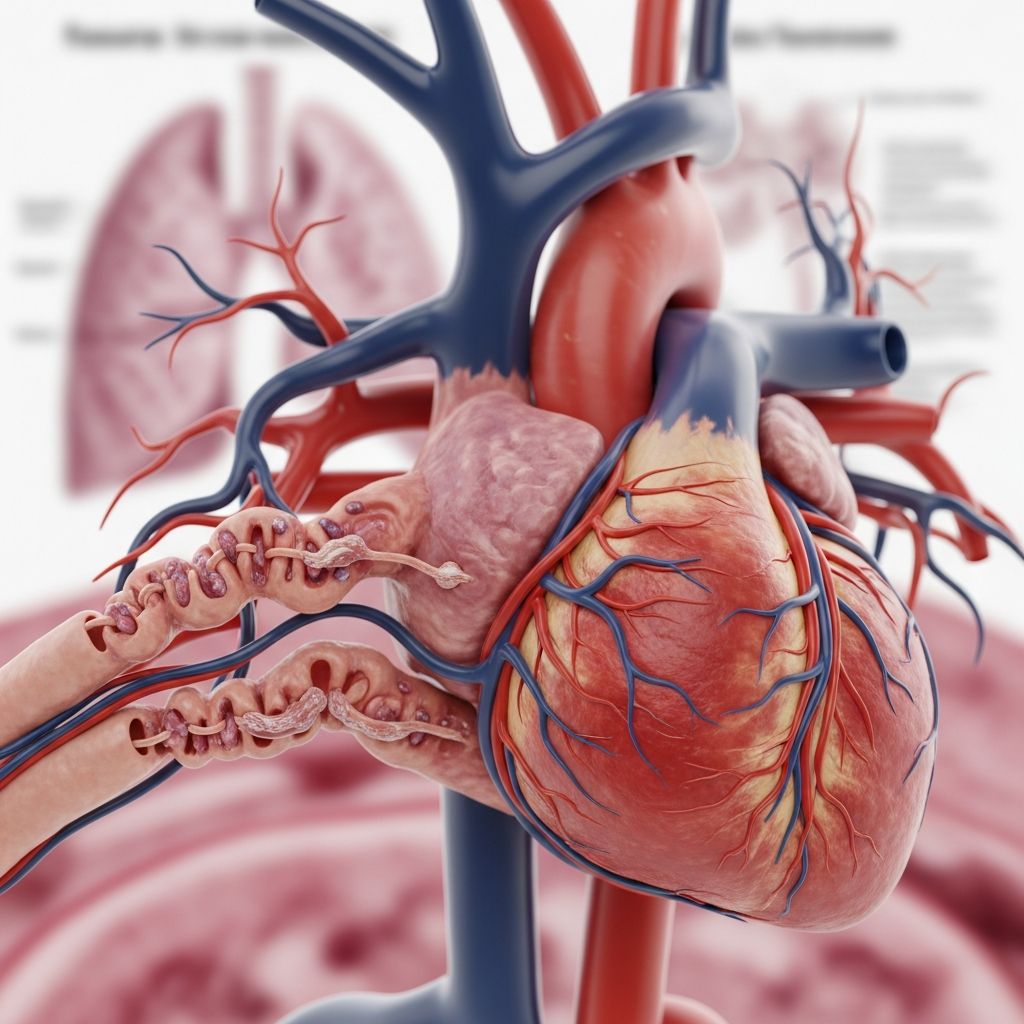
Pulmonary arterial hypertension (PAH) is a serious medical condition characterized by the narrowing of small blood vessels in the lungs. This narrowing restricts blood flow through the pulmonary arteries, which carry oxygen-poor blood from the heart to the lungs. As a result, blood pressure in these arteries rises significantly above normal levels, placing considerable strain on the heart and potentially leading to severe complications if left untreated.
PAH is one specific form of pulmonary hypertension, which is a general diagnosis for high blood pressure in the pulmonary arteries regardless of the underlying cause. Understanding the distinction between PAH and other forms of pulmonary hypertension is essential for proper diagnosis and treatment planning. The condition primarily affects the right side of the heart, which is responsible for pumping oxygen-poor blood to the lungs for oxygenation.
How PAH Affects Your Body
When pulmonary arterial hypertension develops, several physiological changes occur that progressively impact your health. The elevated pressure in the pulmonary arteries forces the right ventricle of the heart to work much harder than normal. This overexertion causes the right ventricle to gradually enlarge and become thickened—a condition known as right ventricular hypertrophy.
As PAH progresses, the continuous strain weakens the right ventricle’s ability to pump blood effectively. This can eventually lead to right-sided heart failure, where the heart cannot pump sufficient blood to meet the body’s oxygen demands. Additionally, PAH slows down blood flow between the heart and lungs, reducing the amount of freshly oxygenated blood that can circulate throughout your body. Consequently, your organs and tissues receive insufficient oxygen, leading to fatigue, shortness of breath, and other debilitating symptoms.
Common Symptoms of PAH
Pulmonary arterial hypertension often progresses silently in its early stages, with symptoms frequently not appearing until the condition has significantly advanced. Recognizing these warning signs is crucial for seeking timely medical attention. Common symptoms include:
- Shortness of breath during physical activity or at rest
- Persistent fatigue and weakness
- Chest pain or pressure, particularly during exertion
- Dizziness or fainting episodes
- Swelling in the ankles, legs, or abdomen
- Rapid or irregular heartbeat
- Difficulty exercising or decreased exercise tolerance
These symptoms can significantly impact your quality of life and daily activities. If you experience any of these warning signs, especially in combination, it is important to consult with a healthcare provider for proper evaluation.
Identifying Risk Factors and Causes
PAH can develop due to various underlying conditions and risk factors. Understanding these contributing factors helps healthcare providers identify at-risk individuals and implement preventive measures when possible. Major causes and associations include:
- Connective tissue diseases such as scleroderma and lupus
- Chronic liver disease or portal hypertension
- Certain medications and drugs
- HIV infection
- Congenital heart disease
- Family history of pulmonary hypertension (heritable PAH)
- Idiopathic pulmonary arterial hypertension (IPAH), where no clear cause is identified
Some individuals develop PAH without any identifiable secondary cause, a presentation known as idiopathic pulmonary arterial hypertension. This form previously carried a particularly poor prognosis, though advanced therapies have substantially improved survival rates and quality of life outcomes.
Related Stories



The Diagnostic Process
Accurate diagnosis of PAH requires comprehensive evaluation utilizing multiple diagnostic tests and imaging procedures. Your healthcare team will employ a systematic approach to confirm the diagnosis and rule out other conditions that may present with similar symptoms.
Initial Evaluation
The diagnostic journey typically begins with a thorough medical history and physical examination. Your provider will assess your symptoms, review your medical background, and listen for specific heart sounds that may suggest PAH. Based on this initial evaluation, if PAH is suspected, your physician will order a transthoracic echocardiogram as the first diagnostic test.
Transthoracic Echocardiogram
An echocardiogram is a non-invasive ultrasound test that evaluates the overall structure and function of your heart. This test can estimate the systolic pressure in the right ventricle and assess how well the heart chambers are functioning. It provides valuable information about potential right ventricular dysfunction and helps estimate pulmonary artery pressure without requiring invasive procedures.
Pulmonary Function Tests and Imaging
Pulmonary function tests measure how well your lungs work and help exclude other lung diseases that might contribute to elevated pulmonary pressure. High-resolution computed tomography (CT) scanning of the chest provides detailed images of the lung tissue and blood vessels, helping to identify structural abnormalities and rule out parenchymal lung disease. Normal spirometry results with reduced carbon monoxide diffusing capacity is particularly characteristic of PAH patients.
Right Heart Catheterization
Once initial tests suggest PAH and other conditions have been excluded, patients are typically referred to a specialized pulmonary hypertension center for right heart catheterization. This definitive diagnostic procedure involves inserting a thin catheter through blood vessels into the right side of the heart to directly measure pulmonary artery pressures and assess cardiac function. Right heart catheterization provides precise hemodynamic data essential for confirming PAH diagnosis and guiding treatment decisions. For patients with idiopathic, heritable, or drug-induced PAH, vasoreactivity testing may also be performed during this procedure to assess the lungs’ response to vasodilator medications.
Available Treatment Options
Modern medical science has developed several effective pharmacological treatments that significantly improve outcomes for PAH patients. These medications work through different mechanisms to reduce pulmonary vascular resistance, improve heart function, and enhance exercise capacity. Treatment selection is individualized based on disease severity, patient characteristics, and response to therapy.
Prostanoid Therapy
Prostanoids are powerful vasodilators that improve blood flow in the lungs and reduce the strain on the right heart. Intravenous epoprostenol (Flolan and Veletri) represents a highly effective but demanding treatment requiring continuous infusion through an indwelling catheter. Alternative formulations include intravenous and inhaled treprostinil (Remodulin and Tyvaso), offering different administration routes that may improve tolerability and quality of life for some patients.
Endothelin Receptor Antagonists
These oral medications block the effects of endothelin, a substance that promotes blood vessel constriction and cell proliferation in the lungs. Approved options include bosentan, macitentan, and ambrisentan (available under brand names Tracleer, Opsumit, and Letairis). These medications help relax pulmonary blood vessels and reduce pulmonary vascular resistance.
Phosphodiesterase-5 Inhibitors
Medications such as sildenafil and tadalafil (Revatio and Adcirca) work by promoting vasodilation and reducing pulmonary vascular resistance. These oral medications have become standard components of PAH therapy and can be combined with other treatment approaches for enhanced effectiveness.
Guanylate Cyclase Stimulator
Riociguat (Adempas) represents a newer medication class that stimulates guanylate cyclase, promoting vasodilation through a different biochemical pathway. This oral medication offers an additional treatment option, particularly valuable for patients with chronic thromboembolic pulmonary hypertension.
Combination Therapy Approach
Many PAH patients benefit from combination therapy, using multiple medications simultaneously to achieve optimal disease control. This multi-drug approach targets different pathobiological mechanisms contributing to PAH, resulting in improved hemodynamics and clinical outcomes. Healthcare providers carefully select medication combinations based on individual patient response and tolerance.
Specialized Treatment at Centers of Excellence
PAH management has become increasingly complex, requiring specialized expertise and comprehensive multidisciplinary care. Leading pulmonary hypertension centers maintain teams comprising pulmonary specialists, cardiologists, critical care physicians, advanced practice nurses, and research coordinators. These centers collaborate with specialists in cardiovascular imaging, cardiothoracic surgery, lung transplantation, hepatology, sleep medicine, and rheumatology to provide integrated, comprehensive care addressing all aspects of PAH and associated conditions.
Impact on Quality of Life and Prognosis
Historically, PAH carried a particularly poor prognosis, with average survival of only two to three years from diagnosis in patients with idiopathic PAH. However, the availability of targeted advanced therapies has dramatically transformed the disease trajectory. With appropriate evaluation, diagnosis, and treatment at specialized centers, patient outcomes have substantially improved. Modern PAH management has evolved from a disease with a grim outlook to a condition where appropriate guidance and therapy can meaningfully improve survival and quality of life.
Current treatment approaches enable many PAH patients to maintain functional capacity, pursue meaningful activities, and enjoy improved longevity. Ongoing research continues to identify novel therapeutic targets and refine treatment strategies, offering hope for continued progress in PAH management.
Frequently Asked Questions
Q: What is the difference between PAH and general pulmonary hypertension?
A: Pulmonary arterial hypertension (PAH) is a specific form of pulmonary hypertension characterized by narrowing of small blood vessels in the lungs. Pulmonary hypertension is a broader diagnostic category for elevated blood pressure in the pulmonary arteries from any cause, including heart disease, lung disease, or blood clots.
Q: Can PAH be cured?
A: While PAH cannot be completely cured, modern medications and treatment approaches can significantly control symptoms, slow disease progression, and substantially improve quality of life and survival. In specific cases like chronic thromboembolic pulmonary hypertension, specialized surgery may potentially cure the condition.
Q: How often should PAH patients be monitored?
A: Patients with PAH require regular follow-up appointments to assess disease progression, evaluate treatment effectiveness, and adjust medications as needed. Monitoring frequency depends on disease severity and individual patient factors, typically ranging from every few weeks to several months.
Q: Is PAH hereditary?
A: Some forms of PAH can be inherited through genetic mutations. Heritable PAH runs in families and may develop in multiple family members. Genetic counseling is recommended for patients with heritable PAH and their relatives.
Q: What lifestyle modifications help PAH patients?
A: Important lifestyle measures include avoiding strenuous exercise, managing fluid intake, maintaining a healthy weight, avoiding high-altitude locations, and managing stress. Patients should work closely with their healthcare team to develop an individualized activity plan.
Q: Can PAH develop suddenly?
A: While PAH typically develops gradually, symptoms may not appear until the disease has significantly progressed. This delayed symptom onset can result in late diagnosis. Some individuals may experience more rapid symptom development depending on underlying causes and individual factors.
References
- Pulmonary Arterial Hypertension (PAH): Symptoms and Treatment — Cleveland Clinic. 2024. https://my.clevelandclinic.org/health/diseases/23913-pulmonary-arterial-hypertension
- Evaluating suspected pulmonary hypertension: A structured approach — Cleveland Clinic Journal of Medicine. 2016. https://www.ccjm.org/content/85/6/468
- Pulmonary Hypertension Program — Cleveland Clinic Respiratory Institute. 2024. https://my.clevelandclinic.org/departments/respiratory/depts/pulmonary-hypertension
- Primary pulmonary hypertension: an overview of epidemiology and pathogenesis — PubMed/NCBI. 2003. https://pubmed.ncbi.nlm.nih.gov/12716137/
- Pulmonary Arterial Hypertension Outcomes — Cleveland Clinic. 2024. https://my.clevelandclinic.org/departments/neurological/outcomes/1264-pulmonary-arterial-hypertension
Similar Articles








Read full bio of medha deb