Pulmonary Arteries: Anatomy, Function & Health
Understanding pulmonary arteries: structure, function, and their vital role in circulation.
Understanding Your Pulmonary Arteries
Your pulmonary arteries are specialized blood vessels that play a critical role in your circulatory system. Unlike most arteries in your body that carry oxygen-rich blood, your pulmonary arteries perform a unique function by transporting oxygen-poor blood from your heart to your lungs. This distinctive characteristic makes them true exceptions to the general rules of blood vessel function. Understanding how these vessels work and what conditions can affect them is essential for maintaining cardiovascular health.
What Are Pulmonary Arteries?
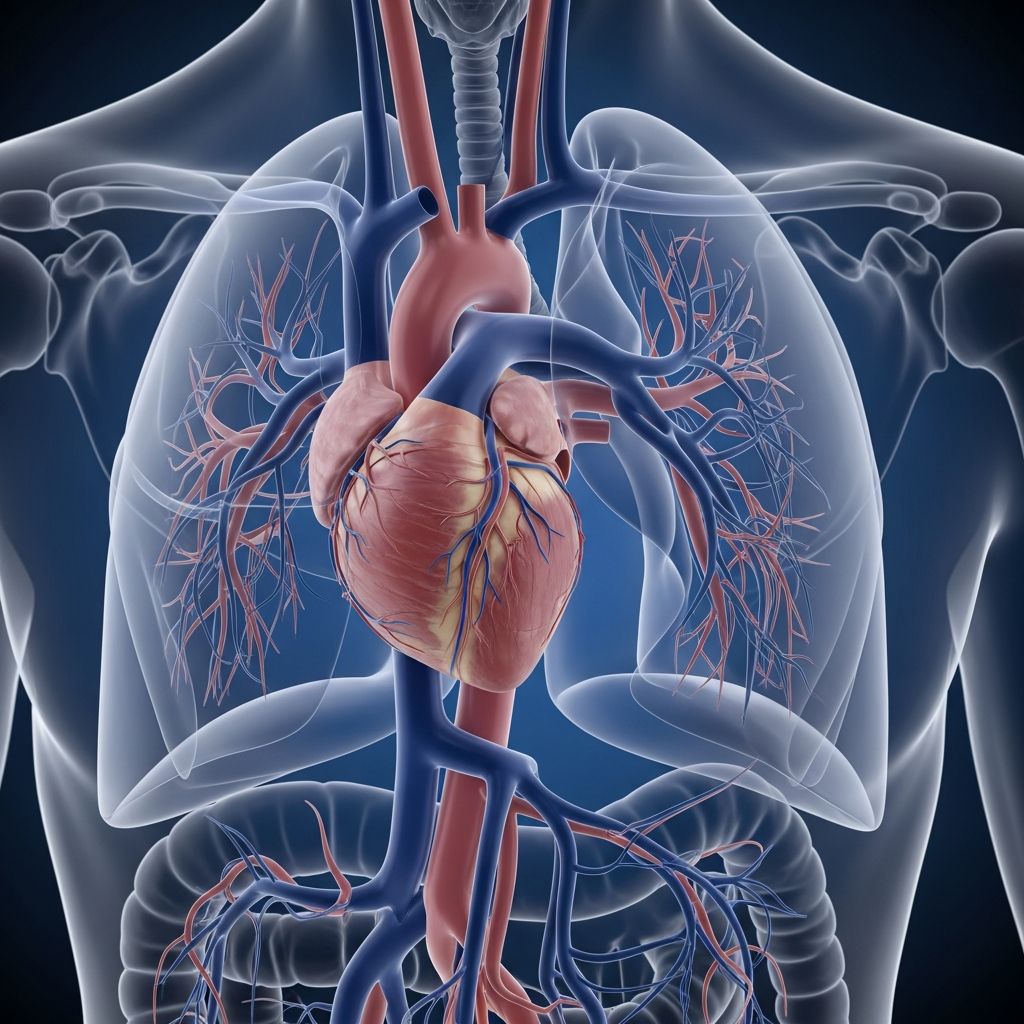
Pulmonary arteries are blood vessels that carry deoxygenated blood from your heart directly to your lungs. Your main pulmonary artery, also called the pulmonary trunk, originates from your right ventricle (the lower right chamber of your heart). From there, it divides into the right and left pulmonary arteries, each traveling to its respective lung. This branching pattern ensures that oxygen-poor blood reaches both lungs efficiently for reoxygenation.
What makes pulmonary arteries remarkable is their role as the only arteries in your body that carry oxygen-poor blood. All other arteries transport oxygen-rich blood away from your heart to various body tissues. This unusual characteristic highlights the pulmonary circuit’s unique position in your overall circulatory system.
The Anatomy of Pulmonary Arteries
Location and Structure
Your pulmonary arteries begin at your right ventricle, originating from the pulmonary valve (also called the pulmonic valve). The main pulmonary artery emerges from your heart and then bifurcates into two branches. The right pulmonary artery travels to your right lung, while the left pulmonary artery extends to your left lung. These arteries are relatively short but extremely important vessels that connect directly to your heart.
The pulmonary arteries are part of what medical professionals call the “great vessels” of your heart. These are the large vessels that directly connect to your heart and form the foundation of your circulatory system. The walls of pulmonary arteries are specially structured to withstand the pressure generated by your heart’s contractions while accommodating substantial blood flow.
Vessel Wall Composition
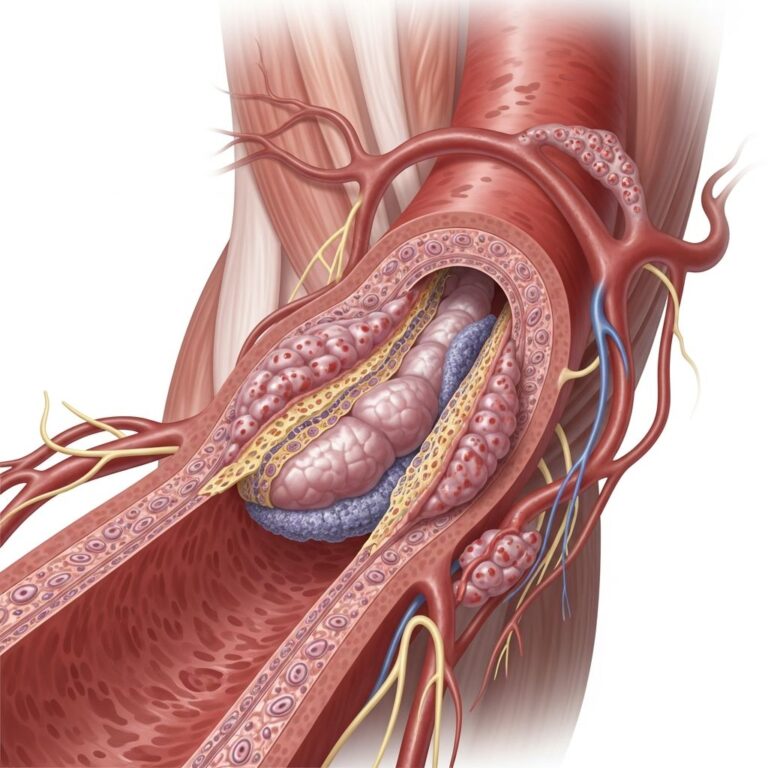
Like all blood vessels in your body, pulmonary arteries consist of three distinct layers of tissue:
- Tunica Intima (Inner Layer): The innermost layer provides a smooth surface that allows blood to flow without resistance. This endothelial lining prevents blood clots from forming on the vessel walls.
- Tunica Media (Middle Layer): This muscular and elastic layer gives arteries their characteristic strength. It allows the vessels to expand when blood is pushed through them and then recoil, helping propel blood forward.
- Tunica Adventitia (Outer Layer): The outermost connective tissue layer provides structural support and protection to the underlying layers.
The muscular composition of pulmonary arteries allows them to withstand the forceful contractions of your heart while maintaining flexibility to accommodate changing blood flow volumes.
How Pulmonary Arteries Function
The Pulmonary Circulation Process
Pulmonary arteries play an essential role in the pulmonary circulation, which is the loop of blood flow between your heart and lungs. When your heart contracts, oxygen-poor blood in your right ventricle is forced through the pulmonary valve and into the main pulmonary artery. This blood has already circulated through your body, delivering oxygen to tissues and picking up carbon dioxide waste.
As blood travels through your pulmonary arteries into your lungs, it comes into contact with air in the lungs’ tiny air sacs called alveoli. Here, carbon dioxide is released through exhalation, and oxygen is absorbed into the blood. Once reoxygenated, this oxygen-rich blood returns to your heart via pulmonary veins, entering the left atrium. From there, it’s pumped to your entire body through the systemic circulation.
Related Stories



Blood Flow Regulation
The pulmonary valve acts as a critical gateway controlling blood flow into your pulmonary arteries. This valve opens when your right ventricle contracts (systole) to allow blood to enter the arteries, then closes when your heart relaxes (diastole) to prevent backflow. This one-way mechanism ensures efficient, directed blood movement through your lungs.
Anatomical Variations
While the standard anatomy of pulmonary arteries follows the pattern described above, variations do occur among individuals. Approximately 20 to 30 percent of people have anatomical differences in their pulmonary artery structure or branching patterns. These variations are typically harmless and don’t affect blood flow or overall cardiovascular function.
Common variations include different branching patterns, variations in vessel diameter, or asymmetrical development of the right and left pulmonary arteries. Some individuals may have additional small branches or variations in where the arteries connect to the lungs. Medical imaging such as CT scans or cardiac MRI can reveal these variations, but most require no treatment or intervention.
Pulmonary Arteries vs. Other Blood Vessels
| Characteristic | Pulmonary Arteries | Other Arteries | Pulmonary Veins | Other Veins |
|---|---|---|---|---|
| Blood Type Carried | Oxygen-poor | Oxygen-rich | Oxygen-rich | Oxygen-poor |
| Direction of Flow | Away from heart | Away from heart | Toward heart | Toward heart |
| Wall Thickness | Thick and muscular | Thick and muscular | Thin | Thin |
| Primary Function | Transport oxygen-poor blood to lungs | Transport oxygen-rich blood to body | Return oxygenated blood to heart | Return deoxygenated blood to heart |
The pulmonary arteries represent one of nature’s interesting exceptions. While all other arteries in your body carry oxygen-rich blood, pulmonary arteries uniquely transport oxygen-poor blood. Conversely, your pulmonary veins are the only veins that carry oxygen-rich blood, while all other veins carry oxygen-poor blood. This reversal demonstrates the pulmonary circuit’s special role in maintaining overall circulation.
Common Conditions Affecting Pulmonary Arteries
Pulmonary Hypertension
Pulmonary hypertension occurs when blood pressure in the pulmonary arteries becomes abnormally elevated. This condition can result from various causes, including lung disease, heart disease, blood clots, or unknown origins. The increased pressure forces your heart to work harder to pump blood through your lungs, potentially leading to heart weakness over time.
Pulmonary Embolism
A pulmonary embolism happens when a blood clot travels through veins and lodges in your pulmonary arteries, blocking blood flow. This is a medical emergency that can cause severe breathing difficulty and reduced oxygen levels in your blood. Risk factors include prolonged immobility, surgery, cancer, and inherited clotting disorders.
Pulmonary Stenosis
This condition involves narrowing of the pulmonary valve or the main pulmonary artery, restricting blood flow to the lungs. Pulmonary stenosis can be congenital (present from birth) or develop later in life. Mild cases may not cause symptoms, while severe cases may require intervention to restore normal blood flow.
Congenital Abnormalities
Some individuals are born with structural abnormalities of their pulmonary arteries, such as abnormal branching patterns, hypoplasia (underdevelopment), or agenesis (absence of one pulmonary artery). Depending on severity, these conditions may require surgical repair or ongoing monitoring.
Maintaining Pulmonary Artery Health
Protecting your pulmonary arteries and overall cardiovascular system involves adopting healthy lifestyle practices:
- Quit Smoking: Smoking damages blood vessel linings and increases risk of blood clots and pulmonary hypertension.
- Maintain Healthy Blood Pressure: Elevated blood pressure strains all blood vessels, including pulmonary arteries.
- Regular Exercise: Physical activity strengthens your heart and improves circulation efficiency.
- Manage Cholesterol: High cholesterol contributes to arterial damage and reduced blood flow.
- Eat Nutritious Foods: A heart-healthy diet rich in fruits, vegetables, and whole grains supports cardiovascular function.
- Maintain Healthy Weight: Excess weight increases strain on your cardiovascular system.
- Manage Stress: Chronic stress negatively impacts heart and blood vessel function.
The Role of Pulmonary Arteries in Your Overall Health
Your pulmonary arteries are fundamental to sustaining life by ensuring your blood receives oxygen from your lungs. Without properly functioning pulmonary arteries, oxygen cannot reach your lungs, and reoxygenated blood cannot efficiently return to your heart for distribution throughout your body. This critical function means that any significant impairment to these vessels can have serious health consequences.
The pulmonary circuit, which includes your pulmonary arteries and veins, works in concert with your systemic circulation to maintain the oxygen levels necessary for all bodily functions. Your brain, heart, kidneys, and all other organs depend on the oxygen delivered by blood transported through your pulmonary arteries and circulated throughout your body.
Frequently Asked Questions About Pulmonary Arteries
Q: What is the main function of pulmonary arteries?
A: Pulmonary arteries transport oxygen-poor blood from your right ventricle to your lungs, where the blood is reoxygenated and carbon dioxide is removed.
Q: Why do pulmonary arteries carry oxygen-poor blood instead of oxygen-rich blood like other arteries?
A: Pulmonary arteries have a unique role in the pulmonary circulation. Their function is to deliver blood to the lungs for oxygenation, not to deliver already-oxygenated blood to body tissues. This is why they carry oxygen-poor blood.
Q: Can anatomical variations in pulmonary arteries cause health problems?
A: Most anatomical variations in pulmonary arteries are harmless and don’t affect cardiovascular function. However, severe structural abnormalities that significantly restrict blood flow may require medical attention or surgical repair.
Q: What symptoms might indicate a problem with my pulmonary arteries?
A: Symptoms of pulmonary artery problems may include shortness of breath, chest pain, dizziness, rapid heartbeat, or fainting. If you experience these symptoms, seek medical attention promptly.
Q: How can I keep my pulmonary arteries healthy?
A: Maintain cardiovascular health by not smoking, exercising regularly, eating a heart-healthy diet, managing blood pressure and cholesterol, maintaining a healthy weight, and managing stress effectively.
Q: Are pulmonary arteries larger or smaller than systemic arteries?
A: The main pulmonary artery is one of the largest arteries in your body, comparable in size to your aorta. However, the pulmonary arteries branch into progressively smaller vessels as they extend into the lungs.
Q: How is pulmonary hypertension diagnosed?
A: Pulmonary hypertension is typically diagnosed through a combination of tests including echocardiography, cardiac catheterization, CT imaging, and blood tests. Your healthcare provider can determine which tests are appropriate based on your symptoms.
References
- Great Vessels of the Heart: Anatomy & Function — Cleveland Clinic. 2024. https://my.clevelandclinic.org/health/body/17057-your-heart–blood-vessels
- How Your Circulatory System Works — Cleveland Clinic. 2024. https://my.clevelandclinic.org/health/body/circulatory-and-cardiovascular-system
- Pulmonary Veins: Anatomy and Function — Cleveland Clinic. 2024. https://my.clevelandclinic.org/health/body/23242-pulmonary-veins
- What is the Pulmonary Valve? — Cleveland Clinic. 2024. https://my.clevelandclinic.org/health/body/24273-pulmonary-valve
- Heart: Anatomy & Function — Cleveland Clinic. 2024. https://my.clevelandclinic.org/health/body/21704-heart
- Arteries: What They Are, Anatomy & Function — Cleveland Clinic. 2024. https://my.clevelandclinic.org/health/body/22896-arteries
- Blood Vessels: Types, Function & Anatomy — Cleveland Clinic. 2024. https://my.clevelandclinic.org/health/body/21640-blood-vessels
Similar Articles








Read full bio of medha deb