Pulmonary Artery Catheterization: Procedure, Purpose, and Care
Complete guide to pulmonary artery catheterization: understanding the procedure, preparation, and recovery.
Understanding Pulmonary Artery Catheterization
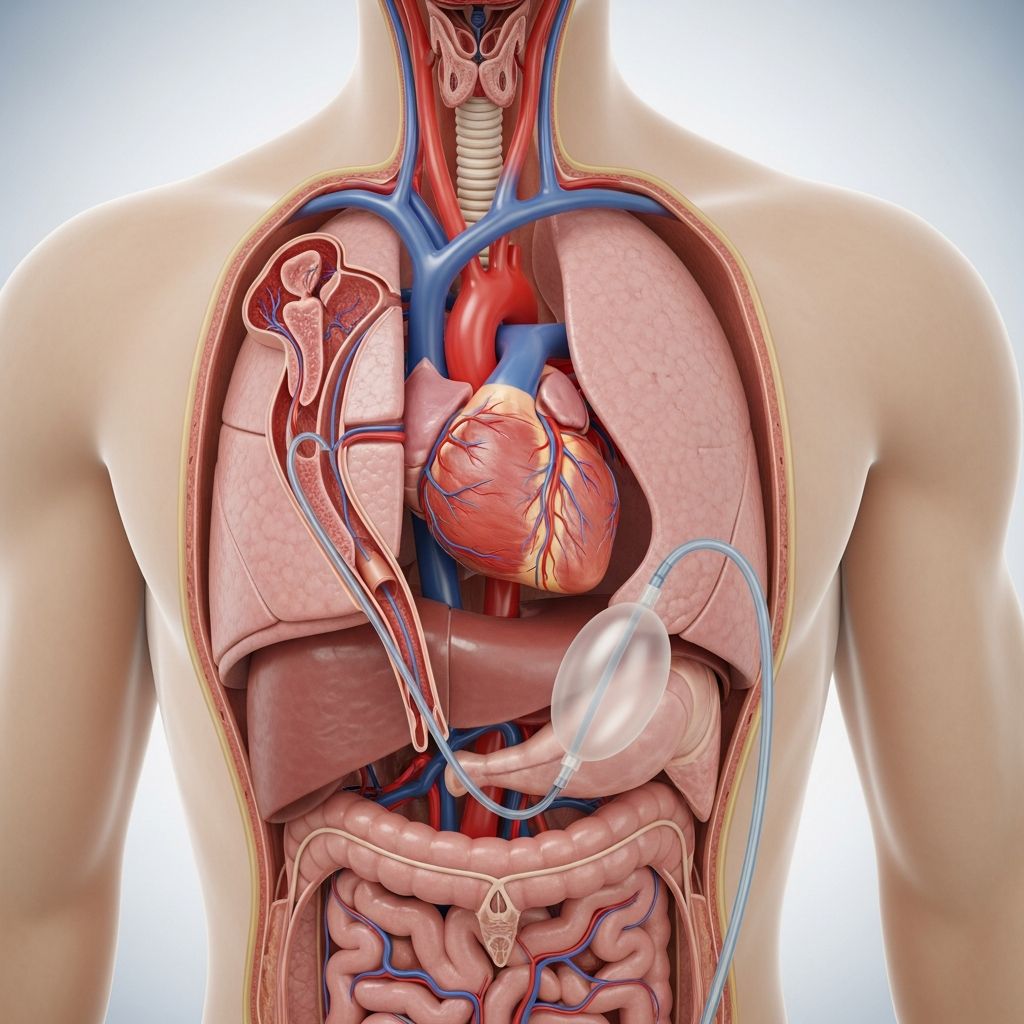
Pulmonary artery catheterization is a specialized medical procedure that uses a long, thin, flexible tube called a catheter to obtain detailed information about how the heart is functioning and how blood is flowing through it. This procedure, also known as Swan-Ganz catheterization or right heart catheterization, allows physicians to measure blood pressure and oxygen levels in the lungs and on the right side of the heart. The information gathered during this procedure helps doctors diagnose and manage various heart and lung conditions effectively.
The pulmonary artery is the main blood vessel that carries oxygen-poor blood from the right ventricle of the heart to the lungs. By inserting a catheter into this artery, healthcare providers can obtain crucial hemodynamic measurements that are difficult or impossible to obtain through non-invasive testing methods. This direct access to the heart’s chambers and pulmonary circulation provides real-time data about cardiac function, pressure gradients, and blood oxygenation levels.
Why Your Doctor May Recommend This Procedure
Pulmonary artery catheterization serves multiple important diagnostic and therapeutic purposes in modern cardiology and critical care medicine. Your doctor may recommend this procedure if you have symptoms or conditions that suggest problems with how your heart is pumping blood or how pressure is being distributed through your pulmonary circulation.
Common reasons for recommending pulmonary artery catheterization include:
- Evaluating persistent chest pain or shortness of breath to determine if the heart is the underlying cause
- Assessing heart failure and determining the best treatment approach
- Monitoring heart function in patients with severe infections (sepsis) or systemic inflammatory conditions
- Evaluating pulmonary hypertension and determining treatment effectiveness
- Assessing valve function, particularly when valves are not opening or closing properly
- Measuring cardiac output to evaluate heart pump efficiency
- Guiding treatment decisions in critically ill patients requiring intensive hemodynamic monitoring
- Evaluating right heart function in patients with respiratory failure or acute lung injury
How the Procedure Works
Preparation Phase
Before your pulmonary artery catheterization procedure, you will receive detailed instructions about preparing for the test. You may be asked to stop eating and drinking several hours before the procedure, depending on the type of anesthesia that will be used. Inform your doctor about all medications you are taking, particularly blood thinners, as you may need to adjust these before the procedure.
Once you arrive at the hospital, you will be taken to a cardiac catheterization laboratory. A nurse will place an intravenous (IV) line in your arm to deliver sedatives and medications as needed. Your heart rhythm will be continuously monitored using an electrocardiogram (ECG), and blood pressure monitoring will be established to track your vital signs throughout the procedure.
Insertion Process
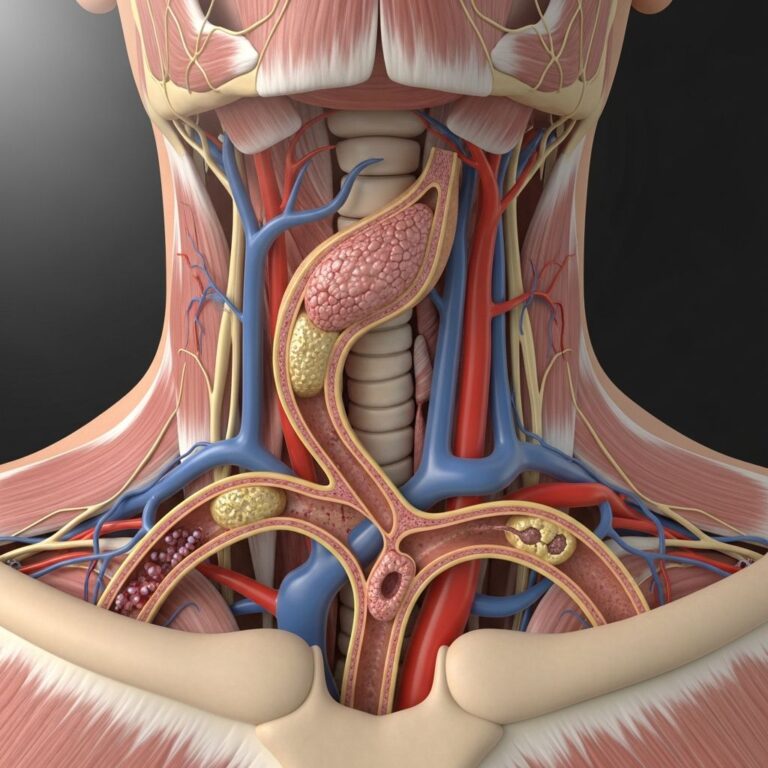
Your cardiologist will select the appropriate blood vessel for catheter insertion. Common insertion sites include the internal jugular vein in the neck, the subclavian vein below the collarbone, veins in the arm, or the femoral vein in the groin. Each site has advantages, and your doctor will choose based on your individual anatomy and medical history.
The doctor will clean and sterilize the insertion site thoroughly. A local anesthetic (numbing medicine) will be injected under the skin to minimize discomfort. Using a special needle and real-time ultrasound guidance, the physician will access the selected blood vessel. Once blood is obtained from the vessel, a thin guidewire is inserted through the needle into the vessel.
Related Stories



A sheath (also called an introducer) is then placed over the guidewire to keep the vessel open. The guidewire is removed, and the catheter is carefully threaded through the sheath. The doctor will advance the catheter through the vein toward the heart, using fluoroscopic (X-ray) imaging to visualize the catheter’s position as it travels through the cardiovascular system.
Navigation Through the Heart
As the catheter advances, it enters the right atrium (the upper right chamber of the heart). The doctor confirms proper positioning by observing characteristic pressure waveforms on the monitoring screen. Once the catheter reaches the right atrium, the physician gently inflates a small balloon at the catheter’s tip.
The inflated balloon helps guide the catheter forward into the right ventricle (the lower right chamber). The doctor continues advancing the catheter through the pulmonic valve and into the pulmonary artery. Throughout this navigation, distinctive pressure waveforms and the distance the catheter has been inserted serve as confirmatory markers of proper positioning. If these transitions do not occur at expected distances, the catheter may be withdrawn and reinserted to ensure accurate placement.
Once the pulmonary artery is reached, the doctor may advance the catheter further into a smaller branch of the pulmonary artery until the balloon wedges into position. This wedged position allows measurement of pulmonary capillary wedge pressure, which reflects left heart pressures and provides important information about heart function and fluid status.
What Happens During the Procedure
Monitoring and Measurements
Throughout the procedure, your vital signs will be continuously monitored. The healthcare team will watch your heart rhythm, blood pressure, oxygen saturation, and respiratory rate. The catheter contains sensors that measure blood pressures in different chambers of the heart and the pulmonary artery.
Blood samples may be collected from the catheter to measure oxygen content at various points in the heart. These measurements help determine how much oxygen is being picked up by the blood as it travels through the lungs. The doctor can also measure cardiac output—how much blood the heart is pumping with each beat—using a technique called thermodilution. This involves injecting a small amount of solution through the catheter and measuring how quickly the heart’s temperature changes, which correlates with blood flow.
Duration and Patient Experience
The procedure typically takes 30 to 60 minutes, depending on the complexity of your condition and the number of measurements needed. You will be awake but sedated during the procedure, which helps you remain calm and cooperative while allowing you to respond to instructions. Most patients report feeling pressure at the insertion site but typically do not experience pain due to local anesthesia and sedation.
You may feel a brief sensation of pressure or movement as the catheter advances through your heart chambers. Some patients notice an urge to cough when the catheter enters the pulmonary artery. The medical team will communicate with you throughout the procedure and explain what they are doing.
Preparation and What to Expect
Before the Procedure
Your doctor will provide specific pre-procedure instructions based on your health status. You will typically be asked to fast for a certain period before the procedure. Arrange for someone to drive you home, as you will not be able to drive yourself after receiving sedatives.
Inform your healthcare team about all medications you take, including over-the-counter drugs and supplements. Some medications, particularly blood thinners like aspirin or warfarin, may need to be adjusted before the procedure. Discuss any allergies, especially to contrast dye or anesthetics, with your medical team.
Post-Procedure Care
After the catheter is removed, firm pressure will be applied to the insertion site for several minutes to achieve hemostasis (stop bleeding) and prevent hematoma formation. You will be moved to a recovery area where nurses will continue monitoring your vital signs.
Most patients remain in the hospital for observation following pulmonary artery catheterization. You may be discharged the same day or after an overnight stay, depending on your condition and the reason for the procedure. Once home, keep the insertion site clean and dry, and watch for signs of infection such as increased redness, warmth, swelling, or drainage.
Potential Risks and Complications
Like all medical procedures, pulmonary artery catheterization carries potential risks, though serious complications are relatively uncommon when performed by experienced specialists. Understanding these risks helps you make an informed decision about the procedure.
Possible complications include:
- Infection at the insertion site or bloodstream infection
- Bleeding or hematoma (collection of blood) at the insertion site
- Blood clot formation in the vein used for catheter insertion
- Arrhythmias (irregular heart rhythms) as the catheter passes through the heart chambers
- Perforation of the heart chamber or pulmonary artery (rare but serious)
- Pulmonary artery rupture (rare)
- Allergic reaction to contrast dye if used
- Kidney damage from contrast dye in susceptible patients
- Air embolism (air entering blood vessels)
- Thromboembolism (blood clot traveling to the lungs)
Your healthcare team takes multiple precautions to minimize these risks, including using sterile technique, real-time ultrasound guidance, and careful monitoring. Report any chest pain, severe shortness of breath, or other concerning symptoms to your medical team immediately during or after the procedure.
Understanding Your Results
The measurements obtained during pulmonary artery catheterization provide your doctor with valuable information about how your heart is functioning. These measurements include right atrial pressure, right ventricular pressure, pulmonary artery pressure, and pulmonary capillary wedge pressure. Each measurement helps assess different aspects of cardiac function and fluid status.
Your doctor will also consider cardiac output measurements, which indicate how efficiently your heart is pumping blood to the body. Oxygen saturation measurements at different points help identify whether blood is mixing abnormally within the heart (as occurs with certain congenital heart defects) or whether the lungs are adequately oxygenating blood.
The results help your doctor make decisions about medication adjustments, the need for additional interventions, or changes to your treatment plan. Your healthcare team will discuss these results with you and explain what they mean for your care.
Frequently Asked Questions
Q: Will I feel pain during pulmonary artery catheterization?
A: You should not experience pain during the procedure because local anesthesia is used at the insertion site, and you receive sedatives to help you relax. You may feel pressure or mild discomfort, but significant pain should be reported to your medical team immediately.
Q: How long does recovery take after pulmonary artery catheterization?
A: Most patients recover quickly. You can usually resume light activities the next day, though you should avoid strenuous exercise for about a week. Avoid heavy lifting and activities that might disturb the insertion site during this recovery period.
Q: Is pulmonary artery catheterization considered invasive?
A: Yes, it is an invasive procedure because it involves inserting a catheter into blood vessels and the heart. However, it is generally considered safe when performed by experienced cardiologists in appropriate medical settings.
Q: Are there alternatives to pulmonary artery catheterization?
A: Non-invasive alternatives like echocardiography, cardiac MRI, and CT imaging can provide some cardiac information. However, pulmonary artery catheterization remains the gold standard for direct hemodynamic measurements. Your doctor will determine whether alternative tests are suitable for your specific situation.
Q: Can I have pulmonary artery catheterization if I take blood thinners?
A: Yes, but you may need to adjust your blood thinner medications before the procedure. Discuss all medications with your doctor before scheduling the procedure to ensure appropriate management.
Q: How accurate is pulmonary artery catheterization for diagnosing heart problems?
A: The procedure is highly accurate for measuring hemodynamic pressures and cardiac function. It provides direct measurements that are more accurate than non-invasive methods, making it invaluable for certain cardiac conditions.
References
- Pulmonary Artery Catheterization — University of Rochester Medical Center. 2024. https://www.urmc.rochester.edu/encyclopedia/content?contenttypeid=135&contentid=392
- Swan-Ganz Right Heart Catheterization — MedlinePlus, U.S. National Library of Medicine. 2024. https://medlineplus.gov/ency/article/003870.htm
- Right Heart Catheterization: Procedure Details and Results — Cleveland Clinic. 2024. https://my.clevelandclinic.org/health/diagnostics/21045-right-heart-catheterization
- Pulmonary Artery Catheterization — Nicklaus Children’s Hospital. 2024. https://www.nicklauschildrens.org/treatments/pulmonary-artery-catheterization
- Pulmonary Artery Catheter — Life in the Fast Lane (LITFL), International Medical Education Portal. 2024. https://litfl.com/pulmonary-artery-catheter/
Similar Articles








Read full bio of Sneha Tete