Pulmonary Edema: Causes, Symptoms, Diagnosis & Treatment
Comprehensive guide to understanding pulmonary edema: causes, symptoms, diagnosis methods, and effective treatment options.
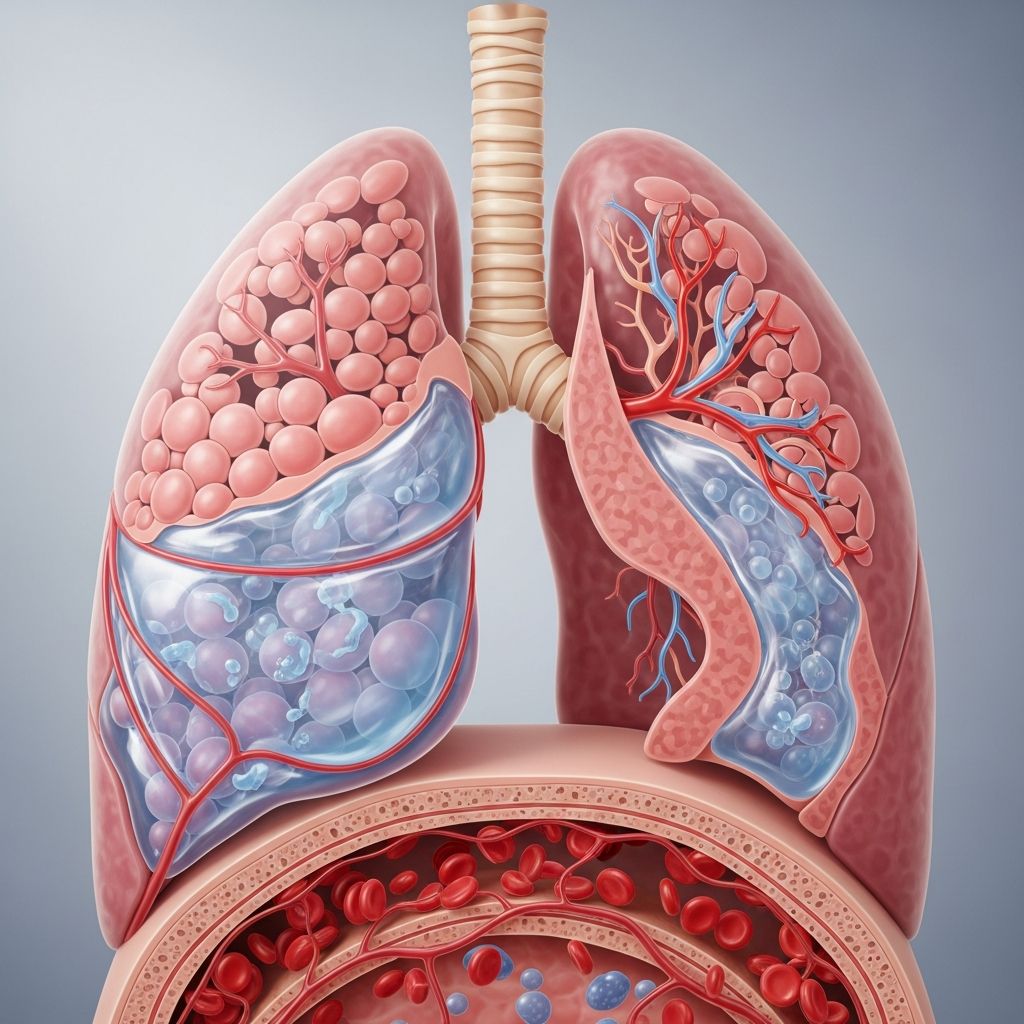
What Is Pulmonary Edema?
Pulmonary edema is the abnormal buildup of fluid in the lungs. This condition occurs when excess fluid accumulates in the alveoli (air sacs) of the lungs, interfering with the critical process of oxygen and carbon dioxide gas exchange during respiration. When fluid fills these air sacs, your lungs cannot function properly, making it difficult for oxygen to enter your bloodstream and for carbon dioxide to exit your body.
Fluid buildup in your lungs can lead to several distressing symptoms including shortness of breath, coughing up of foam and loose mucus, wheezing, chest tightness, and difficulty breathing. Pulmonary edema can be life-threatening and requires immediate medical treatment, especially when it develops suddenly.
Types of Pulmonary Edema
Pulmonary edema is classified into two main categories based on how quickly it develops and its underlying causes:
Acute Pulmonary Edema
Acute pulmonary edema occurs suddenly, developing within minutes or hours. This rapid onset is a medical emergency requiring immediate attention in the emergency room or intensive care unit (ICU). Without prompt treatment, acute pulmonary edema can be life-threatening.
Chronic Pulmonary Edema
Chronic pulmonary edema develops gradually over several days or longer. While less immediately dramatic than acute cases, chronic pulmonary edema still requires careful medical management and monitoring to prevent complications.
Causes of Pulmonary Edema
The causes of pulmonary edema can be broken down into two distinct groups: cardiogenic (heart-related) or noncardiogenic (not heart-related). Understanding which type you have is crucial for proper treatment.
Cardiogenic Pulmonary Edema
Cardiogenic pulmonary edema means fluid backs up in your lungs from a heart problem. The most common cause of cardiogenic pulmonary edema is congestive heart failure. When the left side of your heart stops pumping blood correctly, the blood backs up into the blood vessels in your lungs. As the pressure in your blood vessels increases, fluid is pushed into the air sacs in your lungs.
Other heart-related causes include:
– Acute coronary syndrome or heart attack- Arrhythmias (abnormal heart rhythms)- Hypertensive crisis (dangerously high blood pressure)- Valvular heart disease- Cardiomyopathy (weakened heart muscle)- Myocarditis (heart muscle inflammation)
Noncardiogenic Pulmonary Edema
Noncardiogenic pulmonary edema occurs without a primary heart problem. Various conditions and situations can trigger this type, including:
– Severe infections or sepsis- Pneumonia- Acute respiratory distress syndrome (ARDS)- Pulmonary embolism (blood clot in the lungs)- High altitude pulmonary edema (HAPE)- Transfusion-related acute lung injury- Drug toxicity or medication reactions- Severe allergic reactions- Near-drowning incidents- Negative pressure pulmonary edema- Lymphatic obstruction
Distinguishing Pulmonary Edema from Pneumonia
Both pulmonary edema and pneumonia involve a buildup of fluid in your lungs, but they have distinct differences. An infection causes pneumonia, and the infection can be viral, bacterial, or fungal. These organisms can cause infected fluid to fill your air sacs. In contrast, an infection does not cause pulmonary edema, and the fluid is typically thinner and watery rather than infected.
Related Stories



Symptoms of Pulmonary Edema
A primary symptom of pulmonary edema is shortness of breath, known as dyspnea. Symptoms may develop gradually or appear suddenly, and may include:
– Shortness of breath or difficulty breathing- Wheezing- Persistent cough that may produce pink, foamy sputum (coughing up foam)- Chest tightness or discomfort- Anxiety or sense of impending doom- Rapid or irregular heartbeat- Fatigue or weakness- Swollen feet or legs- Difficulty exercising or exerting yourself
High Altitude Pulmonary Edema (HAPE)
High altitude pulmonary edema is a specific type of noncardiogenic pulmonary edema that occurs at high elevations. HAPE can make you tired, weak, achy, and short of breath. It can cause coughing and chest tightness. HAPE is a medical emergency and can be life-threatening. If you have HAPE, you need to descend immediately and receive medical treatment.
Diagnosis of Pulmonary Edema
Diagnosing pulmonary edema typically involves a combination of physical examination and diagnostic tests. Your healthcare provider will perform specific assessments to confirm the diagnosis.
Physical Examination
A healthcare provider will perform a physical exam to see if you have fluid in your lungs. They’ll listen to your heart and lungs with a stethoscope, examining you for signs of respiratory distress and abnormal lung sounds. They’ll be looking for:
– Crackling or wheezing sounds in the lungs- Rapid breathing- Rapid heart rate- Elevated blood pressure- Swelling in the legs or abdomen- Blue-tinged lips or fingernails (cyanosis)
Diagnostic Tests
If your healthcare provider thinks you may have fluid in your lungs, they’ll order additional tests, including:
Imaging Tests
– Chest X-ray to visualize fluid in the lungs- Computed tomography (CT) scan for detailed lung imaging- Echocardiogram to assess heart function- Lung ultrasound- Coronary angiogram if heart disease is suspected
Heart and Respiratory Assessment
– Electrocardiography (ECG or EKG) to assess heart rhythm- Assessment of respiration rate- Oxygen saturation levels measurement- Heart rate monitoring
Blood Tests
– Arterial blood gases to measure oxygen levels- Complete blood count (CBC)- B-type natriuretic peptide (BNP) blood testing- Serum electrolyte level testing
Advanced Monitoring
– Pulmonary arterial catheter insertion to measure heart output and pressure within the arteries of the lungs
Treatment Options for Pulmonary Edema
Treatment depends on the severity of the disease and the underlying cause. Your healthcare provider will develop a personalized treatment plan based on your specific situation.
Oxygen Therapy
Supplemental oxygen may be administered through a face mask or nasal cannula to help increase oxygen levels in your blood and ease breathing difficulties.
Mechanical Ventilation
For more severe cases, a breathing tube may be placed in the trachea and connected to a ventilator. This device takes over the breathing process, ensuring adequate oxygen delivery while your lungs heal.
Medications
Several types of medications may be prescribed to treat pulmonary edema:
– Diuretics: Given to help remove excess fluids from the body- Blood pressure medications: To reduce pressure in blood vessels- Heart medications: To treat underlying heart conditions- Medications for other causes: Specific drugs to address the underlying cause of edema
Treatment for High Altitude Pulmonary Edema (HAPE)
HAPE treatment generally involves descending to a lower elevation, staying warm, and refraining from exercise until symptoms subside. Immediate descent is critical as this is a life-threatening condition.
Invasive Procedures
In some cases, your healthcare provider may recommend procedures such as:
– Continuous positive airway pressure (CPAP) devices- Ultrafiltration to remove excess fluid- Intra-aortic balloon pumps in severe cardiac cases- Extracorporeal membrane oxygenation (ECMO) for critical cases
When to Seek Medical Care
Pulmonary edema is a serious condition requiring appropriate medical attention. If you have sudden (acute) pulmonary edema, you need immediate treatment. You may need to be treated in the emergency room (ER) or intensive care unit (ICU). Seek emergency medical care immediately if you experience:
– Severe shortness of breath that comes on suddenly- Chest pain or pressure- Coughing up blood or bloody foam- Severe wheezing- Extreme anxiety or sense of impending doom- Loss of consciousness
Prognosis and Outlook
The outlook for pulmonary edema depends on the underlying cause, how quickly treatment is initiated, and your overall health status. Early recognition and prompt medical intervention significantly improve outcomes. With appropriate treatment addressing the underlying cause, many people recover well from pulmonary edema. However, if left untreated, the condition can be life-threatening.
Frequently Asked Questions
Q: Can pulmonary edema be prevented?
A: While not all cases can be prevented, you can reduce your risk by managing heart disease, controlling blood pressure, avoiding high altitudes if susceptible to HAPE, and following your healthcare provider’s recommendations for chronic conditions.
Q: Is pulmonary edema reversible?
A: Yes, pulmonary edema is often reversible with prompt and appropriate treatment. The fluid can be removed and lung function restored, especially if the underlying cause is addressed quickly.
Q: How long does it take to recover from pulmonary edema?
A: Recovery time varies depending on the severity and cause. Acute cases may improve within days to weeks with treatment, while chronic cases may require ongoing management over months or longer.
Q: Can pulmonary edema recur?
A: Yes, pulmonary edema can recur if the underlying cause is not properly managed. Ongoing treatment and monitoring of chronic conditions like heart failure are essential to prevent recurrence.
Q: What is the difference between cardiogenic and noncardiogenic pulmonary edema?
A: Cardiogenic pulmonary edema results from heart problems causing fluid backup into the lungs, while noncardiogenic pulmonary edema occurs without a primary heart disorder, often due to infections, altitude, or other systemic conditions.
References
- Pulmonary Edema: Causes, Symptoms, Diagnosis & Treatment — Cleveland Clinic. Accessed December 2025. https://my.clevelandclinic.org/health/diseases/24218-pulmonary-edema
- Pulmonary edema | Definition, Causes, Symptoms, & Treatment — Britannica. Accessed December 2025. https://www.britannica.com/science/pulmonary-edema
- Pulmonary Edema Following Initiation of Parenteral Prostacyclin Therapy: Frequency, Risk Factors, and Clinical Outcomes — National Center for Biotechnology Information. 2019. https://pmc.ncbi.nlm.nih.gov/articles/PMC6607426/
- Cardiogenic Pulmonary Edema: Causes, Symptoms and Treatment — Cleveland Clinic. Accessed December 2025. https://my.clevelandclinic.org/health/diseases/22941-cardiogenic-pulmonary-edema
Similar Articles








Read full bio of medha deb