Pulmonary Embolism: Symptoms, Causes, Risk Factors & Treatment
Complete guide to understanding pulmonary embolism: causes, symptoms, risk factors, diagnosis, and evidence-based treatment options.
Understanding Pulmonary Embolism
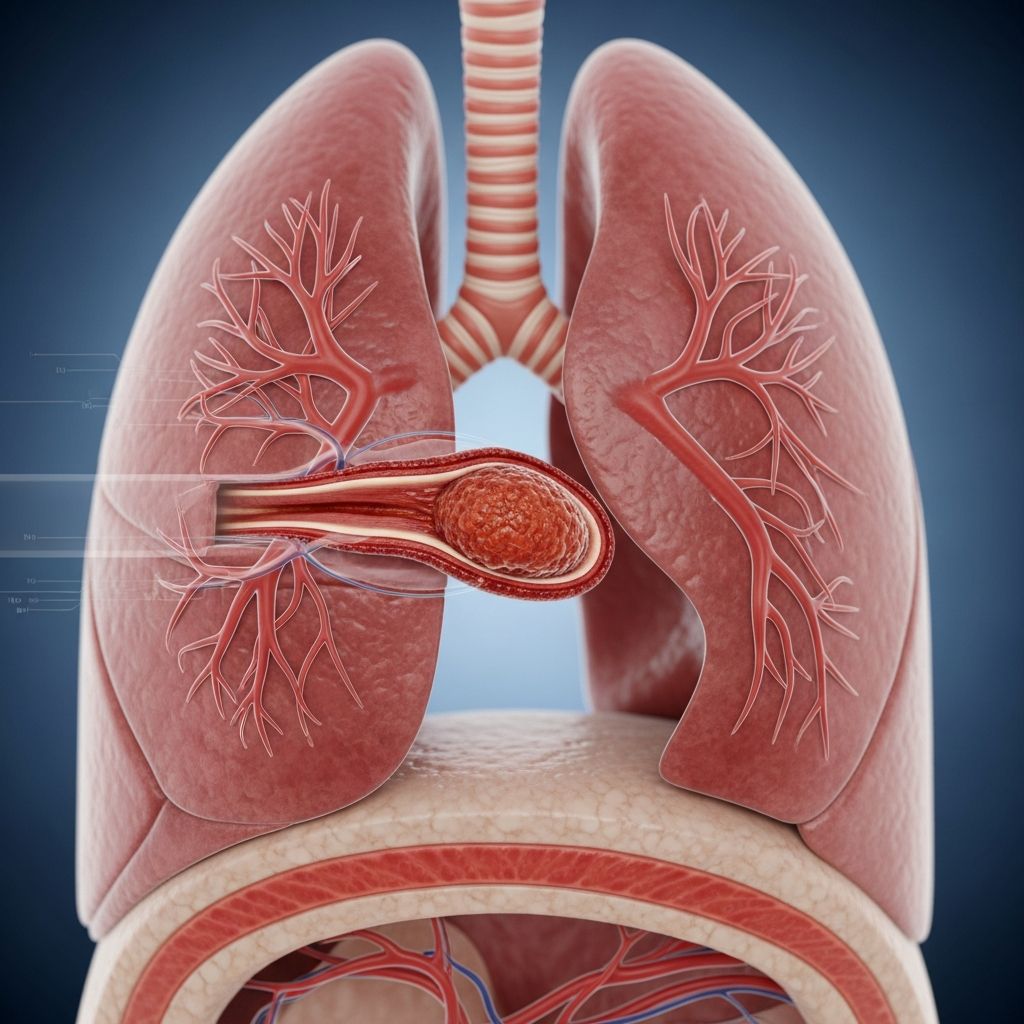
Pulmonary embolism (PE) is a serious and potentially life-threatening medical condition that occurs when blood clots travel through the venous system and lodge in the pulmonary arteries of the lungs. This condition represents a major public health concern, as it is a common illness that can cause significant disability and mortality if left untreated. PE is often difficult to detect because patients present with a wide array of symptoms and signs, ranging from vague discomfort to sudden severe chest pain. Understanding this condition is crucial for both healthcare providers and patients, as early recognition and appropriate treatment can dramatically improve outcomes.
The broader medical term for conditions involving blood clots in the venous system is venous thromboembolism (VTE), which encompasses both deep vein thrombosis (DVT) occurring in the legs and pulmonary embolism occurring in the lungs. Blood clots typically develop in the deep veins of the legs, and when these clots break away from the vein walls, they travel through the venous system, pass through the right side of the heart, and become lodged in the pulmonary arteries. This obstruction prevents blood from reaching portions of the lung tissue, which can result in inadequate oxygenation and serious cardiovascular consequences.
Recognizing Symptoms of Pulmonary Embolism
The symptoms of pulmonary embolism can vary significantly depending on the size and location of the clot, as well as the patient’s underlying health status. Many patients with PE experience vague symptoms that they have difficulty describing or defining, which can lead to delayed medical attention. Some individuals even have a general sense that something is wrong without being able to articulate specific symptoms, and in some cases, medical professionals may incorrectly diagnose anxiety rather than PE.
The most common warning signals of pulmonary embolism include:
- Unexplained shortness of breath – This is the most frequent symptom and may occur suddenly or develop gradually
- Chest discomfort – Often worse when taking a deep breath or coughing, similar to pleurisy
- Anxiety or nervousness – A general sense of unease that accompanies the physical symptoms
- Lightheadedness or fainting – Caused by reduced oxygen delivery to the brain
- Rapid heart rate – The heart compensates for reduced oxygen by beating faster
- Cough – May be accompanied by hemoptysis (coughing up blood) in severe cases
It is important to recognize that some patients may experience minimal or atypical symptoms, making PE particularly challenging to diagnose in certain populations. The vague nature of these symptoms underscores the importance of maintaining clinical suspicion when patients present with unexplained respiratory distress or chest discomfort.
Understanding Risk Factors and Causes
Pulmonary embolism develops through a complex interplay of inherited predispositions and acquired risk factors. The clinical setting can raise suspicion for PE, and certain factors predispose susceptible individuals to thromboembolism. Understanding these risk factors is essential for identifying high-risk patients who may benefit from preventive measures.
Acquired Risk Factors
Acquired risk factors are those that develop as a result of lifestyle choices, medical conditions, or temporary circumstances. Long-haul air travel is one of the most commonly discussed risk factors for PE, as prolonged immobilization during flights can promote clot formation. Other significant acquired risk factors include obesity, cigarette smoking, and hypertension, all of which increase the risk of thromboembolism.
Related Stories



Immobilization from any cause—whether from long flights, bed rest, or prolonged sitting—significantly increases PE risk by reducing blood flow in the legs. Surgery and trauma represent acute risk factors that can trigger thromboembolism due to vessel injury and inflammatory response. Chronic medical illnesses such as congestive heart failure, chronic obstructive pulmonary disease, and cancer are also well-established risk factors.
Women face unique PE risks related to reproductive health. Oral contraceptive use, pregnancy, and hormone replacement therapy all increase the likelihood of blood clot formation. These women’s health-related risk factors reflect the impact of estrogen on the coagulation cascade.
Inherited Risk Factors
Certain individuals carry inherited genetic mutations that predispose them to thromboembolism. These genetic factors affect the body’s natural anticoagulant mechanisms or promote excessive clotting. Patients with a personal or family history of blood clots should be evaluated for inherited thrombophilia, particularly if they develop PE or DVT at a young age or without obvious environmental triggers.
Diagnosis of Pulmonary Embolism
Establishing a definitive diagnosis of pulmonary embolism requires a systematic approach combining clinical evaluation with appropriate diagnostic testing. The diagnosis or exclusion of PE remains challenging, but several diagnostic methods have proven effective.
Clinical Evaluation
The diagnostic process begins with a thorough clinical history and physical examination. Physicians will ask detailed questions about symptoms related to chest or leg discomfort, breathing difficulties, and lightheadedness. They will inquire about whether the patient or family members have suffered prior venous thromboembolism. A comprehensive physical examination includes assessment of blood pressure, pulse rate, breathing rate, heart sounds, lungs, and examination of the legs for signs of deep vein thrombosis.
Laboratory Testing
Blood tests play an important role in PE diagnosis. D-dimer concentration in blood is considered the best laboratory screening test for pulmonary embolism. D-dimer is a fibrin degradation product released when blood clots form and subsequently break down. A normal D-dimer result makes PE extremely unlikely and can help exclude the diagnosis in low-risk patients. For patients with elevated D-dimer levels, further imaging is typically warranted.
In certain clinical scenarios, blood tests to detect a prothrombotic state may be performed, especially in relatively young and otherwise healthy patients with PE or DVT who lack obvious risk factors.
Imaging Studies
Chest computed tomography (CT) scan has become the most widespread imaging test for confirming pulmonary embolism. Rapid-speed chest CT directly visualizes blood clots causing blockages in the pulmonary arteries and provides excellent sensitivity and specificity. This noninvasive imaging technique has largely replaced other diagnostic methods in clinical practice.
Additional imaging options include lung scans, which indirectly identify areas of decreased blood flow in lung tissue as a consequence of PE. Chest X-rays are routinely performed to evaluate for other causes of chest discomfort and shortness of breath. Echocardiography may be used to assess right ventricular function, which has important implications for risk stratification and treatment decisions.
Risk Stratification and Assessment
Once a definitive diagnosis of PE is made, validated risk stratification tools help categorize patients into risk categories that guide treatment decisions. The pulmonary embolism severity index (PESI) and its simplified version (sPESI) are the most commonly used risk stratification tools in clinical practice.
Risk stratification allows clinicians to distinguish between low-risk PE that can often be managed with anticoagulation alone, intermediate-risk PE that may require more aggressive intervention, and high-risk PE requiring immediate advanced therapies. Right-ventricular dysfunction on echocardiography and higher than normal concentrations of troponin identify high-risk patients who might need escalation of therapy with thrombolysis or embolectomy even if blood pressure is normal on presentation.
Approximately 30% of acute PE is classified as intermediate risk, with mortality ranging from 2% for those with only biomarker abnormalities to 10% for those with both RV dilation and biomarker abnormalities. For individuals with intermediate-high risk PE characterized by both RV dysfunction and biomarker elevation, progression to hemodynamic instability is a real possibility, and treatment beyond anticoagulation should be considered.
Treatment Options for Pulmonary Embolism
Treatment of pulmonary embolism depends on the severity of the condition and the patient’s clinical status. Anticoagulation is the foundation of therapy for most patients with PE, working to prevent new clots from forming and allowing the body’s natural fibrinolytic system to break down existing clots.
Anticoagulation Therapy
Mild PE is typically managed with blood thinners (anticoagulation therapy), which may include unfractionated heparin, low-molecular-weight heparin, fondaparinux, or direct oral anticoagulants. For standard-risk patients without contraindications, anticoagulation alone often provides adequate treatment and allows gradual resolution of the thrombus over weeks to months.
Thrombolytic Therapy
Severe PE requires additional measures beyond anticoagulation. Pharmacologic thrombolysis, or clot-busting medication, takes center stage in high-risk cases. Alteplase (tPA) is considered the standard thrombolytic intervention for hemodynamically unstable patients, typically administered as a 100 mg infusion over two hours. Thrombolytic therapy works by activating the fibrinolytic system to rapidly dissolve clots and restore pulmonary blood flow.
Catheter-Directed Interventions
For patients with massive PE who remain hemodynamically unstable despite anticoagulation, catheter-directed thrombolysis offers an alternative to systemic thrombolysis. This approach delivers thrombolytic medication directly to the clot site, potentially maximizing efficacy while minimizing systemic drug exposure.
Embolectomy
Embolectomy is a procedure in which the clot is mechanically removed using either a catheter-based approach (percutaneous thrombectomy) or surgical intervention. This option is typically reserved for patients with massive PE who have contraindications to thrombolysis, who have failed thrombolytic therapy, or who require immediate mechanical circulatory support.
Mechanical Circulatory Support
In the most critical scenarios with hemodynamic collapse, extracorporeal membrane oxygenation (ECMO) may be employed to provide temporary mechanical circulatory support and oxygenation while other definitive therapies are implemented. These aggressive interventions demand rapid decision-making and a multidisciplinary approach to patient management.
IVC Filter Placement
For patients who cannot tolerate anticoagulation or those for whom anticoagulation fails, a permanent metal filter may be inserted into the inferior vena cava (the largest vein below the heart) to prevent large blood clots from reaching the pulmonary arteries and causing PE. However, it is important to note that filter devices do not halt the clotting process itself. Their presence predisposes patients to future venous clots on or below the filter.
Hospital Expectations and Workup
When presenting to the hospital with suspected PE, patients should definitely expect comprehensive evaluation including questions about symptoms, medical history, and family history of blood clots. A thorough physical examination assessing vital signs and cardiopulmonary status is standard. An electrocardiogram (ECG) and chest X-ray are routine baseline tests.
Patients may also expect blood tests including D-dimer screening and possibly blood tests to detect prothrombotic states. Chest CT scanning directly images blood clots in the pulmonary arteries, and lung scans may indirectly identify areas of compromised perfusion. The specific diagnostic approach varies based on clinical suspicion, risk factors, and institutional protocols.
Prevention and Prophylaxis
Prevention of pulmonary embolism is a critical aspect of patient care, particularly in hospitalized patients and those undergoing surgery. When patients are admitted to medical wards or when patients undergo surgery, their physicians should prescribe prophylactic measures to prevent PE. These measures may include pharmacologic prophylaxis with anticoagulants or mechanical prophylaxis such as compression stockings or sequential compression devices.
After hospital discharge, prophylaxis should continue for approximately one month for patients at high risk of thromboembolism. Patients should also be counseled on strategies to reduce PE risk, such as early mobilization after surgery or illness, staying well-hydrated during long flights or car rides, avoiding smoking, and maintaining a healthy weight.
Deep Vein Thrombosis and PE Connection
Deep vein thrombosis frequently originates in the calf, often presenting with persistent cramping or “charley horse” that intensifies over several days. Leg swelling and discoloration may accompany the increase in discomfort. Upper-extremity DVT may cause otherwise unexplained upper arm or neck swelling. The most frequently used diagnostic imaging test for DVT is the noninvasive venous ultrasound examination, which can identify clots before they embolize to the lungs.
Pulmonary Embolism Response Teams
Once a diagnosis of PE is made, an important step is to consider the use of a Pulmonary Embolism Response Team (PERT) to help guide early management decisions, facilitate access to advanced intervention if necessary, and ensure appropriate follow-up care. PERT teams represent a multidisciplinary approach bringing together pulmonologists, cardiologists, interventional radiologists, surgeons, and critical care physicians to provide comprehensive, coordinated care for complex PE cases.
Frequently Asked Questions
Q: What is the difference between deep vein thrombosis and pulmonary embolism?
A: Deep vein thrombosis (DVT) refers to blood clots that form in the deep veins, usually in the legs. Pulmonary embolism occurs when a blood clot breaks away from a DVT and travels to the lungs. Both conditions are part of venous thromboembolism (VTE).
Q: Can pulmonary embolism be prevented?
A: Yes, PE can often be prevented through prophylactic measures such as anticoagulation or mechanical methods in high-risk patients. Lifestyle modifications including regular activity, hydration, avoiding smoking, and maintaining healthy weight also reduce risk.
Q: How long does PE treatment last?
A: Anticoagulation duration varies depending on whether the PE was provoked (caused by a temporary risk factor like surgery) or unprovoked. Provoked PE typically requires 3 months of anticoagulation, while unprovoked PE may require longer duration or even lifelong therapy.
Q: Is pulmonary embolism always fatal?
A: No, PE is not always fatal, especially when diagnosed and treated promptly. With appropriate anticoagulation therapy, most patients survive. However, massive PE with hemodynamic instability carries higher mortality rates and requires aggressive intervention.
Q: What should I do if I suspect I have PE?
A: If you experience unexplained shortness of breath, chest pain, or other PE symptoms, seek immediate medical attention. Go to an emergency department or call emergency services, as PE can be life-threatening and requires urgent evaluation and diagnosis.
References
- Pulmonary Embolism — National Center for Biotechnology Information (NCBI/PubMed). 2004. https://pubmed.ncbi.nlm.nih.gov/15094276/
- Pulmonary Embolism: A Clinical Approach — American College of Cardiology (ACC). 2025-02-01. https://www.acc.org/latest-in-cardiology/articles/2025/02/01/pulmonary-embolism-clinical-approach
- Pulmonary Embolism and Deep Vein Thrombosis — American Heart Association Circulation Journal. https://www.ahajournals.org/doi/10.1161/01.cir.0000031167.64088.f6
- Pulmonary Embolism: Diagnosis, Risk-Stratification, Treatment and Prognosis — Harvard University Archives. https://dash.harvard.edu/entities/publication/73120379-01a3-6bd4-e053-0100007fdf3b
Similar Articles








Read full bio of Sneha Tete