Pulmonary Embolism: Symptoms, Causes & Treatment
Understanding pulmonary embolism: causes, symptoms, diagnosis, and effective treatment options.
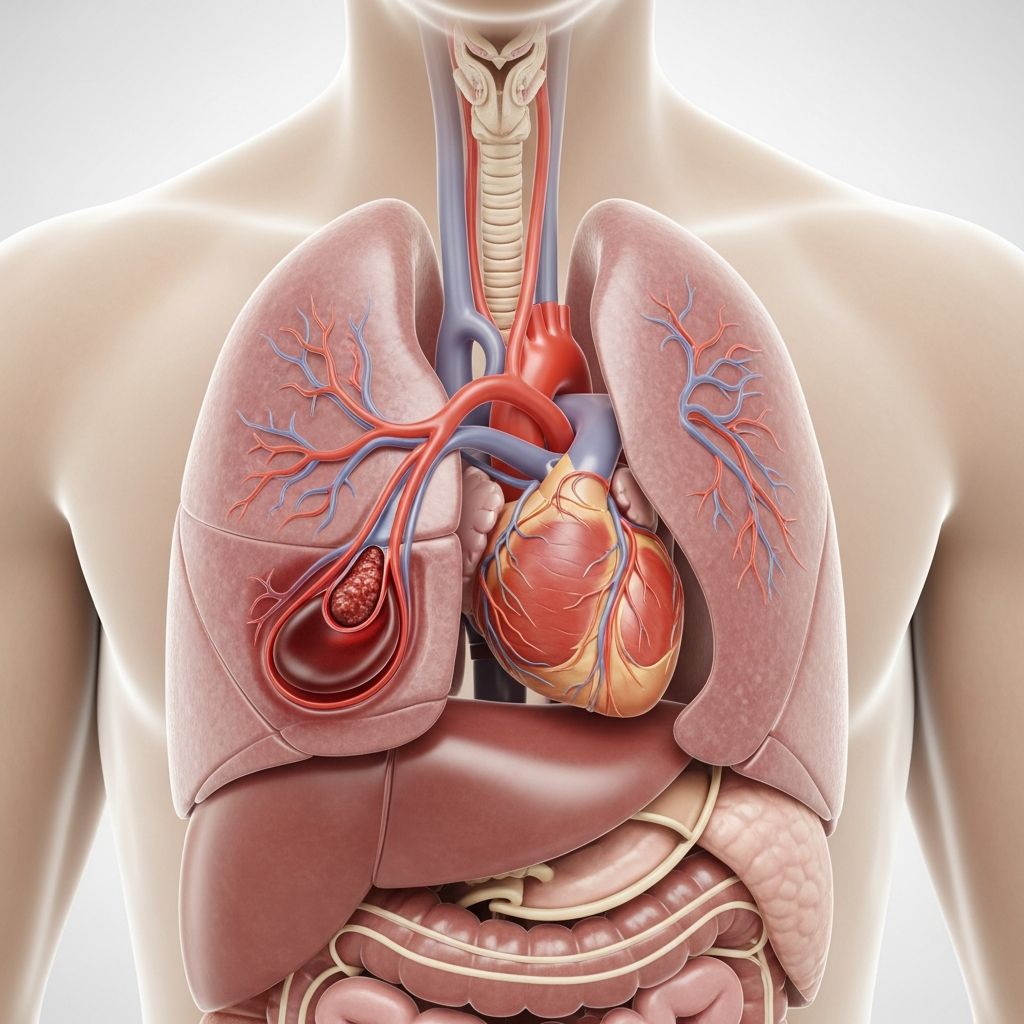
Understanding Pulmonary Embolism: A Comprehensive Guide
A pulmonary embolism (PE) is a serious medical condition where a blood clot becomes lodged in one of the arteries in your lungs, creating a significant blockage. This obstruction disrupts normal blood flow and oxygen levels in your lungs, potentially leading to life-threatening complications. Understanding the nature of this condition, its causes, symptoms, and treatment options is essential for both prevention and timely intervention.
What is Pulmonary Embolism?
Pulmonary embolism occurs when a blood clot travels through your veins and becomes stuck in the pulmonary arteries—the vessels that carry blood to your lungs. In most cases, the clot originates in the deep veins of your legs, a condition known as deep vein thrombosis (DVT), and then breaks loose, traveling through the circulatory system until it lodges in the pulmonary circulation. This blockage prevents blood from reaching portions of your lung tissue and can severely impair oxygen exchange, affecting your entire body’s oxygen supply.
The severity of PE ranges from mild cases with minimal symptoms to massive, life-threatening events. Between 300,000 and 600,000 cases of pulmonary embolism occur annually in the United States, making it a major public health concern. PE is the third leading cause of cardiovascular death, emphasizing the critical importance of prompt recognition and treatment.
Risk Factors and Causes
Several factors increase your likelihood of developing a blood clot that could lead to pulmonary embolism:
Immobility and Prolonged Inactivity
Extended periods without movement—such as long flights, bed rest, or prolonged sitting—significantly increase clot formation risk. Hospital patients face particularly high risk for developing both DVT and PE due to reduced mobility during treatment and recovery.
Surgical Procedures and Trauma
Surgery, particularly orthopedic procedures like hip or knee replacement, damages blood vessel walls and triggers inflammatory responses that promote clotting. Significant trauma or fractures similarly increase PE risk through vessel injury and inflammation.
Medical Conditions
Heart disease, cancer, obesity, and previous blood clots substantially elevate your PE risk. Cancer patients require special attention, as malignancy increases hypercoagulability and clot formation.
Medications and Hormonal Factors
Oral contraceptives and hormone replacement therapy contain estrogen, which promotes blood clotting. Certain medications also increase clot risk through various mechanisms.
Inherited Blood Disorders
Some individuals inherit genetic mutations affecting blood clotting factors, such as Factor V Leiden or prothrombin gene mutation, making them predisposed to thrombosis.
Symptoms and Clinical Presentation
The symptoms of pulmonary embolism vary depending on the size of the clot and the extent of lung involvement. Common manifestations include:
Respiratory Symptoms: Sudden shortness of breath (dyspnea) is the most common presenting symptom, often occurring abruptly. Rapid or irregular heartbeat (tachycardia or arrhythmia) frequently accompanies the condition.
Related Stories



Chest Pain: Sharp, pleuritic chest pain that worsens with breathing or coughing is characteristic of PE. Some patients describe a stabbing sensation in the chest.
Cardiovascular Symptoms: Syncope (fainting) or near-fainting episodes result from reduced blood pressure and oxygen delivery to the brain. Hypotension (low blood pressure) indicates more severe disease.
Additional Signs: Cough, sometimes productive with blood-tinged sputum (hemoptysis), may occur. Swelling, redness, or pain in the legs suggests concurrent deep vein thrombosis.
Massive or high-risk PE can present as cardiogenic shock or cardiac arrest, representing medical emergencies requiring immediate intervention. The clinical presentation ranges from asymptomatic cases discovered incidentally to fulminant presentations with sudden cardiovascular collapse.
Diagnosis and Risk Stratification
Prompt and accurate diagnosis is crucial for patient outcomes. Healthcare providers employ multiple diagnostic approaches:
Clinical Assessment Tools
Initial evaluation includes the Pulmonary Embolism Severity Index (PESI) score or its simplified version (sPESI), which helps stratify patient risk and guide treatment decisions. These clinical scoring systems assess vital signs, oxygenation status, and comorbidities to determine severity.
Imaging Studies
Computed tomography pulmonary angiography (CTPA) is the gold standard for PE diagnosis, providing detailed visualization of pulmonary arteries and clot location. This imaging modality can also assess right ventricular function and size, important prognostic indicators.
Chest X-ray may reveal infiltrates, atelectasis, or pleural effusion, though it’s nonspecific for PE diagnosis. Ventilation-perfusion (V/Q) scanning provides an alternative when CT is contraindicated.
Cardiac Biomarkers and Laboratory Tests
Elevated troponin and B-type natriuretic peptide (BNP) or NT-proBNP levels indicate myocardial stress from right ventricular strain and help risk stratify patients. D-dimer testing has high sensitivity for excluding PE in low-risk patients but lacks specificity.
Echocardiography
Transthoracic echocardiography visualizes right ventricular enlargement and dysfunction, key findings in intermediate-risk and high-risk PE. This portable study proves particularly valuable in hemodynamically unstable patients unable to undergo CT.
Risk Classification
PE severity and mortality risk are classified into three categories:
Low-Risk PE: Hemodynamically stable patients without right ventricular involvement. These patients generally have excellent prognosis with anticoagulation alone.
Intermediate-Risk PE: Subdivided into intermediate low-risk and intermediate high-risk categories. These patients demonstrate hemodynamic stability but show signs of right ventricular involvement on imaging or biomarkers.
High-Risk PE: Hemodynamically unstable patients presenting with cardiac arrest, shock, or hypotension. Inpatient mortality for high-risk PE reaches 42.1%, primarily from right ventricular dysfunction. These patients require aggressive intervention beyond anticoagulation.
Treatment Approaches
Management of pulmonary embolism varies based on severity classification and individual patient factors. Healthcare providers typically manage PE in hospitals where continuous monitoring is available, though some low-risk cases may not require overnight hospitalization.
Anticoagulant Medications (Blood Thinners)
Anticoagulants represent the primary treatment for most PE cases. These medications decrease your blood’s ability to clot, preventing clot enlargement and new clot formation. Common anticoagulants include:
Unfractionated Heparin: Administered intravenously, allowing rapid reversal if bleeding complications develop.
Low Molecular Weight Heparin: Subcutaneously injected with more predictable pharmacokinetics than unfractionated heparin.
Fondaparinux: A selective Factor Xa inhibitor given subcutaneously.
Direct Oral Anticoagulants (DOACs): Newer agents like apixaban and rivaroxaban provide oral anticoagulation with convenient dosing.
Warfarin: A vitamin K antagonist requiring INR monitoring but offering reversibility with vitamin K.
Thrombolytic Therapy
Thrombolytic medications, sometimes called “clot busters,” dissolve existing clots through fibrinolysis. Tissue plasminogen activator (TPA) represents the primary thrombolytic agent used in PE management. Healthcare providers reserve thrombolytics for high-risk PE or unstable patients, as these medications carry significant bleeding risks. Thrombolytic therapy is always administered in emergency departments or intensive care units where close monitoring is available.
Interventional Procedures
Catheter-Directed Thrombectomy: In cases where thrombolysis is contraindicated or has failed, percutaneous mechanical aspiration thrombectomy may be considered, particularly for massive or high-risk PE. This class IIa indication involves inserting a catheter into the pulmonary artery to mechanically remove clot material.
Vena Cava Filter Placement: Your healthcare provider may recommend inserting a filter inside your body’s largest vein (the inferior vena cava) to trap blood clots before they reach your lungs. This procedure proves particularly valuable for patients who cannot tolerate anticoagulation.
Surgical Embolectomy
Surgical removal of blood clots from the pulmonary artery is a class I indication for high-risk PE patients with contraindications to systemic thrombolysis or those in whom thrombolysis has failed. This invasive approach carries significant morbidity and is reserved for carefully selected critically ill patients.
Supportive Care
Management of PE with right ventricular involvement requires prompt integration of hemodynamic management (preload and afterload optimization), pharmacologic support, and supportive care. In refractory cases, mechanical circulatory support devices may be necessary.
Compression Stockings
Compression stockings help prevent blood pooling in legs and reduce swelling. Your healthcare provider will advise you on proper use duration and care, as appropriate washing prevents garment damage.
The Pulmonary Embolism Response Team (PERT)
Many major medical centers, including Cleveland Clinic, have developed multidisciplinary Pulmonary Embolism Response Teams to improve PE patient outcomes. These specialized teams can risk stratify and initiate treatment in less than 30 minutes from initial notification, significantly improving survival rates.
Multidisciplinary team approaches for intermediate-risk and high-risk PE represent class IIa recommendations, as recent years have demonstrated that integrated approaches lead to lower all-cause mortality, reduced ICU stays, decreased overall hospital length of stay, and improved survival-to-discharge rates.
Long-Term Management and Follow-Up Care
PE patients require ongoing specialized care after hospitalization to prevent future clots and manage complications. Dedicated PE clinics provide comprehensive follow-up including careful symptom monitoring, complete workup to identify underlying PE causes, and individualized treatment plans preventing long-term effects.
If patients develop pulmonary hypertension as a PE complication, referral to a specialized pulmonary hypertension center is highly recommended.
Prevention Strategies
Reducing PE risk involves addressing modifiable factors and prophylaxis in high-risk situations. Hospital patients benefit from early mobilization, sequential compression devices, and pharmacologic thromboprophylaxis. Post-surgical patients should follow prescribed prophylaxis protocols. Maintaining good hydration during long flights or car trips, moving regularly, and elevating legs reduces clot risk. Patients with personal or family histories of thrombosis should discuss genetic testing and long-term anticoagulation strategies with their healthcare providers.
Frequently Asked Questions
Q: How quickly can PE symptoms develop?
A: PE symptoms can develop suddenly without warning. Some people experience acute onset of shortness of breath and chest pain, while others have gradual symptom progression. Seek immediate medical attention if you experience sudden breathing difficulty, chest pain, or fainting.
Q: Can you survive a pulmonary embolism?
A: Yes, many PE patients survive with prompt recognition and appropriate treatment. Survival depends on clot size, lung involvement extent, and how quickly treatment begins. Early diagnosis and immediate treatment significantly improve outcomes.
Q: How long do you take anticoagulants after PE?
A: Anticoagulation duration varies based on PE provocation (surgery, trauma, immobility) versus unprovoked PE and individual risk factors. Provoked PE typically requires 3 months of anticoagulation, while unprovoked PE often requires longer or indefinite therapy. Your healthcare provider will determine the appropriate duration for your situation.
Q: Can you fly after having a pulmonary embolism?
A: Generally, you should wait several weeks after PE diagnosis before flying, and only with your healthcare provider’s clearance. Once cleared, maintain adequate hydration, move regularly during flights, and continue prescribed anticoagulation to minimize recurrent clot risk.
Q: What complications can develop after PE?
A: Potential complications include chronic thromboembolic pulmonary hypertension (CTEPH), right heart dysfunction, recurrent PE, and post-thrombotic syndrome if leg veins were involved. Regular follow-up care helps identify and manage these complications early.
References
- Managing right ventricular failure in the setting of pulmonary embolism — Cleveland Clinic Journal of Medicine. 2023. https://www.ccjm.org/content/92/5/301
- Pulmonary Embolism (PE Care) and Thrombosis Center — Cleveland Clinic. 2024. https://my.clevelandclinic.org/departments/heart/depts/thrombosis-center
- Pulmonary Embolism: Symptoms, Causes & Treatment — Cleveland Clinic. 2024. https://my.clevelandclinic.org/health/diseases/17400-pulmonary-embolism
- Achieving equitable care in pulmonary embolism: exploring the potential of pulmonary embolism response teams — Blood Advances. 2024. https://ashpublications.org/bloodadvances/article/9/1/166/525820/
Similar Articles








Read full bio of Sneha Tete