Pulmonary Embolism: Essential Guide To Symptoms And Treatment
Understand pulmonary embolism: causes, symptoms, diagnosis, urgent treatments, and prevention strategies for this life-threatening condition.
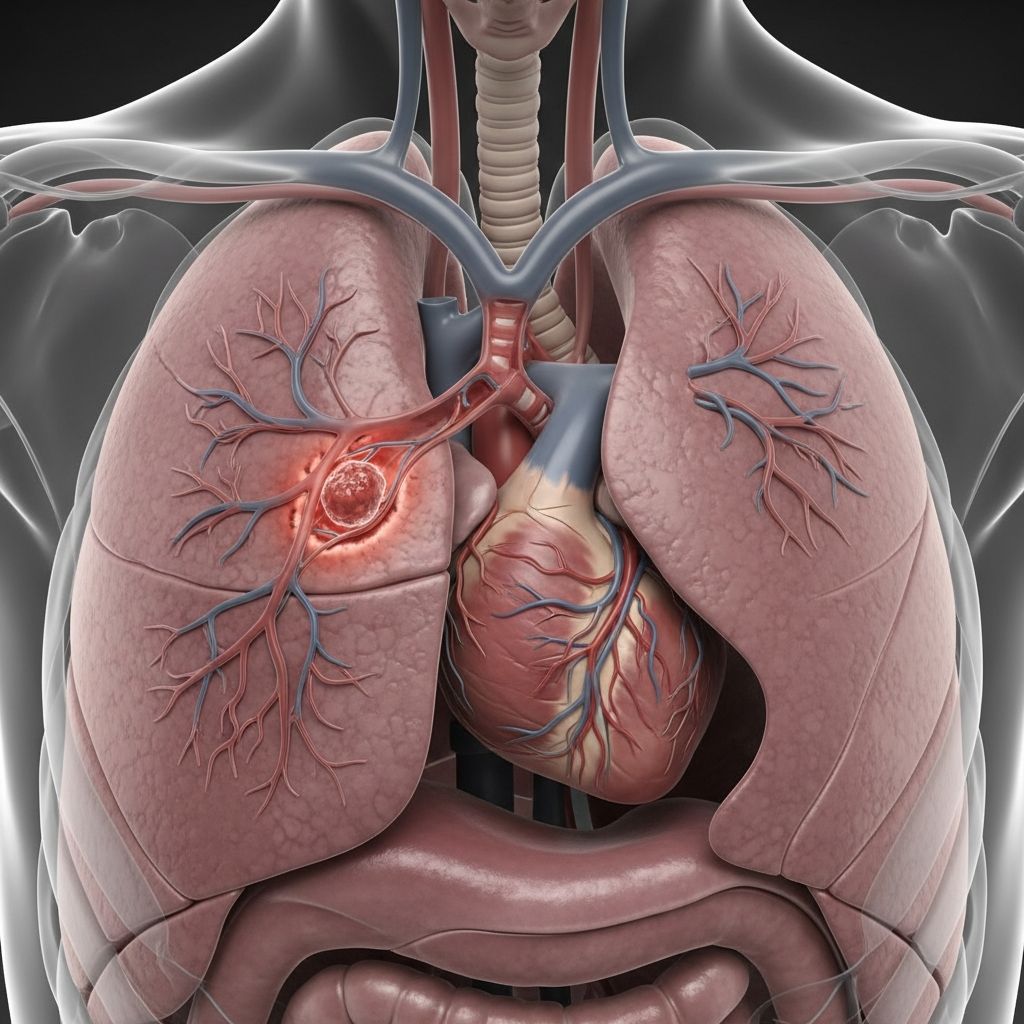
A pulmonary embolism (PE) occurs when a blood clot blocks one or more arteries in the lungs, often originating from a deep vein thrombosis (DVT) in the legs. This serious condition impairs breathing and circulation, potentially leading to life-threatening complications if not treated promptly.
What is a Pulmonary Embolism?
Pulmonary embolism happens when a blood clot, typically from deep veins in the legs or pelvis (DVT), travels through the bloodstream and lodges in the pulmonary arteries. This blockage disrupts blood flow to the lungs, causing impaired gas exchange, reduced oxygen levels (hypoxemia), and increased pressure in the pulmonary arteries. In severe cases, it can lead to right ventricular failure due to heightened afterload on the heart. PE is a medical emergency; symptoms like sudden breathlessness require immediate attention, as delays can result in hemodynamic instability or death.
The clot obstructs the pulmonary vascular bed, creating a ventilation-perfusion mismatch. Alveolar ventilation continues normally, but blood flow decreases, leading to dead space ventilation. Released mediators like serotonin cause vasospasm, worsening the issue. If the occlusion affects more than 30-50% of the pulmonary arterial bed, pulmonary artery pressure rises significantly.
Symptoms of Pulmonary Embolism
Symptoms of PE often start suddenly and can mimic other conditions like heart attack or pneumonia, complicating diagnosis. Common signs include:
- Sudden or worsening breathlessness (dyspnoea): Often the first and most prominent symptom, severe in central PE and milder in peripheral cases.
- Pleuritic chest pain: Sharp pain worsening with deep breaths, coughing, or movement.
- Cough, sometimes with blood (hemoptysis).
- Rapid or irregular heartbeat (tachycardia) and fast breathing (tachypnea).
- Lightheadedness, dizziness, presyncope, or syncope (fainting): Due to low blood pressure or heart strain.
- Leg symptoms: Pain, swelling, redness indicating underlying DVT.
- Other: Excessive sweating, fever, clammy or cyanotic skin (blue lips/nails).
In patients with pre-existing heart or lung disease, symptoms may be subtler, like worsening dyspnoea. If you experience these, especially breathlessness or chest pain, call emergency services immediately (e.g., 000 in Australia).
Causes and Risk Factors
PE is usually caused by DVT, where clots form in deep leg veins and embolize to the lungs. Risk factors increase clotting tendency (Virchow’s triad: stasis, endothelial injury, hypercoagulability).
| Risk Category | Examples |
|---|---|
| Immobility/Surgery | Long flights, bed rest, recent surgery (especially orthopedic, abdominal, or pelvic). |
| Medical Conditions | Heart failure, cancer, stroke, COVID-19, pregnancy/postpartum, obesity. |
| Lifestyle/Other | Smoking, oral contraceptives/hormone therapy, family history of clots, age >60. |
| Hospitalization | Prolonged hospital stays, central lines. |
Hypercoagulable states (e.g., factor V Leiden) or trauma also contribute. Prevention in high-risk patients involves anticoagulants or compression stockings.
Diagnosis of Pulmonary Embolism
Diagnosis combines clinical assessment, scoring (e.g., Wells score), blood tests (D-dimer), imaging, and echocardiography. Steps include:
- History and exam: Assess symptoms, risks; check for DVT signs.
- D-dimer test: Elevated in PE but nonspecific; normal rules out low-risk cases.
- Imaging: CT pulmonary angiography (CTPA) is gold standard, showing clots directly. For unstable patients, bedside echo or perfusion scan.
- Echo: Reveals right heart strain in high-risk PE.
- Other: ECG (S1Q3T3 pattern), ABG (hypoxemia, hypocapnia).
For high suspicion in unstable patients, proceed directly to imaging or reperfusion without delay.
Related Stories



Treatment of Pulmonary Embolism
Treatment starts immediately upon suspicion, focusing on stabilization, clot prevention, and removal in severe cases. Hospitalization is standard.
Supportive Measures
Provide oxygen if SpO2 <90%; use noninvasive/invasive ventilation cautiously in unstable patients due to hemodynamic risks. IV fluids for hypotension, but monitor right ventricle.
Anticoagulation (Mainstay)
Anticoagulants prevent clot growth and recurrence without dissolving existing clots.
- Initial: LMWH (e.g., enoxaparin) or fondaparinux preferred over UFH for lower bleeding/HIT risk.
- Oral transition: DOACs (apixaban, rivaroxaban) or warfarin after 5-10 days.
- Duration: 3 months (provoked), longer/indefinite for unprovoked/recurrent.
Reperfusion for High-Risk PE
For hemodynamically unstable patients (hypotension, shock):
- Thrombolysis: Systemic (alteplase) reduces mortality/recurrence if given <48 hours; effective up to 14 days.
- Catheter-directed: Local thrombolysis or mechanical thrombectomy for contraindications to systemic therapy.
- Surgical embolectomy: For persistent instability.
Monitor for bleeding risks with thrombolytics.
Complications
Untreated PE risks include recurrent embolism, right heart failure, chronic thromboembolic pulmonary hypertension (CTEPH), and death (up to 30% in untreated high-risk cases). Post-PE syndrome affects 50% with persistent dyspnoea or CTEPH.
Prevention of Pulmonary Embolism
Reduce risks by:
- Moving during long travel/surgery.
- Compression stockings post-surgery.
- Prophylactic anticoagulants in hospital/high-risk patients.
- Lifestyle: Weight management, smoking cessation, hydration.
When to Seek Medical Help
Emergency if sudden breathlessness, chest pain, fainting, or coughing blood. Also for leg swelling/pain suggesting DVT. Early intervention saves lives.
Frequently Asked Questions (FAQs)
Q: Is pulmonary embolism fatal?
A: Yes, potentially, especially if massive and untreated; prompt anticoagulation reduces mortality significantly.
Q: Can PE resolve on its own?
A: Small PEs may, but treatment prevents worsening; body dissolves clots over time with anticoagulants.
Q: How long is anticoagulation needed?
A: Typically 3-6 months or lifelong based on risk factors.
Q: What are signs of DVT leading to PE?
A: Leg pain, swelling, warmth, redness—seek care promptly.
Q: Can flying cause PE?
A: Prolonged immobility increases risk; move, hydrate, consider prophylaxis if high-risk.
References
- Acute Pulmonary Embolism – StatPearls — NCBI Bookshelf / NIH. 2023-07-17. https://www.ncbi.nlm.nih.gov/books/NBK560551/
- Pulmonary embolism – causes, symptoms and treatment — Healthdirect (Australian Government). 2023. https://www.healthdirect.gov.au/pulmonary-embolism
- Pulmonary embolism – Symptoms and causes — Mayo Clinic. 2023-11-10. https://www.mayoclinic.org/diseases-conditions/pulmonary-embolism/symptoms-causes/syc-20354647
- Pulmonary embolism – Diagnosis and treatment — Mayo Clinic. 2023-11-10. https://www.mayoclinic.org/diseases-conditions/pulmonary-embolism/diagnosis-treatment/drc-20354653
- Pulmonary Embolism — Society for Vascular Surgery. 2023. https://vascular.org/your-vascular-health/vascular-conditions/pulmonary-embolism
- Treating and Managing Pulmonary Embolism — American Lung Association. 2023. https://www.lung.org/lung-health-diseases/lung-disease-lookup/pulmonary-embolism/treating-and-managing
Similar Articles








Read full bio of medha deb