Pulmonary Function Tests: Comprehensive Guide
Understanding pulmonary function tests: Types, procedures, and what your results mean.
Pulmonary Function Tests: Understanding Your Lung Health
Pulmonary function tests (PFTs), also known as lung function tests, are breathing tests designed to measure how well your lungs work. These non-invasive diagnostic procedures determine how much air moves into and out of your lungs, assess your lungs’ ability to absorb oxygen into the bloodstream, and evaluate how your lungs function during physical activity. Healthcare providers use these tests to diagnose respiratory conditions, monitor disease progression, and guide treatment decisions.
Why Your Doctor May Order Pulmonary Function Tests
Your healthcare provider may recommend pulmonary function tests for various clinical reasons. These tests help evaluate your overall respiratory health and can identify potential problems before they become serious. Common reasons for ordering PFTs include:
- Evaluating symptoms such as persistent cough, shortness of breath, or chest pain
- Diagnosing lung diseases including asthma, chronic obstructive pulmonary disease (COPD), and cystic fibrosis
- Comparing your lung function to expected values for people without lung disease
- Measuring how chronic lung diseases affect your respiratory function over time
- Identifying early changes in lung function that may require treatment modifications
- Detecting airway narrowing or obstruction
- Determining whether medications could improve your lung function
- Assessing potential lung damage from workplace or home environmental exposures
- Evaluating your ability to tolerate surgery and other medical procedures
- Monitoring lung function in tobacco users
- Conducting routine screening during physical examinations
Types of Pulmonary Function Tests
Several different pulmonary function tests are available to assess different aspects of lung function. Your healthcare provider will determine which tests you need based on your medical history, symptoms, and clinical concerns. Sometimes only one or two tests are necessary, while other situations may require multiple tests scheduled on the same day.
Spirometry
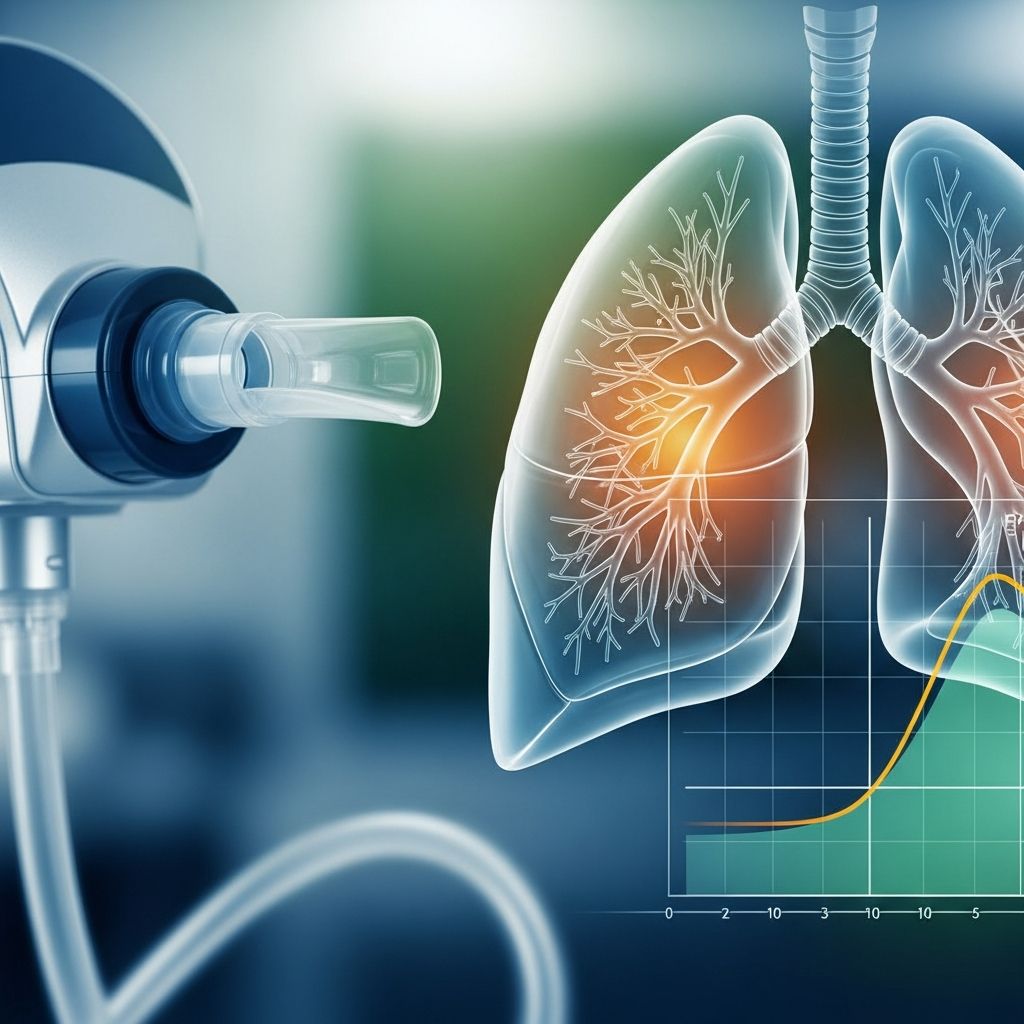
Spirometry is the most commonly ordered pulmonary function test and serves as the primary assessment of lung health. This test measures how much air you can breathe into your lungs and how quickly you can expel that air. During spirometry, you will wear soft nose clips to ensure you breathe through your mouth, not your nose. You will place your lips around a mouthpiece connected to a spirometer machine. The healthcare provider will instruct you to take a deep breath and then blow out as hard and fast as you can. To obtain reliable results, the test is typically performed at least three times with rest periods between attempts. Spirometry measures two key values: forced vital capacity (FVC), which represents the total amount of air you can exhale, and forced expiratory volume in one second (FEV1), which indicates how much air you can forcefully exhale in the first second. Spirometry is particularly useful for diagnosing lung diseases affecting the airways, such as COPD and asthma.
Diffusion Studies (DLCO Test)
Diffusion studies, also called the DLCO test or carbon monoxide diffusion test, measure how efficiently your lungs transfer gases from the air into your bloodstream. This test evaluates the lungs’ ability to move oxygen from the air into the blood and remove carbon dioxide. During the diffusion study, you will wear nose clips and breathe into a mouthpiece connected to the testing machine. You will be instructed to gently breathe out as much air as possible to empty your lungs. Then you will take a quick but deep breath containing low levels of carbon monoxide—these levels are completely safe for testing purposes. You will hold your breath for approximately 10 seconds before breathing out as instructed. The spirometer measures how much carbon monoxide you exhale, which indicates how much gas your lungs absorbed. This test typically takes about 30 minutes to complete and may be repeated up to five times with several minutes between each attempt. The DLCO test is particularly valuable for detecting diseases that damage lung tissue or reduce blood flow to the lungs.
Body Plethysmography
Body plethysmography measures the total volume of air in your lungs and how air moves in and out during breathing. This test requires you to sit inside a clear, sealed box for approximately five minutes while wearing nose clips. You will breathe through a mouthpiece connected to the testing equipment, and the provider will give you specific breathing instructions. During the test, you will be asked to take short, shallow breaths through the mouthpiece when it is briefly blocked, which may feel slightly uncomfortable. The plethysmograph measures pressure changes in the box to calculate lung volumes. This test typically takes about 15 minutes to complete. Some laboratories may use alternative tests such as nitrogen washout or helium dilution instead of plethysmography to measure total lung volume.
Related Stories



Preparing for Your Pulmonary Function Test
Proper preparation ensures that your test results are accurate and reliable. Your healthcare provider will give you specific instructions, but several general guidelines apply to most pulmonary function testing:
- Do not smoke for at least one hour before the test
- Do not drink alcohol for at least eight hours before the test
- Do not exercise heavily for at least 30 minutes before the test
- Do not eat a large meal within two hours of the test
- Wear comfortable, loose-fitting clothing that does not restrict your breathing
- Arrive on time to allow adequate time for check-in and preparation
- Bring a list of current medications and supplements
- Inform your healthcare provider of any recent respiratory infections
What to Expect During the Test
Before beginning the actual testing, your healthcare provider will collect personal information including your age, height, weight, and smoking history. This demographic information helps establish a baseline for what normal lung function should be for someone of your size and age. The provider will use this information to calculate predicted values against which your actual test results will be compared.
After collecting this information, you will be taken to a room equipped with pulmonary function testing equipment. Your healthcare provider will give you detailed instructions specific to the test you are undergoing. A technician will place soft clips on your nose to ensure all air moves through your mouth during testing. You will then place your lips firmly around a mouthpiece connected to the testing machine.
During the test, the healthcare provider will give clear verbal directions about when to breathe in, breathe out, hold your breath, or breathe normally. The test is non-invasive and painless, though it does require your full cooperation and maximal effort. Most pulmonary function tests take between 15 and 45 minutes to complete, depending on which tests are performed.
Understanding Your Test Results
Your pulmonary function test results will be compared to predicted normal values based on your age, height, weight, and sex. Three of the most important measurements in interpreting PFT results are the FVC (forced vital capacity), FEV1 (forced expiratory volume in one second), and the FEV1/FVC ratio. These values help your healthcare provider determine whether your lungs are functioning normally or whether abnormal patterns suggest specific lung diseases.
Normal pulmonary function test results indicate that your lungs are moving air in and out effectively and transferring oxygen into your blood appropriately. Abnormal results may indicate obstructive patterns (where airways are narrowed), restrictive patterns (where lung volume is reduced), or mixed patterns (showing characteristics of both). Your healthcare provider will contact you a few days after your test with the results and explain what they mean for your health.
Special Tests and Procedures
Beyond basic spirometry and diffusion studies, your healthcare provider may order additional tests depending on your clinical situation. Fractional exhaled nitric oxide (FENO) testing measures the level of nitric oxide in your breath, providing valuable information about airway wall inflammation. This test is particularly useful in asthma diagnosis and monitoring.
Cardiopulmonary exercise testing evaluates how your heart, lungs, and muscles work together during physical activity. During this test, a healthcare provider will attach you to machines that monitor your heartbeat, blood pressure, and blood oxygen levels while you walk on a treadmill or ride a stationary bicycle. This comprehensive assessment helps determine your exercise capacity and whether your lungs and heart are responding appropriately to physical demands.
Bronchoprovocation challenge testing assesses how sensitive your airways are to specific triggers. This may involve exercise challenges or exposure to methacholine, a substance that can cause temporary airway narrowing in people with reactive airways.
Safety and Comfort Considerations
Pulmonary function tests are safe, non-invasive procedures that do not require any tools or instruments to be placed inside your body. These tests do not involve radiation, injections, or incisions. The small amounts of carbon monoxide used in diffusion studies are well below levels that could cause harm and are completely safe for diagnostic purposes.
While the tests are painless, some people may experience mild discomfort or temporary shortness of breath, particularly during body plethysmography when the box door is closed. This sensation is temporary and resolves immediately after the test is completed. The healthcare team will monitor you throughout the test and can stop the procedure at any time if you feel unwell.
Interpreting Different Patterns
Healthcare providers use a systematic approach to interpret pulmonary function test results. First, they determine whether the FEV1/FVC ratio is normal or low. A low ratio suggests an obstructive pattern. Next, they evaluate whether the FVC is low, which may indicate a restrictive pattern. If results suggest a restrictive pattern or a mixed pattern that does not improve with bronchodilators, additional testing with DLCO is recommended. The DLCO measurement quantifies gas transfer in the lungs and helps identify diseases that damage lung tissue or reduce blood flow to the lungs.
Frequently Asked Questions
Q: Are pulmonary function tests painful?
A: No, pulmonary function tests are not painful. They are non-invasive procedures that require maximal breathing effort but do not cause pain or discomfort beyond occasional mild shortness of breath.
Q: How long do pulmonary function tests take?
A: Most pulmonary function tests take between 15 and 45 minutes to complete, depending on which specific tests are performed and how many repetitions are needed.
Q: What should I avoid before my pulmonary function test?
A: Avoid smoking, alcohol, heavy exercise, and large meals for the specified time periods before your test. Wear comfortable clothing that does not restrict breathing.
Q: When will I receive my test results?
A: Your healthcare provider will typically contact you a few days after your test with your results and explain what they mean for your health and any necessary follow-up care.
Q: Can pulmonary function tests diagnose specific lung diseases?
A: While PFTs reveal patterns that suggest specific diseases, they are typically used alongside your medical history, physical examination, and sometimes imaging studies to confirm a diagnosis.
Q: Is there any preparation required for pulmonary function testing?
A: Yes, follow your healthcare provider’s instructions regarding smoking, alcohol, exercise, and meals before your test. Wear loose, comfortable clothing and arrive on time for your appointment.
References
- Pulmonary Function Tests — American Thoracic Society. Accessed December 2025. https://site.thoracic.org/patient-resources/pulmonary-function-tests
- Overview of Tests of Pulmonary Function — Merck Manuals (Professional Edition). Karen L. Wood, MD. https://www.merckmanuals.com/professional/pulmonary-disorders/tests-of-pulmonary-function-pft/overview-of-tests-of-pulmonary-function
- Pulmonary Function Testing — American Lung Association. Accessed December 2025. https://www.lung.org/lung-health-diseases/lung-procedures-and-tests/lung-function-tests
- Pulmonary Function Test: Purpose, Procedure & Results — Cleveland Clinic. Accessed December 2025. https://my.clevelandclinic.org/health/diagnostics/17966-pulmonary-function-testing
- A Stepwise Approach to the Interpretation of Pulmonary Function Tests — American Family Physician. 2014-03-01. https://www.aafp.org/pubs/afp/issues/2014/0301/p359.html
- Pulmonary Function Tests — National Heart, Lung, and Blood Institute (NHLBI), National Institutes of Health. Accessed December 2025. https://www.nhlbi.nih.gov/science/pulmonary-function-lab/tests
- Understanding Pulmonary Function Tests — Pulmonary Fibrosis Foundation. https://www.pulmonaryfibrosis.org/
Similar Articles








Read full bio of medha deb