Pulmonary Rehabilitation: 4 Proven Ways To Breathe Better
Discover how structured programs combining exercise, education, and support transform lives for those with chronic lung conditions, enhancing breathing, stamina, and daily independence.
Pulmonary rehabilitation represents a cornerstone in managing chronic respiratory diseases, offering a multifaceted approach that integrates physical training, educational resources, and psychological support to optimize lung function and overall well-being. This structured intervention helps patients break the cycle of breathlessness and inactivity, fostering greater independence and reducing healthcare burdens.
Understanding the Core of Pulmonary Rehabilitation
At its essence, pulmonary rehabilitation is a medically supervised program customized to address the unique challenges of living with impaired lung capacity. Unlike standalone medications or therapies, it adopts a holistic strategy, targeting not just physical limitations but also emotional and lifestyle factors that influence respiratory health. Participants engage in progressive activities designed to rebuild strength in breathing muscles, enhance oxygen utilization, and equip individuals with practical tools for long-term disease management.
The program’s foundation rests on evidence-based practices endorsed by leading respiratory organizations. It typically spans 6 to 12 weeks, with sessions lasting 1 to 3 hours, two to three times weekly, allowing gradual adaptation without overwhelming the body. This methodical progression ensures safety while maximizing gains in endurance and confidence.
Who Stands to Gain the Most from These Programs?
Pulmonary rehabilitation proves invaluable for a broad spectrum of individuals grappling with persistent breathing difficulties. Primary candidates include those diagnosed with chronic obstructive pulmonary disease (COPD), which encompasses conditions like emphysema and chronic bronchitis. The program also benefits people with pulmonary fibrosis, bronchiectasis, cystic fibrosis, and pulmonary hypertension.
- COPD patients: Particularly after exacerbations or hospitalizations, where breathlessness severely curtails mobility.
- Interstitial lung diseases: Such as idiopathic pulmonary fibrosis (IPF), aiding in symptom alleviation and mood stabilization.
- Post-surgical cases: Individuals preparing for or recovering from lung transplants or cancer resections, optimizing respiratory reserve.
- Other conditions: Asthma, long COVID-19 sequelae, and pre-transplant candidates seeking to bolster stamina.
Eligibility hinges less on age or disease stage and more on symptomatic impact. If shortness of breath hampers routine tasks despite optimal pharmacotherapy, referral is warranted. Even younger adults or those with milder impairments can derive substantial improvements, underscoring the program’s versatility.
Key Elements That Drive Program Success
Pulmonary rehabilitation’s efficacy stems from its comprehensive components, each calibrated to fortify different facets of health.
Personalized Exercise Regimens
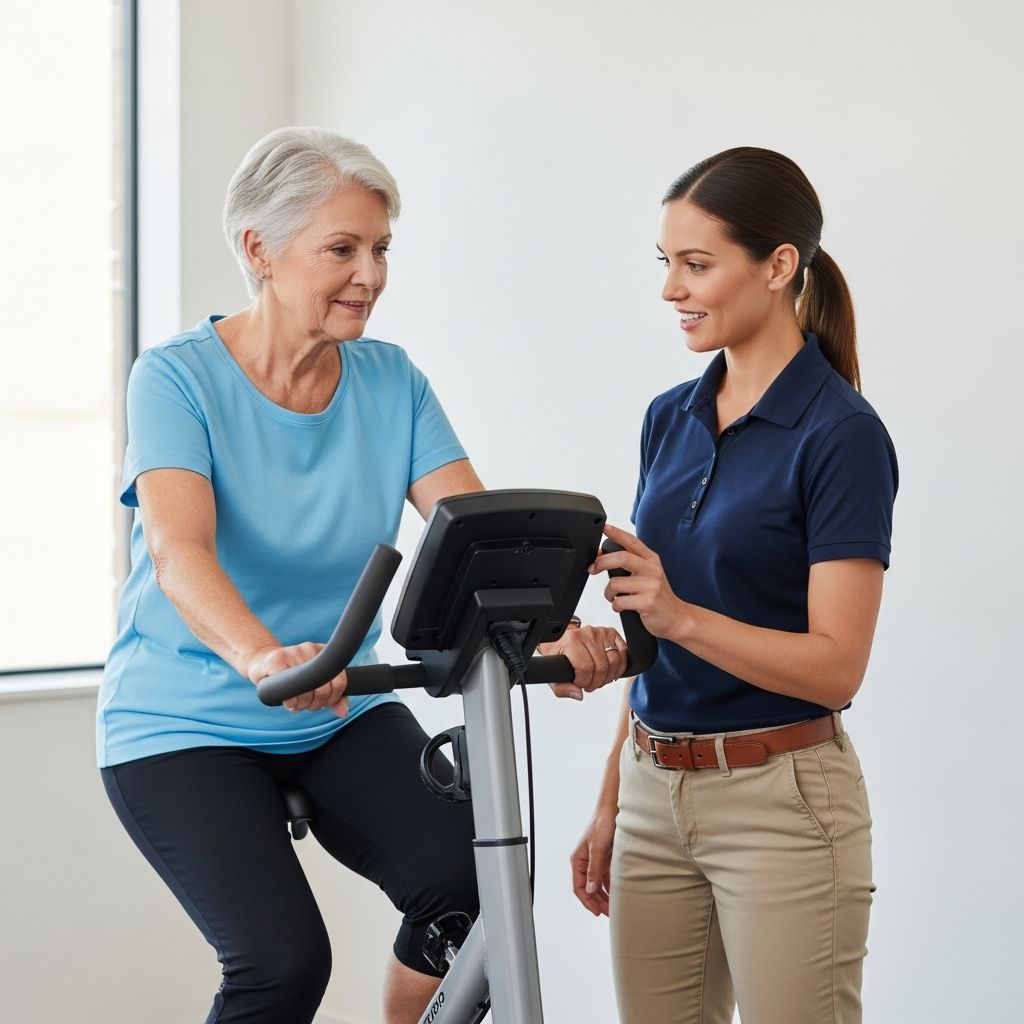
Exercise forms the bedrock, featuring aerobic activities like stationary cycling or treadmill walking, alongside strength training for upper and lower body muscles. Respiratory muscle training, using devices to resist inhalation or exhalation, directly bolsters diaphragmatic power. Sessions commence conservatively, monitored via pulse oximetry and heart rate to avert overexertion, progressively intensifying as tolerance builds.
Educational Workshops for Empowerment
Knowledge equips patients to navigate their condition proactively. Topics span medication adherence, inhaler mastery, nutrition tailored to energy needs, and recognition of exacerbation triggers. Smoking cessation counseling, when relevant, integrates seamlessly, amplifying outcomes.
Related Stories



Breathing and Psychosocial Techniques
Pursed-lip and diaphragmatic breathing retrain patterns for efficient gas exchange, curtailing air trapping. Stress management modules address anxiety and depression, common comorbidities, through mindfulness and cognitive strategies, mitigating the psychological toll of dyspnea.
Nutritional guidance emphasizes balanced intake to combat cachexia in advanced disease, while energy conservation principles teach pacing for sustained activity.
Transformative Benefits Across Physical, Mental, and Practical Domains
Participants routinely report profound shifts, validated by clinical metrics and patient testimonials.
| Benefit Category | Description | Evidence-Based Outcomes |
|---|---|---|
| Physical Endurance | Increased exercise capacity and reduced dyspnea during activities | Improved 6-minute walk distance; better oxygen saturation |
| Daily Functionality | Enhanced ability to perform ADLs independently | Fewer activity limitations; greater tidal volume efficiency |
| Mental Health | Diminished anxiety and depression scores | Boosted mood and quality-of-life measures |
| Healthcare Utilization | Lower hospitalization rates and ER visits | Cost savings; fewer exacerbations |
Physically, programs interrupt the deconditioning spiral, where inactivity weakens muscles further, perpetuating breathlessness. Mentally, mastery over symptoms fosters resilience, curbing isolation. Economically, reduced acute care needs yield systemic savings, with improved productivity benefiting workplaces.
Navigating Enrollment and What to Anticipate
Initiation requires a physician referral, often following pulmonary function tests or hospital discharge. Programs, certified by bodies like the American Association of Cardiovascular and Pulmonary Rehabilitation (AACVPR), convene in outpatient clinics, hospitals, or community centers.
Expect initial assessments gauging baseline fitness, followed by goal-setting with a team comprising pulmonologists, physiotherapists, nurses, dietitians, and psychologists. Home exercise prescriptions bridge sessions, promoting adherence. Virtual options have expanded accessibility post-pandemic.
Completion culminates in evaluations tracking progress, with maintenance strategies like community classes sustaining gains. Challenges such as transportation or motivation are common but surmountable through peer support groups embedded in many programs.
Safeguards and Long-Term Strategies for Sustained Wellness
Safety protocols minimize risks like falls or desaturation, with emergency equipment on-site. Contraindications include unstable angina or severe orthopedic issues, screened upfront.
Post-program, longevity hinges on self-management: continued exercise, routine follow-ups, vaccinations against respiratory infections, and lifestyle vigilance. Research affirms durability, with benefits persisting 12-24 months when reinforced.
Frequently Asked Questions
Is pulmonary rehabilitation suitable for all ages?
Yes, benefits accrue across age groups, from young adults with cystic fibrosis to seniors with COPD, as programs adapt to individual capacities.
How soon do improvements manifest?
Many notice reduced breathlessness within weeks, with peak gains by program end, though consistency yields progressive enhancements.
Does insurance typically cover it?
In many regions, Medicare and private insurers fund certified programs with referral, underscoring its standard-of-care status.
Can it replace medications?
No, it complements pharmacotherapy, amplifying efficacy without substituting core treatments.
What if I live remotely?
Tele-rehabilitation and home-based protocols are viable alternatives, maintaining core benefits.
Real-Life Impacts: Stories of Renewal
Consider cases like post-exacerbation COPD patients resuming gardening or fibrosis sufferers enjoying family outings—testaments to reclaimed vitality. These narratives, echoed in clinical data, highlight pulmonary rehabilitation’s role in restoring agency amid chronic illness.
In summary, this intervention transcends symptom palliation, cultivating resilience for enriched living. Consultation with healthcare providers unlocks this pathway, promising tangible strides in respiratory health.
References
- 7 Benefits of Pulmonary Rehabilitation You Need to Know — Gwinnett Pulmonary. 2023. https://gwinnettlung.com/7-benefits-of-pulmonary-rehabilitation-you-should-know/
- Pulmonary Rehabilitation — American Thoracic Society. 2024-02-15. https://site.thoracic.org/advocacy-patients/patient-resources/pulmonary-rehabilitation
- Pulmonary Rehabilitation — Pulmonary Fibrosis Foundation. 2023. https://www.pulmonaryfibrosis.org/understanding-pff/treatment-options/pulmonary-rehabilitation
- Pulmonary Rehabilitation: Lung Therapy, Procedures & Results — Cleveland Clinic. 2024-01-10. https://my.clevelandclinic.org/health/treatments/pulmonary-rehabilitation
- Who Can Benefit from Pulmonary Rehabilitation? — Westgate Hills Health & Rehabilitation. 2023. https://westgatehillshc.com/who-can-benefit-from-pulmonary-rehab/
- Pulmonary Rehabilitation – AACVPR — American Association of Cardiovascular and Pulmonary Rehabilitation. 2024. https://www.aacvpr.org/Pulmonary-Patient-Resources
- Pulmonary Rehabilitation — National Heart, Lung, and Blood Institute (NHLBI, NIH). 2023-11-01. https://www.nhlbi.nih.gov/health/pulmonary-rehabilitation
Similar Articles








Read full bio of medha deb