Pulpotomy: Procedure, What to Expect, Recovery
Learn about pulpotomy, a vital dental procedure to save decayed baby teeth by removing infected pulp while preserving healthy tissue.
Pulpotomy: Procedure, What to Expect, and Recovery
A
pulpotomy
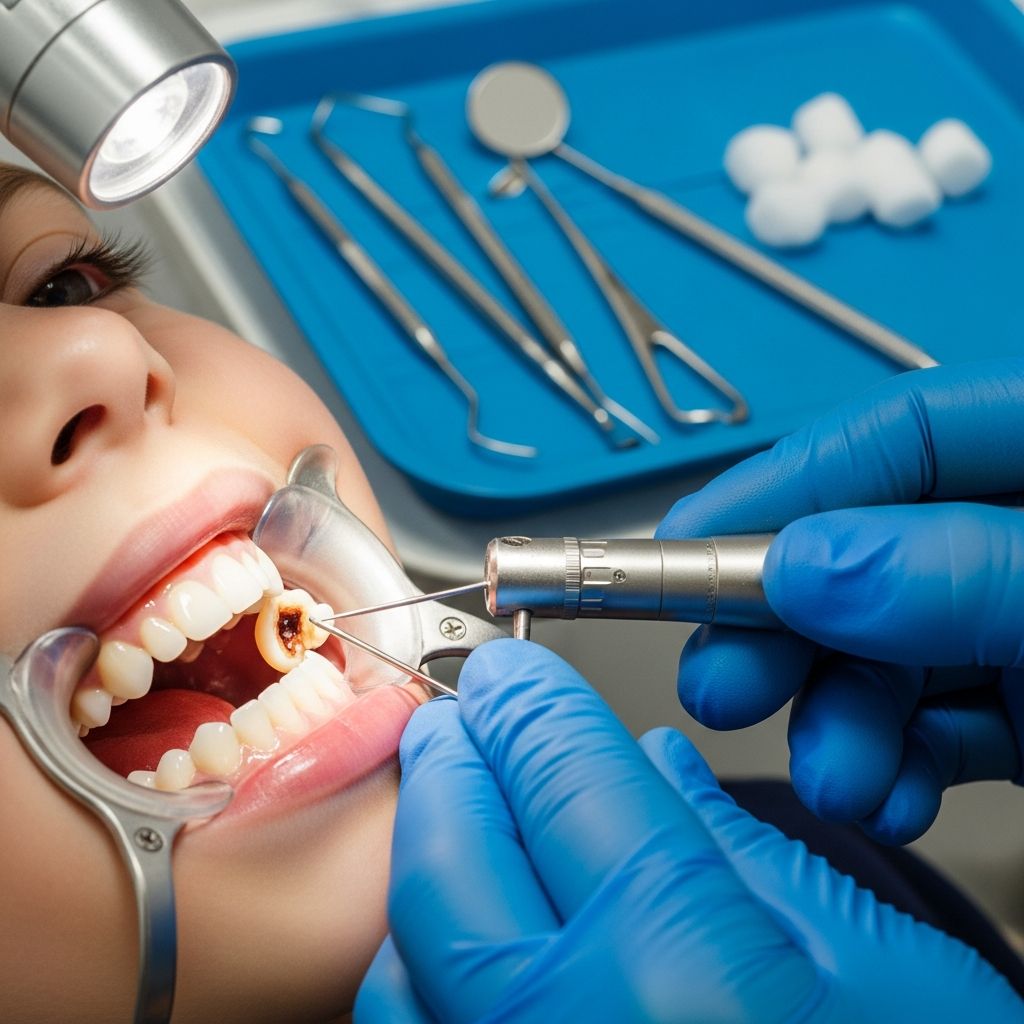
is a dental procedure primarily used to treat severely decayed primary (baby) teeth in children by removing the infected coronal pulp while preserving the healthy radicular pulp. This minimally invasive treatment helps maintain the tooth’s function until natural exfoliation, preventing pain, infection, and premature loss.What Is a Pulpotomy?
A pulpotomy involves the surgical removal of the inflamed or infected pulp tissue within the crown portion of the tooth, leaving the vital pulp in the roots intact. The tooth’s pulp, located at the center, consists of nerves, blood vessels, and connective tissue that provide nourishment. When deep decay exposes the pulp to bacteria, inflammation (pulpitis) occurs, threatening the tooth’s viability.
This procedure is most common in pediatric dentistry for primary molars with carious pulp exposure. It is indicated when the radicular pulp remains healthy, as determined by controlled bleeding after coronal pulp removal. Unlike more extensive treatments, pulpotomy preserves tooth vitality, supports normal function, and reduces treatment time, making it suitable for young patients.
Pulpotomy vs. Pulpectomy
| Aspect | Pulpotomy | Pulpectomy |
|---|---|---|
| Definition | Removes only coronal (crown) pulp, preserves root pulp. | Removes all pulp, including roots (baby root canal). |
| Invasiveness | Minimally invasive, shorter procedure. | More invasive, complex due to root canal anatomy. |
| Success Rates (48 months) | Clinical: 77%, Radiographic: 69.5% (with iRoot BP Plus). | Clinical: 53.1%, Radiographic: 29.1% (with Vitapex). |
| Indications | Carious exposure with vital radicular pulp. | Infection extending to roots or irreversible pulpitis. |
| Materials | Bioceramics like iRoot BP Plus. | Resorbable fillers like Vitapex. |
Pulpotomy offers higher long-term survival rates for primary molars compared to pulpectomy, especially with advanced biomaterials, due to less technical complexity and better preservation of vital tissue. Pulpectomy is reserved for cases where infection reaches the roots, as root canals in primary teeth are prone to reinfection from resorption and complex anatomy.
Who Might Need a Pulpotomy?
- Children with deep cavities exposing pulp in primary teeth, causing pain or swelling.
- Young permanent teeth with traumatic exposure and incomplete root development.
- Teeth with reversible pulpitis where radicular pulp tests vital (bleeding controlled in <5 minutes).
Younger patients and those treated with bioceramic materials like iRoot BP Plus show higher success predictors. It is not suitable for non-vital teeth or those with periapical pathology.
The Pulpotomy Procedure: Step by Step
- Anesthesia and Isolation: Local anesthesia is administered, and a rubber dam isolates the tooth for a sterile field.
- Caries Removal: Decay is drilled away, exposing the pulp chamber roof.
- Coronal Pulp Amputation: Infected coronal pulp is removed to 2 mm above the canal orifices.
- Hemostasis Check: Bleeding is controlled with saline or medicaments within 5 minutes; uncontrolled bleeding indicates pulpectomy.
- Medicament Application: Biocompatible material (e.g., iRoot BP Plus, MTA) is placed over radicular pulp to promote healing and mineralization.
- Sealing and Restoration: Pulp chamber is filled with cement, and a stainless steel crown is cemented for protection.
The procedure typically takes 30-45 minutes under local or general anesthesia for uncooperative children.
What to Expect During Recovery
Post-pulpotomy, mild soreness or sensitivity is common for 1-2 days, managed with over-the-counter pain relievers like ibuprofen. Avoid hard, sticky, or hot foods for 24-48 hours to prevent dislodging the restoration.
- Immediate Aftercare: Rinse gently; maintain oral hygiene without brushing the treated area initially.
- Follow-up: Radiographs at 6, 12, and 24 months monitor for success (no pain, swelling, or pathology).
- Success Indicators: Vital pulp response, normal root development (in immatures), no resorption.
Full recovery occurs within a week, with the crown providing durability until exfoliation.
Are There Any Risks or Side Effects?
While safe, potential complications include:
- Failure (20-30% at 48 months): Recurrent infection, abscess, or resorption requiring extraction.
- Pulp Calcification: Occurs in 92% with bioceramics; not failure unless symptomatic.
- Allergic Reactions: Rare to medicaments.
- Restoration Failure: Crown loss leading to fracture.
Modern materials reduce risks compared to traditional formocresol or calcium hydroxide.
Cost of a Pulpotomy
Costs vary by location and insurance: $150-$300 per tooth without insurance; often covered for children under dental plans. Stainless steel crowns add $200-$400. Pulpotomy is more affordable than pulpectomy or extraction plus space maintainer.
Pulpotomy vs. Root Canal
In primary teeth, pulpotomy suffices for coronal involvement; pulpectomy acts as a “baby root canal” for root infection. For permanent teeth, pulpotomy (partial) may preserve vitality in immatures, but full root canal is standard for adults.
Frequently Asked Questions (FAQs)
Is a pulpotomy painful?
No, anesthesia ensures pain-free procedure; minor post-op discomfort resolves quickly.
How long does a pulpotomy last?
48-month success: 77% clinical, 69.5% radiographic with optimal materials.
Can adults get a pulpotomy?
Rarely; used in young permanent teeth with open apices, otherwise root canal preferred.
What if pulpotomy fails?
Pulpectomy or extraction; early detection via follow-ups prevents complications.
Does pulpotomy cause tooth discoloration?
Minimal with bioceramics; older materials like formocresol risked it.
Long-Term Outcomes and Advances
Recent studies affirm pulpotomy’s superiority for primary molars, with iRoot BP Plus yielding better survival than Vitapex pulpectomy (54 vs. 48 months clinical). AAPD guidelines endorse vital pulp therapies for reversible cases, emphasizing hemostasis and biocompatible sealers. Pulp calcification post-treatment supports dentin bridge formation, aiding longevity.
Intraoperative factors like age <4 years predict success; general anesthesia enables thorough care in deep caries. Ongoing research focuses on regenerative endodontics for permanent teeth.
References
- Survival analysis of pulpotomy versus pulpectomy in primary molars — PMC/NCBI. 2024. https://pmc.ncbi.nlm.nih.gov/articles/PMC11562508/
- Pulpotomy: Procedure, What to Expect, and Recovery — Healthline. 2023-10-10. https://www.healthline.com/health/dental-and-oral-health/pulpotomy
- Pulp Therapy for Primary and Immature Permanent Teeth — American Academy of Pediatric Dentistry (AAPD). 2023. https://www.aapd.org/media/Policies_Guidelines/BP_PulpTherapy.pdf
Similar Articles



Read full bio of Sneha Tete