Pulse Oximeter Guide For Adults: Accurate Use And Normal Ranges
Discover how pulse oximeters empower adults to monitor oxygen levels and heart rate at home for better respiratory health management.
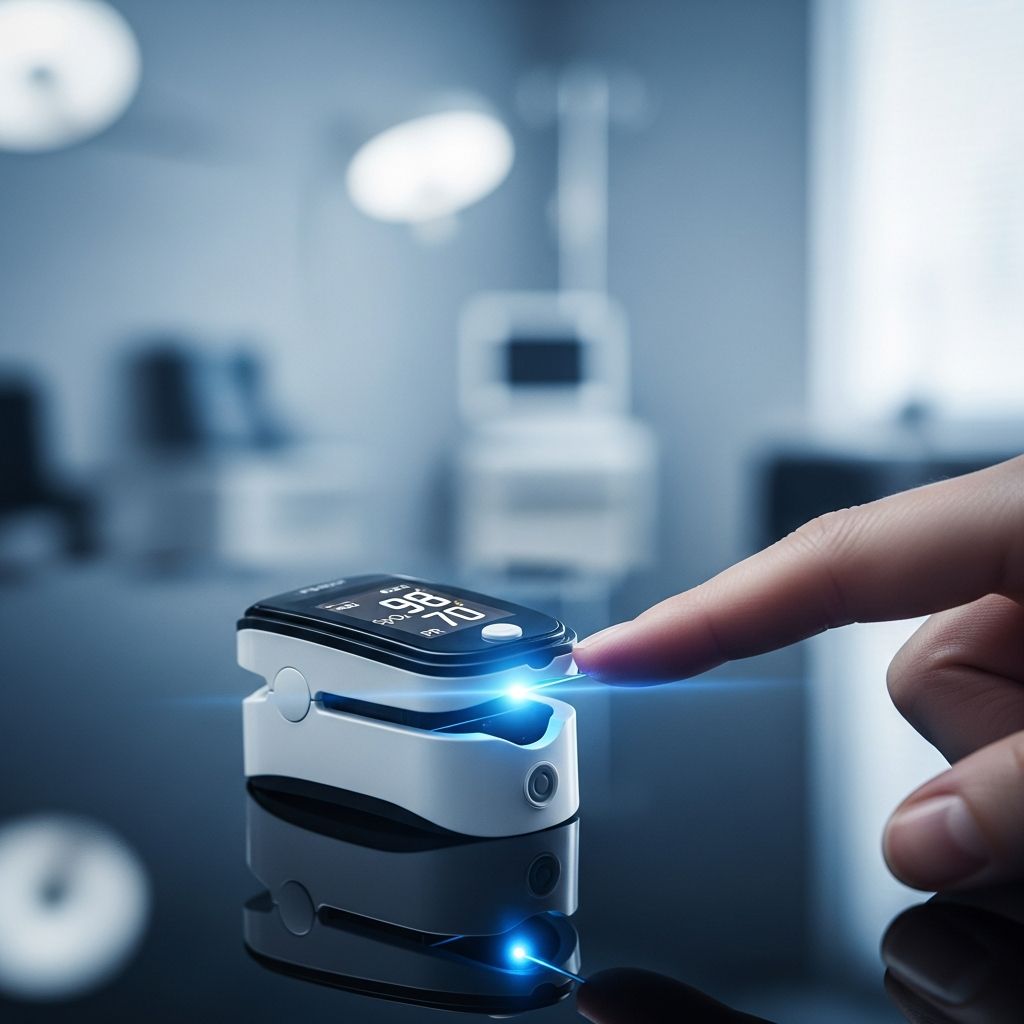
Pulse oximeters provide a simple, non-invasive way for adults to measure blood oxygen saturation (SpO2) and heart rate, offering critical insights into respiratory and cardiovascular health.
Understanding Pulse Oximetry Technology
Pulse oximeters clip onto a finger and use light to estimate oxygen levels in the blood. They emit red and infrared light through the skin, where detectors measure absorption by oxygenated and deoxygenated hemoglobin. This calculates SpO2 as a percentage and pulse rate in beats per minute (bpm).
The technology is painless and delivers results in seconds, making it ideal for home, hospital, or athletic use. Unlike invasive arterial blood gas tests, it avoids needles and provides continuous monitoring capabilities.
Normal Readings and What They Mean
For healthy adults at sea level, normal SpO2 ranges from 95% to 100%. Levels between 91% and 94% may indicate mild hypoxemia, warranting observation, while below 90% signals potential hypoxia requiring immediate attention.
| SpO2 Range | Interpretation | Action |
|---|---|---|
| 95-100% | Normal | Continue routine monitoring |
| 91-94% | Mild low | Rest, recheck; consult if persistent |
| Below 90% | Hypoxia | Seek emergency care |
Pulse rates typically fall between 60-100 bpm at rest for adults. Variations occur with activity, age, or fitness levels.
Step-by-Step Instructions for Accurate Use
To ensure reliable readings:
- Select a fingertip oximeter cleared by regulatory bodies like the FDA.
- Wash hands and ensure nails are short and polish-free.
- Rest for 5 minutes in a seated position.
- Clip the device on the index, middle, or ring finger; avoid thumb or cold fingers.
- Wait 10-30 seconds for a steady reading; remove and repeat if unstable.
- Record time, SpO2, and pulse rate multiple times daily if monitoring a condition.
Avoid motion, bright light, or low perfusion states like cold extremities, which can skew results.
Key Applications in Adult Health Management
Tracking Chronic Respiratory Conditions
Adults with COPD, asthma, or post-COVID effects benefit from daily checks to detect desaturation early, preventing exacerbations. Studies show home oximetry empowers patients, reduces hospital visits, and improves outcomes.
Post-Surgical and Recovery Monitoring
After surgery or anesthesia, oximeters assess recovery by tracking oxygen stability. They are standard in operating rooms per WHO guidelines.
Athletic Performance and Altitude Adjustment
During high-altitude activities or intense exercise, oximeters help optimize effort by revealing oxygen utilization, aiding acclimatization and preventing overexertion.
Sleep Apnea and Nighttime Surveillance
Sleep specialists recommend overnight monitoring for snoring or apnea suspects, identifying drops that inform CPAP therapy needs.
Advantages of Routine Home Monitoring
Regular use offers:
- Early warning of issues like pneumonia or heart failure.
- Feedback on treatments such as oxygen therapy.
- Peace of mind for those with anxiety or comorbidities.
- Data logs for physicians, enhancing decision-making.
Research indicates lower mortality odds with pulse oximetry in certain settings, with adjusted odds ratios as low as 0.5 at 28 days.
Factors Influencing Reading Accuracy
Several elements can affect precision:
- Skin Pigmentation: May underestimate in darker tones.
- Movement or Poor Circulation: Causes artifacts.
- Nail Polish or Tattoos: Blocks light; remove if possible.
- Altitude or Anemia: Alters baseline expectations.
Related Stories



Always cross-reference with symptoms and professional advice.
When to Seek Professional Medical Advice
Contact a doctor if:
- SpO2 drops below 92% repeatedly.
- Symptoms like shortness of breath, chest pain, or confusion accompany readings.
- Readings fluctuate wildly without explanation.
- You’re on medications affecting respiration.
Oximeters screen but do not diagnose; arterial blood tests confirm issues.
Choosing the Right Pulse Oximeter
Look for FDA-cleared devices with:
- Clear digital displays.
- Memory for trends.
- Alarm features for low readings.
- Long battery life and portability.
Avoid unverified apps or cheap imports lacking validation.
Frequently Asked Questions (FAQs)
What is a normal oxygen level for adults?
95-100% at sea level; consult a doctor for personalized baselines.
Can I use a pulse oximeter with nail polish?
Remove polish or use a polish-free finger for accuracy.
Is pulse oximetry reliable for everyone?
Generally yes, but less so in low perfusion, dark skin, or motion.
How often should I check my levels?
2-4 times daily for at-risk adults; as advised by your provider.
Does low SpO2 always mean a problem?
No, consider context like activity or altitude, but persistent lows need evaluation.
Integrating Oximetry into Daily Wellness Routines
Incorporate checks during morning routines, post-exercise, or bedtime. Pair with journaling symptoms, activity, and environment for holistic tracking. Share logs via apps with telehealth providers for remote oversight.
For fitness, monitor during cardio to balance intensity; for chronic care, trend data reveals therapy efficacy, like inhaler response.
Future Directions in Home Oximetry
Advancements include wearable integrations in smartwatches and AI-driven alerts. Regulatory emphasis on accuracy across demographics promises broader utility.
Despite limitations, pulse oximeters democratize health monitoring, fostering proactive care.
References
- Pulse Oximetry – StatPearls — NCBI Bookshelf, NIH. 2023-07-17. https://www.ncbi.nlm.nih.gov/books/NBK470348/
- Pulse oximetry: Uses and benefits — Medical News Today. 2023-11-01. https://www.medicalnewstoday.com/articles/318489
- Pulse Oximetry and Capnography for Home Use — Aetna. 2025-01-15. https://www.aetna.com/cpb/medical/data/300_399/0339.html
- Pulse oximeter – adult — Healthify NZ. 2024-06-01. https://healthify.nz/health-a-z/p/pulse-oximeter-adult
- Pulse Oximetry Fact Sheet — Yale Medicine. 2024-03-12. https://www.yalemedicine.org/conditions/pulse-oximetry
- Pulse Oximeter Basics — FDA. 2025-02-10. https://www.fda.gov/consumers/consumer-updates/pulse-oximeter-basics
Similar Articles








Read full bio of Sneha Tete