Pulse Oximeters For Kids: 5-Step Home Monitoring Guide
Discover how pulse oximeters help monitor oxygen levels in children, aiding early detection of respiratory issues and improving health outcomes.
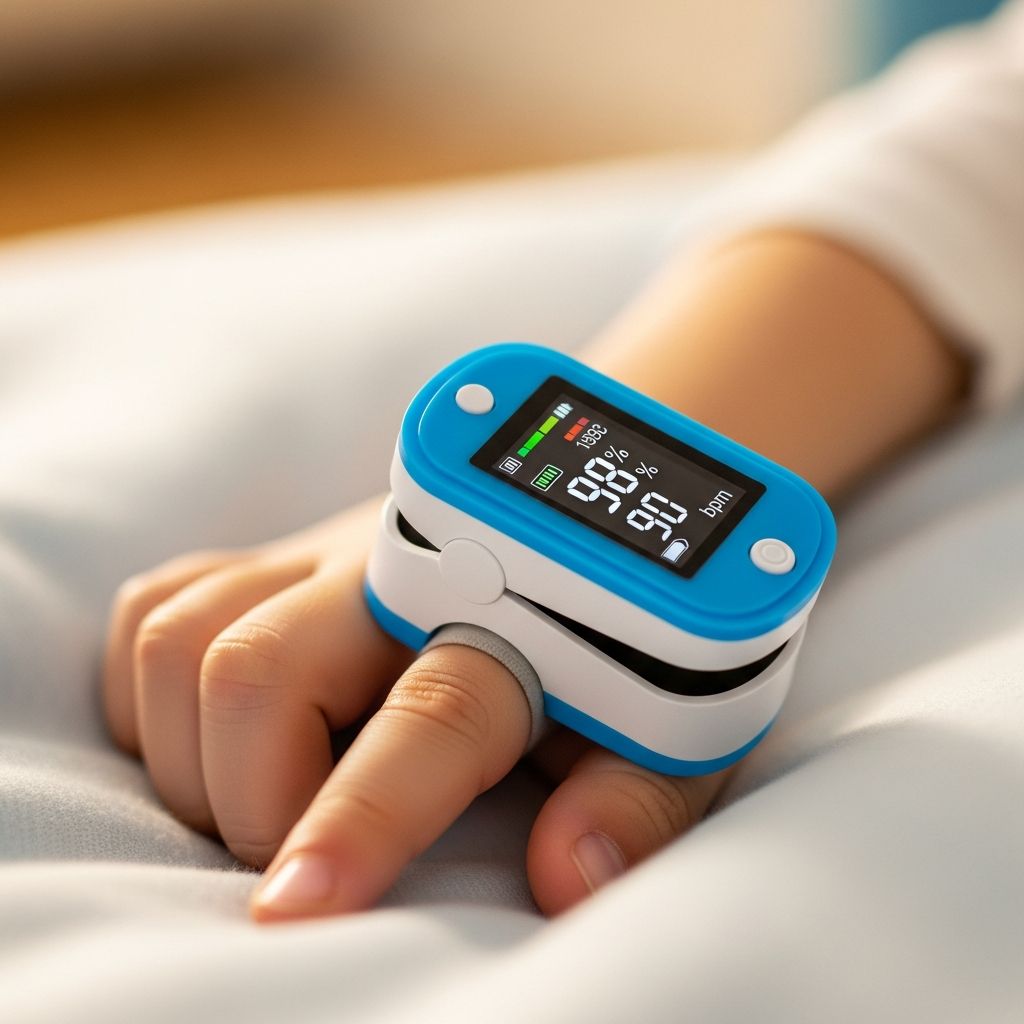
Pulse oximeters provide a quick, non-invasive way to measure blood oxygen saturation and heart rate in children, helping parents and healthcare providers detect potential health issues early.
Understanding Pulse Oximetry in Pediatric Care
Pulse oximetry technology shines light through a child’s skin—usually on a finger, toe, or earlobe—to gauge the ratio of oxygenated to deoxygenated hemoglobin in the blood. This yields a percentage reading known as SpO2, alongside pulse rate, offering vital insights into respiratory and circulatory function. In kids, who may not communicate symptoms clearly, this tool bridges critical gaps in assessment.
For infants and toddlers, maintaining optimal oxygenation supports brain development and organ health. Low levels, termed hypoxemia, can signal problems like pneumonia or asthma flares, while high levels might indicate over-supplementation risks. Devices tailored for pediatrics feature smaller sensors to fit tiny digits securely, ensuring comfort and precision during use.
Why Oxygen Monitoring Matters for Young Children
Children under five face heightened risks from respiratory infections, with pneumonia alone contributing significantly to global child mortality. In resource-limited areas, tools like pulse oximeters enable frontline workers to spot low oxygen early, prompting timely referrals and reducing fatalities.
Even healthy kids can benefit during illnesses such as respiratory syncytial virus (RSV), croup, or severe flu, where sudden drops in SpO2 warrant medical attention. Newborn screening for congenital heart disease (CHD) via pulse oximetry, often on the right hand and foot after 24 hours, detects critical defects before they worsen.
- Early detection prevents complications like brain damage in preemies.
- Supports management of chronic conditions including asthma and cystic fibrosis.
- Empowers home monitoring for peace of mind during recoveries.
Normal Oxygen Levels and Warning Signs in Children
Healthy children typically show SpO2 between 97% and 100%, with levels below 95% signaling concern and under 92% indicating severe hypoxemia requiring urgent care. Heart rates vary by age: newborns average 120-160 beats per minute (bpm), dropping to 70-110 bpm in school-age kids.
| Age Group | Normal SpO2 | Normal Heart Rate (bpm) | Action if Low |
|---|---|---|---|
| Newborns (0-1 month) | 97-100% | 120-160 | Seek emergency care below 95% |
| Infants (1-12 months) | 97-100% | 100-140 | Monitor closely; consult doctor |
| Toddlers (1-3 years) | 97-100% | 90-120 | Medical eval under 94% |
| Children (4+ years) | 97-100% | 70-110 | Urgent if persistent <92% |
Trends matter more than single readings; consistent drops, paired with symptoms like rapid breathing or blue lips, demand action.
Choosing the Right Pulse Oximeter for Your Child
Select FDA-cleared pediatric models with sensors sized for small fingers or toes. Look for features like alarms for low readings, wireless connectivity for data tracking, and motion-tolerant tech to counter wiggly kids. Avoid adult units, as they yield inaccurate results on tiny limbs.
Brands offering wrap-around or foot wraps suit infants better than clip-ons. Battery life, display clarity, and silicone probes for skin safety enhance usability. For home use, opt for devices with user guides emphasizing proper finger warmth and nail polish removal.
Related Stories



Step-by-Step Guide: How to Use a Pulse Oximeter on Children
- Prepare the site: Choose a clean, warm finger or toe. Remove polish, lotions, or jewelry. Rub gently to boost circulation.
- Fit the sensor: Slide or wrap it snugly without pinching. For infants, use forehead or foot options if fingers are too small.
- Power on and wait: Allow 10-30 seconds for stabilization. Ensure the child stays still; distract with toys if needed.
- Record readings: Note SpO2 and pulse. Repeat 2-3 times for averages, discarding motion artifacts.
- Clean and store: Wipe with alcohol, dry thoroughly, and keep in a protective case.
Best times: Awake and calm states, avoiding post-cry or mealtime. Track over days for patterns.
Home vs. Clinical Use: Key Differences
At home, pulse oximeters supplement, not replace, doctor visits—ideal for chronic illness tracking or post-hospital care. Clinics integrate them into protocols like WHO’s IMCI for pneumonia triage, screening thousands efficiently.
Home users log data for pediatrician reviews, while pros pair readings with exams. Challenges like cold extremities or dark skin tones affect both; pros mitigate via training.
Common Challenges and Solutions in Pediatric Monitoring
Movement artifacts plague readings in active kids; motion-resistant models help. Poor perfusion from cold or shock skews data—warm limbs first. Skin pigmentation may lower accuracy; validated devices across tones are preferable.
- Motion: Use during sleep or play distractions.
- Poor fit: Pediatric-specific sizes only.
- Interference: Dim lights, avoid dyes.
Innovations like AI signal processing promise better reliability.
When to Seek Medical Help Based on Readings
Act fast on SpO2 under 92%, irregular pulses, or symptoms: grunting breaths, lethargy, chest retractions. For CHD screening fails (e.g., hand-foot difference >3%), escalate immediately. During outbreaks like flu season, low readings amid fever mean ER. Always call your pediatrician for borderline cases.
Safety Tips and Best Practices for Parents
Follow device manuals strictly. Don’t rely solely on oximeters—watch for holistic signs. Sterilize sensors post-use. For kids 2-12, routine checks during illnesses build confidence. Train multiple caregivers for consistency.
Store away from kids to prevent misuse. Battery checks prevent failures. Consult pros before buying for tailored advice.
Real-World Impact: Stories from the Field
In Niger’s health centers, oximeters screened over 1,800 kids in 2024, catching 35 hypoxemia cases early via community drives and training—slashing mortality risks. U.S. hospitals echo this, using them for CHD detection, averting surgeries. Parents report calmer recoveries at home with reliable monitoring.
Future of Pediatric Pulse Oximetry
Advancing tech includes wearables for continuous tracking, app integrations for alerts, and equitable designs for all skin types. Policy pushes, like WHO endorsements, aim for universal access, especially in low-resource zones.
Frequently Asked Questions (FAQs)
What is a normal oxygen level for a baby?
Around 97-100%; below 95% needs evaluation.
Can I use an adult pulse oximeter on my toddler?
No—get pediatric versions for accuracy.
How accurate are home pulse oximeters?
Generally within 2-4% if used correctly; not diagnostic alone.
Does nail polish affect readings?
Yes, remove it first.
Is pulse oximetry safe for newborns?
Yes, painless and routine for screening.
References
- Pulse Oximeter: The powerful device transforming child healthcare — Save the Children. 2024. https://www.savethechildren.net/stories/pulse-oximeter-powerful-device-transforming-child-healthcare
- The importance of pediatric pulse oximeters in monitoring oxygen levels — Pedistat. 2023. https://www.pedistat.com/blog/the-importance-of-pediatric-pulse-oximeters-in-monitoring-oxygen-levels
- Who Can Benefit From Using a Pulse Oximeter? — CMI Health. 2023. https://www.cmihealth.com/blogs/news/who-can-benefit-from-using-a-pulse-oximeter
- Why an Oximeter Might Be Essential for Your Child’s Health — The Butterfly Pig. 2023. https://thebutterflypig.com/blogs/blog/pediatric-pulse-oximeter
- Using a Pulse Oximeter — Children’s Hospital at Montefiore. 2023. https://www.cham.org/health-library/article?id=acl4222
- Pulse Oximeter Basics — U.S. Food and Drug Administration (FDA). 2023-10-20. https://www.fda.gov/consumers/consumer-updates/pulse-oximeter-basics
- Pulse Oximetry Screening: About Your Child’s Test — Kaiser Permanente. 2023. https://healthy.kaiserpermanente.org/health-wellness/health-encyclopedia/he.pulse-oximetry-screening-about-your-childs-test.aci4686
Similar Articles








Read full bio of Sneha Tete