Pulsed Dye Laser Treatment: Guide To Uses, Risks, Aftercare
Effective laser therapy for vascular skin conditions like rosacea, port-wine stains, and red scars using targeted 595 nm light pulses.
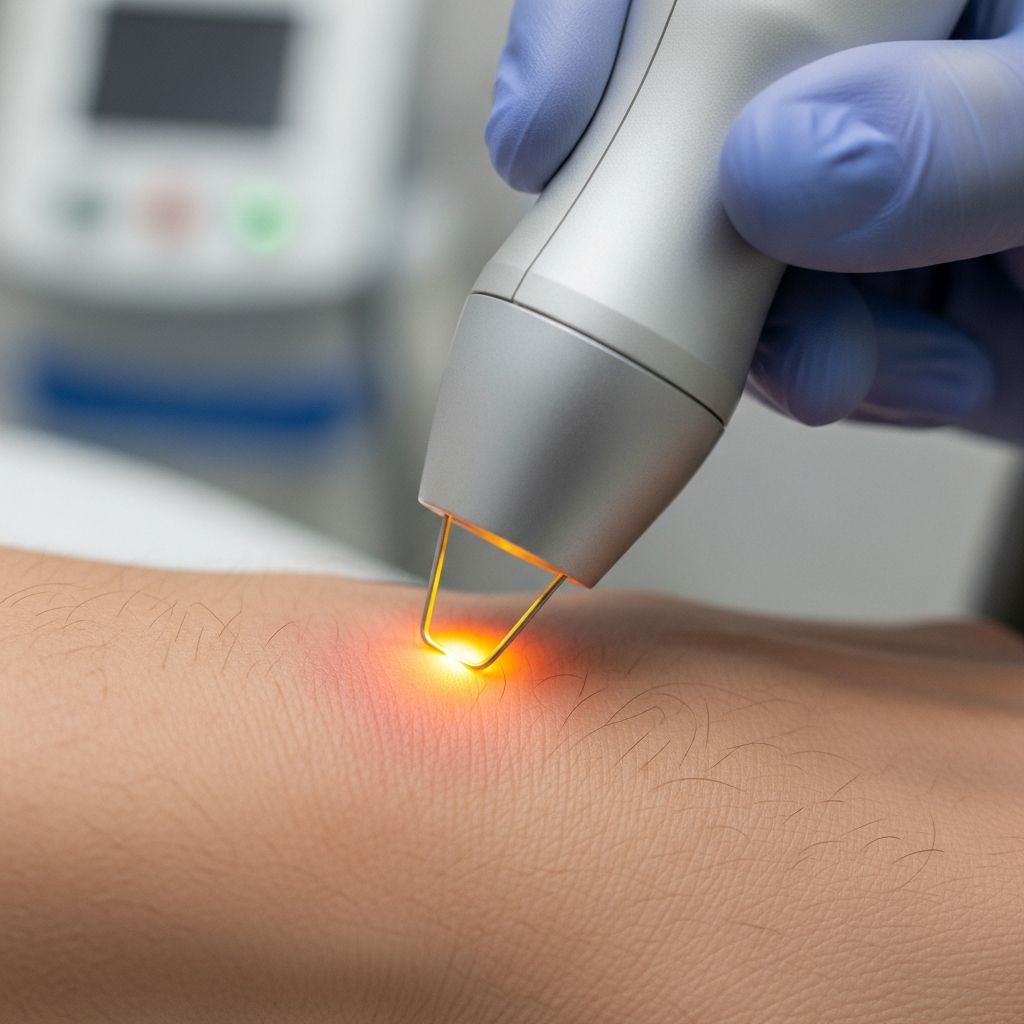
Pulsed dye lasers (PDLs) emit concentrated pulses of yellow light at a wavelength of
585–595 nm
with pulse durations typically ranging from 0.45 to 40 ms, selectively targeting oxyhemoglobin in superficial blood vessels without damaging surrounding skin. This FDA-approved technology, exemplified by devices like Vbeam Perfecta®, is the gold standard for treating vascular skin conditions due to its precision and safety profile.What is pulsed dye laser?
Lasers are classified by the medium that generates the laser beam, such as gas, solid, or liquid dye mediums; PDLs utilize a dye medium to produce visible yellow light specifically absorbed by hemoglobin. The
595 nm wavelength
penetrates the epidermis to coagulate targeted dermal blood vessels via selective photothermolysis, where laser energy heats and collapses abnormal vessels while the integrated dynamic cooling device (DCD) sprays cryogen to protect the skin surface.Common PDL systems include Candela Vbeam Perfecta® and Cynosure VLS, both FDA-cleared for vascular anomalies, with the 595 nm variant preferred for its deeper penetration and reduced purpura compared to 585 nm.
What is the mechanism of action of pulsed dye laser?
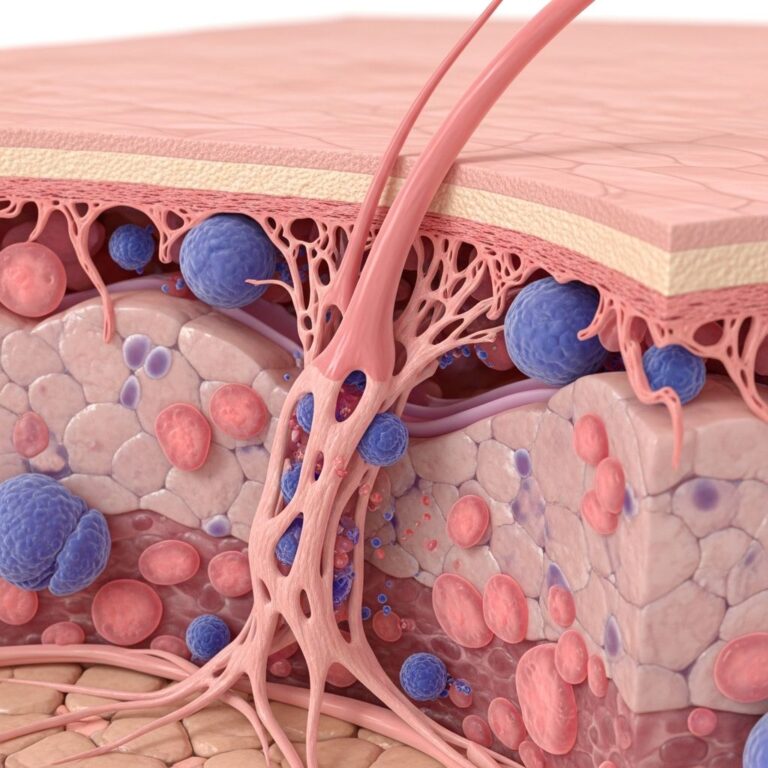
PDL light is absorbed by oxyhemoglobin in red blood cells, converting to heat that causes vessel coagulation and reabsorption by the body, reducing visible redness and lesions. The selective thermolysis principle ensures minimal impact on adjacent tissues: the epidermis remains cooled, while melanin and collagen are spared. For pigmented lesions, lower fluences target melanin selectively.
What skin conditions can pulsed dye laser treat?
PDL effectively addresses a wide range of
vascular and some non-vascular skin disorders
approved by the US FDA:- Infantile haemangiomas (early proliferative phase treatment reduces growth).
- Port-wine stains** (best results in pink, thin lesions; multiple sessions lighten mature purple stains).
- Telangiectasia** (facial spider veins, leg veins up to 1 mm).
- Poikiloderma of Civatte** (neck/chest mottling).
- Haemangioma of adulthood**.
- Rosacea** (erythema, telangiectasia; 70-80% redness reduction after 4 sessions).
- Acne erythema** and scars (post-inflammatory redness).
- Hypertrophic scars/keloids** (reduces erythema and improves texture).
- Striae rubra** (red stretch marks).
- Other**: spider angiomas, venous lakes, pyogenic granulomas, warts.
PDL does not prevent new vessel formation from aging but significantly improves existing concerns.
How is pulsed dye laser treatment performed?
Treatment parameters vary by condition: fluence 5–12 J/cm², pulse duration 1.5–40 ms, spot size 3–12 mm, with 4–20 J/cm² for port-wine stains. Procedure steps include:
- Clinical diagnosis confirmation (critical to rule out melanoma in pigmented lesions).
- Skin cleansing; protective eyewear (opaque goggles) for patient/provider.
- Application of laser handpiece with DCD cooling mist before each pulse.
- Targeted pulses (session 1–15+ min); sensation like rubber band snap, no anesthesia usually needed (topical optional).
- Post-treatment: cool packs, photos taken.
Sessions spaced 4–8 weeks; 3–6 needed for optimal results.
What are pulsed dye laser laser parameters?
| Condition | Wavelength (nm) | Fluence (J/cm²) | Pulse Duration (ms) | Spot Size (mm) |
|---|---|---|---|---|
| Port-wine stains | 595 | 12–20 | 1.5–10 | 7–10 |
| Rosacea/erythema | 595 | 5–10 | 6–40 | 5–12 |
| Telangiectasia | 595 | 6–12 | 0.45–6 | 3–7 |
| Scars/striae | 595 | 7–10 | 10–40 | 10–12 |
Related Stories



Parameters adjusted for skin type, lesion depth; non-purpura settings minimize bruising.
What is the post-treatment care for pulsed dye laser?
Immediate redness/swelling (resolves 1–7 days); bruising possible (ice helps). Care instructions:
- Avoid sun exposure; use broad-spectrum SPF 50+.
- No harsh skincare, saunas, or strenuous exercise 48–72 hours.
- Moisturize gently; cool compresses for comfort.
- Makeup after 24 hours if no open skin.
Little to no downtime; return to activities immediately.
What are the side effects of pulsed dye laser treatment?
Side effects are typically mild and transient:
- Common: Erythema, edema (hours–days); purpura (3–14 days, less with 595 nm).
- Rare: Hyperpigmentation (darker skins), hypopigmentation, crusting, scarring (<1% with experts), white/brown spots.
Contraindications: Active herpes, recent isotretinoin (though recent studies allow), light-induced seizures, tanned skin. Performed by trained dermatologists for safety.
How effective is pulsed dye laser treatment?
High efficacy: 70–80% redness reduction in rosacea after 4 sessions; 75–100% port-wine stain lightening (infants best). Scars improve in texture/color after 3–5 treatments. Results cumulative; maintenance yearly possible.
Frequently asked questions (FAQs) on pulsed dye laser
Who is suitable for pulsed dye laser treatment?
Suitable for most skin types (I–IV ideally; caution V–VI); all ages, including children for birthmarks. Not for active infections, pregnancy (relative), or seizure disorders triggered by flashing lights.
Is pulsed dye laser painful?
Minimal discomfort (rubber band snap); cooling minimizes pain. Topical numbing optional for sensitive areas.
How many pulsed dye laser treatments are needed?
3–6 sessions typical; port-wine stains may need 10+. Rosacea: 4 for 70–80% improvement.
Can pulsed dye laser be used on body areas?
Yes, face, legs, chest, arms; any vascular lesion.
Does pulsed dye laser work on brown spots?
Primarily vascular, but lower settings target superficial pigment.
What is the cost of pulsed dye laser?
Varies by area/size; consult provider (not covered here).
References
- Pulsed Dye Laser Treatment – Boston Dermatologist — Dermatology Institute of Boston. 2023. https://www.dermboston.com/dermatology-services-boston/cosmetic-treatments/lasers/pdl-treatment/
- Pulsed Dye Laser (PDL) to Treat Facial Redness — The Lassi. 2023. https://thelassi.com/services/pulsed-dye-laser/
- Pulsed dye laser treatment – DermNet — DermNet NZ. 2024-01-15. https://dermnetnz.org/topics/pulsed-dye-laser-treatment
- Pulsed Dye Laser (PDL) — Metrolina Dermatology. 2023. https://metrolinadermatology.com/services/pulsed-dye-laser
- Pulsed Dye Laser Treatments — Stanford Health Care. 2023. https://stanfordhealthcare.org/medical-treatments/p/pulsed-dye-laser-treatment.html
- Pulsed Dye Lasers (PDL) — AboutSkin Dermatology. 2023. https://www.aboutskinderm.com/lasers-lights/pulsed-dye-lasers-pdl/
Similar Articles








Read full bio of medha deb