Pumpkin Seed Oil: 9 Research-Backed Benefits And Uses
Discover the science-backed health benefits of pumpkin seed oil, from prostate support to hair growth and heart health.
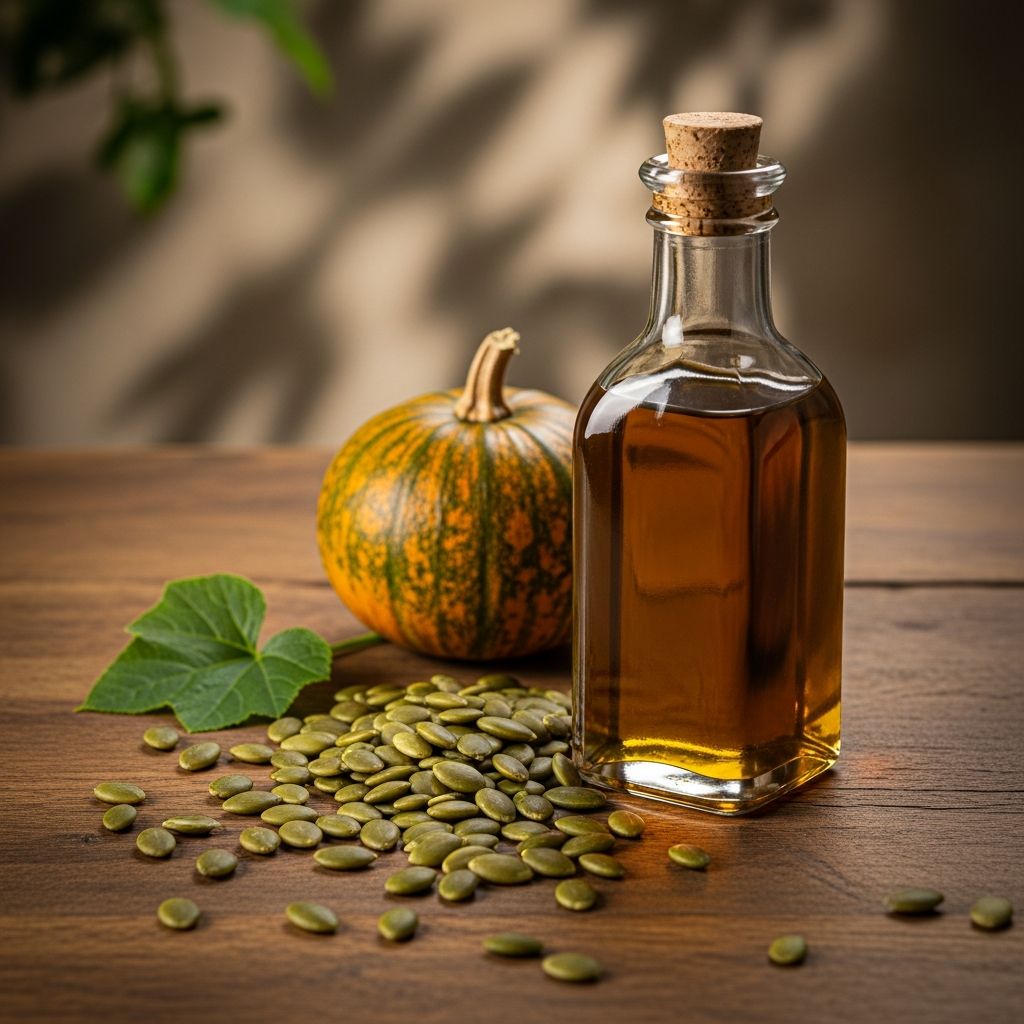
Pumpkin seed oil, extracted from the nutrient-dense seeds of pumpkins (*Cucurbita pepo*), is a dark green oil rich in unsaturated fatty acids, antioxidants, vitamins, and minerals. Traditionally used in folk medicine across cultures in Europe, Asia, and the Americas, it has gained modern attention for potential benefits in prostate health, urinary function, hair growth, cardiovascular support, and menopausal symptoms. With an oil content of about 47% in dry seeds, it provides essential fatty acids like linoleic (33.1%) and oleic (43.8%) acids, alongside phytosterols, tocopherols, and trace elements such as zinc and selenium.
While promising, most evidence comes from preliminary human trials, animal studies, and in vitro research. Clinical data supports its role as a complementary therapy, particularly for benign prostatic hyperplasia (BPH), but larger randomized controlled trials are needed for broader claims. This article examines its composition, evidence-based benefits, usage guidelines, and safety considerations.
What Is Pumpkin Seed Oil?
Pumpkin seed oil is cold-pressed from hulled seeds of pumpkins, resulting in a nutty-flavored, emerald-green liquid due to high chlorophyll content. Unlike refined oils, virgin pumpkin seed oil retains bioactive compounds like carotenoids, lutein, β- and γ-tocopherols, and phytosterols, enhancing its therapeutic potential.
Key nutritional profile per tablespoon (14g):
| Nutrient | Amount | % Daily Value |
|---|---|---|
| Calories | 120 | 6% |
| Total Fat | 14g | 18% |
| Polyunsaturated Fat (linoleic acid) | 5g | – |
| Monounsaturated Fat (oleic acid) | 6g | – |
| Vitamin E (tocopherols) | 2.5mg | 17% |
| Zinc | 1mg | 9% |
These polyunsaturated and monounsaturated fats distinguish it from saturated fat-heavy oils, positioning it as heart-healthy while its antioxidants combat oxidative stress. Genetic diversity in pumpkin varieties influences oil yield and composition, with *Cucurbita pepo* being the most studied for medicinal use.
Pumpkin Seed Oil Benefits
Supports Prostate Health
Benign prostatic hyperplasia (BPH), affecting over 50% of men over 50, causes urinary symptoms like frequent urination and weak stream. A clinical trial involving over 2,000 men with BPH found that 500–1,000mg daily of pumpkin seed oil (*Cucurbita pepo*) for 12 weeks reduced International Prostate Symptom Scores (IPSS) by 41.4%, with 96% reporting no side effects. It improved urinary flow and quality of life, likely due to phytosterols inhibiting 5-alpha-reductase, the enzyme converting testosterone to dihydrotestosterone (DHT), which enlarges the prostate.
Combined with saw palmetto oil, it showed synergistic effects in reducing BPH symptoms in human and animal studies, making it a safe complementary option to pharmaceuticals like alpha-blockers.
Promotes Urinary Tract Health
Pumpkin seed oil may alleviate overactive bladder (OAB) and urinary dysfunction linked to BPH or aging. A 2017 review highlighted its diuretic and anti-inflammatory properties, which relax bladder muscles and reduce urgency. In postmenopausal women, it improved arterial blood flow, potentially easing urinary issues tied to hormonal changes.
Animal studies demonstrate enhanced total antioxidant capacity (TAC) in reproductive tissues, preventing cyclophosphamide-induced urinary and epididymal damage. Human data, though limited, suggests 10g daily softens urinary symptoms without the side effects of anticholinergics.
Related Stories



May Improve Hair Growth
A 2014 randomized trial of 76 men with mild-to-moderate androgenetic alopecia found 400mg daily pumpkin seed oil increased hair count by 40% after 24 weeks, versus 10% in placebo. Attributed to phytosterols blocking DHT and improving scalp circulation.
A 2019 mouse study confirmed topical application promoted follicle growth, positioning it as a natural alternative to minoxidil for male pattern baldness. However, results vary, and long-term human trials are pending.
Supports Heart Health
Rich in unsaturated fats, pumpkin seed oil lowers LDL cholesterol and triglycerides. In a mouse model of non-alcoholic fatty liver disease (NAFLD), replacing saturated fats with pumpkin seed oil reduced dyslipidemia, VLDL-cholesterol, and atherosclerosis progression. Virgin oil outperformed refined versions due to added phytochemicals.
A 2019 study in postmenopausal women showed improved arterial stiffness, hemodynamics, and blood pressure, reducing hypertension risk per American Heart Association guidelines. Its oleic acid protects against lipid peroxidation in vascular tissues.
Eases Menopause Symptoms
Ovary-removed rats supplemented with pumpkin seed oil exhibited reduced weight gain, oxidative stress, inflammation, osteoporosis, and heart disease markers. Fatty acids regulate hormones and immunity, potentially mitigating hot flashes, mood swings, and bone loss.
Antioxidant tocopherols and zinc support estrogen balance, but human studies are preliminary.
Other Potential Benefits
- Antioxidant and Anti-Inflammatory: Neutralizes free radicals, preventing arteriosclerosis and supporting fertility by enhancing sperm quality and TAC.
- Anti-Hyperglycemic: Tocopherol fractions lower blood sugar via multi-target signaling in diabetes models.
- Mental Health: Preliminary evidence suggests antidepressant effects from antioxidants.
- Skin Health: Topical use hydrates and protects against UV damage.
How to Use Pumpkin Seed Oil
Dosage: 1,000–2,000mg daily (capsules) or 1–2 tsp liquid for general health; 400–500mg for hair/prostate. Divide doses with meals to enhance absorption.
Forms:
- Liquid: Drizzle on salads (not for high-heat cooking due to smoke point).
- Capsules: Convenient, standardized doses.
- Topical: Dilute for hair/scalp massage.
Start low to assess tolerance. Consult a doctor for therapeutic use, especially with medications.
Side Effects and Precautions
Generally safe; rare mild GI upset or allergic reactions in seed-sensitive individuals. A 2020 review deems it clinically safe up to 3g/day, but long-term data is limited. Avoid if pregnant/breastfeeding without medical advice. May interact with blood thinners or diabetes meds due to lipid/glucose effects.
Pumpkin Seed Oil vs. Saw Palmetto
| Aspect | Pumpkin Seed Oil | Saw Palmetto |
|---|---|---|
| Primary Use | BPH, urinary, hair | BPH, hormone balance |
| Mechanism | 5-AR inhibition, antioxidants | DHT blocker |
| Evidence Strength | Moderate (human trials) | Moderate-mixed |
| Side Effects | Minimal | GI, headache |
Combination yields better BPH relief.
Frequently Asked Questions (FAQs)
Is pumpkin seed oil good for hair growth?
Yes, a 2014 study showed 40% increased hair count in men with alopecia after 24 weeks at 400mg/day, likely via DHT inhibition.
Does pumpkin seed oil help prostate problems?
Yes, trials report 41% IPSS reduction in BPH patients at 500–1,000mg/day with few side effects.
Can women take pumpkin seed oil?
Yes, for menopause, urinary health, and heart support; animal studies show anti-aging benefits.
How much pumpkin seed oil per day?
1,000–2,000mg; consult a healthcare provider for personalized dosing.
Is pumpkin seed oil safe long-term?
Limited data suggests safety up to 12 weeks; more research needed.
References
- Pumpkin Seed Oil: An Alternative Medicine — Gosslau P, et al. PMC. 2021-11-26. https://pmc.ncbi.nlm.nih.gov/articles/PMC8681145/
- Pumpkin Seed Oil: Everything You Should Know — Healthline. 2024-09-27. https://www.healthline.com/health/pumpkin-seed-oil
- Effects of pumpkin seed oil supplementation on arterial hemodynamics — Wong A, et al. Complementary Therapies in Medicine. 2019-10. https://pubmed.ncbi.nlm.nih.gov/31445363/
- Pumpkin seed oil for benign prostatic hyperplasia — PMC Clinical Trial Summary. 2021. https://pmc.ncbi.nlm.nih.gov/articles/PMC8681145/
- Antioxidant effects in menopause models — Animal Study Review. Healthline. 2024. https://www.healthline.com/health/pumpkin-seed-oil
Similar Articles








Read full bio of medha deb