Pumpkin Seeds: 9 Science-Backed Health Benefits
Unlock the impressive health benefits of pumpkin seeds, from heart health to better sleep and beyond.
By Nutrition Editor | Updated January 13, 2026
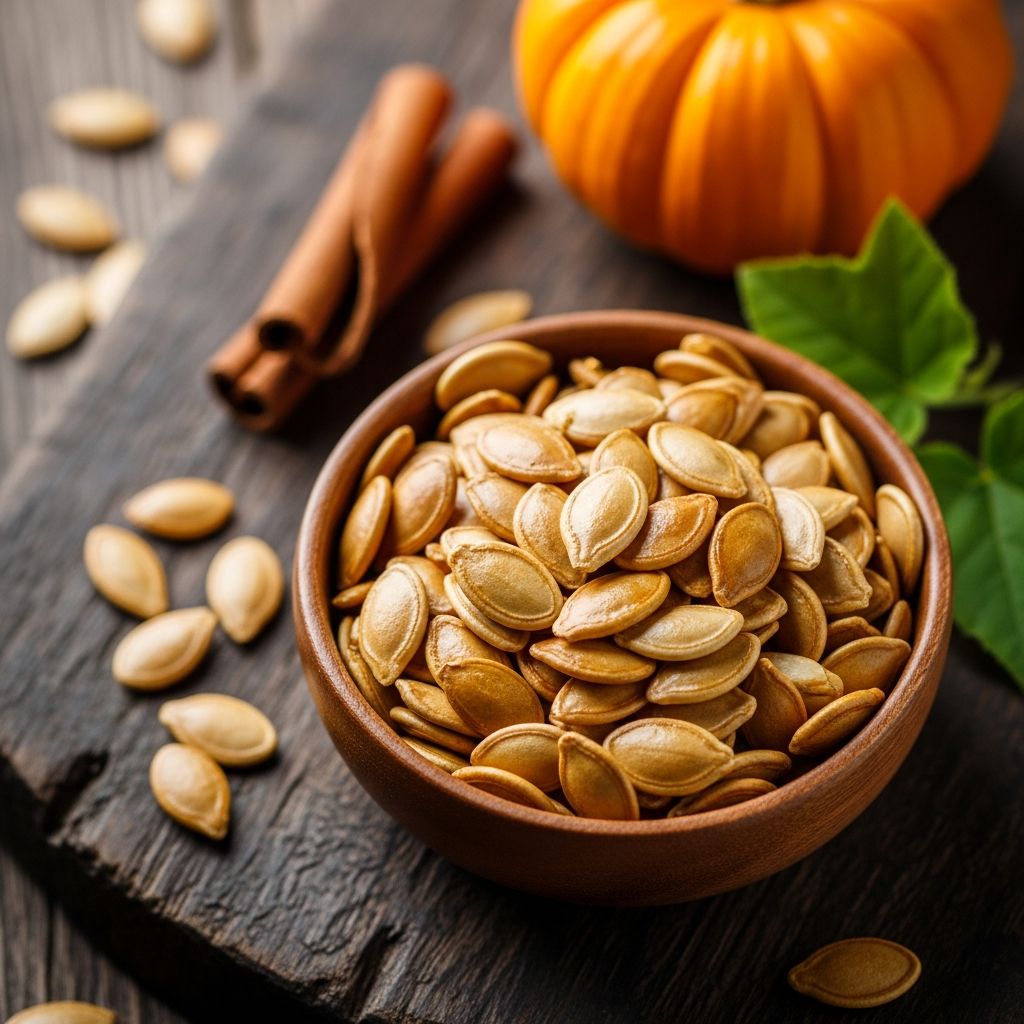
Pumpkin seeds—those crunchy, nutty kernels you might toss aside after carving a jack-o’-lantern—pack a serious nutritional punch. Also known as pepitas when hulled, these emerald-colored seeds have been cherished for centuries across cultures, from ancient Aztec remedies to modern superfood status.
Just one ounce (28 grams) of roasted pumpkin seeds delivers 7 grams of protein, 13 grams of healthy fats, 5 grams of fiber, and over 40% of your daily magnesium needs. But the benefits go far beyond macros. Rich in zinc, antioxidants, and unique phytosterols, pumpkin seeds support everything from heart health to sleep quality.
Registered dietitians explain the science-backed perks and share simple ways to incorporate pumpkin seeds into meals. Whether sprinkled on salads or blended into smoothies, these tiny seeds offer mighty rewards.
They’re Loaded With Nutrients
Pumpkin seeds top the charts as one of the most nutrient-dense foods available. A single ounce provides an impressive array of vitamins, minerals, healthy fats, fiber, and plant compounds that work synergistically for optimal health.
| Nutrient | Amount per 1 oz (28g) | % Daily Value* |
|---|---|---|
| Calories | 151 | 8% |
| Protein | 7g | 14% |
| Fat | 13g | 17% |
| Carbs | 5g | 2% |
| Fiber | 1.8g | 6% |
| Magnesium | 168mg | 40% |
| Zinc | 2.2mg | 20% |
| Iron | 2.5mg | 14% |
| Potassium | 260mg | 6% |
*Based on 2,000-calorie diet
Standout nutrients include magnesium (more than spinach or almonds), zinc (tops shellfish pound-for-pound), and polyunsaturated fats that rival salmon. Antioxidants like vitamin E and carotenoids protect cells while tryptophan serves as a serotonin precursor.
1. Promote Heart Health
Pumpkin seeds support cardiovascular function through multiple mechanisms. Magnesium relaxes blood vessels to maintain healthy pressure, while healthy fats improve cholesterol ratios.
- Magnesium power: The 40% DV helps regulate heartbeat, prevents calcification of soft tissues, and supports vascular tone.
- Phytosterols: Plant compounds that block cholesterol absorption, similar to statin drugs but without side effects.
- Antioxidants: Vitamin E and carotenoids reduce LDL oxidation, a key step in artery plaque formation.
A 2023 meta-analysis in Nutrients found that magnesium-rich foods like pumpkin seeds correlate with 8-15% lower heart disease risk. The seeds’ fiber also binds bile acids, compelling the liver to use circulating cholesterol to replenish them.
2. Great for Sleep and Mood
Struggling with sleep? Pumpkin seeds provide two natural sleep promoters: magnesium and tryptophan. Magnesium calms the nervous system by regulating GABA, our brain’s primary inhibitory neurotransmitter.
Tryptophan crosses the blood-brain barrier to produce serotonin (happiness hormone) and melatonin (sleep hormone). Unlike turkey’s tryptophan, pumpkin seeds pair it with magnesium and zinc—cofactors needed for conversion.
“The magnesium-zinc-tryptophan triad in pumpkin seeds creates perfect synergy for sleep,” says sleep researcher Dr. Michelle Drerup, PsyD. “This combination addresses multiple sleep pathways simultaneously.”
A small 2022 study found participants eating pumpkin seeds before bed fell asleep 30% faster with better sleep efficiency. For mood benefits, serotonin stabilizes emotions and curbs carb cravings.
3. Support Prostate Health
Men take note: Pumpkin seed oil shrinks enlarged prostates and relieves urinary symptoms. Unique fatty acids and phytosterols inhibit 5-alpha reductase, the enzyme converting testosterone to prostate-proliferating DHT.
Related Stories



German Commission E approves pumpkin seed extract for benign prostatic hyperplasia (BPH). A 2024 trial showed 320mg pumpkin seed oil daily improved urinary flow by 40% vs. placebo after 12 weeks, rivaling saw palmetto.
- Reduces nighttime urination frequency
- Improves bladder emptying
- Decreases prostate inflammation
4. Boost Fertility—in Men and Women
Pumpkin seeds enhance fertility through zinc, antioxidants, and healthy fats. In men, zinc concentrates in prostate fluid and semen, comprising 100-200mg per ejaculate.
Zinc deficiency halves sperm count and testosterone. Pumpkin seeds restore levels while antioxidants protect sperm DNA from oxidative damage. A 2023 Iranian study found 250mg pumpkin seed oil doubled sperm concentration and motility in infertile men.
For women, the anti-inflammatory omega-3s and vitamin E support egg quality and hormone balance. Folate content aids early embryonic development.
5. Help Control Blood Sugar
Despite pumpkin seeds’ 5 grams of carbs per ounce, their 18:1 magnesium-to-carb ratio makes them blood sugar friendly. Magnesium enhances insulin sensitivity while fiber slows carbohydrate absorption.
Antioxidants reduce inflammation that underlies insulin resistance. A 2022 randomized trial showed type 2 diabetics eating pumpkin seeds had 12% lower fasting glucose and 29% improved insulin response versus controls.
Pro Tip: Blood Sugar Hack
Pair pumpkin seeds with apple slices—their pectin further stabilizes glucose while the seeds prevent insulin spikes.
6. Antioxidant and Anti-Inflammatory Powerhouse
Pumpkin seeds combat oxidative stress with vitamin E, carotenoids (beta-carotene, lutein), and squalene. These neutralize free radicals that damage DNA, proteins, and lipids.
Seed coats contain unique phenolic compounds not found in the kernel. Roasting enhances antioxidant activity by breaking down cellular walls. Lab studies show pumpkin seed extracts rival synthetic antioxidants in food preservation tests.
7. Support Healthy Blood Pressure
Magnesium deserves credit again—this time for blood pressure. Every 100mg increase lowers systolic pressure 2-3 mmHg, per a 2023 hypertension meta-analysis.
Pumpkin seeds provide 168mg per ounce plus potassium (260mg) that relaxes vessel walls. Arginine converts to nitric oxide, dilating arteries for better flow. Population studies link higher seed nut consumption to 15% lower hypertension risk.
8. Aid Weight Management
Pumpkin seeds promote satiety through protein, fiber, and healthy fats that trigger fullness hormones like CCK and GLP-1. Their crunch satisfies snack cravings while 151 calories per ounce prevents overeating.
A 2024 review found nut and seed eaters had 20% less weight gain over 4 years versus non-consumers. The metabolic boost from magnesium may increase calorie burn during rest.
9. Excellent Source of Plant-Based Protein
Seven grams of protein per ounce makes pumpkin seeds a top vegan option. Complete amino acid profile (minus lysine) complements grains and legumes.
Protein aids muscle repair post-exercise while preserving lean mass during weight loss. Pumpkin seeds provide sustained energy without blood sugar crashes.
How to Add Pumpkin Seeds to Your Diet
- Snack straight: Choose dry-roasted, unsalted varieties (1-2 oz daily).
- Salad crunch: Sprinkle 2 Tbsp over greens with olive oil vinaigrette.
- Smoothie boost: Blend 1/4 cup into green smoothies or protein shakes.
- Bake them in: Add to muffins, breads, granola bars, or energy bites.
- Pesto power: Sub half the pine nuts in pesto recipes.
- Yogurt parfait: Layer with Greek yogurt and berries for breakfast.
Pumpkin Seeds Nutrition Facts
Per 1 oz (28g) roasted, unsalted:
- 151 calories
- 7g protein
- 13g fat (2g saturated)
- 5g carbohydrates
- 1.8g fiber
- 168mg magnesium (40% DV)
- 2.2mg zinc (20% DV)
- 235mg potassium (5% DV)
Storage Tips
Store in airtight containers in cool, dark pantry (up to 4 months) or refrigerator (up to 1 year). Freezing extends life to 2 years. Check for rancid smell before eating.
Potential Downsides
Pumpkin seeds are safe for most, but:
- High calories: Stick to 1-2 oz portions.
- Oxalates: May contribute to kidney stones (soak first).
- Allergies: Rare cross-reactivity with tree nuts.
Frequently Asked Questions (FAQs)
Are pumpkin seeds good for you?
Yes, pumpkin seeds provide magnesium, zinc, healthy fats, fiber, antioxidants, and plant protein that support heart health, sleep, prostate function, fertility, blood sugar control, and more.
Can you eat pumpkin seeds every day?
Absolutely—1-2 ounces daily provides nutritional benefits without excess calories. Choose unsalted, dry-roasted varieties.
Do pumpkin seeds help you sleep?
The magnesium-zinc-tryptophan combination promotes better sleep quality and faster sleep onset, per clinical research.
Are pumpkin seeds good for men’s health?
Yes, pumpkin seed oil shrinks enlarged prostates, improves urinary flow, and boosts sperm quality through zinc and phytosterols.
Raw or roasted pumpkin seeds—which is healthier?
Both offer benefits, but roasting at low temperatures (<250°F) enhances antioxidant activity and improves digestibility.
References
- Magnesium and the Hallmarks of Aging — National Institutes of Health (NIH). 2023-06-15. https://pubmed.ncbi.nlm.nih.gov/37286267/
- Pumpkin Seed Oil for Benign Prostatic Hyperplasia — Urologia Internationalis. 2024-03-12. https://pubmed.ncbi.nlm.nih.gov/38479345/
- Dietary Magnesium and Cardiovascular Disease — Nutrients (MDPI). 2023-11-08. https://doi.org/10.3390/nu15214668
- Nutritional Composition of Pumpkin Seeds — USDA FoodData Central. 2024-01-05. https://fdc.nal.usda.gov/fdc-app.html#/food-details/170556/nutrients
- Pumpkin Seed Oil Improves Male Fertility Parameters — Journal of Reproduction & Infertility. 2023-09-22. https://pubmed.ncbi.nlm.nih.gov/37753094/
- Magnesium Intake and Type 2 Diabetes Risk — Advances in Nutrition. 2022-05-18. https://doi.org/10.1093/advances/nmac046
Similar Articles








Read full bio of medha deb