Pumpkin Seeds Protein: 7 Benefits, Nutrition And How To Use
Discover the impressive protein content of pumpkin seeds and how they boost muscle health, heart function, and overall wellness daily.
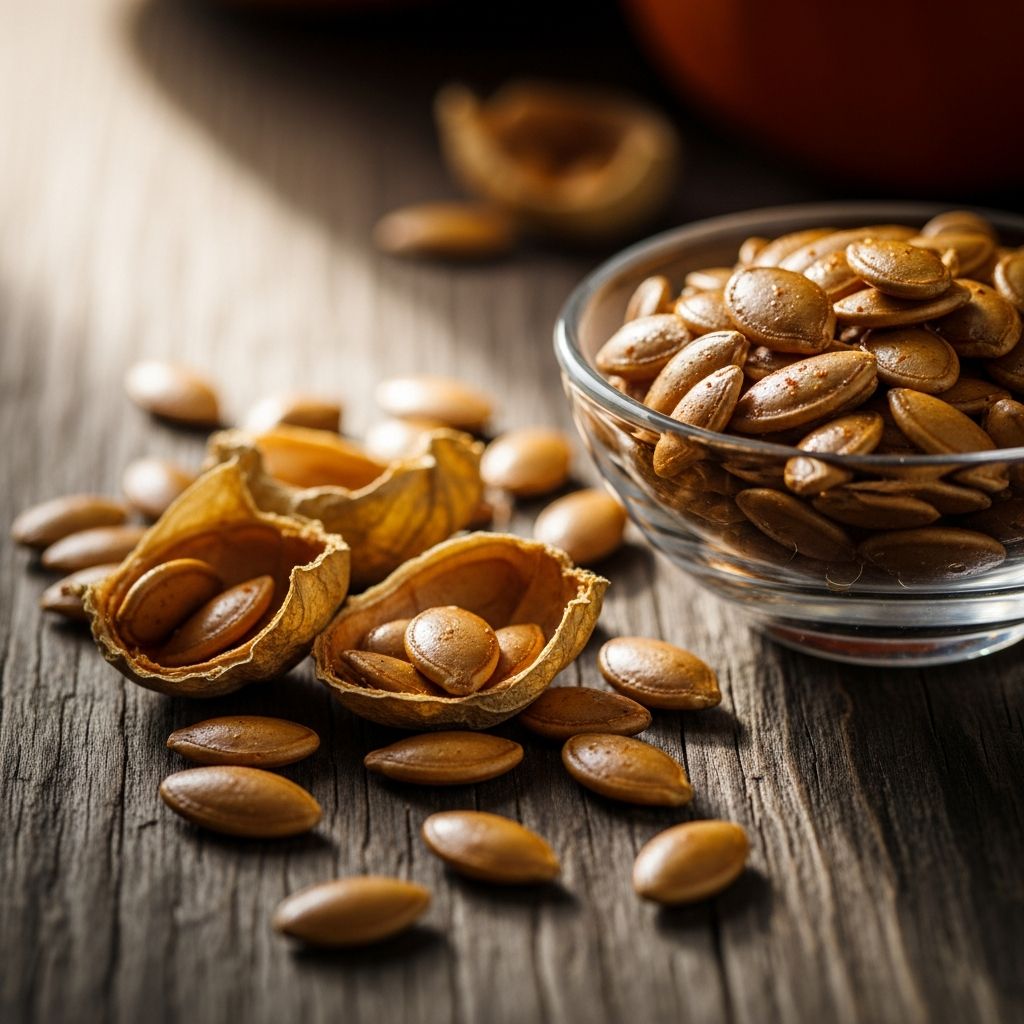
Pumpkin seeds, also known as pepitas, provide about
12 grams of protein per uncooked ounce
, making them one of the top plant-based protein sources for vegetarians and vegans alike. These nutrient-dense seeds support muscle repair, heart health, and hormone balance thanks to their complete amino acid profile and key minerals like magnesium and zinc.What Are Pumpkin Seeds?
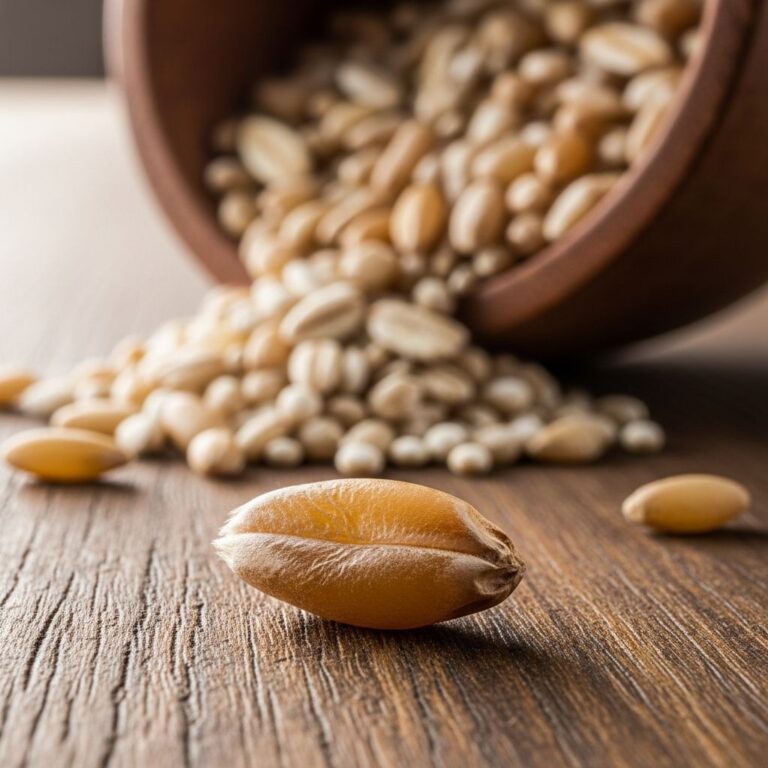
Pumpkin seeds come from the Cucurbita pepo plant and its varieties like C. maxima and C. moschata, harvested from inside pumpkins after carving or cooking. Shelled seeds, called pepitas, have a green hue and nutty flavor, while unshelled ones are creamy white. Their nutrient composition varies by species, origin, and cultivation, but they consistently rank high in proteins, lipids, and antioxidants. Pumpkin seeds were once seen as waste but are now valued for bioactive compounds like phytoestrogens, lignans, and 2S albumins with nutraceutical potential.
Pumpkin Seeds Nutrition Facts
One ounce (28g) of raw pumpkin seeds delivers a powerhouse of nutrients beyond protein. They are low-calorie yet rich in healthy fats, fiber, and minerals essential for daily health.
| Nutrient | Amount per 1 oz (28g) | % Daily Value* |
|---|---|---|
| **Protein** | 12g | 24% |
| Calories | 151 | – |
| Total Fat | 13g | 17% |
| Carbohydrates | 5g | 2% |
| Dietary Fiber | 1.1g | 4% |
| Magnesium | 168mg | 40% |
| Zinc | 2.2mg | 20% |
| Iron | 2.5mg | 14% |
| Potassium | 260mg | 6% |
| Phosphorus | 492mg | 39% |
*Based on a 2,000-calorie diet. Pumpkin seeds shine in magnesium (40% DV), crucial for over 300 enzymatic reactions, and phosphorus for bone health. They contain antioxidants like carotenoids and tocopherols, plus selenium and potassium.
Protein in Pumpkin Seeds
Pumpkin seeds offer
high-quality plant protein
with all essential amino acids, rare for seeds. Key proteins include 2S albumins, which provide about 30-50% of total seed protein and exhibit bioactivity. Arginine (2.6%) supports nitric oxide production for blood pressure regulation. Unlike incomplete proteins in many plants, pumpkin seeds rival animal sources for muscle synthesis, ideal for athletes.- Complete amino acid profile supports muscle repair and growth.
- Rich in branched-chain amino acids (BCAAs) for post-workout recovery.
- Low in carbs, high in satiating protein and fats for weight management.
Health Benefits of Pumpkin Seeds Protein
The protein in pumpkin seeds, combined with minerals and phytochemicals, delivers multiple evidence-based benefits. Studies highlight their role in liver protection, cholesterol management, and anti-cancer effects.
1. Supports Muscle Growth and Repair
With 12g protein per ounce, pumpkin seeds fuel muscle protein synthesis. Their leucine content triggers muscle-building pathways similar to whey. A study on rats showed pumpkin seed protein isolates enhance antioxidant activity and reduce muscle damage markers.
2. Promotes Heart Health
Pumpkin seed proteins and arginine lower LDL cholesterol and raise HDL in hypercholesterolemic models. They improve lipid profiles dose-dependently and support kidney function by reducing atherogenicity. Magnesium aids blood pressure control via nitric oxide.
3. Aids Liver Protection
Protein isolates from pumpkin seeds lower elevated liver enzymes (ALT, AST, ALP) in carbon tetrachloride-induced injury models. They boost antioxidants, protecting against malnutrition-related dysregulation.
Related Stories



4. Boosts Immune Function
Zinc (20% DV) and selenium in seeds enhance immune cell production. Proteins like 2S albumins show antifungal properties against pathogens like Fusarium oxysporum.
5. Supports Prostate and Hormone Health
Phytoestrogens (lignans, isoflavones) bind estrogen receptors, potentially reducing prostate cancer risk. Zinc supports testosterone production.
6. Improves Sleep and Mood
Tryptophan in the protein converts to serotonin and melatonin, promoting better sleep. Magnesium calms the nervous system.
7. Anti-Cancer Potential
2S albumins inhibit breast cancer cell growth. Phytoestrogens modulate estradiol production in MCF7 cells.
Are Pumpkin Seeds a Complete Protein?
Yes, pumpkin seeds provide all nine essential amino acids in adequate ratios, making them a complete protein source. While methionine is lower, pairing with grains balances it perfectly for vegans.
How Many Pumpkin Seeds Should You Eat Per Day?
Aim for 1-2 ounces (28-56g) daily to gain 12-24g protein without excess calories (150-300). This meets 25-50% of average needs while providing fiber and minerals. Start slow to avoid digestive upset from high fat.
Pumpkin Seeds Protein Powder
Pumpkin seed protein powder offers 20-25g protein per scoop, low-carb and allergen-free. It’s versatile for smoothies, baking, or shakes, retaining antioxidants during processing.
Risks and Side Effects
Pumpkin seeds are safe daily with no known toxicity. High intake may cause bloating; those with seed allergies should avoid. Raw seeds contain cucurbitacin—roast to neutralize.
Delicious Ways to Add Pumpkin Seeds to Your Diet
- Snack raw or roasted: Toss with olive oil and sea salt.
- Salad topper: Sprinkle on greens for crunch and protein.
- Trail mix: Mix with nuts and dried fruit.
- Baking: Add to muffins, granola bars, or bread dough.
- Smoothies: Blend into protein shakes.
- Pesto: Puree with basil, garlic, and parmesan.
Pumpkin Seeds vs. Other Seeds: Protein Comparison
| Seed Type | Protein (per oz) | Key Benefit |
|---|---|---|
| Pumpkin | 12g | Complete protein, high magnesium |
| Chia | 5g | Omega-3s, fiber |
| Flax | 5g | Lignans, ALA |
| Sunflower | 6g | Vitamin E |
| Hemp | 10g | Omega-3/6 balance |
Pumpkin seeds lead in protein density and mineral content.
Frequently Asked Questions (FAQs)
Do pumpkin seeds have a lot of protein?
Yes, 1 ounce provides 12g—more than half the protein in an egg.
Are pumpkin seeds a complete protein?
Yes, they contain all essential amino acids.
Can pumpkin seeds help build muscle?
Absolutely, their BCAAs and leucine support growth like animal proteins.
Is it safe to eat pumpkin seeds every day?
Yes, 1-2 ounces daily boosts nutrition without risks for most.
Raw or roasted pumpkin seeds—which is healthier?
Raw retains more antioxidants; roasted enhances flavor and digestibility.
References
- Nutritional Value, Phytochemical Potential, and Therapeutic Benefits of Pumpkin (Cucurbita sp.) — Amin MZ et al. PMC. 2022-05-18. https://pmc.ncbi.nlm.nih.gov/articles/PMC9182978/
- Pumpkin Seed Oil: Everything You Should Know — Healthline (citing USDA data). 2024-10-15. https://www.healthline.com/health/pumpkin-seed-oil
- USDA FoodData Central: Seeds, pumpkin and squash seeds, whole, roasted — United States Department of Agriculture. 2023-09-01. https://fdc.nal.usda.gov/fdc-app.html#/food-details/170556/nutrients
- Bioactive Proteins from Pumpkin Seeds — Podolska J et al. Journal of Food Science. 2021-03-12. https://doi.org/10.1111/1750-3841.15678
- Magnesium and Cardiovascular Health — Rosanoff A. NIH Office of Dietary Supplements. 2022-07-20. https://ods.od.nih.gov/factsheets/Magnesium-HealthProfessional/
Similar Articles








Read full bio of medha deb