Punctate Keratitis: Diagnosis, Treatment, And Prevention
Discover the causes, symptoms, and effective treatments for punctate keratitis, a common corneal condition affecting eye comfort and vision.
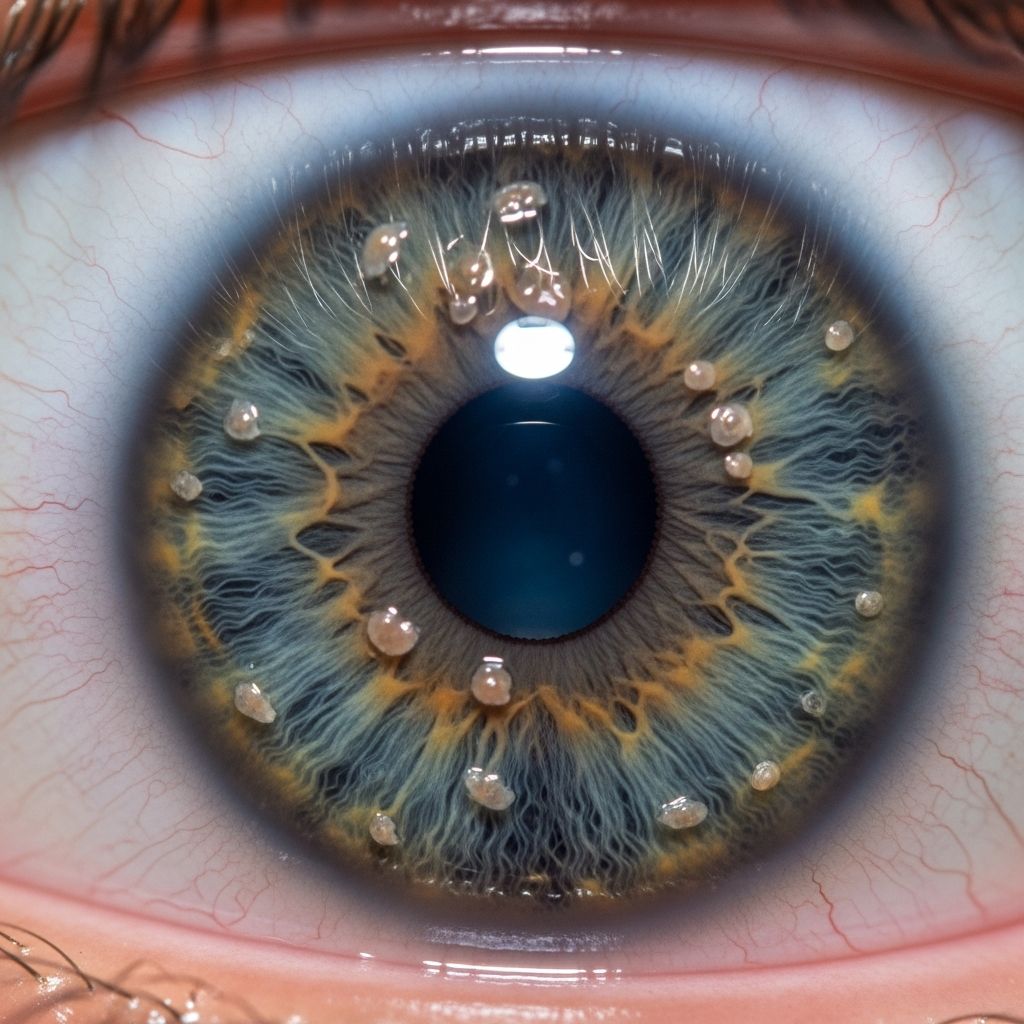
Punctate keratitis refers to scattered, pinpoint areas of injury or inflammation on the cornea’s outermost layer, known as the epithelium. This condition disrupts the eye’s clear front surface, often causing discomfort and visual disturbances. While typically not vision-threatening if addressed promptly, it signals underlying issues that require attention from eye care professionals.
Understanding the Cornea and Epithelial Vulnerability
The cornea is the eye’s transparent dome-shaped window, responsible for focusing light and protecting internal structures. Its epithelium acts as a barrier against pathogens, debris, and environmental stressors. When this layer suffers punctate damage—small, dot-like erosions—it compromises the eye’s integrity, leading to symptoms that impair daily activities.
- Epithelial role: Regenerates quickly but is prone to superficial insults.
- Damage pattern: Appears as fine dots under magnification, staining vividly with fluorescein dye.
- Common visibility: Detected during routine slit-lamp exams in clinical settings.
Such disruptions can stem from acute events or chronic factors, making early identification crucial for healing.
Recognizing the Signs: Symptoms of Punctate Keratitis
Individuals with punctate keratitis often report a range of ocular discomforts. Symptoms arise from irritated nerve endings and compromised tear film stability.
- Intense eye pain or aching sensation.
- Foreign body feeling, as if grit is trapped under the eyelid.
- Excessive tearing or watery discharge.
- Redness and bloodshot appearance of the sclera.
- Photophobia, or heightened sensitivity to light.
- Mild to moderate blurred vision, especially in affected areas.
- Burning or gritty discomfort upon blinking.
Symptom onset varies: UV-related cases may delay 6-12 hours post-exposure, while infectious types emerge rapidly. Preauricular lymph node swelling can accompany viral etiologies.
Diverse Triggers Behind Punctate Keratitis
This condition arises from multiple pathways, broadly categorized into infectious, mechanical, environmental, and idiopathic origins. Understanding the trigger guides targeted therapy.
Infectious Contributors
Viral agents top the list, particularly adenovirus causing epidemic keratoconjunctivitis (EKC), a highly contagious “pink eye” variant. Herpes simplex and varicella-zoster viruses also provoke epithelial puncta. Bacterial culprits like Staphylococcus aureus (linked to blepharitis) and Pseudomonas aeruginosa (contact lens-associated) erode the surface through toxins or direct invasion.
Dry Eye Syndrome and Ocular Surface Disorders
Insufficient tear production or poor tear quality leads to epithelial desiccation. Blepharitis, eyelid inflammation, exacerbates this by altering meibomian glands. Allergies to preservatives in eye drops can similarly inflame the epithelium.
Contact Lens Complications
Ill-fitting lenses, overwear, or protein buildup deprive the cornea of oxygen, fostering punctate lesions. Tight lenses mechanically abrade the surface, while microbial contamination risks bacterial superinfection.
Related Stories



Environmental and Traumatic Factors
Ultraviolet radiation from sunlamps, welding arcs, or snow glare induces photokeratitis, mimicking a corneal sunburn. Chemical splashes, medications (e.g., adenine arabinoside), or even Bell’s palsy (affecting blink reflex) contribute. Prolonged screen time indirectly worsens dry eye-related damage.
| Cause Category | Examples | Key Risk Factors |
|---|---|---|
| Infectious | Adenovirus, bacteria | Contagion, poor hygiene |
| Mechanical | Contact lenses | Overuse, poor fit |
| Environmental | UV light, chemicals | Unprotected exposure |
| Systemic | Dry eyes, meds | Age, medications |
Diagnosis: How Eye Specialists Confirm Punctate Keratitis
Diagnosis hinges on clinical examination. Clinicians instill fluorescein or Rose Bengal dye, which highlights epithelial defects under cobalt blue light via slit-lamp biomicroscopy. Punctate stains appear as myriad green dots or coalesced patches. History-taking reveals triggers: recent UV exposure, lens wear, or infections. Confocal microscopy aids in subtle cases, revealing stromal involvement.
Treatment Approaches: Restoring Corneal Health
Management targets the root cause while promoting epithelial repair. Supportive care includes artificial tears and lubricants to bolster the tear film.
- Lubricants: Preservative-free drops for frequent use.
- Infection control: Antivirals for herpes; antibiotics for bacteria.
- Anti-inflammatories: Topical steroids (e.g., for TSPK) under supervision to curb inflammation.
- Cycloplegics: Relieve ciliary spasm and pain.
- Lens cessation: Discontinue contacts until resolution.
Most cases heal within days to weeks; severe or recurrent instances may need bandage lenses or amniotic membrane grafts.
Spotlight on Thygeson Superficial Punctate Keratitis (TSPK)
TSPK is a distinctive, bilateral, recurrent form first noted in 1950. It manifests as coarse, elevated corneal opacities without systemic ties, predominantly in young adults, especially women. Symptoms wax and wane: photophobia, irritation, and minimal discharge. Pathology shows epithelial edema and anterior stromal infiltrates. Etiology remains elusive, though viruses are suspected. Treatment favors topical steroids during flares, with spontaneous remission possible over years.
Preventive Measures for Long-Term Eye Protection
Avoidance is key: wear UV-protective eyewear, adhere to contact lens hygiene (daily disposables preferred), manage dry eyes with humidifiers and omega-3s, and practice hand hygiene to curb infections. Regular eye exams catch subclinical changes early.
When to Seek Urgent Care
Consult an ophthalmologist if symptoms persist beyond 48 hours, worsen, or include severe vision loss, copious discharge, or unilateral swelling. Prompt intervention averts scarring or ulceration.
Frequently Asked Questions (FAQs)
Is punctate keratitis contagious?
Depends on cause: viral yes, dry eye no. Isolate during outbreaks.
How long does it take to heal?
Typically 1-2 weeks with treatment; UV cases resolve in 48 hours.
Can it lead to permanent damage?
Rarely, if chronic or untreated; scarring possible in TSPK.
Are contact lenses safe after recovery?
Yes, with proper fitting and hygiene protocols.
Does dry eye always cause this?
It contributes but isn’t the sole factor; multifactorial often.
References
References
- Superficial Punctate Keratitis — All About Vision. 2022. https://www.allaboutvision.com/conditions/keratitis/punctate/
- Superficial Punctate Keratitis — Merck Manuals (Consumer Version). Accessed 2026. https://www.merckmanuals.com/home/eye-disorders/corneal-disorders/superficial-punctate-keratitis
- Superficial Punctate Keratitis — Merck Manuals Professional Edition. Accessed 2026. https://www.merckmanuals.com/professional/eye-disorders/corneal-disorders/superficial-punctate-keratitis
- Thygeson Superficial Punctate Keratitis — EyeWiki (AAO). Accessed 2026. https://eyewiki.org/Thygeson_Superficial_Punctate_Keratitis
- Keratitis — Mayo Clinic. Accessed 2026. https://www.mayoclin.org/diseases-conditions/keratitis/symptoms-causes/syc-20374110
Similar Articles








Read full bio of medha deb