Pupil of the Eye: Anatomy, Function, and Health
Understanding your pupil: structure, function, and essential eye health information
Understanding the Pupil of the Eye
The pupil is a small but incredibly important feature of your eye that plays a critical role in how you see the world. Located in the center of your eye, the pupil is the dark opening that allows light to enter your eye so you can see. Despite its small size, the pupil works continuously to regulate the amount of light entering your eye and help your brain process visual information. Understanding pupil anatomy and function can help you recognize when something might be wrong with your vision and appreciate the complexity of how your eyes work.
What Is the Pupil?
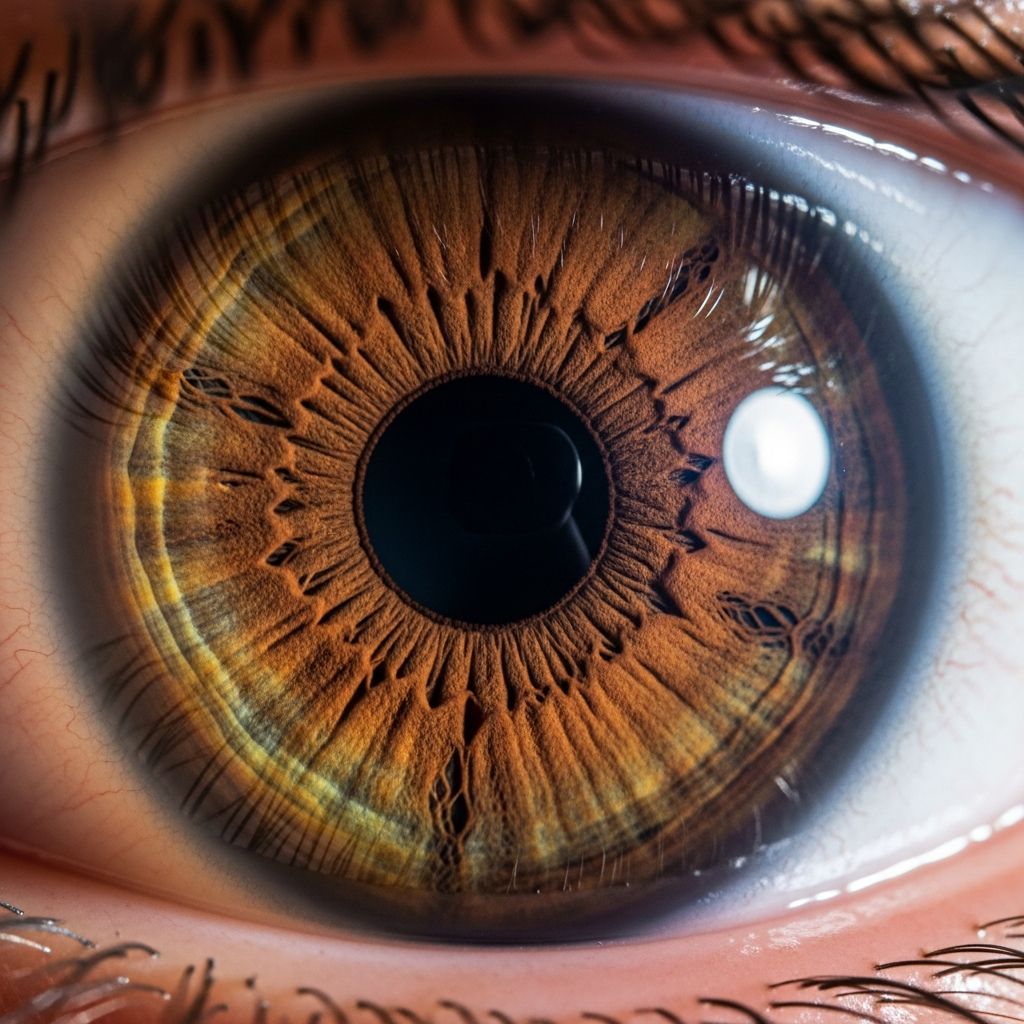
The pupil is an opening located directly in the center of the iris, which is the colored part of your eye. This opening is covered by the cornea, the clear outer layer of your eye. The pupil appears black because it absorbs virtually all the light that enters it, and no light is reflected back from the pupil’s surface. The iris, which surrounds the pupil, is responsible for controlling the size of the pupil opening in response to changes in light and other stimuli.
The pupil itself is not a physical structure like other parts of your eye; rather, it is an opening or aperture that changes size based on the needs of your eye and brain. Think of it similar to the aperture of a camera lens—it automatically adjusts to let in the right amount of light for optimal vision.
Pupil Location and Structure
The pupil is positioned directly in the center of the iris, making it highly visible when you look at someone’s eye or in a mirror. It sits behind the cornea and in front of the lens and other internal eye structures. Because it is a round opening rather than a solid structure, the pupil has no substance that can be directly damaged, though the surrounding iris and the nerves controlling the pupil can be affected by injury or disease.
The size of the pupil is typically between 2 and 8 millimeters in diameter, depending on lighting conditions and individual factors. In bright light, pupils become smaller (constrict), while in dim light, they become larger (dilate) to allow more light to reach the retina at the back of your eye.
How the Pupil Functions in Vision
The primary function of the pupil is to control the amount of light that enters your eye. The iris muscles automatically adjust the pupil’s size based on the available light, allowing your eye to maintain clear vision under various lighting conditions. This automatic response occurs without conscious effort on your part.
When you move from a dark room into bright sunlight, your pupils immediately constrict to protect the sensitive tissues inside your eye and prevent too much light from overwhelming your visual system. Conversely, when you enter a dark environment, your pupils dilate to gather as much available light as possible, enhancing your ability to see in low-light conditions.
The Light Pathway Through the Pupil
Light enters your eye through the cornea and passes through the pupil opening. Once light travels through the pupil, it reaches the eye’s lens, which focuses the light onto the retina at the back of your eye. The retina contains specialized cells called photoreceptors that convert light into electrical signals. These signals travel through the optic nerve to the brain, where they are processed and interpreted as the images you see.
Related Stories



The Aqueous Humor Connection
Beyond controlling light, the pupil has another important function related to eye fluid circulation. The aqueous humor is a clear fluid that fills the front part of your eye and nourishes eye structures. This fluid passes through the pupil as part of its circulation pattern through the eye. The aqueous humor eventually drains through the trabecular meshwork at the drainage angle and exits the eye into the bloodstream. This continuous circulation maintains proper eye pressure and delivers nutrients to the cornea and lens, which do not have blood vessels.
Pupil Dilation and Constriction
The iris contains two types of muscles that control pupil size: the sphincter muscles, which cause the pupil to constrict (become smaller), and the dilator muscles, which cause the pupil to dilate (become larger). These muscles work automatically in response to light levels and are controlled by the autonomic nervous system.
Why Pupils Dilate
Pupils dilate (enlarge) in response to several stimuli. The most obvious is decreased light—when you enter a dark room or go outside at night, your pupils automatically open wider to allow more light to reach your retina. Additionally, pupils can dilate when you are focused on a close object, during emotional responses like excitement or fear, and in response to certain medications or drugs. Some people’s pupils naturally dilate more than others based on genetic factors.
Why Pupils Constrict
Pupils constrict (become smaller) primarily in response to bright light. This protective response prevents excessive light from damaging the sensitive tissues inside your eye. Pupil constriction also occurs when you view an object close up, as part of the accommodation process that helps your eye focus on nearby items. Certain medications and eye conditions can also affect pupil constriction.
Pupil vs. Iris: Understanding the Difference
While the terms “pupil” and “iris” are sometimes used interchangeably in casual conversation, they refer to different parts of your eye. The pupil is the black opening in the center of your eye, while the iris is the colored part of your eye that surrounds the pupil. The iris contains the muscles that control the pupil’s size. Your iris color—whether blue, brown, green, hazel, or another shade—is determined by genetics and is unique to you, much like a fingerprint. The pupil, by contrast, appears black in everyone because it absorbs light rather than reflecting it.
Common Pupil-Related Eye Conditions
While the pupil itself cannot be directly damaged as it is an opening rather than a tissue structure, several conditions can affect pupil function and appearance. Understanding these conditions helps you recognize when you should seek professional eye care.
Blown Pupil
A blown pupil refers to a pupil that is permanently dilated and does not respond to light stimulation. This is a serious condition that can indicate severe brain trauma, stroke, increased intracranial pressure, or other neurological emergencies. A blown pupil requires immediate medical attention, as it may signal a life-threatening condition affecting the brain or nerves controlling the eye.
Unequal Pupil Size (Anisocoria)
When one pupil is noticeably larger than the other, this condition is called anisocoria. While slight differences in pupil size can be normal, significant or sudden changes in pupil inequality should be evaluated by an eye care professional, as it can indicate nerve damage, eye disease, or neurological problems.
Pupil Abnormalities in Disease
Certain diseases and conditions can affect how the pupils respond to light or change size. These may include diabetes, Parkinson’s disease, Horner’s syndrome, and various neurological conditions. Changes in pupil function can sometimes be an early sign of systemic disease, making pupil assessment an important part of comprehensive eye exams.
Pupil Testing During Eye Exams
During a comprehensive eye examination, an optometrist or ophthalmologist will test the function of your pupils as part of assessing your overall eye health. The pupil function test is a standard procedure that evaluates how your pupils respond to light and other stimuli.
How Pupil Tests Are Performed
The optometrist will typically shine a light into each eye while observing how quickly and completely your pupils constrict in response. They will also note the size and shape of your pupils and check that both pupils respond equally to light. The practitioner may also perform additional tests such as the swinging flashlight test, which helps detect problems with the optic nerve or retina. These tests provide valuable information about the health of your retina, optic nerve, and brain.
Dilating Eye Drops
During comprehensive eye exams, your eye care provider may use special dilating eye drops to enlarge your pupils artificially. These drops allow the optometrist to examine the deeper structures of your eye, including the retina and optic nerve, without your pupils constricting in response to their examination light. After dilation, your vision may be temporarily blurry, and you may experience increased sensitivity to light for a few hours. It is recommended that you wear sunglasses and avoid driving immediately after dilation.
The Pupil’s Role in Overall Vision
While the pupil itself does not process visual information, it is essential to the vision process. By controlling the amount of light that enters your eye, the pupil helps ensure that the light-sensitive cells in your retina receive the optimal amount of illumination for clear vision. The pupil works in coordination with other eye structures to enable you to see clearly across a wide range of lighting conditions, from bright sunlight to dimly lit environments.
Protecting Your Pupil Health
While you cannot directly care for your pupil as you might care for other parts of your body, you can protect your eye health in ways that support healthy pupil function. Wearing protective eyewear in hazardous environments, managing chronic conditions like diabetes, and having regular comprehensive eye exams all contribute to maintaining healthy pupils and overall vision. If you notice any changes in your pupils, such as persistent unequal size, lack of response to light, or unusual dilation, contact an eye care professional promptly.
Frequently Asked Questions About the Pupil
Q: Why are pupils black?
A: Pupils appear black because they absorb all the light that enters them, and no light is reflected back from the pupil’s surface. The black appearance is due to the absence of light reflection, not because of any pigmentation in the pupil itself.
Q: Can the pupil be directly damaged or injured?
A: No, the pupil cannot be directly damaged because it is an opening rather than a physical structure. However, the iris or the nerves controlling the pupil can be damaged by injury or disease, which may affect pupil function.
Q: What does it mean if my pupils are unequal in size?
A: Unequal pupil sizes, or anisocoria, can have various causes ranging from benign to serious. While slight natural variation is normal, significant or sudden changes should be evaluated by an eye care professional, as they may indicate nerve damage, eye disease, or neurological problems.
Q: How do dilating drops work during an eye exam?
A: Dilating drops contain medication that relaxes the muscles controlling pupil size, causing the pupil to open wider artificially. This allows the optometrist to view the retina and optic nerve more clearly during examination.
Q: Do pupils change size for reasons other than light?
A: Yes, pupils can dilate in response to emotional arousal, fear, concentration, certain medications, and when focusing on close objects. They may also be affected by age, with pupils generally becoming smaller as we age.
Q: What is accommodation and how does the pupil relate to it?
A: Accommodation is the eye’s ability to change focus from distant to near objects. As part of this process, your pupils constrict when viewing nearby objects and dilate when viewing distant objects, helping to maintain clear focus at various distances.
References
- Pupil of the Eye: Anatomy, Function, and Vision — Cleveland Clinic. 2024. https://my.clevelandclinic.org/health/body/eye-anatomy
- Anatomy of the Eye — Cleveland Eye Clinic. 2024-02-23. https://clevelandeyeclinic.com/anatomy-of-the-eye
- Iris of the Eye: Definition, Anatomy & Function — Cleveland Clinic. 2024. https://my.clevelandclinic.org/health/body/iris-eye
- The Cornea: Your Eye’s Clear Window — Cannon EyeCare. 2024. https://seattleeyecaredoctor.com/eye-anatomy-101
- Retina of the Eye: What It Is, Function & Anatomy — Cleveland Clinic. 2024. https://my.clevelandclinic.org/health/body/retina-eye
- Eyes: How They Work, Anatomy & Common Conditions — Cleveland Clinic. 2024. https://my.clevelandclinic.org/health/body/eyes
Similar Articles








Read full bio of Sneha Tete