Purple Fruits and Vegetables May Lower Diabetes Risk
Discover how anthocyanins in purple produce can help prevent type 2 diabetes naturally.
Purple Fruits and Vegetables May Lower Your Risk of Type 2 Diabetes
Recent research emerging from Finland is shedding new light on the role of purple fruits and vegetables in preventing type 2 diabetes. While medical professionals have long recognized that consuming fruits and vegetables as part of a balanced diet can reduce type 2 diabetes risk or delay its onset, recent studies suggest that purple-colored produce may offer enhanced protective benefits. These findings provide practical guidance for individuals looking to modify their diets to support metabolic health and reduce their diabetes risk through nutritional choices.
Understanding Anthocyanins: The Purple Power Behind Prevention
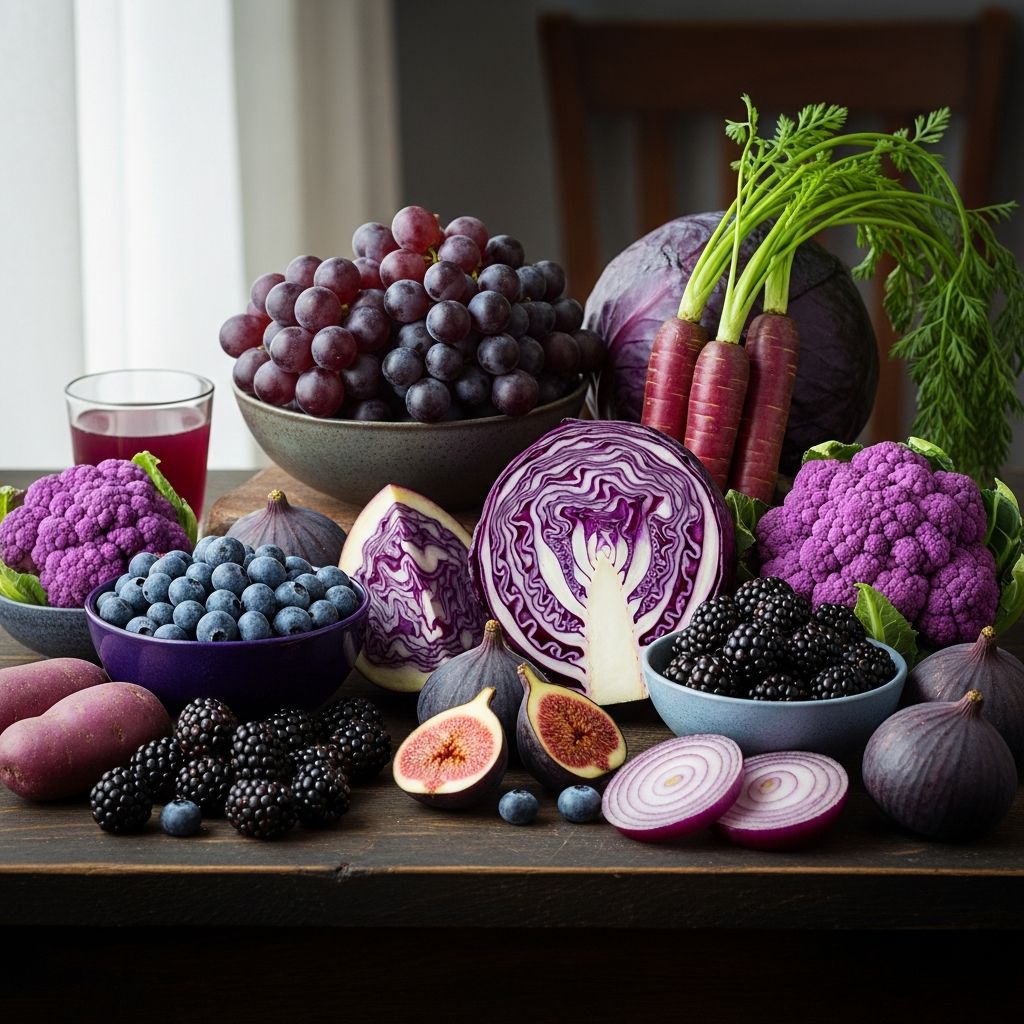
Anthocyanins are natural compounds responsible for the distinctive blue-violet and red-orange colors found in many fruits and vegetables. These powerful pigments are categorized as polyphenols and have been the focus of extensive scientific research into their health-promoting properties. Foods rich in anthocyanins include berries, concord grapes, red cabbage, radishes, purple potatoes, and purple sweet potatoes.
Research demonstrates that anthocyanins support type 2 diabetes prevention through multiple biological mechanisms. These compounds positively impact energy metabolism, promote beneficial changes in gut health and microbiota composition, and reduce systemic inflammation throughout the body. When inflammation levels decrease, the body experiences improved insulin sensitivity and better glucose metabolism—two critical factors in diabetes prevention and management.
Acylated vs. Nonacylated Anthocyanins: Understanding the Difference
Scientists have discovered that not all anthocyanins are equally effective in reducing diabetes risk. Anthocyanins can be divided into two primary categories: acylated and nonacylated, each with distinct properties and health benefits.
Acylated anthocyanins have emerged as particularly powerful in diabetes prevention. While the body absorbs and digests these compounds more slowly than their nonacylated counterparts, they deliver superior benefits. Acylated anthocyanins are especially effective at improving intestinal lining health, suppressing inflammation, and helping regulate blood sugar levels. Additionally, acylated anthocyanins possess probiotic properties that support the growth of beneficial bacteria in the gut. Together, these effects work synergistically to significantly reduce type 2 diabetes risk.
Nonacylated anthocyanins, while still beneficial, appear less effective for diabetes prevention. Research suggests this reduced effectiveness may stem from their substantial natural sugar content, which can partially negate some of the initial anti-diabetic benefits these compounds offer. This distinction is important for individuals specifically seeking maximum diabetes-prevention benefits through their dietary choices.
Which Purple Fruits and Vegetables Are Most Effective?
Research clearly identifies specific purple produce as superior choices for those seeking to reduce their diabetes risk:
Best Acylated Anthocyanin Sources:
- Purple potatoes – Additionally contain resistant starch and other compounds contributing to anti-diabetic effects
- Purple sweet potatoes – Rich in acylated anthocyanins and beneficial resistant starch
- Red cabbage – Concentrated source of acylated anthocyanins
- Purple carrots – Provide anthocyanins along with other beneficial phytochemicals
- Purple corn – Offers acylated anthocyanins in a readily available form
- Radishes – Particularly red varieties contain beneficial anthocyanins
Less Effective Nonacylated Anthocyanin Sources:
- Elderberries – Higher natural sugar content limits anti-diabetic benefits
- Blackberries – Contain significant natural sugars that may offset anthocyanin benefits
- Blackcurrants – Similar sugar profile to blackberries limits effectiveness
Related Stories



For maximum diabetes-prevention benefits, focus your consumption on vegetables and tubers with acylated anthocyanins, as research demonstrates these provide superior protective effects compared to berry varieties.
The Science Behind Anthocyanin Benefits
Scientific studies have documented the mechanisms through which anthocyanins protect against type 2 diabetes. In animal research, mice supplemented with nonacylated anthocyanin-rich mulberry fruit extract showed blood glucose levels approximately 30% lower than non-supplemented control groups after two weeks. Similarly, studies administering acylated anthocyanin extracts from purple sweet potato at a daily dose of 500 mg/kg body weight to diabetic mice resulted in significant reductions in blood glucose levels and marked improvements in insulin sensitivity.
Additionally, dietary supplementation of both anthocyanin types reduced inflammation markers in diabetic mice. This anti-inflammatory action proves crucial because elevated inflammation contributes to insulin resistance and impaired glucose metabolism—both central to type 2 diabetes development. By reducing inflammation, anthocyanins help restore the body’s capacity to regulate blood sugar effectively.
Additional Foods That Reduce Type 2 Diabetes Risk
While purple fruits and vegetables offer significant benefits, comprehensive diabetes prevention requires a varied diet incorporating multiple protective foods:
- Avocados – Rich in healthy fats and fiber
- Berries – Blueberries, cranberries, strawberries, and raspberries provide antioxidants and fiber
- Broccoli – Cruciferous vegetable with anti-inflammatory properties
- Extra virgin olive oil – Contains polyphenols and supports heart health
- Fatty fish – Salmon, tuna, herring, and sardines provide omega-3 fatty acids
- Garlic – Contains compounds supporting metabolic health
A diverse approach to fruit and vegetable consumption—incorporating multiple colors alongside these additional protective foods—provides complementary nutrients and compounds that work together to support metabolic health.
Research Findings on Red and Purple Produce Consumption
Clinical research has documented measurable health benefits associated with increased red and purple fruit and vegetable consumption. In a prospective cohort study tracking participants over approximately six years, researchers documented 970 cases of incident diabetes. Despite the red/purple fruit and vegetable group being the least consumed category overall (averaging 0.21 servings per day compared to 0.92 servings per day for white vegetables), those consuming more red and purple produce demonstrated significant metabolic improvements.
For each additional serving of red and purple fruit and vegetable intake, participants showed a 1.59% increase in HDL cholesterol—the beneficial form that protects cardiovascular health. Additionally, consuming more fruits and vegetables generally correlated with lower body mass index and lower insulin levels. Among female participants specifically, red and purple vegetable intake associated with lower triglyceride levels and improved HDL profiles.
The research also confirmed that higher consumption of anthocyanin-rich foods correlates with reduced type 2 diabetes risk. These findings translate into practical evidence that making purple produce a regular part of your diet supports multiple aspects of metabolic and cardiovascular health.
How to Incorporate Purple Produce Into Your Diet
Increasing purple fruit and vegetable consumption need not be complicated or unappetizing. Consider these practical approaches:
- Roasted purple potatoes – Prepare as a satisfying side dish with herbs and olive oil
- Red cabbage slaws – Create fresh salads with vinegar-based dressings
- Purple sweet potato bowls – Build nourishing Buddha bowls with roasted purple sweet potatoes, greens, and lean proteins
- Purple carrot additions – Roast with other vegetables or add raw to salads for color and nutrition
- Purple corn dishes – Use in grain bowls, soups, or as a colorful side vegetable
- Radish additions – Add crunch and peppery flavor to salads and grain bowls
Frequently Asked Questions About Purple Produce and Diabetes
Q: Do I need to eat only purple vegetables to prevent diabetes?
A: No. While purple fruits and vegetables offer exceptional benefits, a varied diet including multiple produce colors, whole grains, lean proteins, and healthy fats provides comprehensive nutrition. Purple produce should be part of a balanced dietary approach rather than your only focus.
Q: How much purple produce should I consume daily?
A: Research suggests that increasing intake beyond current consumption levels provides benefits. Current consumption averages only 0.21 servings daily, indicating most people could increase intake substantially. Aim to incorporate one or more servings of purple vegetables into your daily meals.
Q: Are frozen purple vegetables as beneficial as fresh?
A: Yes. Frozen purple vegetables retain their anthocyanin content and provide the same diabetes-prevention benefits as fresh varieties. Freezing preserves these beneficial compounds, making frozen options economical and convenient.
Q: Can anthocyanin supplements replace eating purple vegetables?
A: While supplements provide concentrated anthocyanins, whole foods offer fiber, resistant starch, and additional nutrients that work synergistically. Whole purple vegetables remain superior to isolated supplements for comprehensive health benefits.
Q: Are berries ineffective for diabetes prevention?
A: Berries remain beneficial, but vegetables with acylated anthocyanins may provide superior effects. Berries’ natural sugar content may partially offset anthocyanin benefits, making them a good addition to a diabetes-prevention diet rather than a primary focus.
The Bottom Line
Emerging research provides compelling evidence that adding purple fruits and vegetables to your regular meal planning may help prevent type 2 diabetes and support overall metabolic health. The anthocyanins in these colorful foods—particularly acylated forms found in purple potatoes, purple sweet potatoes, red cabbage, and purple carrots—work through multiple biological pathways to reduce inflammation, improve gut health, support energy metabolism, and enhance glucose regulation.
While purple produce deserves special attention based on current research, remember that consuming a variety of fruits and vegetables regardless of color continues to be fundamental to diabetes prevention and overall wellness. By incorporating purple vegetables into a balanced diet alongside other protective foods like fatty fish, avocados, broccoli, and whole grains, you create a comprehensive nutritional strategy supporting long-term metabolic health and diabetes prevention.
References
- Why Purple Fruits And Vegetables May Lower Your Risk — Diabetes Care Community. 2023. https://www.diabetescarecommunity.ca/diet-and-fitness-articles/why-purple-fruits-and-vegetables-may-lower-your-risk-of-type-2-diabetes/
- Purple Vegetables and Tubers May Have Superior Anti-Diabetic Properties — Medical News Today. 2023-02-16. https://www.medicalnewstoday.com/articles/purple-vegetables-and-tubers-may-have-superior-anti-diabetic-properties
- Association of Fruit and Vegetable Color with Incident Diabetes and Cardiometabolic Risk Factors — PubMed Central (PMC9001729). 2022. https://pubmed.ncbi.nlm.nih.gov/35411032/
- Association of Fruit and Vegetable Color with Incident Diabetes and Cardiometabolic Risk Factors — NIH National Center for Biotechnology Information. 2022. https://pmc.ncbi.nlm.nih.gov/articles/PMC9001729/
- Purple Vegetables and Tubers Have Antidiabetic Properties — Science Daily/University of Turku. 2023-02-16. https://www.sciencedaily.com/releases/2023/02/230215100419.htm
Similar Articles








Read full bio of medha deb