Purpose Of Eyebrows And Eyelashes: Key Functions Explained
Discover the essential roles of eyebrows and eyelashes in protecting eyes, enhancing vision, and signaling emotions across human evolution.
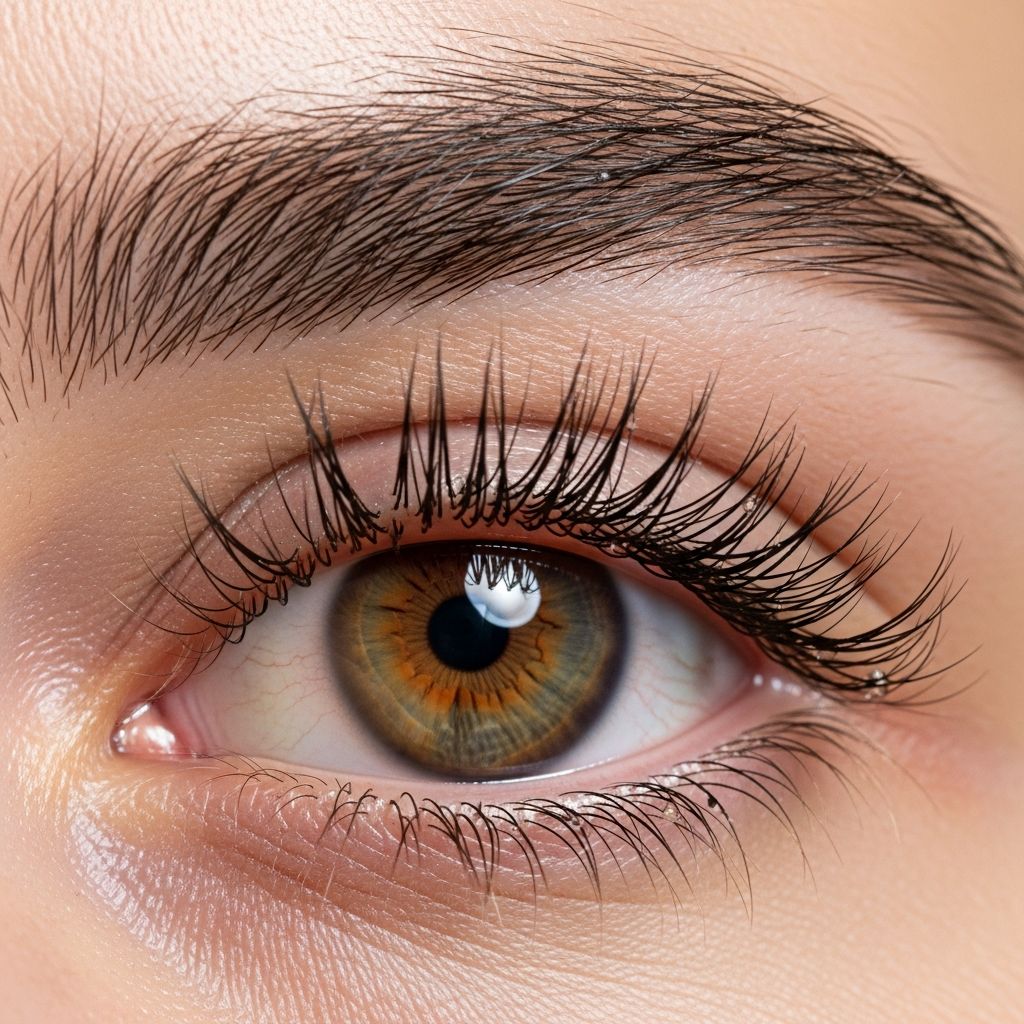
Eyebrows and eyelashes serve multiple critical functions in human physiology and evolution, primarily protecting the eyes from environmental hazards while aiding in nonverbal communication and sensory enhancement. These facial features, though often overlooked, play indispensable roles in maintaining ocular health and facilitating social interactions.
Anatomical Foundations of Facial Hair Around the Eyes
Eyebrows consist of coarse, arched hairs positioned above the eye sockets, anchored in dense follicular units that allow for varied growth patterns and thickness. Eyelashes, finer and shorter, emerge from specialized follicles along the eyelid margins, typically numbering 90 to 150 per upper lid and fewer on the lower. Both structures are composed of keratin, the same protein found in hair and nails, but their follicles possess unique sebaceous glands that produce natural oils to keep them supple and prevent breakage.
From a developmental perspective, these features arise early in embryogenesis, influenced by genetic factors like the HOX gene cluster and signaling pathways such as Wnt and Shh, which dictate hair placement and density. Variations in shape, density, and color across populations reflect adaptations to diverse climates and genetic diversities, with thicker brows often linked to colder environments for better sweat diversion.
Primary Protective Mechanisms Against Physical Threats
The most immediate role of eyebrows and eyelashes is as a physical barrier against airborne particles, dust, and insects. Eyelashes act like natural sentinels, creating a lattice that deflects debris before it reaches the cornea, reducing the risk of abrasions or infections. Studies on eyelid dynamics show that during blinking, which occurs 15-20 times per minute, lashes sweep away up to 90% of potential irritants, maintaining a clean ocular surface.
Eyebrows complement this by forming a ridge that channels larger particles, such as sand or pollen, away from the eye via gravity and air currents generated by head movements. In windy conditions or high-velocity environments like running, these hairs vibrate to dislodge threats, a mechanism enhanced by their tapered structure that minimizes drag while maximizing filtration efficiency.
- Dust deflection: Lashes filter particles greater than 5 microns, preventing corneal scratches.
- Insect repulsion: Brow arches disrupt flight paths of small insects approaching the face.
- UV shielding: Hairs absorb minor ultraviolet exposure, reducing photokeratitis risk.
Regulation of Moisture and Sweat Management
Human faces produce significant perspiration during exertion, with sweat glands around the forehead channeling droplets toward the eyes. Eyebrows serve as a diversionary barrier, wicking moisture sideways and downward, preventing stinging irritation that could impair vision. This is particularly vital in tropical climates where profuse sweating accompanies physical activity.
Eyelashes contribute by trapping evaporating moisture, creating a microclimate of humidity around the eye that supports the tear film’s stability. The tear film, a tri-layered structure of lipids, water, and mucins, relies on this humidity to prevent evaporation, thus averting dry eye syndrome. Disruptions, such as lash loss from blepharitis, often lead to increased tear turnover and discomfort.
Sensory and Tactile Functions for Reflexive Defense
Beyond passive protection, these hairs endow the eyes with heightened sensory acuity. Eyelash follicles contain mechanoreceptors that detect subtle air currents or touches, triggering the blink reflex in milliseconds. This corneal reflex protects against sudden threats like approaching fingers or eyelashes from others, minimizing injury risk.
Related Stories



Eyebrows similarly enhance tactile feedback during facial contacts, such as wiping sweat or applying cosmetics. Neurologically, these sensations integrate with the trigeminal nerve, amplifying threat detection and coordinating rapid eyelid closure.
Evolutionary Origins and Comparative Biology
The presence of brow-like ridges and lash analogs in primates and other mammals underscores their ancient origins, tracing back to early visually guided behaviors over 500 million years ago. Fossil evidence from Cambrian trilobites reveals compound eyes with protective setae, suggesting that shielding mechanisms predated advanced vision. In vertebrates, ciliary photoreceptors evolved alongside pigment screens, with rhabdomeric types in invertebrates using microvilli for directional sensing.
Human eyebrows likely amplified from primate browridges, which provided mechanical shielding, evolving into flexible hairs for finer control. Eyelashes, conserved across mammals, adapted for denser packing in humans to match our forward-facing eyes and reliance on close-range vision. Comparative anatomy shows cats and horses with elongated lashes for wide-field protection, while human variants reflect bipedal upright posture exposing eyes to overhead threats.
| Species | Brow Structure | Lash Role | Adaptation Context |
|---|---|---|---|
| Humans | Arched, coarse hairs | Debris filter, reflex trigger | Social, diurnal vision |
| Chimpanzees | Prominent ridges + hairs | Shade provider | Forest canopy navigation |
| Horses | Minimal brows | Long upper lashes | Grazing, lateral threats |
| Trilobites (fossil) | Setae fringes | Particle barrier | Aquatic, compound eyes |
Contributions to Facial Expressions and Communication
Eyebrows are pivotal in nonverbal signaling, elevating or furrowing to convey surprise, anger, or concentration. High-speed imaging reveals brow movements occur 100 times faster than verbal speech, enabling nuanced emotional transmission. This expressiveness likely evolved to strengthen social bonds in group-living hominids, with cultural grooming practices like shaping enhancing these signals.
Eyelashes subtly frame the eyes, accentuating gaze direction and pupil dilation, key in attraction and empathy. Psychological studies link fuller lashes to perceptions of youth and health, influencing mate selection across cultures.
Health Implications of Abnormal Growth or Loss
Conditions like madarosis (lash loss) or hypertrichosis (excess growth) disrupt these functions, heightening infection risks or aesthetic concerns. Trichotillomania, compulsive brow plucking, correlates with anxiety, underscoring psychological ties. Treatments range from minoxidil for regrowth to prosthetics for permanent loss, emphasizing preservation of natural barriers.
In aging, thinning occurs due to hormonal shifts and reduced follicle cycles, exacerbating dry eye prevalence in seniors. Preventive care includes gentle cleansing and avoiding irritants to sustain integrity.
Cultural and Aesthetic Significance Through History
Across civilizations, eyebrows and lashes symbolize beauty and status—from ancient Egyptian kohl enhancements to Renaissance threading techniques. Modern cosmetics generate billion-dollar industries, with serums mimicking growth factors like prostaglandins. Yet, over-plucking trends highlight tensions between fashion and function.
Future Research Directions in Ocular Appendages
Emerging fields like bioengineering explore synthetic lashes with embedded sensors for enhanced protection. Genetic studies on EDAR gene variants explain East Asian brow density, promising personalized cosmetics. Evolutionary models integrate Pax6 pathways, linking brow development to eye formation conservation.
Frequently Asked Questions
Do eyebrows grow back if shaved?
Yes, typically within 4-6 weeks, as follicles remain intact unless scarred.
Can I trim eyelashes safely?
Avoid trimming; they self-regulate length via a 90-day cycle for optimal protection.
Why do some people have no eyelashes?
Alopecia areata, chemotherapy, or thyroid issues; consult dermatologists for causes.
Are false eyelashes harmful?
Prolonged use can trap bacteria; opt for hypoallergenic and limit wear time.
How do animals use their equivalent structures?
Varies: camels have long lashes for sandstorms; owls rely on facial discs.
References
- Eye evolution and its functional basis — Nilsson DE. PMC. 2013-04-09. https://pmc.ncbi.nlm.nih.gov/articles/PMC3632888/
- Evolution of the eye — Wikipedia (informed by primary sources). Last edited 2023. https://en.wikipedia.org/wiki/Evolution_of_the_eye
- The evolution of eyes and visually guided behaviour — Nilsson DE. Royal Society Publishing. 2009-10-27. https://royalsocietypublishing.org/rstb/article/364/1531/2833/21085/The-evolution-of-eyes-and-visually-guided
Similar Articles








Read full bio of Sneha Tete