Purpura: Causes, Symptoms, Diagnosis, Treatment
Understand purpura: purple skin spots from bleeding vessels, causes from minor trauma to serious disorders like ITP and TTP.
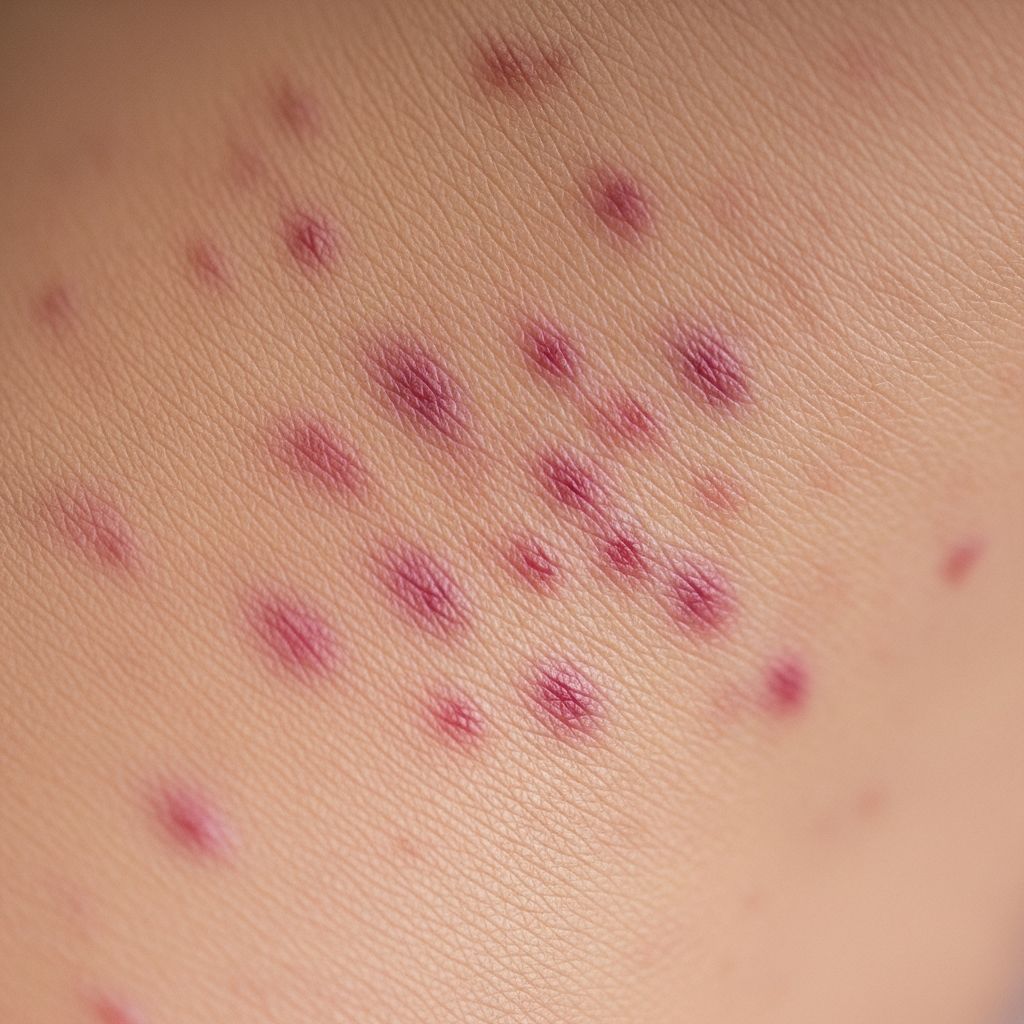
Purpura refers to small, discolored spots on the skin caused by bleeding under the surface due to ruptured blood vessels. These spots, typically 4-10 mm in diameter, appear purple, red, or brown and do not blanch when pressed.
What Is Purpura?
Purpura is a condition characterized by the accumulation of blood under the skin or mucous membranes from leaking capillaries or small blood vessels. Unlike petechiae (pinpoint spots under 4 mm), purpura spots range from 4-10 mm, while larger areas are called ecchymoses or bruises. It signals potential issues with platelets, clotting, or vessel integrity, ranging from benign to life-threatening.
The term encompasses various subtypes based on cause and presentation. Non-thrombocytopenic purpura stems from vessel fragility, while thrombocytopenic forms involve low platelet counts. Appearance varies by skin tone: purplish-red on lighter skin, darker brown or black on deeper tones.
Symptoms of Purpura
The hallmark symptom is a rash of flat, non-blanching purple or red spots, often in clusters on the legs, arms, trunk, or mucous membranes like the mouth. Spots may be tender but usually non-itchy. Accompanying signs depend on the cause:
- Easy bruising or prolonged bleeding from minor injuries
- Petechiae (tiny red-purple pinpoint spots)
- Bleeding gums, nosebleeds, blood in urine/stool, or heavy periods
- Fatigue, fever, joint pain, or swelling in severe cases
- Skin necrosis or tissue death in fulminans type
Rashes tend to be gravity-dependent, worsening on lower extremities. Urgent symptoms include widespread rash, confusion, high fever, or organ involvement signs like abdominal pain or bloody urine.
Causes of Purpura
Purpura arises from three main mechanisms: low platelets (thrombocytopenia), clotting defects, or vessel wall damage. Common causes include:
Thrombocytopenic Purpura
Low platelet counts (<150,000/μL) prevent vessel plugging. Causes:
- Immune Thrombocytopenic Purpura (ITP): Autoimmune attack on platelets, often post-viral in children (acute, resolves in weeks) or chronic in adults.
- Thrombotic Thrombocytopenic Purpura (TTP): Clotting disorder with low platelets, fever, neurological changes; linked to cancer, HIV, chemotherapy.
- Medications (antibiotics, chemotherapy), infections (HIV, hepatitis C), bone marrow issues.
Non-Thrombocytopenic Purpura
Vessel fragility without platelet drop:
- Actinic (senile) purpura: Sun-damaged skin in elderly, no treatment needed; fades in 1-2 weeks.
- Vitamin C deficiency (scurvy), amyloidosis, vasculitis.
- Infections (Rocky Mountain spotted fever), drugs (steroids, sulfonamides).
Other Types
- Henoch-Schönlein Purpura (HSP): IgA vasculitis in children post-infection; palpable purpura on legs/buttocks, joint/gut/kidney involvement.
- Purpura Fulminans: Rare emergency with skin necrosis from sepsis or genetic defects; high mortality.
| Type | Key Features | Common In | Risk Factors |
|---|---|---|---|
| ITP | Isolated low platelets, petechiae/bruises | Children post-viral; adults chronic | Infections, autoimmune |
| TTP | Low platelets + clots, organ damage | Adults | Cancer, HIV, drugs |
| Actinic | Dark purple patches on arms/legs | Elderly | Sun exposure, aging skin |
| HSP | Palpable purpura, abdominal pain | Children 2-4 years | Strep infection |
| Fulminans | Rapid purpura + necrosis, fever | Any age | Sepsis, protein C deficiency |
Diagnosis of Purpura
Diagnosis starts with history (recent infections, drugs, trauma) and physical exam noting rash distribution, blanching test (purpura doesn’t blanch), and systemic signs. Key tests:
- Blood Tests: Complete blood count (CBC) for platelets, coagulation panel (PT/PTT), peripheral smear.
- Imaging/Special: Bone marrow biopsy for persistent thrombocytopenia; skin biopsy for vasculitis.
- Urine/Stool: For occult blood in HSP or renal involvement.
Related Stories



Children with sudden purpura need urgent platelet check; palpable purpura suggests vasculitis like HSP. Differentiate from meningococcemia or leukemia via rapid labs.
Treatment for Purpura
Treatment targets the underlying cause; supportive care for mild cases.
- Observation: Actinic purpura resolves spontaneously; protect skin from trauma.
- ITP: Corticosteroids (prednisone), IV immunoglobulin (IVIG) for bleeding; splenectomy rare in chronic cases.
- TTP: Plasma exchange urgent; antiplatelet agents.
- HSP: Supportive (rest, hydration); steroids for severe gut/kidney issues.
- Fulminans: Antibiotics, anticoagulants, surgery for necrosis.
IVIG boosts platelets short-term, with side effects like headache. Avoid aspirin/NSAIDs to prevent worsening bleeding.
When to See a Doctor
Seek immediate care for:
- New or spreading purpuric rash
- Accompanying fever, fatigue, joint pain, GI bleed, hematuria
- Rash on mucous membranes or rapid progression
Purpura with low platelets risks severe hemorrhage; untreated TTP/HSP can cause kidney failure or death.
Complications of Purpura
Untreated purpura leads to:
- Chronic bleeding/anemia
- Organ damage (kidney in HSP/TTP)
- Skin necrosis/gangrene in fulminans
- Life-threatening hemorrhage
Early intervention reduces risks; 80-90% of childhood ITP resolves without sequelae.
Prevention of Purpura
Minimize risks:
- Vitamin C-rich diet to prevent scurvy
- Sun protection for actinic purpura
- Prompt infection treatment
- Medication review with doctor
- Vaccinations to avoid triggers
Frequently Asked Questions (FAQs)
What causes purple spots on skin that don’t blanch?
Purpura from blood leaking under skin due to vessel rupture, low platelets, or fragility; unlike hives, it doesn’t blanch under pressure.
Is purpura dangerous?
Often benign like senile purpura, but can signal serious issues like ITP, TTP, or infection; see doctor for evaluation.
How long does purpura last?
1-2 weeks for simple cases; chronic if underlying disorder untreated.
Can purpura be cured?
Treats underlying cause; many resolve spontaneously, especially childhood ITP.
Does purpura itch or hurt?
Usually not itchy/painful, but tender in some; severe types cause necrosis pain.
References
- Purpura: Causes, pictures, and symptoms — Medical News Today. 2023-05-01. https://www.medicalnewstoday.com/articles/311725
- Purpuric Rash Causes, Pictures, and When to Get Medical Help — Healthline. 2023-08-15. https://www.healthline.com/health/purpuric-rash
- Purpura — Physiopedia. 2024-01-10. https://www.physio-pedia.com/Purpura
- Evaluating the Child with Purpura — American Academy of Family Physicians (AAFP). 2001-08-01. https://www.aafp.org/pubs/afp/issues/2001/0801/p419.html (Authoritative despite age for pediatric classification).
- Purpura — MedlinePlus, U.S. National Library of Medicine. 2024-06-20. https://medlineplus.gov/ency/article/003232.htm
- Purpura Fulminans — StatPearls, NCBI Bookshelf. 2023-11-05. https://www.ncbi.nlm.nih.gov/books/NBK532865/
Similar Articles








Read full bio of medha deb