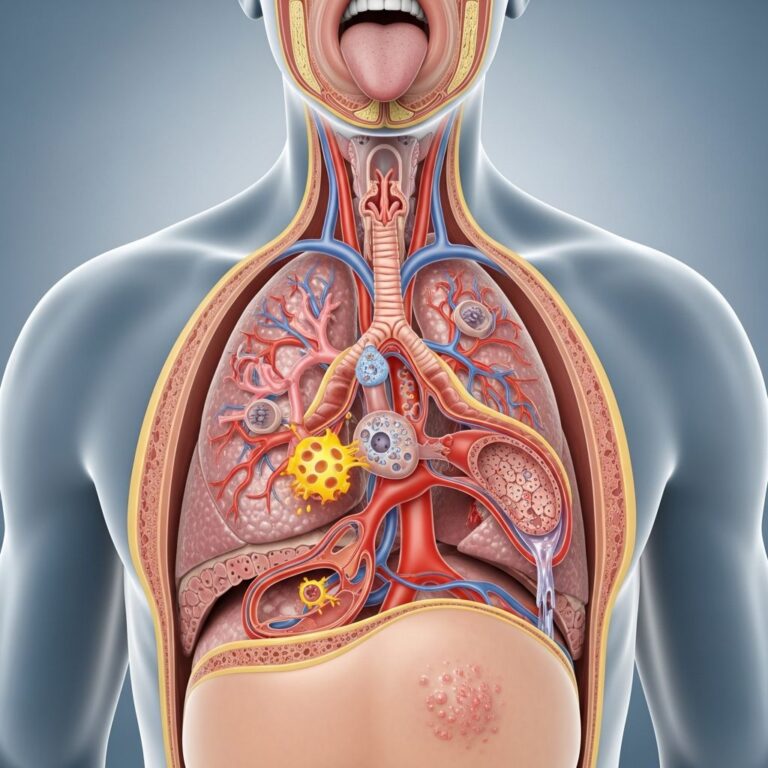
Pursed Lip Breathing: Technique, Purpose & Benefits
Master pursed lip breathing to control shortness of breath and reduce stress naturally.
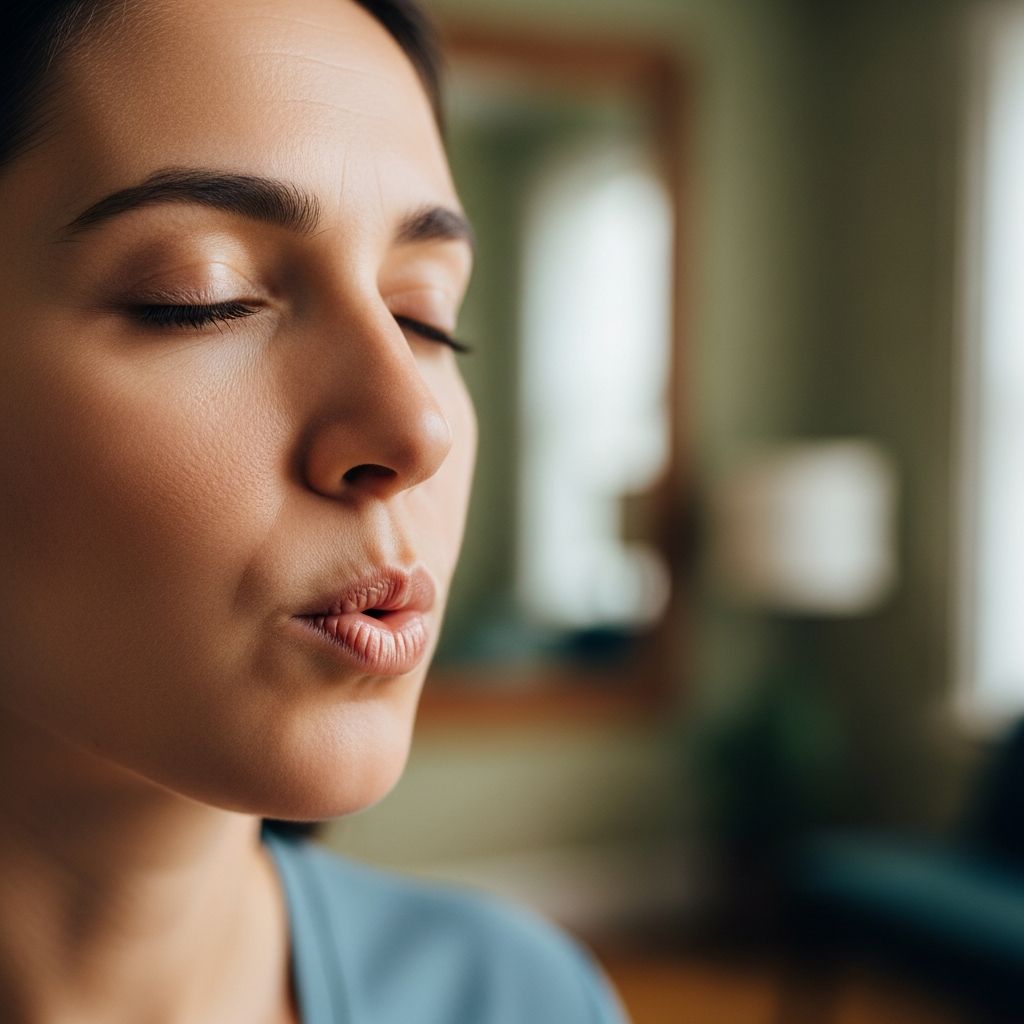
Understanding Pursed Lip Breathing
Pursed lip breathing is a simple yet powerful breathing exercise designed to help you slow your breathing pace and improve the efficiency of each breath you take. This technique involves breathing in slowly through your nose and exhaling gradually through pursed lips, similar to blowing out a candle. By controlling your breathing in this way, you can inhale more oxygen and exhale more carbon dioxide, making your respiratory system work more efficiently.
This breathing method is one of the simplest ways to control shortness of breath and provides a quick, easy approach to managing respiratory challenges. Whether you’re dealing with a chronic lung condition or simply looking to reduce stress and anxiety, pursed lip breathing offers an accessible solution that requires no special equipment or training.
What Is Pursed Lip Breathing?
Pursed lip breathing is a controlled breathing technique where you intentionally slow down your breathing pattern by exhaling through lips that are pressed together in a small opening. The technique mimics the action of whistling or gently blowing out a candle flame. This creates back pressure in your lungs, which helps keep your airways open longer during exhalation, allowing trapped air and carbon dioxide to escape more completely from your respiratory system.
The beauty of pursed lip breathing lies in its simplicity and accessibility. Unlike more complex breathing techniques that require muscle retraining or specific positioning, pursed lip breathing can be performed virtually anywhere and by almost anyone. It doesn’t require any special skills, equipment, or extensive practice to begin experiencing benefits.
Who Can Benefit From Pursed Lip Breathing?
While anyone can learn and benefit from pursed lip breathing, this technique is particularly valuable for individuals with pulmonary or lung conditions that affect breathing quality. Pursed lip breathing is especially beneficial for those experiencing:
- Chronic Obstructive Pulmonary Disease (COPD)
- Asthma
- Pulmonary fibrosis
- Emphysema
- Bronchitis
- General anxiety and stress-related breathing issues
People with these conditions often experience muscle constriction around airways, swollen airways, mucus accumulation, and associated shortness of breath or wheezing. Pursed lip breathing directly addresses these challenges by creating positive pressure in the lungs and helping airways remain open longer.
How Pursed Lip Breathing Works
The physiological mechanism behind pursed lip breathing involves several key processes. When you breathe normally with relaxed airways, air moves freely in and out of your lungs. However, when you have a lung condition, your airway muscles may constrict, airways may become inflamed, and mucus may accumulate, all contributing to breathing difficulties.
By exhaling through pursed lips, you create a gentle back pressure within your lungs. This pressure keeps smaller airways from collapsing during exhalation, allowing trapped air and stale gas to be expelled more effectively. Additionally, pursed lip breathing helps bring more oxygen into your lungs while removing excess carbon dioxide, improving the overall oxygen exchange in your respiratory system.
Related Stories



The extended exhalation period—typically two to three times longer than the inhalation—is crucial. This prolonged exhalation ensures that you clear out the “bad trapped gas” that accumulates in your lungs, particularly important for individuals with COPD where air trapping is a significant problem.
Step-by-Step Guide to Pursed Lip Breathing
Learning to perform pursed lip breathing correctly is straightforward and can be mastered with minimal practice. Follow these steps to execute the technique properly:
The Basic Technique
- Relax your position: Begin by sitting comfortably or standing upright. Drop your shoulders and close your eyes if it helps you focus.
- Purse your lips: Pinch your lips inward slightly, as if you were about to blow a kiss or gently whistle.
- Inhale through your nose: Slowly breathe in through your nose for a count of two seconds, keeping your mouth closed.
- Hold briefly: Hold your breath for one or two seconds to allow oxygen to be absorbed.
- Exhale through pursed lips: Gently exhale through your pursed lips for a count of four seconds or longer, making the exhalation about twice as long as your inhalation.
- Repeat: Continue this pattern for 5 to 10 minutes during your practice sessions.
Initially, pursed lip breathing may feel awkward or uncomfortable. This is completely normal. With consistent practice, the technique becomes increasingly natural and automatic.
When to Use Pursed Lip Breathing
Pursed lip breathing is most effective when used strategically throughout your day. The best times to practice this technique include:
During Physical Activities
Use pursed lip breathing during the challenging parts of physical activities such as:
- Walking or climbing stairs
- Cleaning the house
- Yard work or gardening
- Exercising or sports activities
- Any activity that triggers shortness of breath
During Rest and Relaxation
It’s equally important to practice pursed lip breathing during calm, stress-free moments, including:
- While sitting quietly at home
- During meditation or mindfulness practice
- Before bed to promote relaxation
- During moments of stress or anxiety
- When experiencing shortness of breath at rest
Regular practice during calm moments helps the technique become second nature, making it easier to employ when you actually need it during physical exertion or stress.
Benefits of Pursed Lip Breathing
Pursed lip breathing offers multiple physiological and psychological advantages that make it a valuable tool for respiratory health management:
- Slows breathing pace: Helps normalize your breathing rate, reducing the tendency to breathe too quickly.
- Increases oxygen intake: Maximizes the amount of fresh oxygen entering your lungs with each breath.
- Improves carbon dioxide elimination: Ensures stale air and carbon dioxide are more completely expelled from your lungs and airways.
- Reduces shortness of breath: Provides quick relief during episodes of breathlessness.
- Enhances breath control: Gives you greater control and awareness of your breathing patterns.
- Reduces anxiety and stress: Research demonstrates that pursed lip breathing helps reduce anxiety and promotes relaxation.
- Improves physical activity tolerance: Makes it easier to perform daily activities without becoming winded.
- Clears airways: Helps remove mucus and secretions from airways more effectively.
Tips for Success With Pursed Lip Breathing
To help pursed lip breathing become a natural part of your routine, consider these practical tips:
- Practice regularly: Aim to practice four to five times daily for at least 5 to 10 minutes each session.
- Start at rest: Practice when you’re not out of breath to build confidence and muscle memory.
- Be patient: Allow several weeks for the technique to feel completely natural and automatic.
- Use visualization: Imagine blowing out candles or gently blowing bubbles to maintain proper lip positioning.
- Combine with relaxation: Use pursed lip breathing during meditation or relaxation exercises.
- Integrate into daily life: Use it during activities where you typically experience shortness of breath.
- Track improvements: Monitor how your breathing and activity tolerance improve over time.
Pursed Lip Breathing vs. Other Breathing Techniques
While several breathing techniques exist to improve respiratory function, pursed lip breathing has distinct advantages. Unlike diaphragmatic or belly breathing, which requires retraining specific muscles and is often more difficult to learn, pursed lip breathing is simpler to master and doesn’t require muscle retraining. The technique can be performed in any position and doesn’t require specific alignment or body positioning to be effective.
Diaphragmatic breathing, another popular technique, works by training your diaphragm to do more of the respiratory work. While beneficial, it’s more complex and typically requires professional instruction. Pursed lip breathing complements diaphragmatic breathing and can often be learned and practiced independently.
What to Expect: Timeline and Results
Most people notice improvements in their breathing and stress levels within 10 minutes of beginning pursed lip breathing. However, full benefits develop gradually with consistent practice over several weeks. Initially, your breathing should become more comfortable and controlled within the first 10 minutes of practice. As you continue practicing daily, you should experience:
- Greater relief from shortness of breath
- Improved control over your breathing patterns
- Enhanced ability to relax and manage stress
- Better tolerance for physical activities
- Increased confidence in managing respiratory symptoms
Once pursed lip breathing becomes natural and automatic, you can employ it only when necessary rather than practicing multiple times daily.
Safety Considerations and Precautions
Pursed lip breathing is generally safe for most people with few associated risks. However, important safety considerations include:
- Consult your healthcare provider: Before beginning pursed lip breathing, consult with your doctor to ensure your lungs are healthy enough for the technique.
- Stop if dizzy: If you feel dizzy, light-headed, or unusually tired while practicing, take a break immediately.
- Know when to seek emergency help: If you cannot catch your breath after 10 minutes of pursuing lip breathing, call 911 immediately.
- Monitor for changes: Contact your healthcare provider if breathing becomes harder or you develop new symptoms.
- Understand limitations: Remember that pursed lip breathing won’t cure your lung condition; it only temporarily alleviates symptoms.
Frequently Asked Questions
Q: How long does it take for pursed lip breathing to become natural?
A: Most people find pursed lip breathing becomes natural with consistent practice of four to five times daily for 5 to 10 minutes each session over several weeks. Everyone’s timeline varies, but regular practice accelerates the process.
Q: Can pursed lip breathing cure my lung condition?
A: No, pursed lip breathing won’t cure lung conditions, but it effectively manages symptoms by helping you control your breathing, reduce shortness of breath, and improve oxygen exchange in your lungs.
Q: Is pursed lip breathing effective for anxiety?
A: Yes, research demonstrates that pursed lip breathing is beneficial for reducing anxiety and promoting relaxation by slowing your breathing rate and activating your parasympathetic nervous system.
Q: Can I use pursed lip breathing during exercise?
A: Yes, pursed lip breathing is particularly useful during physical activities like walking, cleaning, or climbing stairs when you experience shortness of breath. Using it during the difficult parts of activities is especially beneficial.
Q: Do I need special equipment to practice pursed lip breathing?
A: No, pursed lip breathing requires no special equipment or tools. You can practice anywhere using only your controlled breathing technique.
Q: Who should not do pursed lip breathing?
A: While generally safe, consult your healthcare provider before beginning, especially if you have severe lung disease, are experiencing acute respiratory distress, or have other medical conditions affecting your breathing.
Q: How often should I practice pursed lip breathing?
A: During the learning phase, practice four to five times daily for 5 to 10 minutes per session. Once the technique becomes automatic, you can use it only when needed during breathing difficulties or stress.
References
- Pursed Lip Breathing: Technique, Purpose & Benefits — Cleveland Clinic. 2024. https://my.clevelandclinic.org/health/treatments/9443-pursed-lip-breathing
- Breathing Exercises for COPD — Health Cleveland Clinic. 2024. https://health.clevelandclinic.org/breathing-exercises-for-copd
- Breathwork for Beginners: What To Know and How To Get Started — Health Cleveland Clinic. 2024. https://health.clevelandclinic.org/breathwork
- Pursed Lip Breathing and Diaphragmatic Breathing — Cleveland Clinic Abu Dhabi. 2024. https://www.clevelandclinicabudhabi.ae/en/health-hub/health-resource/treatments-and-procedures/pursed-lip-breathing-and-diaphragmatic-breathing
- COPD Video Center – Breathing Exercises for COPD — Healthgrades. 2024. https://resources.healthgrades.com/video/copd-video-center/breathing-exercises-for-copd
Similar Articles








Read full bio of Sneha Tete