Pustular Psoriasis: 4 Types, Symptoms, And Treatments
Explore the symptoms, triggers, types, and modern treatments for pustular psoriasis to empower better management of this rare skin condition.
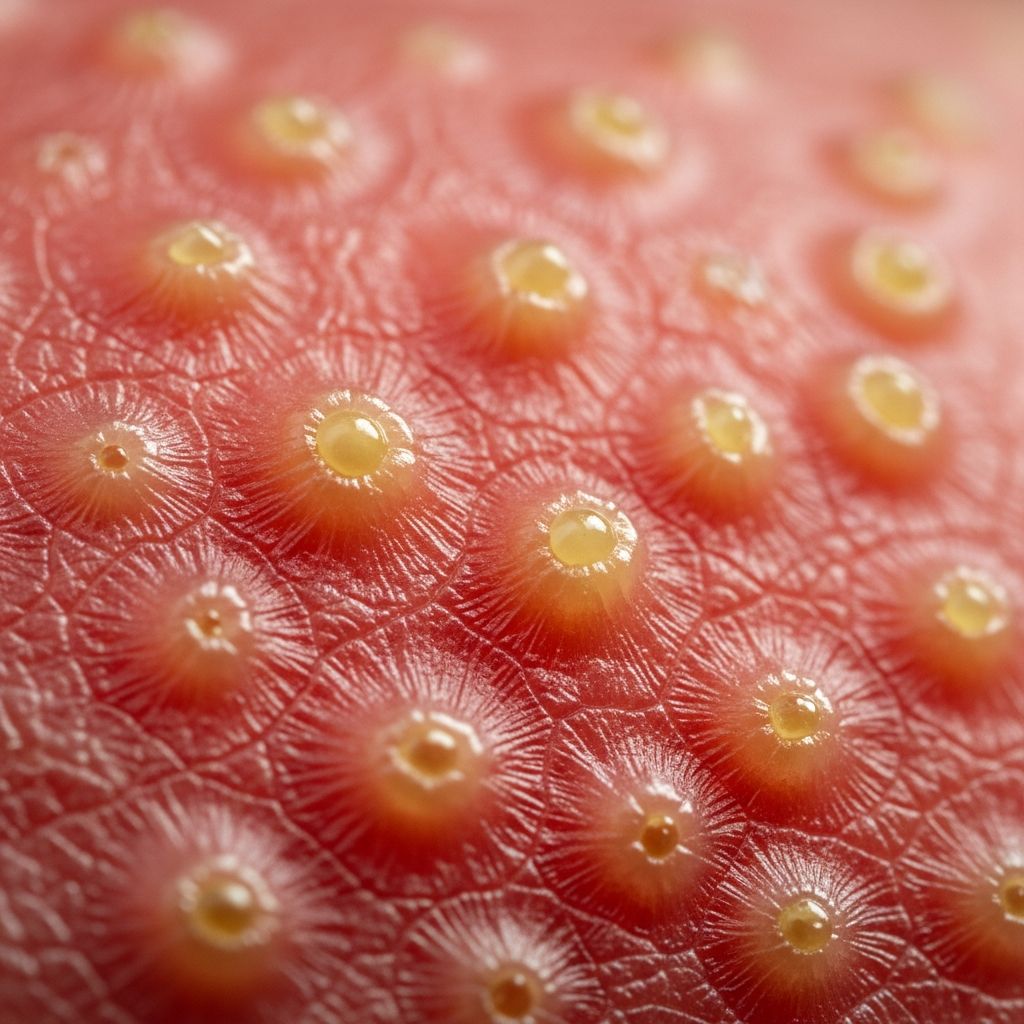
Pustular psoriasis represents a severe and uncommon variant of psoriasis characterized by the sudden onset of pus-filled blisters on inflamed skin. Unlike typical plaque psoriasis, it can lead to widespread eruptions and systemic effects requiring prompt medical intervention.
Defining Pustular Psoriasis
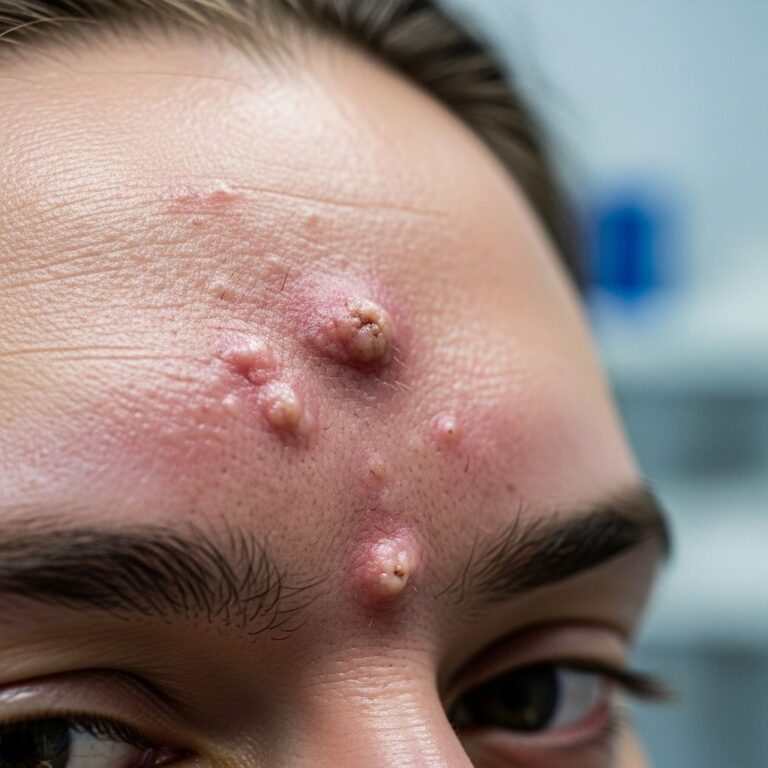
This condition arises from an overactive immune response where neutrophils accumulate in the skin’s upper layers, forming sterile pustules filled with white blood cells rather than infectious pus. These pustules appear on red, tender skin and can dry out, flake, or recur in cycles.
The disease disrupts normal skin cell turnover, causing rapid proliferation and inflammation. It affects people of all ages but often emerges in adults, potentially triggered by internal or external factors.
Primary Types of Pustular Psoriasis
Pustular psoriasis manifests in several forms, each with unique patterns of skin involvement:
- Generalized Pustular Psoriasis (GPP): Covers large body areas with white or yellow pustules on erythematous bases. On lighter skin, redness predominates; on darker tones, purplish or hyperpigmented changes occur. Often accompanied by fever, chills, dehydration, and tachycardia.
- Palmoplantar Pustulosis: Confined to palms and soles, featuring persistent pustules, scaling, thickening, and pain that hinders daily activities.
- Acrodermatitis Continua of Hallopeau: Targets fingertips and toes, leading to pustules, nail dystrophy, and chronic pain.
- Von Zumbusch Type: Acute GPP variant with rapid pustule development across the body, cycling every few days with constitutional symptoms like malaise and weight loss.
| Type | Primary Locations | Key Features |
|---|---|---|
| Generalized (GPP) | Trunk, limbs, widespread | Fever, chills, systemic illness |
| Palmoplantar | Hands, feet | Thick scales, pain on pressure |
| Acropustulosis | Finger/toe tips | Nail changes, localized |
| Von Zumbusch | Full body | Cyclic flares, dehydration |
Recognizing the Symptoms
Symptoms vary by type but commonly include clusters of 1-10 mm pustules surrounded by inflamed, tender skin. Pustules burst, leaving behind scaly, desquamating patches. Itching, burning, and pain are prevalent, with severe cases causing fissuring or bleeding.
Systemic signs in generalized forms encompass high fever, rapid heartbeat, fatigue, nausea, diarrhea, arthralgias, and electrolyte imbalances like hypocalcemia. Skin may feel warm, and patients often experience dehydration from fluid loss through affected areas.
- Painful, pus-filled bumps (sterile)
- Red or discolored inflamed skin
- Shedding in sheets after pustules dry
- Fever, chills, hypotension in acute flares
- Nail pitting or dystrophy in chronic cases
Unraveling the Causes
At its core, pustular psoriasis stems from autoimmune dysregulation. Immune cells mistakenly target healthy skin, releasing cytokines that accelerate keratinocyte proliferation and attract neutrophils, forming pustules.
Genetic predispositions, such as IL36RN mutations, heighten susceptibility, particularly in GPP. While not contagious, flares link to environmental and physiological stressors.
Common Triggers and Risk Factors
Multiple factors can precipitate or exacerbate outbreaks:
- Medications: Sudden steroid withdrawal, lithium, beta-blockers, antimalarials, TNF-α/IL-17 inhibitors, terbinafine.
- Infections: Strep, viral (COVID-19, EBV, varicella), bacterial skin infections.
- Environmental: Excessive UV exposure, phototherapy overuse, skin irritants.
- Physiological: Pregnancy (especially third trimester), hormonal shifts, hypocalcemia, stress, smoking.
- Other: Vaccines (e.g., BCG), emotional distress, injury (Koebner phenomenon).
Individuals with plaque psoriasis history face higher risk, as morphology can shift post-trigger.
How Diagnosis Occurs
Diagnosis relies on clinical examination: history of rapid pustule onset, family psoriasis background, and trigger exposure. Skin biopsy confirms subcorneal pustules with neutrophils, absent organisms.
Labs assess systemic involvement: elevated WBC, CRP, hypocalcemia, liver/kidney function. Dermatologists differentiate from infections, acute generalized exanthematous pustulosis (AGEP), or subcorneal pustular dermatosis via histopathology.
Treatment Approaches
Treatment tailors to type, severity, patient factors like age and comorbidities. Goals: clear pustules, relieve symptoms, prevent complications.
Topical Therapies
First-line for localized forms: high-potency corticosteroids, vitamin D analogs (calcipotriene), salicylic acid for scaling. Combinations enhance efficacy while minimizing atrophy.
Related Stories



Phototherapy
UVB or PUVA (psoralen + UVA) controls inflammation for palmoplantar or mild generalized cases. Regular sessions under supervision.
Systemic Medications
- Retinoids (acitretin): Normalize skin growth, effective for GPP.
- Immunosuppressants (cyclosporine, methotrexate): Rapid flare control.
- Avoid Systemic Steroids: High rebound risk upon withdrawal.
Biologic Agents
Targeted therapies block IL-17 (secukinumab, ixekizumab), IL-36 (spesolimab), or IL-23 (ustekinumab, risankizumab). Game-changers for refractory GPP, offering sustained remission.
For acute hospitalization: IV fluids, electrolytes, wound care, monitoring for sepsis.
| Treatment Type | Best For | Examples |
|---|---|---|
| Topical | Localized | Corticosteroids, Vitamin D |
| Light Therapy | Mild-moderate | PUVA, Narrowband UVB |
| Oral/Injectable | Severe GPP | Acitretin, Cyclosporine |
| Biologics | Refractory | IL-17/IL-36 inhibitors |
Living with Pustular Psoriasis
Management extends beyond meds: moisturize daily, avoid triggers, manage stress via mindfulness or therapy. Diet low in irritants, quitting smoking aids control. Regular dermatologist follow-ups track progress, adjust therapies.
Support groups provide emotional relief; track flares in journals to identify patterns.
Potential Complications
Untreated severe flares risk sepsis, organ failure, or death. Chronic forms cause psoriatic arthritis, permanent nail loss, or mobility issues from palmoplantar pain.
Recent Advances and Outlook
IL-36 inhibitors like spesolimab mark breakthroughs for GPP, FDA-approved post-trials showing rapid clearance. Ongoing research explores genetics, personalized biologics.
Prognosis improves with early intervention; many achieve long-term control.
Frequently Asked Questions (FAQs)
Is pustular psoriasis contagious?
No, pustules contain sterile white cells, not bacteria; it’s autoimmune.
Can pregnancy trigger it?
Yes, especially late-term; monitor closely, consult specialists.
How quickly does it spread?
Hours to days in generalized forms, prompting emergency care.[10]
Are biologics safe long-term?
Generally yes, with monitoring for infections; superior to traditional systemic risks.
Does it affect children?
Rarely, but possible; pediatric dosing adjusts.
References
- Pustular Psoriasis: Symptoms, Causes & Treatment — Cleveland Clinic. 2023. https://my.clevelandclinic.org/health/diseases/24805-pustular-psoriasis
- Pustular psoriasis: Treatment — American Academy of Dermatology. 2024. https://www.aad.org/public/diseases/psoriasis/treatment/medications/pustular
- Pustular Psoriasis – Treatment, Causes, Symptoms — Mount Sinai. 2024. https://www.mountsinai.org/care/dermatology/services/psoriasis/pustular
- Pustular Psoriasis: Causes, Symptoms, & Treatment — WebMD. 2023. https://www.webmd.com/skin-problems-and-treatments/psoriasis/pustular-psoriasis
- Generalized Pustular Psoriasis — NORD (rarediseases.org). 2023. https://rarediseases.org/rare-diseases/generalized-pustular-psoriasis/
Similar Articles








Read full bio of medha deb