PUVA Photochemotherapy: Treatment for Severe Skin Diseases
Comprehensive guide to PUVA photochemotherapy: understanding psoralen and UVA treatment for severe skin conditions.
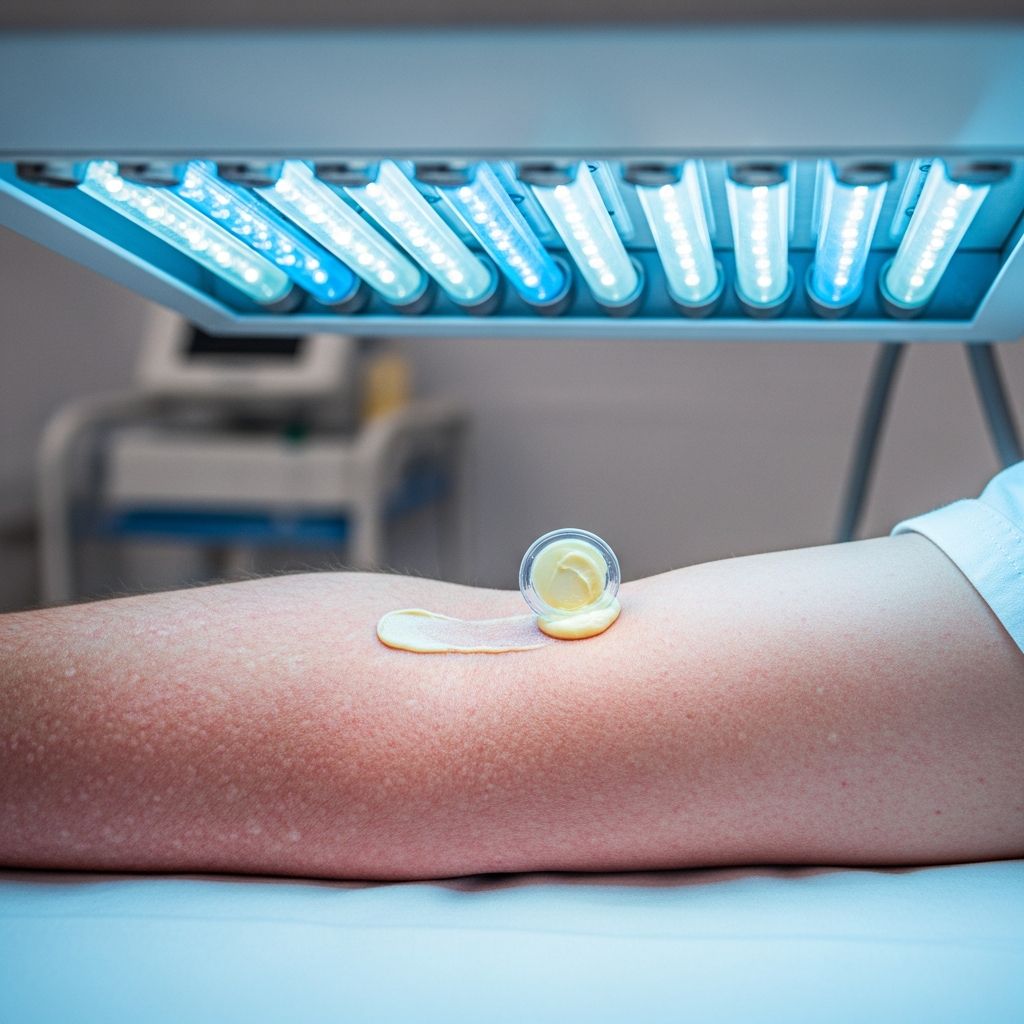
PUVA photochemotherapy is a specialized treatment combining psoralens (P) and long-wave ultraviolet A (UVA) radiation exposure to manage severe, intractable skin conditions. This evidence-based therapy has been available in its current form since 1976 and remains one of the most effective treatments for severe psoriasis and other photoresponsive dermatological conditions.
What is PUVA?
PUVA stands for psoralen plus ultraviolet A radiation, also known as photochemotherapy. The treatment combines psoralens, which are plant-derived compounds that significantly increase skin sensitivity to ultraviolet light, with exposure to high-intensity, long-wavelength ultraviolet radiation. This combination allows the UVA light to work more effectively on affected skin areas.
The psoralen component prepares the skin to respond optimally to UVA exposure, enhancing the therapeutic effect compared to UVA radiation alone. This synergistic approach makes PUVA particularly effective for conditions that do not respond adequately to conventional treatments.
How PUVA Treatment Works
PUVA treatment operates through a two-step process that allows the medication to reach therapeutic levels before light exposure occurs. The treatment is administered in two separate phases: an initial clearing phase and a maintenance phase.
Administration Methods
There are three primary methods of administering PUVA therapy:
- Oral PUVA (Systemic PUVA): Methoxsalen capsules (Oxsoralen Ultra) are taken by mouth approximately two hours before the scheduled treatment appointment. This timing allows sufficient medication to reach the skin for optimal therapeutic effect.
- Bath PUVA (Bathwater PUVA): Patients soak in a bath containing a psoralen solution for approximately 15-20 minutes before UVA exposure. This method is particularly useful for patients with extensive body surface involvement.
- Topical PUVA: A psoralen lotion or gel is applied directly to affected skin areas approximately 10 minutes before UVA exposure. This method is used for localized skin conditions affecting specific body areas.
Treatment Administration
During treatment sessions, patients typically stand in a specialized cabinet containing 24 or more 6-foot long UVA fluorescent bulbs. Treatment appointments generally last between 15 to 45 minutes, depending on the individual patient response and skin condition severity.
The initial clearing phase involves treatment two to three times weekly, with a minimum of 48 hours between each session. The first few exposures are brief, typically lasting less than five minutes. The duration of exposure is gradually increased based on the patient’s skin response, up to a maximum of approximately 30 minutes per session. Most patients achieve control with shorter exposure times.
Effectiveness of PUVA Treatment
Related Stories



Psoriasis Treatment Success Rates
PUVA demonstrates exceptional effectiveness for severe psoriasis. Approximately 90% of psoriasis patients experience clearing of their skin lesions with PUVA treatment. Most patients achieve clearance after approximately 25 to 30 treatment sessions, typically requiring 9 to 15 weeks of therapy. The treatment is particularly effective for severe psoriasis characterized by very thick and scaly plaques on the trunk and limbs.
A general estimate shows clearance rates around 80%, with typical treatment requiring 25 to 30 sessions. In comparative studies, PUVA therapy has demonstrated superior effectiveness compared to broadband UVB phototherapy, with success rates of 92% for PUVA compared to 62% for broadband UVB in randomized trials.
Other Conditions Treated with PUVA
Beyond psoriasis, PUVA is effectively used for several other severe skin conditions:
- Mycosis Fungoides (Cutaneous T-Cell Lymphoma): PUVA is typically given twice weekly initially with shorter exposures than used for psoriasis. When skin clearing is achieved, treatment frequency is reduced. However, if PUVA treatment is discontinued, mycosis fungoides may sometimes relapse.
- Polymorphic Light Eruption (PMLE): A common light sensitivity disorder managed effectively with PUVA. A six-week course of PUVA in the spring or early summer typically provides patients with good protection for the remainder of the summer season.
- Vitiligo: PUVA has been successfully used to treat vitiligo and other severe skin conditions unresponsive to conservative treatment approaches.
PUVA Treatment Guidelines and Protocols
Treatment Frequency and Duration
Generally, 2 to 3 PUVA treatments per week for up to 23 weeks are considered medically necessary for psoriasis management. Most patients initially receive treatment two or three times each week. A typical course of PUVA treatments includes 25 sessions administered in a physician office setting.
Treatment is usually reserved for patients in older age groups or those whose psoriasis is either severe or not responding adequately to more conventional treatment forms. PUVA is particularly valuable for extensive plaque psoriasis affecting large body surface areas.
Maintenance Therapy
After achieving skin clearance during the initial phase, patients transition to maintenance therapy with reduced treatment frequency. PUVA can often control psoriasis as long as treatments are continued, though long-term continuous treatment is rarely recommended due to cumulative side effects and risks.
Limitations of PUVA Treatment
While highly effective, PUVA has important limitations. Psoriasis in body areas shielded from light, such as the scalp and skin flexures (body fold areas), may not clear satisfactorily with PUVA treatment. Localized disease in these protected areas may require additional targeted therapies or topical treatments in conjunction with PUVA.
Side Effects and Safety Considerations
Acute Side Effects
PUVA treatment can produce several acute side effects during or shortly after therapy:
- Nausea and gastrointestinal discomfort
- Exhaustion and fatigue
- Headaches
- Skin burning and itching at treatment sites
- Photosensitivity reactions
Long-Term Risks
The most significant concern with extended PUVA use is the increased risk of skin cancer development. Long-term use of PUVA therapy is associated with elevated risks of both melanoma and non-melanoma skin cancers. This risk increases substantially with cumulative UVA exposure over extended treatment periods.
PUVA bath therapy must be used with particular caution due to its association with acute and long-term adverse effects. For polymorphic light eruption and other conditions, PUVA is generally reserved for cases where alternative phototherapy options such as 311-nanometer narrow-band UVB or UVA1 irradiation have proven ineffective.
PUVA and Sunlight Interactions
Patients undergoing PUVA treatment must take special precautions regarding sun exposure. Because psoralens make the skin extremely sensitive to ultraviolet radiation, patients should avoid direct sunlight for 24 to 48 hours following treatment sessions. Adequate sun protection measures, including protective clothing, hats, and broad-spectrum sunscreen with high sun protection factor (SPF), are essential during PUVA therapy.
Patients should be counseled to remain indoors or use protective clothing for several hours after treatment, particularly during peak sunlight hours (10 AM to 4 PM). This precaution helps minimize the risk of severe photosensitivity reactions and excessive cumulative UV exposure.
Comparison with Other Phototherapies
| Treatment Type | Effectiveness | Treatment Frequency | Key Advantages | Key Disadvantages |
|---|---|---|---|---|
| PUVA (Psoralen + UVA) | 90% clearance for psoriasis | 2-3 times weekly | Highly effective for severe disease; long-lasting results | Increased skin cancer risk; nausea; photosensitivity |
| Broadband UVB | 62% success rate | 3-5 times weekly | Safe; simple administration | Less effective than PUVA; requires more frequent visits |
| Narrow-band UVB | Similar to PUVA | 2-3 times weekly | As effective as PUVA; easier administration | Requires specialized equipment |
| UVA1 Irradiation | Variable | 2-3 times weekly | Effective for specific conditions | Limited availability; not first-line for psoriasis |
Instructions for PUVA Patients
Pre-Treatment Preparation
- For oral PUVA: Take methoxsalen capsules exactly as prescribed, two hours before appointment time
- Ensure the Oxsoralen Ultra prescription is filled prior to first treatment visit
- Avoid eating heavy meals immediately before taking oral medication
- Wear protective eyewear or wrap-around sunglasses for 24 hours after treatment
During Treatment
- Arrive on time for scheduled appointments with minimum 48-hour intervals between sessions
- Wear appropriate protective equipment as directed by treatment staff
- Stand still in the treatment cabinet during light exposure
- Communicate any discomfort or adverse reactions to nursing staff immediately
Post-Treatment Care
- Avoid direct sunlight exposure for 24-48 hours following treatment
- Apply high-SPF broad-spectrum sunscreen to all exposed skin areas
- Wear protective clothing, hats, and long sleeves when outdoors
- Stay indoors during peak sun hours (10 AM to 4 PM) on treatment days and following days
- Report any unusual skin reactions, excessive itching, or burning to your physician
- Keep all follow-up appointments for assessment and dose adjustments
Treatment Coverage and Insurance Considerations
PUVA therapy is covered by many insurance providers for treatment of intractable, disabling psoriasis, but only after the psoriasis has not responded adequately to conventional treatment approaches. Coverage typically requires documentation that alternative therapies have been attempted without sufficient success.
Treatment is coded with specific procedure codes for photochemotherapy, and billing requires appropriate diagnosis codes indicating the medical necessity of the treatment. Patients should verify coverage with their insurance provider prior to beginning treatment to understand any out-of-pocket costs or prior authorization requirements.
Frequently Asked Questions
Q: How long does a typical PUVA treatment session last?
A: Treatment appointments typically last between 15 to 45 minutes total, including preparation time and UVA exposure. Initial exposures are brief (less than 5 minutes) and gradually increase based on patient response, with a maximum of approximately 30 minutes per session.
Q: Can I stop PUVA treatment once my skin clears?
A: After achieving skin clearance, treatment transitions to maintenance phase with reduced frequency. However, if treatment is discontinued, some conditions like mycosis fungoides may relapse. Long-term continuous PUVA is rarely recommended due to cumulative risks.
Q: What should I avoid during PUVA treatment?
A: Avoid direct sunlight for 24-48 hours after treatment, wear protective clothing and high-SPF sunscreen, and wear protective eyewear. Also avoid photosensitizing medications that could increase adverse reactions.
Q: How effective is PUVA for psoriasis compared to other treatments?
A: PUVA is highly effective, achieving skin clearance in approximately 90% of psoriasis patients. It is more effective than broadband UVB (92% vs. 62%) but comparable to narrow-band UVB, which is often preferred due to easier administration.
Q: What is the main risk of long-term PUVA therapy?
A: The most significant concern is increased risk of skin cancer with long-term use. Both melanoma and non-melanoma skin cancer risks increase with cumulative UVA exposure, which is why PUVA is reserved for severe conditions not responding to other treatments.
Q: Are there alternatives if I experience side effects from PUVA?
A: Yes, alternatives include narrow-band UVB phototherapy, UVA1 irradiation, and conventional treatments. Narrow-band UVB is particularly recommended for polymorphic light eruption, offering comparable effectiveness with easier administration and fewer side effects.
References
- PUVA (Photochemotherapy) — DermNet New Zealand. Accessed January 2026. https://dermnetnz.org/topics/puva-photochemotherapy
- The Patient’s Guide to Psoriasis Treatment. Part 2: PUVA Phototherapy — National Center for Biotechnology Information (NCBI). 2016. https://pmc.ncbi.nlm.nih.gov/articles/PMC4972736/
- Phototherapy and Photochemotherapy (PUVA) for Skin Conditions — Aetna Clinical Policy Bulletin. https://www.aetna.com/cpb/medical/data/200_299/0205.html
- Oral Psoralen Ultraviolet A Radiation (PUVA) Photochemotherapy — University Hospitals Sussex NHS. 2025. https://www.uhsussex.nhs.uk/wp-content/uploads/2025/02/Oral-Psoralen-Ultraviolet-A-Radiation-final-pdf.pdf
- Psoralens Plus Ultraviolet A (PUVA) Therapy (Photochemotherapy) — Blue Cross Blue Shield of Florida. http://mcgs.bcbsfl.com/MCG?mcgId=02-10000-16
- Phototherapy and Photochemotherapy Treatment: Ultraviolet A (PUVA) and B (UVB) — AvMed Medical Policy. https://www.avmed.org/
Similar Articles








Read full bio of medha deb