Pyomyositis: Causes, Diagnosis, Treatment & Complications
Understanding pyomyositis: A bacterial muscle infection requiring prompt medical attention and treatment.
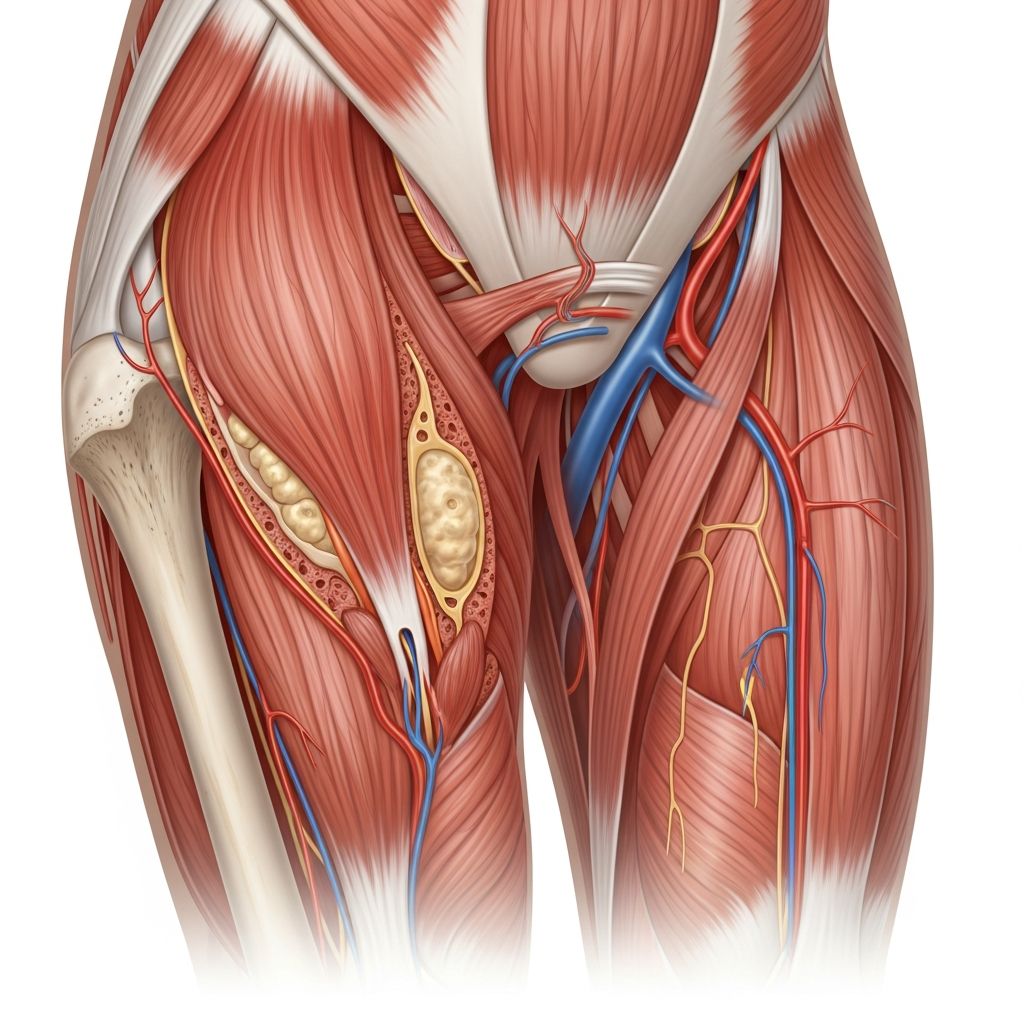
Understanding Pyomyositis: A Serious Bacterial Muscle Infection
Pyomyositis is a bacterial infection of the skeletal muscle that can lead to abscess formation within the affected tissue. This condition is a relatively uncommon but serious infection that requires prompt diagnosis and treatment to prevent complications. The infection typically develops in the muscles of the limbs and torso, though it can affect any skeletal muscle group in the body. Healthcare providers must maintain a high index of suspicion for this condition, as its symptoms often resemble more common musculoskeletal issues, making diagnosis challenging.
What Causes Pyomyositis?
Pyomyositis is almost always caused by bacterial pathogens, with Staphylococcus aureus being the most common causative organism. In comprehensive analyses of muscle infections, gram-positive bacteria account for the majority of cases, with staphylococcal species responsible for approximately 46% of all infections. The bacteria typically enter the muscle tissue through various routes, including hematogenous spread (through the bloodstream) or direct inoculation from puncture wounds or trauma.
Several risk factors increase susceptibility to developing pyomyositis:
– Immunocompromised states and weakened immune systems- Diabetes mellitus- Malnutrition and poor nutritional status- Recent muscle trauma or injuries- Intravenous drug use- Underlying systemic infections- HIV/AIDS- Chronic kidney disease- Malignancy and cancer treatments
Recognizing Symptoms and Clinical Presentation
The symptoms of pyomyositis develop progressively and can be subtle initially, making early recognition difficult. The most common presenting symptoms include:
– Localized muscle pain and tenderness at the site of infection- Muscle swelling (edema) that gives the muscle a distinctive “woody” texture on palpation- Fever and systemic illness- Redness and warmth over the affected muscle- Regional lymph node enlargement (lymphadenopathy)- General malaise and body aches
In certain cases, pyomyositis affecting specific muscles produces characteristic clinical presentations. For example, infections of the psoas muscle (a deep abdominal muscle) cause patients to hold their hip in a flexed position with pain on hip extension. Right-sided psoas infections can mimic appendicitis with pain in the right iliac fossa, potentially leading to diagnostic confusion. Approximately 16% of patients present with altered mental status, particularly when the infection has progressed to systemic complications.
Diagnostic Approaches and Imaging
Early and accurate diagnosis of pyomyositis is essential for optimal outcomes. Healthcare providers employ multiple diagnostic strategies to confirm the condition:
Magnetic Resonance Imaging (MRI)
MRI is the gold standard imaging modality for diagnosing pyomyositis. This advanced imaging technique produces detailed images of the inside your body and can clearly visualize muscle inflammation, abscess formation, and the extent of tissue involvement. MRI provides superior soft tissue contrast resolution compared to other imaging methods, making it ideal for detecting early-stage infections and defining abscess boundaries.
Blood Tests and Laboratory Studies
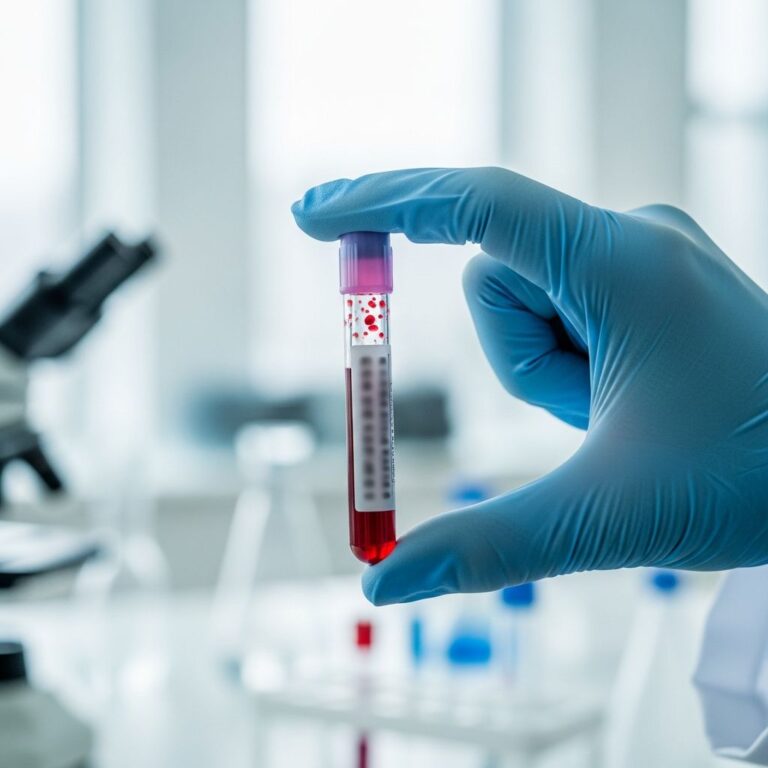
Laboratory investigations play a supportive role in diagnosis. Blood tests may reveal elevated inflammatory markers such as C-reactive protein (CRP) and erythrocyte sedimentation rate (ESR). Complete blood count (CBC) may show leukocytosis (elevated white blood cell count) in some cases. These findings, while non-specific, support the clinical suspicion of infection.
Related Stories



Bacterial Culture and Microbiology
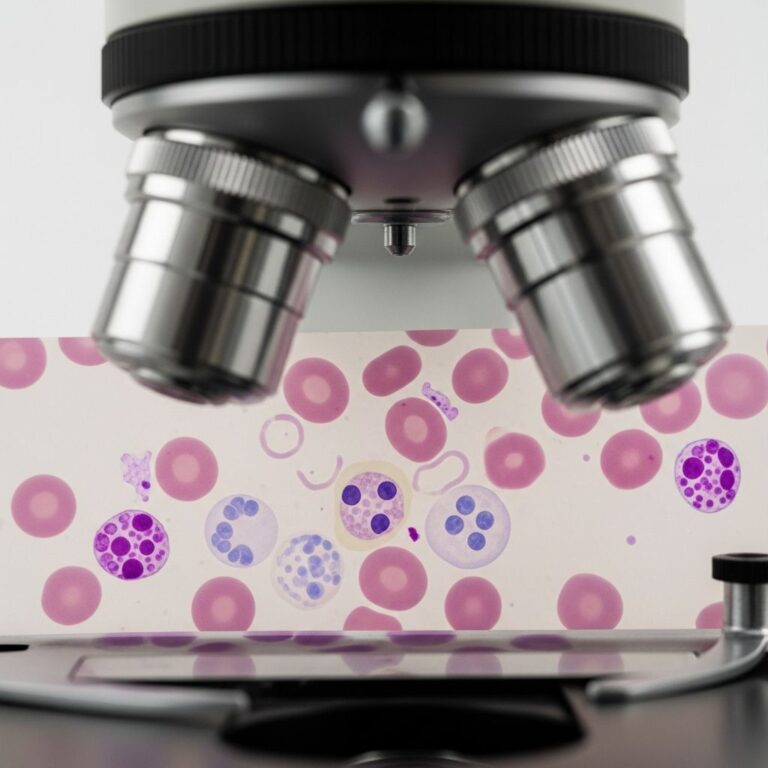
Identifying the causative organism through bacterial culture is crucial for targeted antibiotic therapy. Cultures obtained from abscess material, blood, or tissue aspirates provide definitive microbiological diagnosis and allow for antimicrobial susceptibility testing to guide treatment selection.
Additional Imaging Modalities
While MRI is preferred, ultrasound may serve as an initial screening tool, particularly in resource-limited settings. Point-of-care ultrasound can help identify muscle collections and guide drainage procedures. Computed tomography (CT) scans may be used when MRI is contraindicated or unavailable.
Stages of Pyomyositis
Pyomyositis typically progresses through distinct clinical stages if left untreated:
| Stage | Characteristics | Clinical Features |
|---|---|---|
| Stage 1 (Invasive) | Muscle inflammation without abscess formation | Muscle tenderness, “woody” texture, possible leukocytosis but no observable fluid collection |
| Stage 2 (Suppurative) | Early abscess formation and phlegmon development | Pus accumulation, increased pain and swelling, systemic inflammatory response |
| Stage 3 (Late/Septic) | Spreading infection with systemic complications | Septic emboli, potential endocarditis, septic arthritis, or septic shock if untreated |
Treatment Options and Management Strategies
The management of pyomyositis requires a multimodal approach combining antimicrobial therapy with surgical intervention in most cases. Treatment strategies vary depending on the stage of infection and clinical severity.
Antibiotic Therapy
Intravenous antibiotics form the foundation of pyomyositis treatment. When caught in stages 1 or 2, the infection is often treatable with antibiotics administered through an IV line in your arm, with treatment typically lasting at least one week. In many cases, patients receive multiple classes of antibiotics, with the median length of antimicrobial therapy being approximately 18 days. Antibiotic selection should target the most likely organisms (typically staphylococci) while awaiting culture results, then transition to organism-specific therapy based on susceptibility patterns.
Surgical Drainage and Debridement
Surgical intervention is a cornerstone of pyomyositis management, particularly once abscess formation occurs. Drainage procedures are performed under aseptic conditions using sterile instruments and antiseptic skin preparation techniques. Open and percutaneous drainage procedures figure prominently in treatment, with 28% of patients requiring multiple procedures. Surgical drainage involves:
– Generous incision along the axis of the limb over the abscess site- Careful dissection to avoid damaging underlying nerves and blood vessels- Evacuation of purulent material and infected tissue- Insertion of drains to allow continued drainage during healing- Removal of dead tissue through debridement
Needle aspiration alone is insufficient treatment and should be followed by surgical incision and drainage for definitive management.
Supportive Care Measures
Comprehensive management includes several supportive interventions:
– Limb immobilization and rest to reduce pain and prevent spread of infection- Pain management with appropriate analgesics tailored to pain severity- Wound care and proper dressing to promote healing- Management of underlying medical conditions such as diabetes or malnutrition- Physical therapy with gentle exercises to maintain muscle strength and range of motion once acute infection resolves
Advanced Treatment Options
In severe or refractory cases, additional treatments may be necessary, including intravenous immunoglobulin (IVIG) for severe infections, hyperbaric oxygen therapy to promote healing, or in extreme circumstances, surgical debridement or amputation.
Prognosis and Treatment Outcomes
With appropriate treatment, pyomyositis has a favorable prognosis. In comprehensive studies, the overall treatment success rate was 84%, with success defined as resolution of infection without need to restart antimicrobial therapy or perform additional surgical interventions. However, pyomyositis can be fatal without treatment, emphasizing the critical importance of early recognition and intervention.
Potential Complications
If left untreated or inadequately managed, pyomyositis can progress to serious life-threatening complications:
– Septic emboli (infected blood clots that travel through the bloodstream)- Endocarditis (infection of the heart valve)- Septic arthritis (infection spreading to nearby joints)- Septic shock and overwhelming systemic infection- Permanent muscle damage and loss of function- Death without appropriate treatment
Prevention and Risk Reduction
While pyomyositis cannot always be prevented, certain measures may reduce the risk of developing this serious infection:
– Prompt treatment of wounds and injuries to prevent bacterial contamination- Maintaining good hygiene and wound care practices- Avoiding intravenous drug use- Managing underlying conditions such as diabetes effectively- Maintaining adequate nutrition- Ensuring proper immune function- Seeking prompt medical attention for unexplained fever or muscle pain
Frequently Asked Questions
Q: How is pyomyositis different from other muscle conditions?
A: Pyomyositis is specifically a bacterial infection of muscle tissue that forms an abscess, whereas other muscle diseases like myopathy affect muscle function without infection. Pyomyositis requires antibiotic and surgical treatment, while other conditions are managed differently based on their underlying cause.
Q: Can pyomyositis be treated with antibiotics alone?
A: In early stages (Stage 1), antibiotics alone may be effective. However, once abscess formation occurs (Stage 2 or 3), surgical drainage is typically necessary alongside antibiotics. Most cases require combined medical and surgical management.
Q: What should I do if I suspect I have pyomyositis?
A: Contact a healthcare provider immediately if you have unexplained fever or persistent muscle pain that doesn’t resolve with rest and over-the-counter pain relief. Inform your provider about any recent injuries or if you have risk factors for pyomyositis. Early diagnosis and treatment are crucial for optimal outcomes.
Q: How long does pyomyositis treatment typically last?
A: Treatment duration varies based on severity and stage. Antibiotic therapy typically lasts at least one to two weeks intravenously, sometimes extending to three weeks or longer. Overall median antimicrobial therapy is approximately 18 days, though individual cases may vary.
Q: Are certain populations more susceptible to pyomyositis?
A: Yes, individuals with immunocompromised states, diabetes, HIV/AIDS, chronic kidney disease, or malnutrition are at higher risk. Additionally, those with recent muscle trauma or who use intravenous drugs face increased susceptibility to this infection.
Q: Can pyomyositis recur after successful treatment?
A: While recurrence is uncommon with appropriate treatment, it can occur if the underlying risk factors are not addressed or if antimicrobial therapy is inadequate. Proper wound care and management of underlying conditions help prevent recurrence.
References
- Pyomyositis and Infectious Myositis: A Comprehensive, Single-Center Review — National Center for Biotechnology Information (NCBI/NIH). 2021. https://www.ncbi.nlm.nih.gov/pmc/articles/PMC8047863/
- Treatments for Pyomyositis Muscle Infections — Medical Educational Resources. 2024. https://www.youtube.com/watch?v=D7dvat2rHqw
- Pyomyositis Clinical Management Guidelines — Médecins Sans Frontières (MSF) Medical Guidelines. 2024. https://medicalguidelines.msf.org/en/viewport/CG/english/pyomyositis-18482414.html
- Pyomyositis: Causes, Diagnosis, Treatment & Complications — Cleveland Clinic Health Library. 2025-05-19. https://my.clevelandclinic.org/health/diseases/22408-pyomyositis
- Pyomyositis in Immunocompromised Patients — Johns Hopkins ABX Guide. 2024. https://www.hopkinsguides.com/hopkins/view/Johns_Hopkins_ABX_Guide/540459/0/Pyomyositis
Similar Articles








Read full bio of medha deb