Pyridoxine Tablets Guide: Dosage, Benefits, And Side Effects
Comprehensive guide to pyridoxine (vitamin B6): uses, dosage, side effects, and precautions for deficiency treatment and health support.
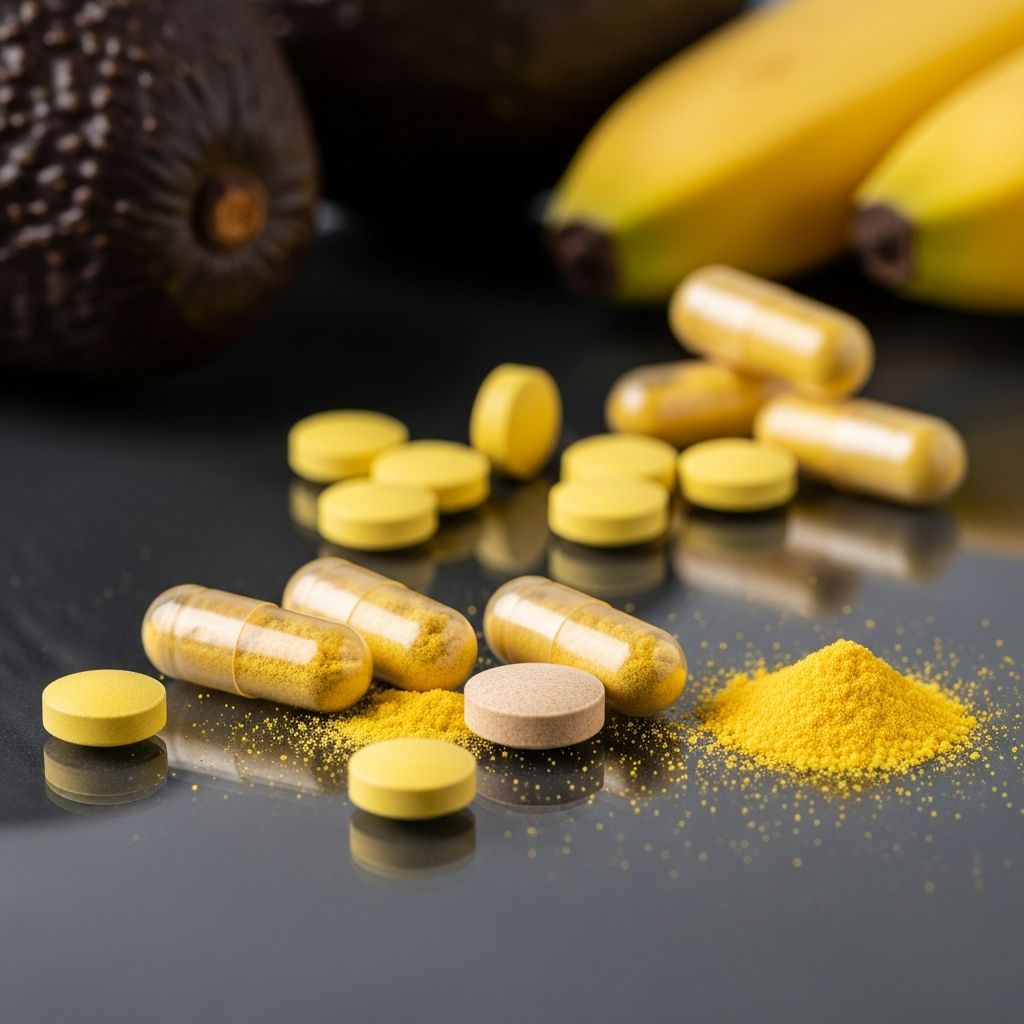
Pyridoxine, commonly known as vitamin B6, is a water-soluble vitamin essential for numerous bodily functions, including the metabolism of proteins, carbohydrates, and fats, as well as the production of neurotransmitters and hemoglobin.
About Pyridoxine Tablets
Pyridoxine tablets are a synthetic form of vitamin B6 used primarily to prevent and treat vitamin B6 deficiency. This vitamin plays a critical role in over 100 enzymatic reactions, supporting brain development, nerve function, immune response, and red blood cell formation.
In clinical settings, pyridoxine is prescribed for conditions like pyridoxine-dependent epilepsy, sideroblastic anemia, and hyperhomocysteinemia. It is also commonly used for nausea in pregnancy (morning sickness) and premenstrual syndrome (PMS).
Before Taking Pyridoxine Tablets
Allergies
Do not take pyridoxine if you have a known allergy to vitamin B6 or any ingredients in the tablets. Symptoms of allergic reaction include rash, itching, swelling, severe dizziness, or trouble breathing. Inform your doctor immediately if these occur.
Pregnancy and Breastfeeding
Vitamin B6 is considered safe and is often recommended during pregnancy for morning sickness, typically at doses of 10-25 mg up to three times daily. Higher doses (up to 100 mg/day) have been used safely, but consult a healthcare provider. It passes into breast milk in small amounts and is generally safe for breastfeeding infants.
Other Medicines
Pyridoxine may interact with certain medications:
- Levodopa (for Parkinson’s): Vitamin B6 can reduce its effectiveness unless combined with carbidopa.
- Anticonvulsants (e.g., phenytoin, phenobarbital): May increase vitamin B6 requirements.
- Theophylline: High-dose B6 may decrease its effects.
- Antibiotics like isoniazid: Can cause B6 deficiency; supplementation is often needed.
Always disclose all medications, supplements, and herbal products to your doctor or pharmacist.
How to Take Pyridoxine Tablets
Follow your doctor’s instructions precisely. Tablets can be swallowed whole with water or chewed if specified. They may be taken with or without food, but taking with food can reduce stomach upset.
Dosage
| Condition | Adult Dose | Child Dose |
|---|---|---|
| Vitamin B6 Deficiency | 25-100 mg/day | Age-dependent; 5-50 mg/day |
| Morning Sickness | 10-25 mg 3-4 times/day | Not typically for children |
| PMS | 50-100 mg/day | N/A |
| Sideroblastic Anemia | 50-200 mg/day | Consult physician |
Note: Do not exceed recommended doses without medical advice, as high doses can cause neuropathy.
Possible Side Effects of Pyridoxine Tablets
Pyridoxine is generally well-tolerated at recommended doses. Common side effects are rare but may include:
- Nausea, vomiting, stomach pain
- Headache, drowsiness
- Sensitivity to sunlight
Serious Side Effects (Seek Immediate Help)
- Difficulty walking, numbness/tingling in hands/feet (peripheral neuropathy from high doses >200 mg/day long-term)
- Clumsiness, instability
- Seizures (rare)
High doses over 100 mg/day for extended periods increase neuropathy risk, which may be irreversible. The upper limit for adults is 100 mg/day from supplements.
How to Cope with Side Effects of Pyridoxine Tablets
- Nausea: Take with food or milk.
- Neuropathy symptoms: Stop use and contact your doctor; dose reduction usually resolves symptoms.
- Sun sensitivity: Use sunscreen and protective clothing.
About Vitamin B6 Deficiency
Vitamin B6 deficiency impairs metabolism, leading to symptoms like anemia, dermatitis, depression, confusion, and weakened immunity. At-risk groups include alcoholics, those on certain medications (e.g., isoniazid), elderly, and people with malabsorption issues like celiac disease or kidney disease.
Related Stories



Severe deficiency causes sideroblastic anemia, seizures (in infants), and glossitis (inflamed tongue).
Symptoms of Vitamin B6 Deficiency
- Fatigue, weakness
- Anemia (microcytic or sideroblastic)
- Skin rashes, cheilosis (cracked lips)
- Neurological: Depression, irritability, seizures
- Weakened immune function
When to Seek Medical Advice
Contact a doctor if you suspect deficiency or experience unexplained symptoms. Blood tests measure plasma pyridoxal 5′-phosphate (PLP) levels for diagnosis.
How to Prevent Vitamin B6 Deficiency
A balanced diet usually suffices. Rich sources include:
| Food | Vitamin B6 (mg per serving) |
|---|---|
| Chickpeas (1 cup cooked) | 1.1 |
| Banana (medium) | 0.4 |
| Salmon (3 oz) | 0.6 |
| Chicken breast (3 oz) | 0.5 |
| Potato (medium baked) | 0.3 |
Recommended Daily Allowance (RDA): Adults 1.3-1.7 mg; pregnant/lactating 1.9-2.0 mg.
Health Uses of Vitamin B6
Beyond deficiency, evidence supports:
- Morning Sickness: 10-25 mg relieves nausea.
- PMS: 50-100 mg reduces symptoms like breast pain.
- Hyperhomocysteinemia: Lowers homocysteine with folate.
- Possibly Effective: Kidney stones prevention, hyperprolactinemia.
Frequently Asked Questions (FAQs)
Q: Can vitamin B6 cure carpal tunnel syndrome?
A: Limited evidence suggests high doses (100-200 mg/day) may help some cases, but it’s not a proven cure. Consult a doctor for proper diagnosis and treatment.
Q: Is vitamin B6 safe for long-term use?
A: Doses up to 100 mg/day are safe long-term for most adults, but higher doses risk neuropathy. Monitor with a healthcare provider.
Q: Does vitamin B6 help with depression?
A: Low B6 levels are linked to depression; supplementation may improve mood in deficient individuals, especially older adults.
Q: What foods are highest in vitamin B6?
A: Poultry, fish, potatoes, chickpeas, bananas, and fortified cereals provide ample amounts.
Q: Can vitamin B6 prevent heart disease?
A: It lowers homocysteine, a risk factor, but does not directly prevent heart disease according to large trials.
References
- Vitamin B6 – Uses, Side Effects, And More — WebMD. 2023-10-15. https://www.webmd.com/vitamins/ai/ingredientmono-934/pyridoxine-vitamin-b6
- Vitamin B6 – Health Professional Fact Sheet — National Institutes of Health, Office of Dietary Supplements. 2022-09-23. https://ods.od.nih.gov/factsheets/VitaminB6-HealthProfessional/
- 9 Health Benefits of Vitamin B6 (Pyridoxine) — Healthline. 2023-05-12. https://www.healthline.com/nutrition/vitamin-b6-benefits
- Expert Consensus on Vitamin B6 Therapeutic Use for Patients — PubMed Central (PMC). 2024-06-01. https://pmc.ncbi.nlm.nih.gov/articles/PMC12090844/
- Pyridoxine (Vitamin B-6) — University of Rochester Medical Center. 2023-01-10. https://www.urmc.rochester.edu/encyclopedia/content?contenttypeid=19&contentid=vitaminb-6
- Vitamin B6 – The Nutrition Source — Harvard T.H. Chan School of Public Health. 2024-02-20. https://nutritionsource.hsph.harvard.edu/vitamin-b6/
- Vitamin B6: 7 Benefits and How Much You Need — Cleveland Clinic. 2023-11-05. https://health.clevelandclinic.org/vitamin-b6
Similar Articles








Read full bio of Sneha Tete