Q&A: COVID-19 Vaccine Effectiveness and Arthritis
Essential answers on COVID-19 vaccine response, safety, and strategies for arthritis patients facing evolving variants.
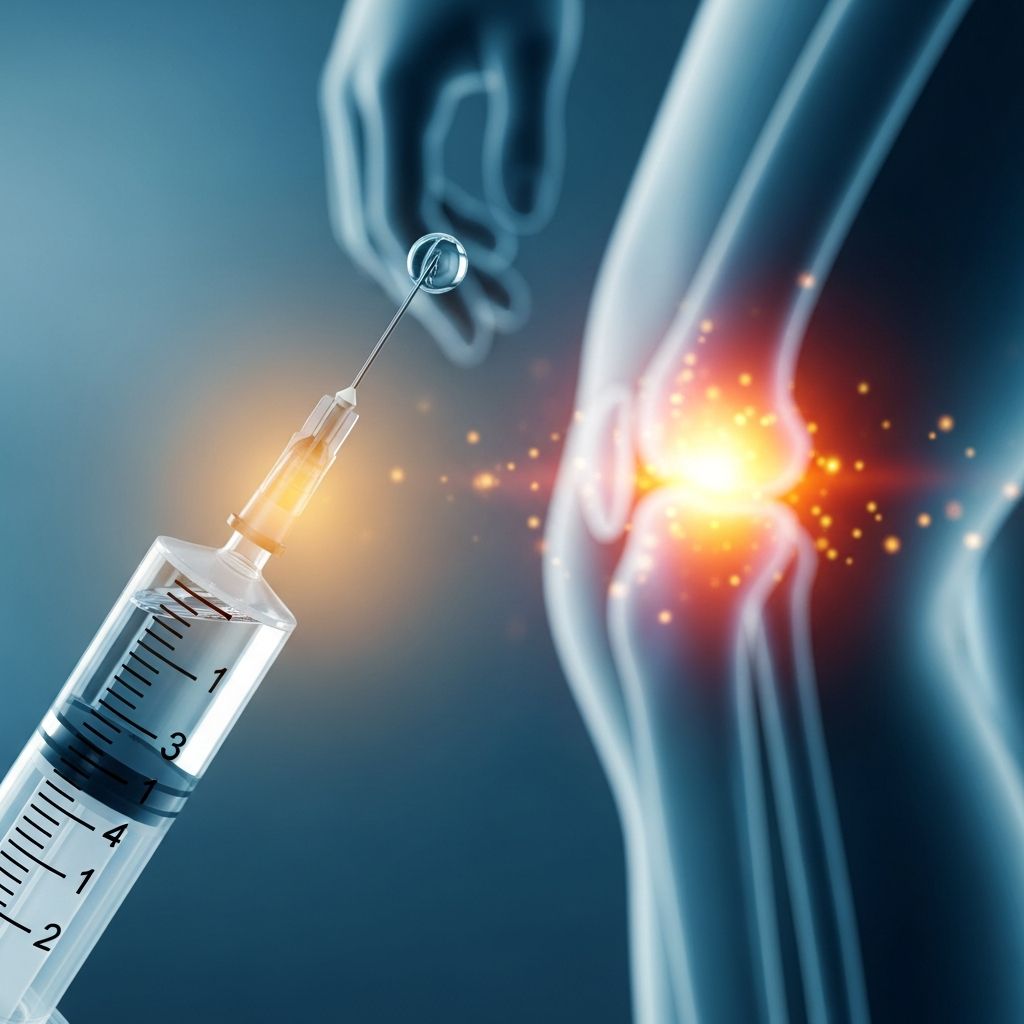
People with autoimmune diseases and inflammatory types of arthritis face unique challenges with COVID-19 vaccines due to immunosuppressive treatments that can blunt immune responses. Researchers measure vaccine effectiveness through antibody levels, T-cell responses, and real-world outcomes like infection rates and hospitalization risks. Recent studies confirm vaccines provide substantial protection despite these hurdles, though boosters and strategic medication adjustments enhance outcomes.
How do researchers determine if COVID-19 vaccines work in arthritis patients?
Effectiveness is assessed via multiple methods tailored to immunocompromised populations. Serological tests measure antibody levels post-vaccination, with adequate humoral immunogenicity achieved in 88.1% of rheumatoid arthritis (RA) patients in one study, linked to mRNA vaccines and prior infection. T-cell response evaluations gauge long-term cellular immunity, critical as antibody levels wane. Real-world data tracks breakthrough infections, hospitalizations, and deaths; for instance, post-vaccine COVID-19 occurred in 18.6% of RA patients after a median 6.5 months. Computer models estimate vaccines saved millions of lives overall, including among immunocompromised groups.
Challenges include variable responses from drugs like methotrexate or rituximab. Studies like the VROOM trial randomized patients to pause or continue methotrexate post-booster, showing doubled antibody responses with pausing. Guidelines from the American College of Rheumatology (ACR) recommend temporary holds on certain DMARDs to optimize responses.
What does the research show about immune response to COVID-19 vaccines in arthritis patients?
Research demonstrates robust yet variable responses. In RA patients, mRNA vaccines (Pfizer, Moderna) induced stronger humoral responses than viral vector types, with prior COVID-19 infection boosting seropositivity. Factors negatively impacting response include older age, smoking, anti-CCP positivity, and DMARD use like methotrexate.
- Humoral Immunity: 88.1% achieved adequate antibodies; negatively influenced by DMARDs but improved by pausing methotrexate for two weeks post-booster, doubling spike protein antibodies.
- Cellular Immunity: T-cell responses remain key for variant protection, though some studies note gaps in highly immunosuppressed patients.
- Comparative Data: Responses weaker than healthy controls but sufficient to reduce severe outcomes.
Vaccine adverse events were mild (19.5%), with RA flares rare (1.7%) and inversely age-related.
Does pausing methotrexate improve vaccine response?
Yes, pausing methotrexate for two weeks after boosters significantly enhances antibody production. The VROOM trial (254 participants, mostly RA and psoriatic arthritis) found the pause group had over double the antibodies at one and three months post-booster, regardless of age, disease, or prior infection. Indian studies with AstraZeneca showed similar gains after first or second doses.
| Group | Antibody Response | Flare Risk |
|---|---|---|
| Continued Methotrexate | Baseline levels | Lower short-term |
| Paused 2 Weeks | >2x higher at 1-3 months | Higher but mostly mild, self-managed |
ACR suggests one-week pauses based on flu vaccine data, but VROOM supports two weeks for COVID boosters. Flares increased initially but were non-serious; no long-term health impacts noted. Patients on <25mg weekly methotrexate benefited most.
Are boosters recommended for arthritis patients, and how effective are they?
Boosters are strongly recommended as primary protection wanes after months, especially in immunosuppressed individuals. They restore high antibody levels and prevent severe disease, even against variants. Immunocompromised patients show variable initial responses, but boosters elicit stronger secondary immunity.
Related Stories



- Effectiveness wanes in 4-5 months for some; boosters extend protection.
- New variants evade prior immunity, making updates essential.
- Studies confirm boosters reduce hospitalization risk substantially.
ACR and experts urge boosters alongside discussing medication timing with rheumatologists.
What is known about vaccine safety in arthritis patients?
Vaccines are safe with mostly mild side effects like injection-site soreness, fever, and fatigue—similar to the general population. RA flares post-vaccination are infrequent (1.7%), mild, and less common in older patients. No evidence links vaccines to significant flares; concerns stem from immune activation but data reassures.
Live vaccines pose risks for those on high immunosuppression (e.g., biologics), but COVID-19 vaccines are non-live. Zostavax studies showed safety with methotrexate/anti-TNF, though less effective.
How do different arthritis medications affect vaccine response?
Immunosuppressants variably blunt responses:
- Methotrexate: Reduces antibodies; pausing doubles response.
- Rituximab: Severely impairs due to B-cell depletion; vaccinate pre-cycle if possible.
- Anti-TNF (e.g., etanercept): Milder impact; responses near normal.
- Prednisone (low-dose): Minimal effect; higher doses more suppressive.
- Others (JAK inhibitors, abatacept): Moderate reduction; timing adjustments advised.
ACR guidelines: Hold methotrexate/rituximab briefly post-vaccination; continue others.
Should arthritis patients get the latest vaccine formulations for new variants?
Yes, updated vaccines target circulating variants, offering better neutralization. Arthritis patients, with potentially weaker baseline immunity, benefit most from staying current. Breakthroughs rise with variants, but vaccines prevent severe illness. Discuss with providers for personalized plans, including high-risk status for early access.[10]
What should arthritis patients discuss with their doctor before vaccination?
- Current medications and potential pauses (e.g., methotrexate holiday).
- Prior COVID-19 infection or vaccine history for response prediction.
- Comorbidities like age, smoking affecting immunogenicity.
- Booster timing and variant-specific shots.
- Symptom monitoring post-vaccination for rare flares.
Frequently Asked Questions (FAQs)
Will the COVID-19 vaccine cause an arthritis flare?
Flare risk is low (1.7% in studies), with events mild and self-resolving. Most side effects are transient.
Can I take my arthritis meds on vaccination day?
Generally yes, but discuss pausing methotrexate or others per ACR guidance.
How soon after rituximab can I vaccinate?
Ideally 3-6 months post-dose or pre-infusion for optimal response.
Are vaccines safe with biologics?
Yes, non-live COVID vaccines are safe; no increased infection risk from vaccination itself.
Do I need extra boosters as an arthritis patient?
Often yes; immunocompromised may qualify for additional doses.[10]
References
- Effectiveness and Safety of the COVID-19 Vaccine in Patients with Rheumatoid Arthritis — Pérez-García et al. 2024-06-25. https://pmc.ncbi.nlm.nih.gov/articles/PMC11209506/
- Pausing Methotrexate Doubles COVID-19 Vaccine Response — Arthritis Foundation (citing The Lancet Respiratory Medicine). 2022-09-24. https://www.arthritis.org/health-wellness/about-arthritis/related-conditions/other-diseases/pause-methotrexate-doubles-covid-vaccine-response
- Q&A: COVID-19 Vaccine Effectiveness and Arthritis Patients — Arthritis Foundation. Accessed 2026. https://www.arthritis.org/health-wellness/about-arthritis/related-conditions/other-diseases/q-a-covid-19-vaccine-effectiveness-and-arthritis-p
- COVID-19 FAQs: Infection Risk and Prevention — Arthritis Foundation. Accessed 2026. https://www.arthritis.org/health-wellness/about-arthritis/related-conditions/other-diseases/covid-19-faqs-infection-risk-and-prevention
- RA & Vaccinations During COVID — Arthritis Foundation (citing CDC, ACR). Accessed 2026. https://www.arthritis.org/health-wellness/treatment/treatment-plan/disease-management/ra-vaccinations-during-covid
- COVID: Two Years Later Show Notes — Arthritis Foundation. Accessed 2026. https://www.arthritis.org/getmedia/b575bba7-92ea-4b5b-92e3-5cb77f8fa823/COVID-19_Two_Years_Later_Show_Notes_with_Full_Transcript.pdf
Similar Articles








Read full bio of Sneha Tete