Quercetin Health Benefits: Science-Backed Uses and Effects
Discover quercetin's powerful antioxidant and anti-inflammatory benefits for heart, brain, and immune health.
What Is Quercetin?
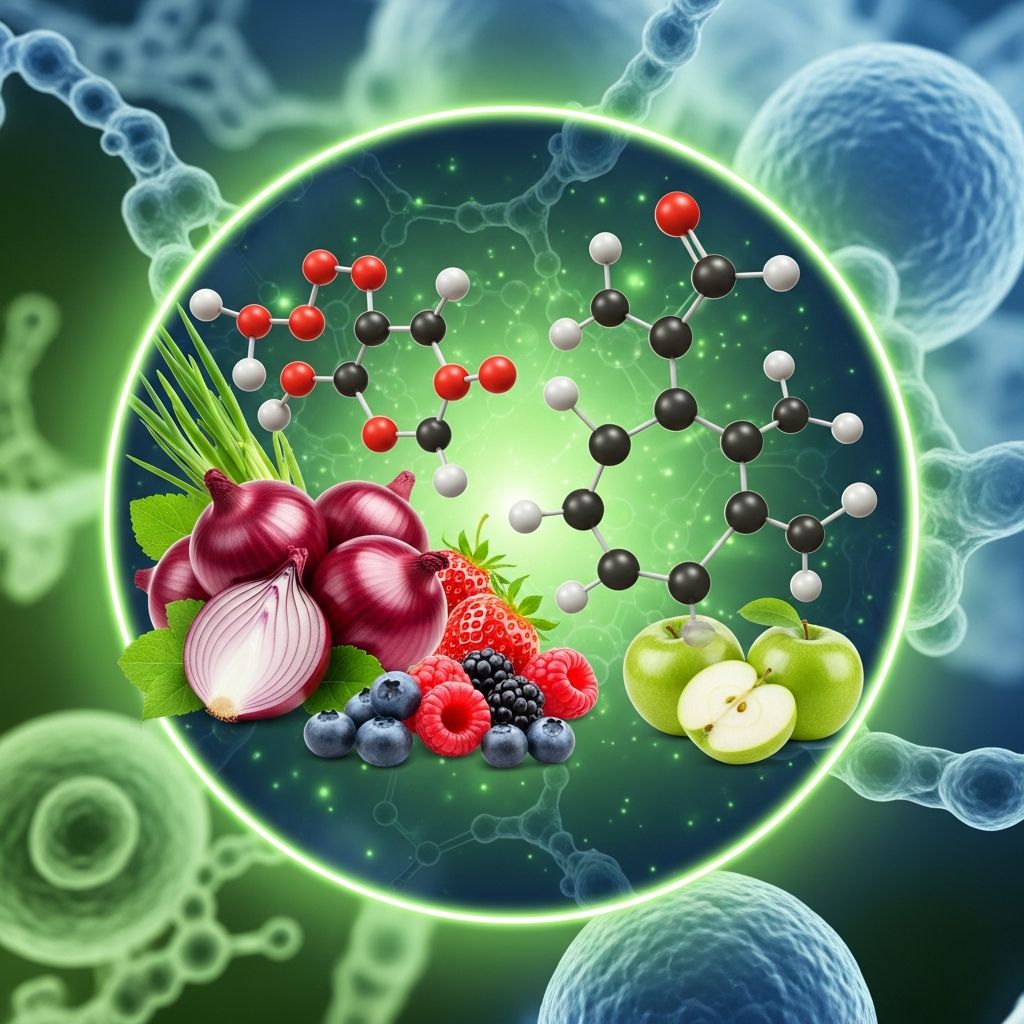
Quercetin is a natural flavonoid—a type of plant compound with powerful antioxidant and anti-inflammatory properties. Found abundantly in fruits, vegetables, and herbs, quercetin is the most abundant flavonoid in the diet. The average person consumes approximately 10–100 mg of quercetin daily through various food sources, though this amount varies based on dietary choices.
This naturally occurring compound has attracted significant scientific attention in recent decades due to its diverse biological activities and potential therapeutic applications. Quercetin works by scavenging reactive oxygen species (ROS) and reducing oxidative stress throughout the body, making it one of the most studied flavonoids in modern nutritional science.
Key Health Benefits of Quercetin
Cardiovascular Health Support
One of quercetin’s most well-documented benefits involves cardiovascular health. The compound supports heart function through multiple mechanisms:
- Blood Pressure Reduction: Quercetin lowers blood pressure by inhibiting ACE (angiotensin-converting enzyme) activity, which reduces the production of angiotensin II and promotes vasodilation. Clinical research involving 896 subjects using doses between 30–1000 mg over 2–12 weeks demonstrated significant reductions in both systolic and diastolic blood pressure.
- Cholesterol Management: Studies show quercetin can reduce cholesterol levels and improve HDL (good cholesterol) while lowering triglycerides.
- Endothelial Function: By exerting antioxidant properties and reducing oxidative stress, quercetin protects endothelial cells from damage and maintains their proper function, contributing to improved vascular health.
- Anti-inflammatory Effects: Quercetin reduces inflammation by preventing the production of pro-inflammatory enzymes and cytokines, such as COX-2 and TNF-α.
Cognitive and Neurological Protection
Quercetin demonstrates significant neuroprotective potential, particularly for age-related cognitive decline. Research indicates that quercetin protects the brain through two primary mechanisms:
Oxidative Stress Reduction: The compound acts as a potent antioxidant in the brain, scavenging reactive oxygen species and enhancing the activity of antioxidant enzymes. This helps counteract oxidative stress and protect against neurodegenerative processes associated with Alzheimer’s disease.
Neuroinflammation Modulation: Quercetin inhibits the activation of microglial cells and reduces the production of pro-inflammatory cytokines in the brain, thereby mitigating the detrimental effects of chronic inflammation. Additionally, quercetin inhibits acetylcholinesterase activity, supporting memory function and cognitive health.
In animal studies, quercetin at 50 mg/kg body weight prevented acetylcholinesterase activity increases in the brain and aided in memory recovery in diabetic models.
Anti-Cancer Properties
One of quercetin’s most significant impacts is its ability to inhibit the spread of certain cancers. Research demonstrates quercetin’s anticancer effects through multiple pathways:
- Inhibits cancer cell proliferation across multiple cancer types, including breast, cervical, lung, colon, prostate, and liver cancers.
- Induces apoptosis (programmed cell death) in cancer cells.
- Shows promise as a potential lead compound for treating EBV-associated gastric carcinoma by reducing EBV latency and inhibiting EBV infection.
While these findings are encouraging, most cancer research remains in preclinical stages, and further human clinical trials are needed.
Related Stories



Allergy and Asthma Relief
Quercetin provides natural relief for allergic conditions and asthma symptoms through anti-inflammatory and immunomodulatory mechanisms. The compound:
- Decreases mast cell degranulation and subsequent histamine release, thereby attenuating allergic responses.
- Reduces the severity of allergic reactions by inhibiting the production of inflammatory mediators such as prostaglandins and leukotrienes.
- Alleviates symptoms including itching, sneezing, and nasal congestion.
- Suppresses the production of inflammatory cytokines that play a crucial role in asthma pathogenesis.
- Reduces airway hyperresponsiveness, eosinophilic inflammation, and mucus hypersecretion—major characteristics of asthma.
Diabetes Management and Complications Prevention
Research indicates quercetin has anti-diabetes activity and can help prevent diabetes-related complications. The compound demonstrates benefits including:
- Blood sugar control through reduction of fasting glucose levels.
- Protection against diabetic complications, including prevention of bone architecture damage caused by diabetes.
- Wound healing enhancement—a study using nano-hydrogel embedded with quercetin and oleic acid showed significant reduction in wound healing time in diabetic patients.
- Memory recovery support by restoring acetylcholine function in the brain.
Immune System Support
Quercetin modulates immune responses and can support both immune function and autoimmune disease management. The compound:
- Exhibits antiviral properties, including enhanced antiviral activities when combined with vitamin C.
- Shows antibacterial effects.
- May help speed COVID-19 recovery when used as add-on therapy—studies showed that add-on quercetin supplementation decreased D-dimer, LDH, CRP, and ferritin levels.
- Demonstrates immunomodulatory effects beneficial for autoimmune diseases including rheumatoid arthritis, inflammatory bowel disease, multiple sclerosis, and systemic lupus erythematosus.
Anti-Inflammatory Benefits
Quercetin’s anti-inflammatory properties work across multiple body systems. Test-tube studies demonstrated that quercetin reduced markers of inflammation in human cells, including TNFα and interleukin-6. An 8-week clinical study in 50 women with rheumatoid arthritis found that participants taking 500 mg of quercetin experienced significantly reduced early morning stiffness, morning pain, and after-activity pain.
Additional Health Benefits
Beyond the major benefits listed above, quercetin shows potential for:
- Anti-Aging Effects: Test-tube and animal research suggests quercetin may help rejuvenate or eliminate aging cells and reduce markers of aging, though more human research is needed.
- Exercise Performance: A review of 11 human studies found that taking quercetin may slightly improve endurance exercise performance.
- Bone Health: The compound supports skeletal health and may help prevent osteoporosis.
- Eye Health: Quercetin has been studied for potential benefits in various eye disorders.
- Gastrointestinal Health: The compound may help with peptic ulcers and other digestive conditions.
Food Sources of Quercetin
Natural dietary sources provide significant amounts of quercetin. Foods rich in this flavonoid include:
- Apples (with skin)
- Berries (blueberries, cranberries, raspberries)
- Citrus fruits
- Onions (especially red onions)
- Leafy greens (kale, spinach)
- Tomatoes
- Broccoli
- Green tea
- Red wine
- Dark chocolate
Dosage and Supplementation
Clinical research has tested various quercetin dosages. For cardiovascular benefits, studies used doses ranging from 30–1000 mg daily over 2–12 week periods. For rheumatoid arthritis inflammation, 500 mg daily for 8 weeks demonstrated significant benefits. Optimal dosage may vary based on individual health status, specific health concerns, and supplement form. Consulting with a healthcare provider before starting quercetin supplementation is recommended to determine appropriate dosing for your individual circumstances.
Safety and Side Effects
Quercetin is generally well-tolerated at dietary levels and supplemental doses studied in clinical research. Most people can safely consume quercetin through food sources without concern. When taking supplements, possible side effects are typically mild and may include headache or stomach upset in some individuals. Quercetin demonstrates minimal side effects, particularly when combined with other supplements such as vitamin C. However, pregnant women, nursing mothers, and individuals taking specific medications should consult healthcare providers before supplementation.
How Quercetin Works in Your Body
Quercetin exerts its health benefits through multiple biological mechanisms:
- Antioxidant Scavenging: The compound scavenges reactive oxygen species and inhibits lipid peroxidation throughout the body.
- Enzyme Enhancement: Quercetin enhances the activity of antioxidant enzymes, strengthening the body’s natural defense systems.
- Inflammatory Marker Reduction: By inhibiting the production of inflammatory cytokines and enzymes, quercetin reduces inflammation at the molecular level.
- Molecular Pathway Modulation: Clinical and preclinical investigations demonstrate quercetin’s impacts on various signaling pathways and molecular targets.
Clinical Research and Evidence
Quercetin has undergone extensive scientific investigation. Multiple randomized controlled trials, clinical studies, and preclinical research have documented its therapeutic potential. Global clinical trials continue to validate quercetin’s therapeutic profile across various health conditions. The evidence base supporting quercetin’s benefits continues to expand as researchers investigate new applications and optimal dosing strategies.
Frequently Asked Questions
Q: Is quercetin safe for long-term use?
A: Quercetin is generally safe for long-term use at dietary and studied supplemental levels. Most clinical research has involved short-term usage (2–12 weeks), though the compound has an excellent safety profile. Consult healthcare providers for personalized recommendations regarding long-term supplementation.
Q: Can I get enough quercetin from food alone?
A: The average person consumes 10–100 mg of quercetin daily through food sources. For specific therapeutic benefits shown in clinical studies (typically 500–1000 mg), supplementation may be necessary. A diet rich in quercetin-containing foods provides baseline antioxidant benefits.
Q: Does quercetin interact with medications?
A: While quercetin is generally safe, it may interact with certain medications. Individuals taking blood thinners, blood pressure medications, or other pharmaceuticals should consult healthcare providers before supplementing with quercetin.
Q: How long does quercetin take to show benefits?
A: Clinical studies show varying timelines—some benefits appear within 2–4 weeks, while others require 8–12 weeks of consistent use. Individual response varies based on health status, dosage, and specific health conditions being addressed.
Q: Is quercetin better from food or supplements?
A: Both forms provide benefits, but they serve different purposes. Food sources offer quercetin within a complex nutritional matrix, while supplements provide concentrated doses for specific therapeutic applications. A combination approach—increasing dietary quercetin intake while supplementing for specific health concerns—may be optimal.
Conclusion
Quercetin represents a promising natural compound with extensive scientific support for its health benefits. From cardiovascular protection and cognitive support to anti-cancer properties and immune enhancement, this flavonoid demonstrates remarkable versatility in promoting human health. Whether obtained through a quercetin-rich diet or supplemental form, incorporating this powerful antioxidant into your health regimen may support long-term wellness across multiple body systems. As research continues to expand our understanding of quercetin’s therapeutic potential, this natural compound remains an accessible and evidence-based option for health optimization.
References
- Recent Advances in Potential Health Benefits of Quercetin — National Center for Biotechnology Information (NCBI), National Institutes of Health. 2023. https://pmc.ncbi.nlm.nih.gov/articles/PMC10384403/
- Quercetin as a Therapeutic Product: Evaluation of Its Efficacy and Safety — National Center for Biotechnology Information (NCBI), National Institutes of Health. 2023. https://pmc.ncbi.nlm.nih.gov/articles/PMC10674654/
- Potential Implications of Quercetin in Autoimmune Diseases — Frontiers in Immunology. 2021. https://www.frontiersin.org/journals/immunology/articles/10.3389/fimmu.2021.689044/
- Quercetin: Benefits, Foods, and How to Increase Your Intake — Healthline Media. https://www.healthline.com/nutrition/quercetin
Similar Articles








Read full bio of Sneha Tete