Quetiapine (Seroquel): Uses, Dosage & Side Effects Guide
Comprehensive guide to quetiapine (Seroquel): uses, dosage, side effects, and key considerations for schizophrenia and bipolar disorder treatment.
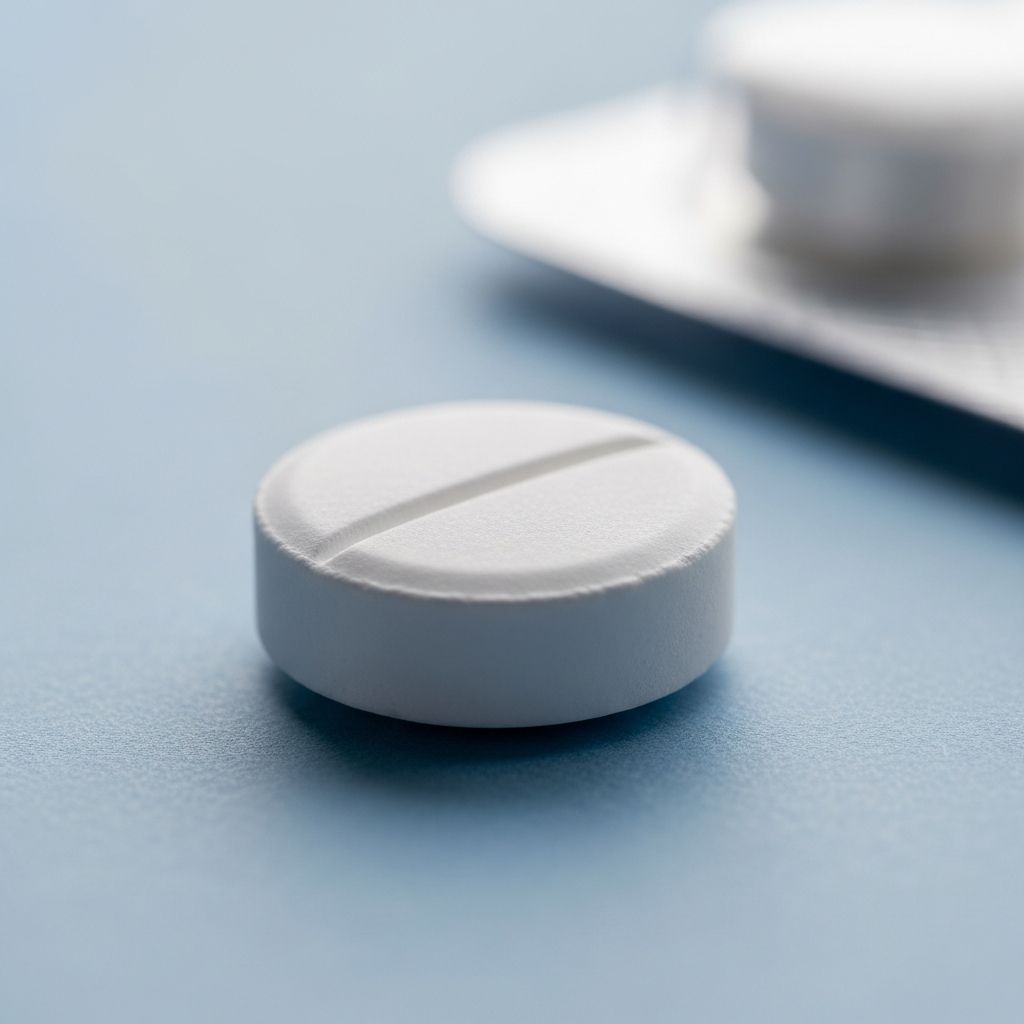
Quetiapine, sold under the brand name Seroquel, is an atypical antipsychotic medication primarily used to manage schizophrenia, bipolar disorder, and as an adjunct treatment for major depressive disorder. It works by rebalancing brain chemicals like dopamine and serotonin to improve thinking, mood, and behavior.
About quetiapine tablets
Quetiapine tablets are available in immediate-release and extended-release formulations, prescribed only with a doctor’s supervision. Immediate-release tablets are taken multiple times daily, while extended-release versions allow once-daily dosing for convenience. Common strengths include 25 mg, 50 mg, 100 mg, 200 mg, 300 mg, and 400 mg. This medication belongs to second-generation antipsychotics, distinguishing it from older typical antipsychotics by a lower risk of movement disorders.
Key facts about quetiapine
- Quetiapine starts working within 1-2 weeks, but full benefits for mood stabilization may take 4-6 weeks.
- Common side effects include drowsiness, dry mouth, dizziness, and weight gain.
- Not approved for dementia-related psychosis in older adults due to increased mortality risk.
- May cause orthostatic hypotension; rise slowly from sitting or lying positions.
- Requires gradual tapering to avoid withdrawal symptoms like nausea or insomnia.
What is quetiapine used for?
Quetiapine is FDA-approved for several psychiatric conditions. It treats schizophrenia by reducing hallucinations, delusions, and disorganized thinking through D2 receptor blockade in mesolimbic pathways.
For bipolar I disorder, it manages acute manic episodes as monotherapy or adjunct to lithium/divalproex, depressive episodes as monotherapy, and maintenance therapy adjunctively. Efficacy is supported by multiple controlled trials in adults and pediatrics (10-17 years for mania).
As an adjunct to antidepressants, it treats major depressive disorder (MDD), enhancing response via 5-HT2A and 5-HT7 antagonism.
How does quetiapine work?
Quetiapine balances neurotransmitters dopamine and serotonin. Excess dopamine contributes to positive schizophrenia symptoms like hallucinations, while serotonin dysregulation affects mood in bipolar and depression. It antagonizes D2 receptors for positive symptoms, 5-HT2A for negative symptoms and mood, and has affinity for histaminergic, adrenergic, and muscarinic receptors explaining sedation and anticholinergic effects.
Dosage
Dosing is individualized based on condition, age, and response. Start low and titrate slowly to minimize side effects like orthostatic hypotension.
| Condition | Population | Initial Dose | Target Dose | Max Dose |
|---|---|---|---|---|
| Schizophrenia | Adults | 25 mg twice daily | 400-800 mg/day | 800 mg/day |
| Bipolar Mania | Adults (monotherapy/adjunct) | 50 mg twice daily | 400-800 mg/day | 800 mg/day |
| Bipolar Depression | Adults (monotherapy) | 50 mg day 1, titrate | 300 mg/day | 300 mg/day |
| MDD Adjunct | Adults | 50 mg day 1, titrate | 150-300 mg/day | 300 mg/day |
Pediatric dosing for schizophrenia (13-17 years): start 25 mg twice daily, target 400-800 mg/day. For mania (10-17 years): similar titration. Extended-release: once daily, equivalent total daily dose. Adjust for CYP3A4 inducers (e.g., phenytoin, rifampin) by increasing up to 5-fold after 7-14 days.
How and when to take quetiapine
Take with or without food. Immediate-release: divide doses, often bedtime to leverage sedation. Extended-release: evenings. Swallow whole; do not crush or chew extended-release. If missed, take soon unless near next dose—do not double. Use pill organizer for adherence.
Common questions about quetiapine
How long does quetiapine take to work?
Improves sleep and anxiety quickly (days), but psychosis or mania control takes 1-2 weeks, full effects 4-6 weeks.
Related Stories



How long will I take quetiapine for?
Chronic conditions like schizophrenia or bipolar may require lifelong use. Reassess periodically; taper slowly.
Is quetiapine a sleeping tablet?
Causes sedation via H1 blockade but not indicated for insomnia alone. Off-label low-dose use common but risky.
Can I take quetiapine with alcohol?
No—intensifies sedation, dizziness, impairs judgment. Avoid.
Can I drive while taking quetiapine?
Impairs alertness; do not drive until effects known. Sedation peaks 1-2 hours post-dose.
Side effects of quetiapine
Most common (≥5%, twice placebo): somnolence, dry mouth, dizziness, constipation, asthenia, weight gain, dyspepsia.
Serious side effects
Monitor for neuroleptic malignant syndrome (fever, rigidity, autonomic instability), tardive dyskinesia (involuntary movements), metabolic changes (hyperglycemia, dyslipidemia, weight gain), seizures, orthostatic hypotension, QT prolongation, suicidal thoughts (especially youth), increased mortality in elderly dementia patients (4.5% vs 2.6% placebo), blood dyscrasias (e.g., leukopenia), cataracts, priapism.
Symptoms needing urgent care: fever, muscle stiffness, confusion, fast heartbeat, pale skin, seizures, severe dizziness.
Who can and cannot take quetiapine
Adults and children ≥10 years for specific indications. Contraindicated in hypersensitivity. Use caution in cardiovascular disease, diabetes, seizures, Parkinson’s, hepatic impairment, elderly.
Pregnancy and breastfeeding
Category C; use if benefits outweigh risks. Neonatal withdrawal possible. Limited data on breastfeeding; weigh risks.
Taking quetiapine with other medicines and herbal supplements
Strong CYP3A4 inhibitors (ketoconazole): halve dose. Inducers: increase up to 5x. Antihypertensives: potentiate hypotension. Levodopa/Parkinson’s meds: antagonized.
Common interactions:
- Antidepressants: increased sedation.
- Benzodiazepines: respiratory depression risk.
- St. John’s Wort: reduces efficacy.
Other medicines, food and drink, cannabis
Grapefruit juice inhibits CYP3A4. Limit caffeine if anxious. Cannabis may worsen psychosis.
Common side effects
Usually mild/transient:
- Drowsiness (23-40% adults)
- Dry mouth (12-20%)
- Weight gain (avg 2-7 lbs)
- Constipation, dizziness
Manage: hydration, fiber, exercise, bedtime dosing.
Serious side effects
Video or detailed symptoms as above. Report suicidal ideation, uncontrolled movements, vision changes.
Side effects in children
Higher somnolence (50-57%), fatigue, increased appetite, cholesterol changes. Monitor growth.
Reporting side effects
Contact doctor; report to FDA MedWatch.
How to cope with quetiapine side effects
- Sedation: nighttime dosing, avoid alcohol.
- Weight gain: diet/exercise, monitor BMI.
- Dry mouth: sugar-free gum, water.
- Dizziness: slow position changes.
Alternatives to quetiapine
Other atypicals: risperidone, olanzapine, aripiprazole, ziprasidone. Choice based on side effect profile, efficacy.
Frequently Asked Questions (FAQs)
Q: Does quetiapine cause weight gain?
A: Yes, common; monitor diet and exercise to mitigate.
Q: Can quetiapine be used for anxiety?
A: Off-label low doses sometimes used, but not first-line; consult provider.
Q: What if I forget a dose?
A: Take as soon as remembered unless near next; never double up.
Q: Is quetiapine addictive?
A: Not addictive, but withdrawal can occur if stopped abruptly.
Q: Can quetiapine cause diabetes?
A: Increases risk of hyperglycemia; screen regularly.
References
- SEROQUEL® (quetiapine) tablets, for oral use — U.S. Food and Drug Administration. 2025-01. https://www.accessdata.fda.gov/drugsatfda_docs/label/2025/020639s074lbl.pdf
- Quetiapine (Seroquel) – Uses, Side Effects, and More — WebMD. Accessed 2026. https://www.webmd.com/drugs/2/drug-4718/seroquel-oral/details
- Quetiapine: Uses, Interactions, Mechanism of Action — DrugBank. Accessed 2026. https://go.drugbank.com/drugs/DB01224
- Quetiapine: MedlinePlus Drug Information — MedlinePlus (NIH). Accessed 2026. https://medlineplus.gov/druginfo/meds/a698019.html
- Quetiapine (oral route) – Side effects & dosage — Mayo Clinic. Accessed 2026. https://www.mayoclinic.org/drugs-supplements/quetiapine-oral-route/description/drg-20066912
- Quetiapine (Seroquel) — National Alliance on Mental Illness (NAMI). Accessed 2026. https://www.nami.org/about-mental-illness/treatments/mental-health-medications/types-of-medication/quetiapine-seroquel/
- Quetiapine – StatPearls — NCBI Bookshelf (NIH). 2023. https://www.ncbi.nlm.nih.gov/books/NBK459145/
Similar Articles








Read full bio of medha deb