Quick Fixes for Aching Elbows: Relief Strategies
Discover effective strategies to relieve elbow pain through rest, heat, stretching, and bracing.
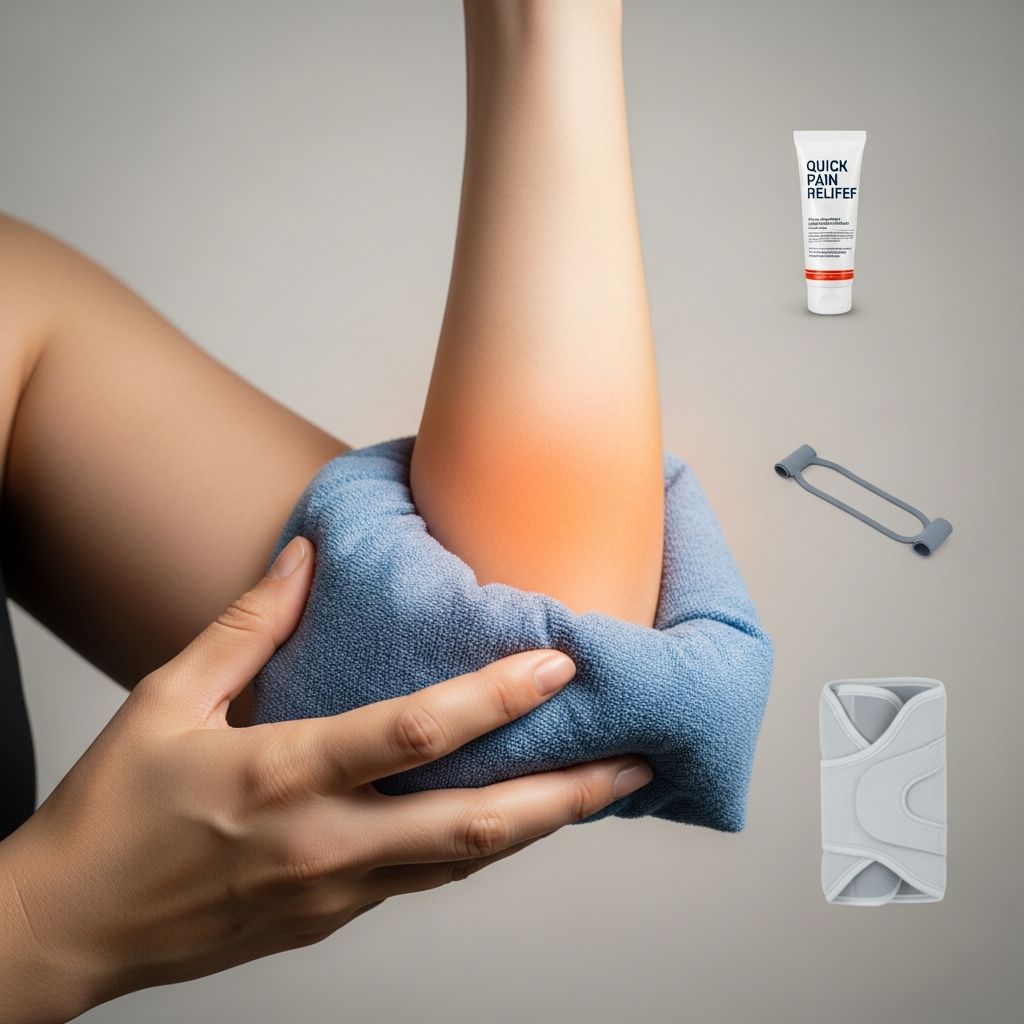
Elbow pain can significantly impact your daily activities, from simple tasks like lifting objects to enjoying your favorite hobbies. Whether your discomfort stems from overuse, repetitive strain, or an acute injury, understanding the available treatment options can help you find relief quickly. This comprehensive guide explores evidence-based strategies to manage aching elbows and get you back to normal function.
Understanding Elbow Pain
Elbow pain can arise from various causes, including repetitive strain injuries, muscular tension, ligament damage, or nerve compression. The condition often develops gradually, especially when activities involve repetitive wrist movements or prolonged gripping. Recognizing the source of your pain is the first step toward selecting the most appropriate treatment approach. Common culprits include tennis elbow (lateral epicondylitis), golfer’s elbow (medial epicondylitis), and general muscular strain from overuse.
Rest: The Foundation of Recovery
The most fundamental approach to treating aching elbows is rest. When you experience elbow pain, the first action should be to stop overuse of the muscle groups you suspect are causing the problem. This is particularly important if you have a hobby or project that requires repetitive wrist flexing or extending, as these movements can overuse the muscles and tendons of the forearm that connect to the elbow.
Rest doesn’t necessarily mean complete immobility. Instead, it means avoiding activities that aggravate your symptoms while allowing the affected structures time to heal. This temporary modification of your activities gives your body the opportunity to repair the damaged tissues and reduce inflammation naturally.
Heat Therapy: Promoting Blood Flow and Healing
Heat therapy represents one of the most accessible and effective quick fixes for aching elbows. Heat brings blood flow and nutrients to the elbow joint, which can encourage the natural healing process. Improved circulation delivers oxygen and essential nutrients to damaged tissues, facilitating faster recovery.
To use heat therapy safely and effectively, protect your skin with a thin cloth before placing a heating pad or hot pack around your elbow. Apply heat for 15-20 minutes at a time, allowing your body to absorb the therapeutic benefits without risking burns or tissue damage. Heat therapy works particularly well for stiffness and can be especially beneficial before engaging in gentle stretching exercises or before bed.
Heat therapy is particularly effective when combined with other treatment modalities. Many people find that applying heat before performing stretching exercises enhances the effectiveness of the stretches and provides greater relief.
Ice Therapy: Managing Swelling and Inflammation
While heat therapy promotes healing through increased blood flow, ice therapy serves a different purpose—reducing swelling and inflammation. Experts recommend icing for 15 minutes every 3 to 4 hours to reduce pain and swelling. Ice constricts blood vessels, which temporarily reduces inflammation and numbs the area, providing pain relief.
The choice between heat and ice depends on your specific situation. Ice works best for acute injuries with visible swelling, while heat suits chronic pain and stiffness. Some people benefit from alternating between the two therapies. Listen to your body and determine which modality provides the greatest comfort and relief for your particular condition.
Related Stories



Stretching: Restoring Flexibility and Reducing Tension
Stretching exercises represent a crucial component of elbow pain management. Stretching out the muscles of the forearm can offer significant relief and help restore normal range of motion. Regular stretching improves flexibility, reduces muscular tension, and promotes healing by increasing blood flow to the affected area.
Forearm Stretches
One effective forearm stretch involves straightening your elbow with the palm of your hand facing the floor, then gently pulling your fingers toward the underside of your wrist. You should feel a stretch along the back of your forearm. Hold this position for 30 seconds. Then flip your forearm over with your palm facing the ceiling and push your fingers toward the floor, holding for another 30 seconds. This stretch targets both the flexor and extensor muscles of the forearm, addressing tension from multiple angles.
Wrist Stretches
Additional wrist stretches can complement forearm stretches. Hold your arm straight out with your palm facing down, then use your other hand to gently pull your fingers downward until you feel the stretch in your inner forearm. Hold for 15 seconds and repeat five times. Then perform the same movement with your palm facing up to stretch the outer forearm.
Stretch Routine Guidelines
Harvard Health confirms that these kinds of stretches reduce morning stiffness and improve circulation. For optimal results, perform stretching routines 5–7 minutes before bed and upon waking. You can perform these stretches daily, as they encourage healing without requiring the rest and recovery time that strengthening exercises demand.
Bracing: Providing Support and Allowing Healing
Constantly wearing a brace keeps the muscles still, allowing them time to heal. Braces represent a passive but effective treatment option that restricts problematic movements while supporting the injured structures. You can purchase various arm braces at most drugstores, offering different levels of support depending on your needs.
When selecting a brace, look for one that immobilizes the muscles that may be causing your pain. If you often flex your wrist, a wrist or forearm brace may be most appropriate. The key is choosing a brace that effectively limits the movements that trigger or aggravate your symptoms.
For nighttime relief, consider using a soft night splint that keeps your elbow slightly bent and prevents nerve compression. This is particularly helpful if you sleep on your side, as it maintains proper joint alignment throughout the night.
Sleep Positioning: Optimizing Nighttime Recovery
The position you adopt while sleeping significantly influences nighttime elbow pain. Back sleeping with your elbow supported represents the optimal position for elbow health. Cleveland Clinic experts note that back sleeping distributes body weight evenly and reduces compression on the joints. When sleeping on your back, place a pillow under your forearm to prevent your arms from dangling, which keeps the elbows comfortable throughout the night.
If side-sleeping is your preference, always support the top arm with a pillow to maintain neutral alignment. A body pillow can help keep your arms in a supportive position. Avoid sleeping on your stomach, as this position often leads to nerve compression and tendon strain.
Exercises for Strengthening and Recovery
Once your elbow has healed from the acute phase, progressive strengthening becomes important. Talk to your doctor about physical therapy to strengthen the muscles surrounding the joint. Strengthening exercises help prevent recurrence and build resilience against future injuries.
Recommended Exercises
Physical therapy typically includes exercises such as biceps curls that focus on the muscles in your upper arm. Additional beneficial exercises include:
Finger Stretch: Place a rubber band around your fingers and thumb while cupping your hand. Slowly spread your thumb and fingers apart, then close them. Perform three sets of 10 repetitions, repeating 2-3 times daily.
Ball Squeeze: Hold a tennis ball or stress ball in your hand and squeeze and release. Do this 10 times, repeating 5-7 times weekly. If this causes pain, use a softer object like a sponge or balled-up socks.
Wrist Turn: Bend your elbow to 90 degrees by your side to form an L-shape. Hold your hand out with palm up, then gently turn your wrist so your palm faces down. Hold for 5 seconds and slowly release. Perform three sets of 10 repetitions.
Towel Twist: Hold a rolled-up towel in both hands with relaxed shoulders. Twist the towel in opposite directions as if wringing out water. After 10 twists, repeat going in opposite directions. Complete three sets of 10.
Elbow Curls: Stand with one foot in front of the other. Loop one end of a resistance band under your back foot and hold the other end with your palm facing up. Pull the band up and curl your arm toward your shoulder. Perform three sets of 10. When you can do 2 days of 30 repetitions without pain, add a 1-pound dumbbell, then progress to a 3-pound dumbbell.
Exercise Frequency and Progression
Strengthen your muscles every other day, allowing them time to repair and replenish energy stores. This schedule enables adequate recovery between sessions while building strength progressively. Before starting any new exercises, talk to your doctor. If anything hurts or you feel any discomfort, stop and consult your healthcare provider.
Advanced Treatments for Persistent Pain
When conservative measures don’t provide adequate relief, medical interventions may become necessary. Several advanced options can help manage stubborn elbow pain.
Physical Therapy Approaches
Professional physical therapy can provide specialized interventions beyond home exercises. Mulligan mobilization with movement and taping represents a form of physical therapy that repositions the muscles to protect injured tendons from further strain. A professional can show you exercises specifically designed to strengthen and stretch the muscles in your shoulder, upper arm, and wrists.
Injection Therapies
For more severe cases, injection therapies offer temporary or longer-term relief. Steroid injections into your elbow tendons can briefly ease some swelling and pain around the elbow joint. The steroid reduces swelling and inflammation, providing immediate pain relief for those with significant discomfort.
Botox injections represent another option, with studies showing these shots can treat chronic tennis elbow. These injections work by relaxing the muscles that contribute to pain and tension.
Regenerative Treatments
Needle fenestration represents a newer treatment option that uses special ultrasound to repeatedly guide a needle into the injured tendon to increase blood flow and promote healing. This technique stimulates the body’s natural healing response and can help chronic cases that haven’t responded to conventional treatment.
Prevention Strategies for Long-Term Health
After your elbow heals, implementing prevention strategies helps avoid recurrence. Maintain regular strengthening exercises to keep supporting muscles strong and resilient. Be mindful of activities that previously triggered pain, and modify them as needed. Take regular breaks during repetitive activities, and maintain proper ergonomics when working at desks or performing manual tasks.
Listen to your body and seek early intervention if you notice pain returning. Addressing minor discomfort before it becomes severe allows for quicker resolution and prevents chronic development.
When to Seek Medical Attention
While many cases of elbow pain respond well to conservative home treatments, certain situations warrant professional evaluation. Seek medical attention if you experience persistent pain despite weeks of home treatment, significant swelling or deformity, weakness in your arm or hand, signs of infection, or symptoms that progressively worsen. A healthcare professional can properly diagnose your condition and recommend appropriate treatment.
Frequently Asked Questions
What stops elbow pain fastest at night?
Sleep on your back with your elbow supported, keep the joint slightly open rather than tightly bent, use ice for swelling or heat for stiffness, and perform a short 5–7 minute stretch routine before bed and after waking.
How often should I ice my elbow?
Experts recommend icing for 15 minutes every 3 to 4 hours to reduce pain and swelling. Consistency with this schedule provides optimal anti-inflammatory benefits.
Can I exercise with elbow pain?
Yes, gentle stretching can be performed daily, while strengthening exercises should be done every other day to allow recovery. If any exercise causes significant pain, stop and consult your healthcare provider.
How long does it take for elbow pain to resolve?
Recovery varies depending on the underlying cause and severity. With consistent home treatment, many people experience significant improvement within 2-3 weeks. More persistent cases may require several weeks to months of treatment.
Should I use heat or ice for my elbow pain?
Use ice for acute injuries with swelling, and heat for chronic pain and stiffness. Some people benefit from alternating between the two. Experiment to determine which modality provides the greatest relief for your situation.
What type of brace is best for elbow pain?
Choose a brace that immobilizes the specific muscles causing your pain. For wrist-related pain, a wrist or forearm brace works well. For nighttime support, consider a soft night splint that keeps the elbow slightly bent.
Conclusion
Aching elbows respond well to a multi-faceted approach combining rest, heat or ice therapy, stretching, and bracing. For most people, implementing these quick fixes provides significant relief within days to weeks. Strengthening exercises help prevent recurrence once the acute phase resolves. When conservative treatments don’t provide adequate relief, advanced options like physical therapy, injections, or regenerative treatments become available. The key to successful elbow pain management is starting treatment early, remaining consistent with your chosen approach, and modifying activities that aggravate your symptoms. Remember to consult with a healthcare professional if your pain persists or worsens despite your treatment efforts.
References
- Quick Fixes for Aching Elbows — Orthopedic & Sports Medicine Center of Oregon. 2024. https://orthosportsmed.com/quick-fixes-for-aching-elbows/
- How to Stop Elbow Pain When Sleeping: Expert Tips That Work — Limitless Physical Therapy. 2024. https://limitlesspts.com/how-to-stop-elbow-pain-when-sleeping-expert-tips-that-work/
- Tennis Elbow Symptoms, Causes, and Treatments — WebMD. 2024. https://www.webmd.com/fitness-exercise/tennis-elbow-lateral-epicondylitis
- Joint Pain Relief Workout — Harvard Medical School. 2024. https://learn.hms.harvard.edu/programs/joint-pain-relief-workout
- Harvard Trained Pain Doctor | Excellent Elbow Pain Treatment in NYC — Pain Treatment Specialists. 2024. https://www.paintreatmentspecialists.com/elbow-pain-treatment-nyc/
Similar Articles








Read full bio of Sneha Tete