Quick Start Guide to Anti-Inflammation Diet
Reduce inflammation naturally with science-backed dietary strategies and food choices.
Quick Start Guide to an Anti-Inflammation Diet
Chronic inflammation has emerged as a significant health concern underlying many modern diseases. While acute inflammation is your body’s natural defense mechanism, persistent low-grade inflammation can damage tissues over time and increase the risk of conditions such as heart disease, type 2 diabetes, and autoimmune disorders. Fortunately, dietary choices offer a powerful tool to combat this silent threat. This comprehensive guide provides practical, actionable strategies to begin an anti-inflammatory eating pattern and support your long-term health.
Understanding Inflammation and Diet
Inflammation is your body’s immune response to injury, infection, or stress. In the short term, this protective mechanism is beneficial. However, when inflammation persists at low levels over months or years, it can harm healthy tissues and accelerate disease development. Research has demonstrated that certain foods promote inflammatory responses, while others actively suppress inflammation through their nutrient composition and bioactive compounds.
An anti-inflammatory diet is not about following rigid rules or extreme restrictions. Instead, it emphasizes abundance—adding nutrient-dense whole foods while naturally reducing foods that contribute to systemic inflammation. This balanced approach makes the diet sustainable and enjoyable for long-term adherence.
Core Principles of Anti-Inflammatory Eating
Understanding the foundational principles helps you make informed food choices without needing to memorize complex guidelines. The anti-inflammatory approach focuses on several key concepts:
Emphasize whole foods over processed options: Whole foods contain their natural fiber, vitamins, minerals, and phytochemicals intact, whereas processed foods often strip these protective compounds while adding inflammatory ingredients like refined sugars and unhealthy fats.
Prioritize plant diversity: Different colored fruits and vegetables provide different protective compounds. Eating a wide variety ensures you receive a comprehensive spectrum of antioxidants, polyphenols, and other inflammation-fighting substances that work synergistically in your body.
Choose healthy fats carefully: Not all fats are created equal. Unsaturated fats, particularly those rich in omega-3 fatty acids, actively reduce inflammation, while trans fats and excessive saturated fats promote it.
Include fiber-rich foods: Fiber feeds beneficial gut bacteria, which produce compounds that reduce inflammation and strengthen your intestinal barrier—a critical factor in preventing systemic inflammation.
Foods to Include Regularly
Fruits and Vegetables
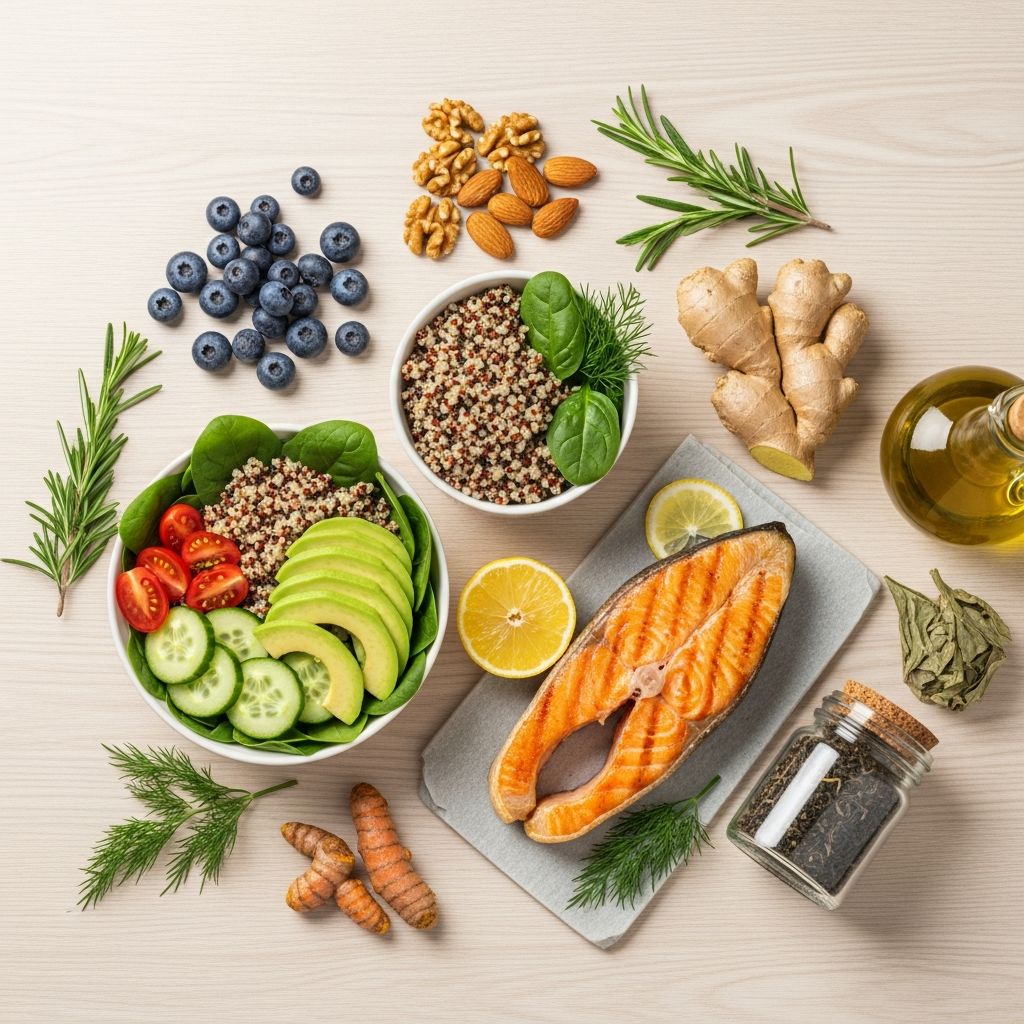
These should form the foundation of your anti-inflammatory diet. Aim for variety and color, as different pigments indicate different protective compounds. Dark leafy greens like spinach, kale, and collards are particularly potent, containing high levels of vitamin K and antioxidants. Cruciferous vegetables such as broccoli and Brussels sprouts contain sulforaphane, a compound with powerful anti-inflammatory properties. Berries—blueberries, strawberries, raspberries, and blackberries—contain anthocyanins that reduce inflammatory markers. Orange and yellow vegetables like sweet potatoes and carrots provide beta-carotene and other carotenoids.
Whole Grains
Refined grains trigger blood sugar spikes that promote inflammation, while whole grains provide sustained energy and protective compounds. Choose oats, brown rice, quinoa, farro, and whole wheat bread and pasta. These foods contain fiber, B vitamins, and phytochemicals that support anti-inflammatory processes.
Healthy Fats
Olive oil: Extra virgin olive oil contains oleocanthal, a compound with effects similar to anti-inflammatory medications. Use it for salad dressings and low-heat cooking.
Fatty fish: Salmon, sardines, mackerel, herring, and anchovies are rich in omega-3 fatty acids (EPA and DHA), which reduce multiple inflammatory markers. Aim for two to three servings weekly.
Nuts and seeds: Walnuts, almonds, flaxseeds, chia seeds, and hemp seeds provide omega-3s, fiber, and polyphenols. A small handful makes an excellent snack.
Related Stories



Avocados: These provide monounsaturated fats and potassium while supporting heart and brain health.
Legumes
Beans, lentils, and peas are nutritional powerhouses containing protein, fiber, and polyphenols. They also feed beneficial gut bacteria that produce short-chain fatty acids with anti-inflammatory effects.
Herbs and Spices
Turmeric, containing curcumin, is one of the most studied anti-inflammatory compounds. Ginger provides gingerols and shogaols with similar effects. Other beneficial spices include garlic, cinnamon, oregano, and black pepper. These are calorie-free flavor enhancers that provide concentrated anti-inflammatory compounds.
Beverages
Green and black tea contain polyphenols that reduce inflammation. Coffee, despite past misconceptions, is associated with reduced inflammatory markers when consumed in moderation (three to four cups daily). Dark chocolate with at least 70% cocoa solids provides flavonoids; enjoy small amounts as part of a balanced diet. Limit alcohol, but moderate consumption of red wine may offer some anti-inflammatory benefits due to its resveratrol content.
Foods to Limit or Avoid
Reducing inflammatory trigger foods is as important as adding protective ones. These foods actively promote inflammation or create metabolic conditions that increase it:
Refined carbohydrates and sugary foods: White bread, pastries, sugary cereals, and desserts cause rapid blood sugar spikes that trigger inflammatory responses. Limit added sugars to less than six teaspoons daily for women and nine teaspoons for men.
Sugary beverages: Soda, energy drinks, and sweetened juices deliver concentrated sugar without protective fiber or nutrients. Even a single sugary drink daily is associated with increased inflammation.
Processed meats: Bacon, sausage, deli meats, and hot dogs contain compounds that promote inflammation. Choose unprocessed poultry and lean cuts instead.
Fatty cuts of red meat: While lean red meat can be part of a balanced diet, fatty cuts contain high levels of saturated fat and arachidonic acid, which promote inflammation. Limit red meat to one or two times weekly.
Fried foods: The high-heat cooking process creates inflammatory compounds called advanced glycation end products (AGEs). These are particularly abundant in fried foods.
Trans fats and partially hydrogenated oils: Found in many baked goods and margarines, these fats directly promote inflammation and should be eliminated entirely.
Excessive alcohol: While moderate amounts of wine may offer benefits, excess alcohol increases inflammatory markers and damages the gut barrier.
Practical Implementation Strategies
Shopping Smart
Stock your pantry and refrigerator strategically. Purchase frozen vegetables and berries—they’re nutritionally equivalent to fresh varieties but more convenient. Keep canned beans, whole grain pasta, olive oil, and a variety of spices readily available. Read food labels, paying attention to added sugars and ingredient lists. Aim for foods with five or fewer recognizable ingredients.
Meal Planning
Plan meals around vegetables and whole grains, adding lean protein and healthy fats. A simple template: one-half plate of vegetables, one-quarter plate of whole grains or legumes, and one-quarter plate of lean protein. For snacks, pair protein with fiber—hummus and vegetables, nuts with fruit, or plain yogurt with berries.
Cooking Methods
Choose cooking methods that preserve nutrients: steaming, boiling, roasting at moderate temperatures, grilling, and sautéing in olive oil. Avoid charring foods excessively, as this creates inflammatory compounds. Quick-cooking methods help preserve heat-sensitive nutrients like vitamin C.
Restaurant Eating
Look for restaurants that emphasize vegetables and whole grains. Choose grilled protein options, request dressings and sauces on the side, and don’t hesitate to ask for modifications. Mediterranean and Asian restaurants typically offer anti-inflammatory choices.
The Mediterranean and DASH Diets: Evidence-Based Patterns
Two dietary patterns have particularly strong evidence for reducing inflammation and chronic disease risk: the Mediterranean diet and the DASH (Dietary Approaches to Stop Hypertension) diet. Both emphasize fruits, vegetables, whole grains, legumes, and healthy fats while limiting processed foods and saturated fat.
The Mediterranean diet, inspired by traditional eating patterns in countries bordering the Mediterranean Sea, includes abundant plant foods, olive oil as the primary fat source, moderate fish consumption, and limited red meat. Studies show it significantly reduces inflammatory markers compared to typical Western diets.
The DASH diet similarly emphasizes fruits, vegetables, whole grains, lean proteins, and dairy products while limiting sodium and added sugars. Both diets consistently show benefits for heart health, diabetes prevention, and cognitive function.
Additional Lifestyle Factors
While diet is powerful, inflammation is influenced by multiple factors. Supporting your anti-inflammatory diet with other healthy habits amplifies benefits:
Regular physical activity: Exercise reduces inflammatory markers through effects on immune cells and chemical messengers called cytokines. Aim for 150 minutes of moderate activity weekly.
Adequate sleep: Poor sleep increases inflammatory markers. Prioritize seven to nine hours nightly and maintain consistent sleep schedules.
Stress management: Chronic stress elevates inflammatory hormones. Practice meditation, yoga, deep breathing, or activities you enjoy.
Maintain healthy weight: Excess fat tissue produces inflammatory compounds. Even modest weight loss reduces inflammation.
Avoid smoking: Smoking directly damages lung tissue and triggers systemic inflammation.
Frequently Asked Questions
Q: How long before I notice benefits from an anti-inflammatory diet?
A: Some people notice improvements in energy and digestion within days to weeks, while reductions in inflammatory markers typically appear after several weeks to months of consistent eating patterns.
Q: Can an anti-inflammatory diet help with rheumatoid arthritis?
A: Research suggests anti-inflammatory dietary patterns may help reduce symptoms in some people with rheumatoid arthritis, though individual responses vary. Mediterranean and vegan diets have shown promise in clinical studies.
Q: Is an anti-inflammatory diet expensive?
A: No. Beans, lentils, frozen vegetables, and seasonal produce are affordable. Whole foods are often less expensive than processed alternatives when purchased strategically.
Q: Can I follow an anti-inflammatory diet if I’m vegetarian or vegan?
A: Absolutely. Plant-based diets rich in vegetables, legumes, nuts, seeds, and whole grains are inherently anti-inflammatory. Vegetarians and vegans following these patterns show lower inflammatory markers than those consuming typical Western diets.
Q: Should I eliminate all sugar and carbohydrates?
A: No. The focus is on refined carbohydrates and added sugars. Whole grains, legumes, fruits, and vegetables contain carbohydrates that, along with their protective compounds and fiber, support anti-inflammatory processes.
Q: Is this diet recommended for disease treatment?
A: While evidence supports anti-inflammatory diets for prevention, dietary changes should complement, not replace, medical treatment for diagnosed inflammatory conditions. Consult your healthcare provider about your specific situation.
Getting Started Today
Beginning an anti-inflammatory diet doesn’t require perfection or dramatic changes. Start by adding one anti-inflammatory food to each meal: berries at breakfast, a salad at lunch, and fatty fish at dinner. Gradually replace inflammatory foods with better options. Keep a simple food journal noting how different foods affect your energy and well-being.
Remember that this isn’t a temporary diet but a sustainable eating pattern supporting long-term health. The Mediterranean and DASH diets demonstrate that anti-inflammatory eating can be delicious, satisfying, and sustainable for decades. By making thoughtful food choices today, you invest in a healthier future with reduced inflammation and lower risk for chronic disease.
References
- Diet Review: Anti-Inflammatory Diet — Harvard T.H. Chan School of Public Health, The Nutrition Source. 2024. https://nutritionsource.hsph.harvard.edu/healthy-weight/diet-reviews/anti-inflammatory-diet/
- An Action Plan to Fight Unhealthy Inflammation — Harvard Health Publishing. 2022-05-05. https://www.health.harvard.edu/blog/an-action-plan-to-fight-unhealthy-inflammation-202205052739
Similar Articles








Read full bio of Sneha Tete