Nuts And Seeds: Quick-Start Guide For Heart Health
Discover the nutritional powerhouse of nuts and seeds for optimal health.
Quick-Start Guide to Nuts and Seeds
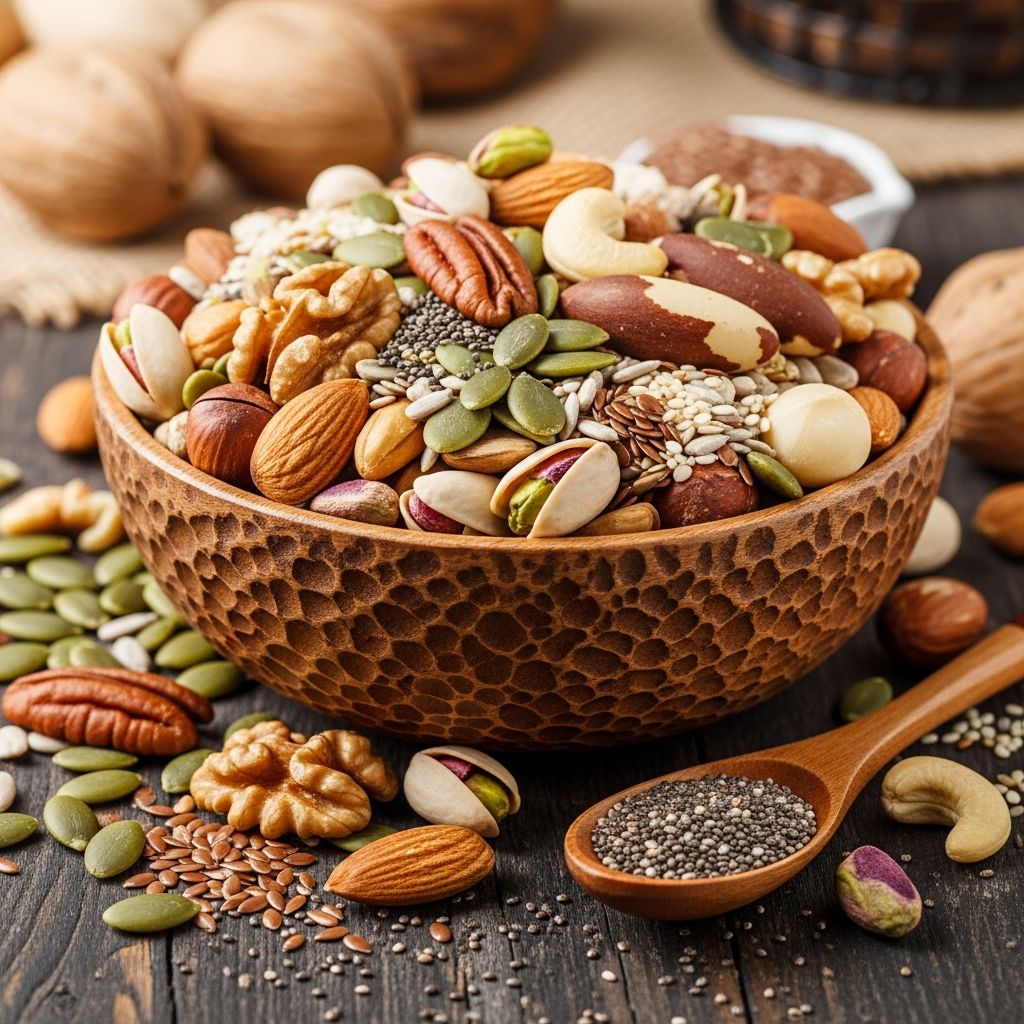
Nuts and seeds are tiny nutritional powerhouses that deliver significant amounts of protein, fiber, and essential nutrients in every bite. Whether you’re looking to improve your heart health, boost your energy, or simply add more nutrition to your diet, understanding the differences between nuts and seeds and how to use them effectively is essential. This comprehensive guide explores everything you need to know about incorporating these nutrient-dense foods into your daily routine.
What’s the Difference Between Nuts and Seeds?
While the terms are often used interchangeably, nuts and seeds have distinct botanical differences that affect their nutritional profiles and culinary applications.
Understanding Seeds
Culinary seeds are reproductive units that come from various plant sources, including vegetables like pumpkins, flowers such as sunflowers, and crops specifically grown for multiple uses like flax and hemp. These seeds are naturally packaged with the energy and nutrients needed to develop into new plants, making them exceptionally nutrient-dense.
Understanding Nuts
Botanically speaking, nuts are actually seeds themselves—specifically the seeds of plants, primarily from trees or legumes such as peanuts. Many nuts grow inside protective leathery fruits, as seen with walnuts and cashews. True botanical nuts include hazelnuts and chestnuts, though the culinary classification is broader. This distinction is important because it helps explain why both nuts and seeds share similar nutritional benefits while offering unique advantages.
Health Benefits of Nuts and Seeds
Scientific research consistently demonstrates the remarkable health benefits associated with regular nut and seed consumption. These benefits extend far beyond simple nutrition, offering protective effects against multiple chronic diseases.
Cardiovascular Protection
Higher nut intake is associated with a significantly reduced risk of cardiovascular disease, making nuts and seeds excellent choices for heart health. The evidence supporting cardiovascular benefits is particularly strong, with studies showing that regular consumption can lower blood pressure and improve cholesterol levels.
Comprehensive Disease Prevention
Beyond heart health, nuts and seeds offer protection against multiple conditions. Research demonstrates associations with reduced risk of total cancer, all-cause mortality, and mortality from respiratory disease, diabetes, and infections. The antioxidant and anti-inflammatory compounds found in nuts and seeds contribute to these protective effects and may also influence gut microbiota structure positively.
Anti-Aging and Cellular Benefits
A 2017 study suggested that consumption of nuts and seeds might delay the aging of cells, offering potential longevity benefits. These findings support the inclusion of nuts and seeds as part of a long-term wellness strategy. Additionally, nuts like almonds have been shown to reduce oxidative stress by 24% to 31% over four weeks when consumed in appropriate quantities.
Key Nutrients in Nuts and Seeds
The nutritional power of nuts and seeds comes from their concentration of essential macronutrients and micronutrients. Understanding which nuts and seeds are richest in specific nutrients helps you make targeted dietary choices.
Protein Content
Related Stories



Nuts and seeds are excellent plant-based protein sources. A one-ounce serving of nuts provides 3-7 grams of protein, making them ideal for meeting daily protein requirements. Peanuts, pumpkin seeds, and almonds are particularly protein-rich, offering among the highest protein content per serving. For optimal satiety and nutritional balance, pair nuts and seeds with carbohydrates to create balanced, satisfying snacks.
Iron and Iron Absorption
Nuts and seeds serve as rich sources of non-heme iron, an important consideration for those seeking plant-based iron sources. However, iron absorption from plant sources can be optimized by consuming vitamin C at the same meal, which enhances bioavailability. Conversely, bran fiber, large amounts of calcium (particularly from supplements), and plant substances like tannins can inhibit non-heme iron absorption. Strategic meal planning can maximize the iron benefits of nuts and seeds.
Calcium and Magnesium
Sesame seeds, chia seeds, and almonds are excellent sources of both calcium and magnesium. Two tablespoons of chia seeds provide 18% of the recommended daily intake of calcium and 23% of magnesium. For comparison, non-fat milk provides approximately 30% of the daily calcium recommendation and 7% of magnesium. This makes seeds an attractive option for those seeking these minerals from plant-based sources.
Omega-3 Fatty Acids
Omega-3 fatty acids come in three primary forms: EPA and DHA (animal-based, found in fish like anchovies, tuna, salmon, and sardines) and ALA (plant-based, found in walnuts, pumpkin seeds, and flaxseeds). While plant-based omega-3s have different physiological roles than their animal counterparts, they remain valuable for overall health. Walnuts are particularly notable for their alpha-linolenic acid (ALA) omega-3 content and have been shown to reduce the risk of heart disease in both those with and without existing heart disease.
Nutrient Comparison Chart
| Nutrient Category | Top Sources | Key Benefits |
|---|---|---|
| Higher in Protein | Peanuts, Pumpkin Seeds | Muscle repair and maintenance |
| Higher in Fiber | Chia, Flax, Almonds | Digestive health, satiety |
| Higher in Phytosterols | Sesame, Sunflower, Pistachio | Cholesterol-lowering compounds |
| Higher in Omega-3s | Flax, Chia, Walnuts | Heart and brain health |
| Higher in Calcium | Sesame, Chia, Almonds | Bone health |
| Lower in Fat and Calories | Chestnuts, Pumpkin, Cashews | Weight management options |
Culinary Usage of Nuts and Seeds
Nuts and seeds are incredibly versatile ingredients that can be incorporated into virtually any meal or snack. Their adaptability makes them easy to add to your daily diet without requiring significant dietary changes.
Healthy Snack Ideas
Create your own trail mix combining walnuts, almonds, and dark chocolate for a delicious, nutrient-dense snack. Apple with peanut or almond butter offers natural sweetness paired with protein and healthy fats. Celery or carrots with hummus provides satisfying crunch with additional plant-based nutrition. These whole food snack options are preferable to processed alternatives, supporting the WHO recommendation of consuming 25 to 29 grams of fiber daily.
Meal Integration
Beyond snacking, nuts and seeds enhance main courses, salads, breakfast dishes, and baked goods. Sprinkling seeds on salads adds textural contrast and nutritional boost. Nuts can be incorporated into grain bowls, used as crusts for proteins, or blended into smoothies. Their versatility supports consistent, sustainable dietary improvements.
The Importance of Dietary Fat
Understanding the role of dietary fat is crucial for making informed nutritional choices. Contrary to past dietary advice promoting low-fat diets, newer research demonstrates that diets rich in unsaturated fats provide significant health benefits.
Polyunsaturated Fats
Polyunsaturated fats are found in both plant and animal foods, including salmon, vegetable oils, and many nuts and seeds. This category includes omega-3 and omega-6 fats. Strong evidence shows that replacing saturated fats with polyunsaturated fats is associated with reduced blood levels of total cholesterol and low-density lipoprotein-cholesterol (LDL-cholesterol), improving cardiovascular health markers.
Monounsaturated Fats
Monounsaturated fats are primarily found in plant foods such as nuts, avocados, and vegetable oils. Evidence demonstrates that replacing saturated fats with plant sources of monounsaturated fats may be associated with reduced risk of cardiovascular disease and improved blood sugar and insulin levels, supporting metabolic health.
Let’s Talk Fat: Myths and Facts
Fat has long been misunderstood in nutritional science, with outdated recommendations leading to unnecessary dietary restrictions. Modern research provides clear guidance on healthy fat consumption.
The Fat Myth
The widespread belief that all dietary fat is harmful has been largely debunked by contemporary nutritional science. Consuming unsaturated fats from nuts, seeds, and other plant sources actively supports health rather than compromises it. The focus should be on replacing saturated fats with unsaturated alternatives rather than eliminating fat entirely.
Balancing All Macronutrients
Just as fat is essential, carbohydrates are also crucial macronutrients. Sources of whole grains, fruits, and starchy vegetables are rich in fiber, vitamins, and minerals, and they support endurance, muscle growth, brain function, and overall wellness. The Institute of Medicine recommends a macronutrient distribution range of 45-65% of calories from carbohydrates, 10-35% from protein, and 20-35% from fat. Rather than eliminating food groups, focus on balance and quality.
Maintaining Stable Blood Sugar Throughout the Day
Incorporating nuts and seeds strategically throughout the day can help maintain consistent blood sugar levels, preventing energy crashes and supporting sustained focus and productivity.
Strategic Snacking
Rather than relying on sugary snacks that cause blood sugar spikes and crashes, choose nuts and seeds paired with whole grains or fruits. This combination of protein, healthy fat, and complex carbohydrates provides sustained energy release. A handful of almonds with an apple offers both immediate satisfaction and lasting energy stability.
Meal Composition
Including nuts or seeds in meals ensures adequate protein and fat content, which slow the digestion and absorption of carbohydrates, resulting in more gradual and stable blood sugar responses. This approach supports both immediate and long-term health outcomes.
Nuts and Seeds in the Context of the Harvard Healthy Eating Plate
The Harvard Healthy Eating Plate provides evidence-based guidance for structuring balanced meals, with nuts, seeds, and legumes representing optimal protein sources for a significant portion of your diet. These plant-based proteins align with recommendations to prioritize whole, minimally processed foods.
The Protein Quarter
Within the Harvard framework, nuts, seeds, and legumes occupy a prominent place as healthy protein sources. This emphasizes the nutritional adequacy of plant-based proteins and their role in comprehensive dietary patterns.
Frequently Asked Questions
Q: How much of an ounce serving should I consume daily?
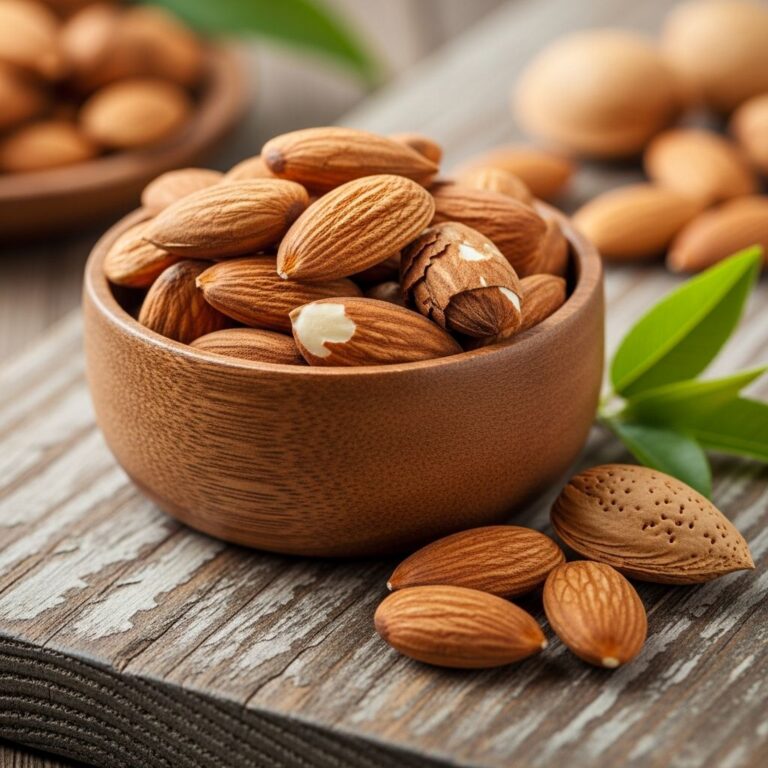
A: A standard serving of nuts is approximately one ounce, roughly 24 almonds. For optimal benefits, consuming about 3 ounces spread throughout the day can significantly reduce oxidative stress and support various health markers.
Q: Can I get sufficient omega-3s from plant-based nuts and seeds?
A: While plant-based omega-3s (ALA) differ from animal-based EPA and DHA, they provide valuable health benefits. Walnuts, flaxseeds, and chia seeds are excellent plant-based omega-3 sources and have demonstrated cardiovascular benefits.
Q: Are nuts and seeds suitable for weight management?
A: Yes. Despite their fat content, nuts and seeds support weight management through their protein and fiber content, which promote satiety. Chestnuts, pumpkin seeds, and cashews are lower-calorie options. Portion control remains important.
Q: How can I improve iron absorption from nuts and seeds?
A: Consuming nuts and seeds with vitamin C-rich foods at the same meal enhances non-heme iron absorption. Avoid consuming them with calcium supplements, excessive bran fiber, or foods high in tannins, which inhibit absorption.
Q: Can people with nut allergies benefit from seeds?
A: Yes. Seeds like pumpkin, sunflower, chia, and flax offer similar nutritional benefits and can be safely enjoyed by those with nut allergies. Always consult with a healthcare provider regarding specific allergies.
Q: What makes almonds particularly beneficial?
A: Almonds are exceptionally nutrient-dense, providing protein, magnesium, calcium, and antioxidants. They have been shown to reduce oxidative stress and support energy levels, making them a versatile nutritional tool for comprehensive wellness.
References
- Quick-Start Guide to Nuts and Seeds — Harvard Health Publishing. 2025. https://www.health.harvard.edu/nutrition/quick-start-guide-to-nuts-and-seeds
- Guidelines for Nutrition & Fitting Healthy Eating into the Day: Part 7 — Harvard Medical School Continuing Education. Elizabeth Frates, MD. 2022-10-26. https://www.youtube.com/watch?v=w2hVQA51zG8
- The Power of Seeds and Healthful Fats — Phipps Conservatory. Maris Altieri, RD. https://www.phipps.conservatory.org/assets/images/as_art_image/Power_of_Nuts,_Seeds_and_Healthful_Fats.pdf
- Dietary Reference Intakes for Energy, Carbohydrate, Fiber, Fat, Fatty Acids, Cholesterol, Protein, and Amino Acids — Institute of Medicine. 2005. https://www.nap.edu/read/10490/
- Guideline: Sugars Intake for Adults and Children — World Health Organization. 2015. https://www.who.int/publications/i/item/9789241549028
- Nuts and Cardiovascular Disease: A Systematic Review and Meta-Analysis of Prospective Epidemiological Studies — American Journal of Clinical Nutrition. 2014. https://pubmed.ncbi.nlm.nih.gov/23885994/
- Nut Consumption and Risk of Mortality in the PREDIMED Trial — American Journal of Clinical Nutrition. 2013. https://pubmed.ncbi.nlm.nih.gov/23945722/
Similar Articles








Read full bio of medha deb