Quinagolide Tablets: Comprehensive Guide To Norprolac Treatment
Comprehensive guide to Quinagolide (Norprolac) tablets: uses, dosage, side effects, and management for hyperprolactinaemia treatment.
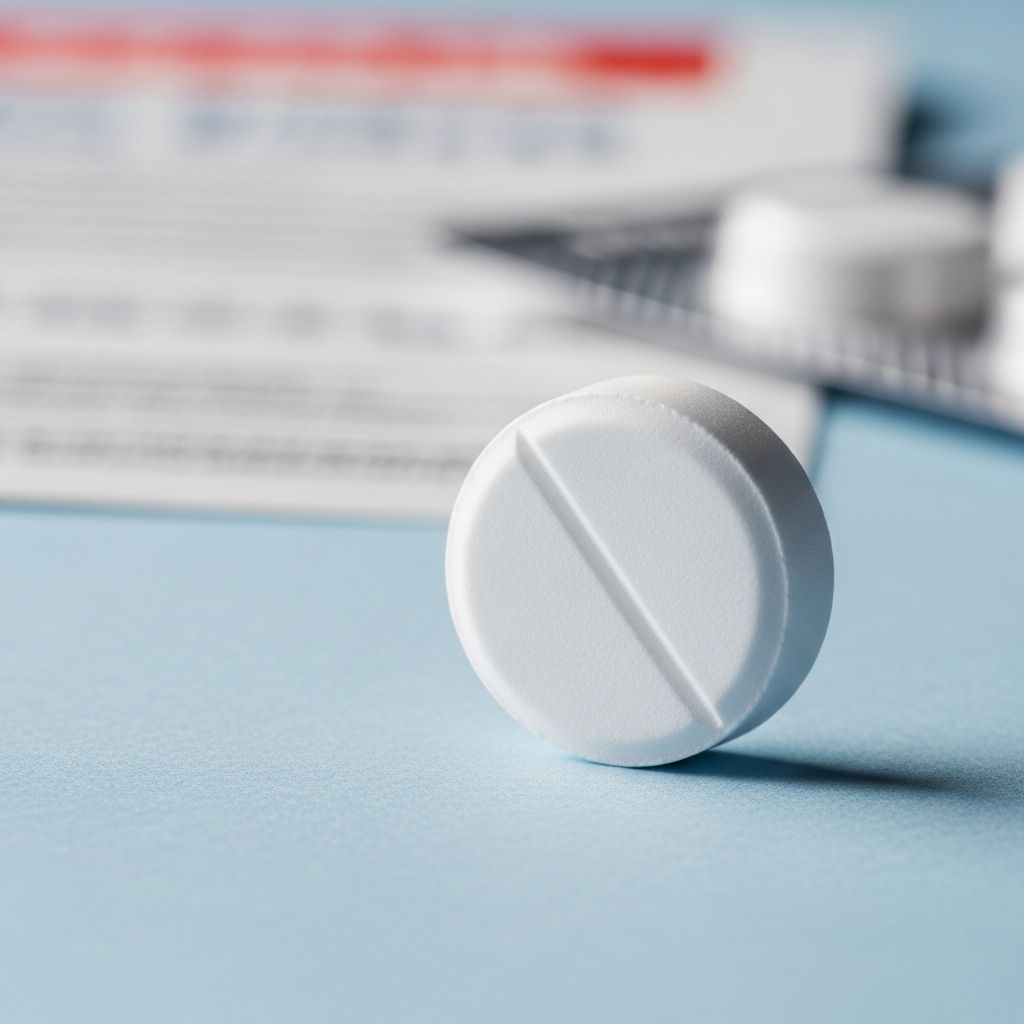
Quinagolide, marketed as Norprolac, is a medication specifically designed to address
hyperprolactinaemia
, a condition characterized by elevated levels of the hormone prolactin in the blood. This hormone plays a crucial role in milk production during breastfeeding but, when overproduced, can disrupt other hormonal balances, leading to various health issues in both men and women.About quinagolide
**Quinagolide** belongs to the class of medicines known as
dopamine receptor stimulants
or more precisely, selectivedopamine D2-receptor agonists
. It works by mimicking the action of dopamine, a natural neurotransmitter that inhibits the secretion of prolactin from the pituitary gland. By reducing prolactin levels, quinagolide helps alleviate symptoms associated with hyperprolactinaemia, such as irregular menstrual cycles, infertility, reduced libido, erectile dysfunction in men, and unwanted milk production (galactorrhoea).| Type of medicine | Used for | Also called | Available as |
|---|---|---|---|
| Dopamine receptor stimulant | Hyperprolactinaemia (raised levels of prolactin in the blood) | Norprolac® | Tablets (25 mcg, 50 mcg, 75 mcg, 150 mcg) |
Hyperprolactinaemia often results from a benign pituitary tumour called a
prolactinoma
, which causes excessive prolactin production. In women, this can lead to menstrual disturbances, infertility, and breast milk discharge outside of breastfeeding. In men, it may cause reduced sex drive, impotence, and infertility. Quinagolide effectively lowers prolactin levels within 2 hours of ingestion, peaking at 4-6 hours, without significantly affecting other pituitary hormones.The medication is typically prescribed after confirming high prolactin levels via blood tests and possibly imaging like MRI to detect prolactinomas. It is not a cure for the underlying tumour but shrinks it and normalizes hormone levels in most cases, often avoiding the need for surgery.
Before taking quinagolide
Before starting quinagolide, inform your doctor about your full medical history to ensure it is safe for you. Key considerations include:
- If you are pregnant, breastfeeding, or planning pregnancy. Quinagolide is not recommended during pregnancy unless benefits outweigh risks, and it suppresses lactation.
- If you have liver or kidney problems, as there is limited experience in such patients and dosage adjustments may be needed.
- If you have a history of psychotic disorders, heart valve issues, or low blood pressure.
- Any history of allergic reactions to quinagolide or similar dopamine agonists.
- All other medications, including over-the-counter, herbal remedies, or those affecting blood pressure, as interactions can occur.
Quinagolide is used cautiously in the elderly (doses 50-300 mcg/day well-tolerated in limited cases) and children aged 7-17 for prolactinomas. Always read the manufacturer’s patient information leaflet (PIL) provided with the pack for detailed warnings.
How to take quinagolide
Follow your doctor’s instructions precisely. Quinagolide is usually initiated with a
starter pack
to minimize side effects by gradual dose escalation.- Days 1-3: Take one
pink 25 microgram tablet
at bedtime after food. - Days 4-6: Take one
blue 50 microgram tablet
at bedtime after food. - Day 7 onwards: Increase to one
75 microgram (whitish) tablet
daily at bedtime, or higher (up to 150 mcg or more) if needed, as directed.
Swallow tablets whole with water, always after a snack or meal to reduce nausea. Doses are taken once daily in the evening. Do not exceed the prescribed amount, and never stop abruptly without medical advice to avoid withdrawal symptoms like tiredness, anxiety, or depression.
Related Stories



For overdose, symptoms may include nausea, vomiting, headache, dizziness, hallucinations, or low blood pressure. Seek immediate emergency care and bring the medication pack.
Getting the most from your treatment
To optimize benefits and safety:
- Attend regular check-ups for blood prolactin monitoring, tumour size assessment via scans, and side effect evaluation.
- Monitor blood pressure initially, as hypotension can cause dizziness.
- Avoid driving or operating machinery until you know how it affects you, due to risks of sudden sleepiness or dizziness. Some patients have reported falling asleep unexpectedly.
- Limit alcohol, as it may worsen side effects.
- Long-term use is common; taper off gradually if stopping.
- Report any impulse control issues like gambling urges, hypersexuality, binge eating, or compulsive shopping.
Treatment success is measured by normalized prolactin and symptom resolution, often within weeks.
Possible side effects
Like all medications, quinagolide can cause side effects, mostly during initial days and transient. Common ones (>10%) include nausea, vomiting, headache, dizziness, and fatigue.
| Side Effect | What to Do |
|---|---|
| Feeling drowsy, dizzy, or sleepy | Do not drive or use tools/machines. Rise slowly from sitting/lying. |
| Nausea or vomiting | Take with food; avoid rich/spicy meals. Doctor may prescribe anti-nausea meds. |
| Headache | Hydrate; use pharmacist-recommended painkiller. Consult doctor if persistent. |
| Diarrhoea | Drink plenty of fluids. |
| Constipation | Eat fibre-rich diet, stay hydrated. |
| Abdominal pain, insomnia, swollen ankles, flushing, nasal congestion, low appetite | Speak to doctor if troublesome. |
**Serious effects:** Sudden sleep attacks, severe hypotension, psychotic reactions, or impulse disorders require immediate medical attention. Allergic reactions (rash, swelling, breathing difficulty) are rare but urgent.
If symptoms persist or worsen, contact your doctor or pharmacist promptly.
Frequently Asked Questions (FAQs)
Q: How quickly does quinagolide lower prolactin levels?
A: Prolactin reduction starts within 2 hours, peaks at 4-6 hours, with clinical improvement often seen in days to weeks.
Q: Can I drink alcohol while taking Norprolac?
A: Limit or avoid alcohol, as it may increase side effects like dizziness and nausea. Consult your doctor.
Q: Is quinagolide safe long-term?
A: Yes, many patients take it long-term safely, with regular monitoring. Taper off if discontinuing.
Q: What if I miss a dose?
A: Take the next dose at bedtime. Do not double up. Inform your doctor if multiple misses occur.
Q: Does it shrink prolactinomas?
A: Yes, it often reduces tumour size and normalizes hormones, potentially avoiding surgery.
Q: Can children or elderly use it?
A: Limited data shows tolerability in children 7-17 and elderly at adjusted doses.
References
- Quinagolide tablets – Norprolac — Patient.info. 2023. https://patient.info/medicine/quinagolide-tablets-norprolac
- Consumer Information for NORPROLAC — Health Canada (dhpp.hpfb-dgpsa.ca). 2023. https://dhpp.hpfb-dgpsa.ca/dhpp/resource/43392/consumer-information
- Norprolac tablet ENG SmPC — Swedish Medical Products Agency (docetp.mpa.se). 2023-10-01. https://docetp.mpa.se/LMF/Norprolac%20tablet%20ENG%20SmPC_09001bee807a5a1e.pdf
- Norprolac Tablets Consumer Medicine Information — NPS MedicineWise (nps.org.au). 2023. https://www.nps.org.au/assets/medicines/f1a63514-2283-493f-811a-a53300fecbea.pdf
- Quinagolide: Uses, Interactions — DrugBank (go.drugbank.com). 2024-01-10. https://go.drugbank.com/drugs/DB09097
- Quinagolide Tablets Patient Information Leaflet — medicines.org.uk. 2023. https://www.medicines.org.uk/emc/files/pil.7368.pdf
- Norprolac PIL — Health Products Regulatory Authority (HPRA) Ireland (assets.hpra.ie). 2023-04-13. https://assets.hpra.ie/products/Human/23827/2124099.PA1009_020_001.513ff0c7-aae1-4d02-93b8-1aa77a0b7db7.000001NorprolacPIL.130411.pdf
Similar Articles








Read full bio of medha deb