Quinine For Malaria: A Complete Guide In 2025
Essential guide to quinine: uses, dosage, side effects, and key precautions for treating malaria effectively.

Quinine is an antimalarial medication prescribed to treat malaria infections acquired from mosquito bites, particularly those caused by chloroquine-resistant Plasmodium falciparum. It is not recommended for malaria prevention.
About quinine for malaria
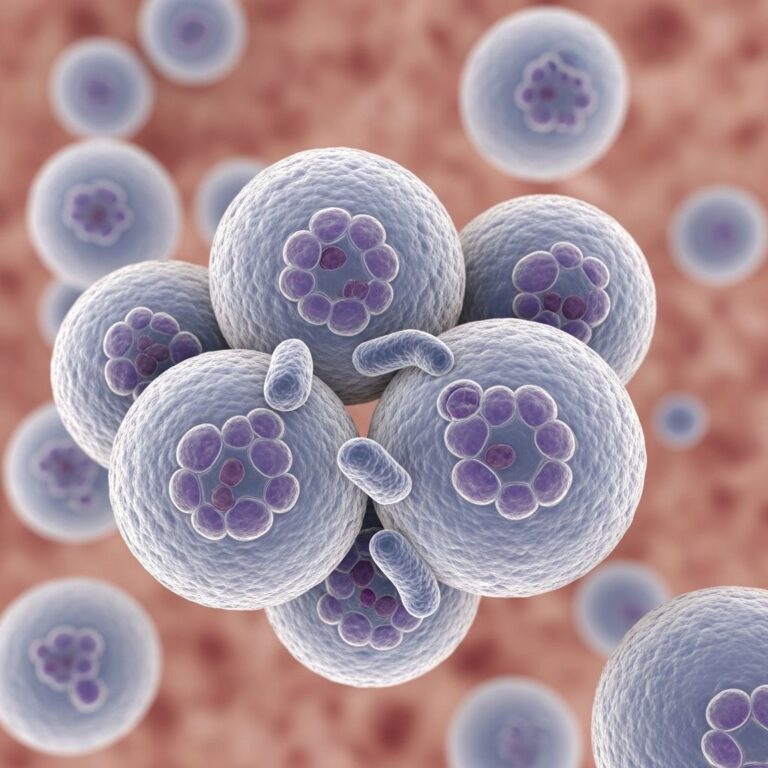
Malaria is a serious parasitic disease transmitted by the bite of infected female Anopheles mosquitoes. The parasites belong to the genus Plasmodium, with four main species affecting humans: P. falciparum, P. vivax, P. ovale, and P. malariae. Among these, P. falciparum is the most severe and often requires hospital treatment due to risks like cerebral malaria, severe anemia, or organ failure.
Quinine, derived historically from cinchona bark, acts as a blood schizonticide, targeting the parasite’s erythrocytic stage in red blood cells. It interferes with the parasite’s ability to digest hemoglobin, leading to toxic buildup and parasite death. Oral quinine is used for uncomplicated malaria, typically combined with doxycycline, tetracycline, or clindamycin to enhance efficacy and reduce resistance risks. For severe cases, intravenous quinine may be administered where available, though IV forms are not accessible in the U.S.
| Type of Medicine | Used For | Also Called | Available As |
|---|---|---|---|
| An antimalarial medicine | Treatment of uncomplicated and severe malaria | Quinine bisulfate, quinine dihydrochloride, quinine sulfate | Tablets and injection |
Quinine is also used off-label for nocturnal leg cramps, but this article focuses on its antimalarial role. Patients should note that tonic water contains small amounts of quinine; avoid these beverages during treatment to prevent additive effects.
How to take quinine
Always follow your doctor’s instructions precisely. Read the manufacturer’s leaflet for detailed side effect information and precautions.
- Dosage: For uncomplicated malaria, adults typically take 542 mg quinine sulfate three times daily for 3-7 days, depending on the infection region (e.g., 7 days for Southeast Asia-acquired cases). Combine with doxycycline (100 mg twice daily for 7 days) or clindamycin. Pediatric doses are weight-based; for children under 5 kg, options are limited to quinine plus clindamycin or mefloquine.
- Administration: Swallow tablets whole with water, with or without food. Space doses evenly (every 8 hours). Complete the full course even if symptoms improve to eradicate parasites fully.
- In hospital: Nurses administer doses; for IV use in severe malaria, infusion rates are controlled to avoid toxicity.
- Missed dose: Take as soon as remembered, but skip if near next dose. Never double up.
Quinine has a half-life of about 18 hours, with clearance varying by health status (0.17 L/h/kg in healthy individuals vs. lower in malaria patients). Monitoring is essential, especially in severe cases.
Getting the most from your treatment
Finish the entire course to prevent relapse or resistance. P. falciparum lacks a liver hypnozoite stage, but incomplete treatment risks recrudescence. Rest, stay hydrated, and use bed nets to avoid re-infection. Report fever recurrence promptly, as it may indicate treatment failure.
Avoid quinine-containing drinks like tonic water or bitter lemon. Inform healthcare providers of G6PD deficiency, heart issues (e.g., QT prolongation risk), or myasthenia gravis, as quinine can exacerbate these.
Related Stories



Side-effects
Quinine is generally well-tolerated short-term but can cause cinchonism (tinnitus, headache, nausea, visual disturbances) at higher doses. Serious risks include hypoglycemia, hemolysis (especially in G6PD deficiency), and blackwater fever—a rare hemolytic syndrome with dark urine, renal failure.
| Side Effect | Symptoms | Action |
|---|---|---|
| Common (Cinchonism) | Ringing in ears, dizziness, nausea, blurred vision, headache | May resolve post-treatment; inform doctor if persistent |
| Gastrointestinal | Diarrhea, abdominal pain, vomiting | Take with food; contact doctor if severe |
| Serious – Hypoglycemia | Sweating, shakiness, confusion | Monitor blood sugar; urgent care needed |
| Allergic Reaction | Rash, swelling, difficulty breathing | Seek immediate medical help |
| Blood Disorders | Bruising, bleeding, sore throat, infections | Stop and see doctor for blood tests |
| Blackwater Fever (Rare) | Dark urine, jaundice, fatigue, renal issues | Emergency; historical risk in prolonged use |
Monitor for QT prolongation on ECG if cardiac history exists. IV quinine requires cardiac monitoring.
How to cope with side effects
- Nausea/Vomiting: Take with meals; antiemetics may help.
- Tinnitus/Headache: Rest in quiet; symptoms often dose-related and reversible.
- Photosensitivity: Use sunscreen, avoid direct sun.
- Muscle Weakness: Report if worsens, especially with myasthenia.
Any severe symptoms warrant immediate medical attention.
Precautions
Discuss with your doctor if you have:
- Heart rhythm disorders (risk of QT prolongation).
- G6PD deficiency (hemolysis risk).
- Visual/hearing impairments (may worsen).
- Pregnancy (use only if benefits outweigh risks; monitor glucose).
- Renal/hepatic impairment (dose adjustment needed).
Quinine interacts with CYP3A4 inhibitors (e.g., ketoconazole), increasing levels; avoid alcohol. Not for self-medication or prophylaxis due to resistance and toxicity.
Pregnancy and breastfeeding
Quinine is category C in pregnancy; used for severe malaria when alternatives fail, as it crosses placenta but has saved lives historically. Monitor fetal heart rate. Limited data in breastfeeding; weigh risks, as it appears in milk.
Other things to know
Quinine resistance is rare, unlike other antimalarials, but combinations prevent emergence. Not effective against liver stages of P. vivax/ovale (use primaquine). Seek care if traveling to endemic areas.
Frequently Asked Questions
Q: Can quinine prevent malaria?
A: No, quinine is for treatment only, not prophylaxis due to toxicity and poor efficacy against liver stages.
Q: How long does quinine treatment last?
A: Typically 3 days for most regions, 7 days for Southeast Asia; always complete as prescribed.
Q: Is quinine safe for children?
A: Yes, weight-based dosing; limited options for infants under 5 kg.
Q: What if I overdose on quinine?
A: Seek emergency care immediately—risk of cinchonism, arrhythmias, or coma.
Q: Does tonic water treat malaria?
A: No, quinine content is too low; avoid during treatment.
References
- Treatment of Uncomplicated Malaria — Centers for Disease Control and Prevention (CDC). 2023. https://www.cdc.gov/malaria/hcp/clinical-guidance/treatment-uncomplicated.html
- Quinine — Johns Hopkins ABX Guide. 2024-01-15. https://www.hopkinsguides.com/hopkins/view/Johns_Hopkins_ABX_Guide/540466/all/Quinine
- Quinine for malaria — Patient.info. 2023-05-12. https://patient.info/medicine/quinine-for-malaria
- Quinine (Qualaquin): Malaria Treatment — Cleveland Clinic. 2024. https://my.clevelandclinic.org/health/drugs/18411-quinine-tablets-or-capsules
- Quinine: Uses, Interactions, Mechanism of Action — DrugBank. 2025-01-01. https://go.drugbank.com/drugs/DB00468
- Historical Review: Problematic Malaria Prophylaxis with Quinine — National Institutes of Health (PMC). 2016-07-19. https://pmc.ncbi.nlm.nih.gov/articles/PMC4973170/
- Quinine — MedlinePlus (National Library of Medicine). 2024-03-01. https://medlineplus.gov/druginfo/meds/a682322.html
Similar Articles








Read full bio of Sneha Tete