Rheumatoid Arthritis Raises Shingles Risk
Discover why rheumatoid arthritis doubles shingles risk and learn prevention strategies including vaccination for better health.
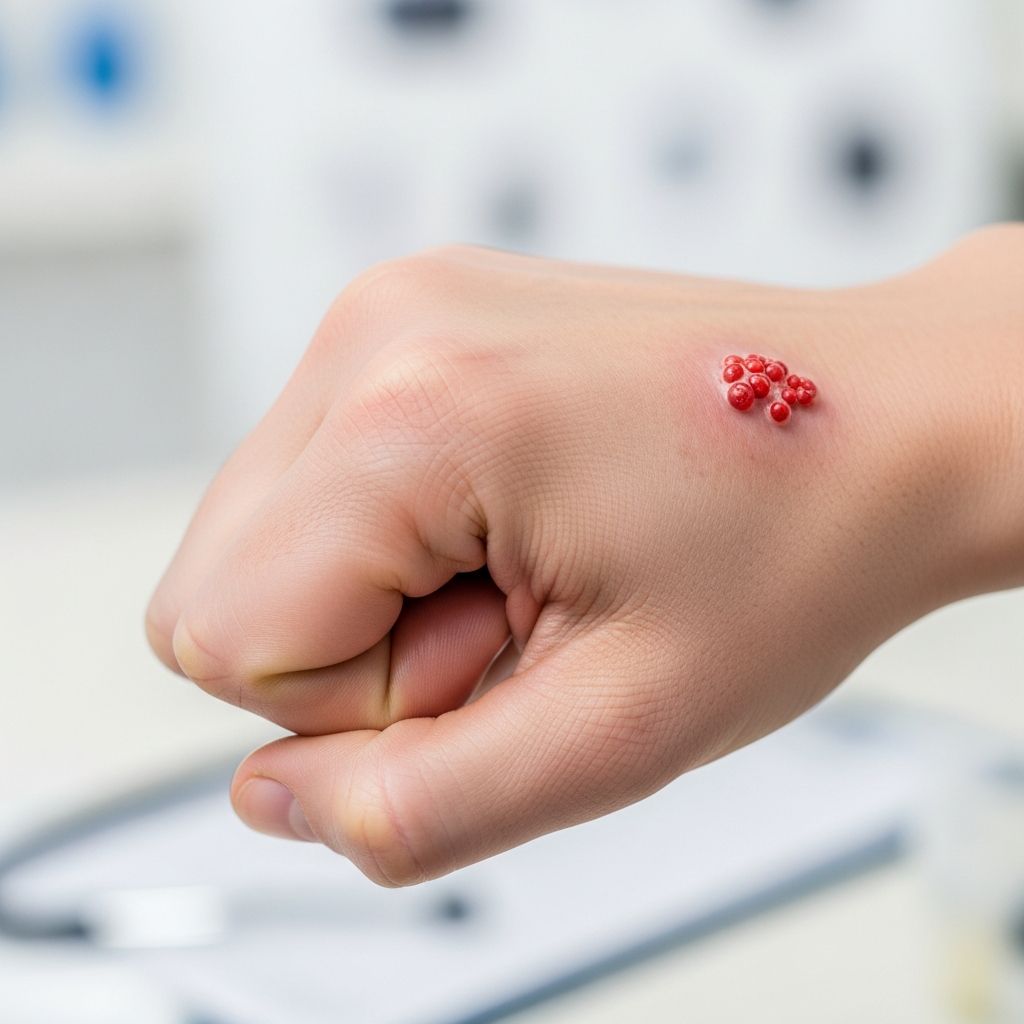
Older adults with rheumatoid arthritis (RA) have a higher risk than those without the disease of developing shingles, a virus related to chickenpox that causes pain and a blistering rash.
What Is Shingles?
Most adults have been exposed to varicella zoster virus, which causes chickenpox. This virus is never completely cleared from our bodies but lies quietly in spinal nerve cells. If it’s reactivated, it causes shingles, explains Jeffrey Curtis, MD, a rheumatologist and epidemiologist at the University of Alabama at Birmingham. The reactivated virus is called herpes zoster or shingles.
Shingles represents the reactivation of a previous viral infection with Herpes Zoster, the cause of Chicken Pox. Many adults have had infection with chicken pox as a child. Risk factors including aging and immunosuppression can lead to the reactivation of the virus usually along the course of a single nerve from the spine.
Once you’ve had and recovered from chickenpox, the varicella zoster virus settles into nerve cells near the spinal cord and brain, where it remains dormant for years. In some people, the virus can reawaken and travel along a nerve to trigger a rash in the skin. That second eruption of the chicken pox virus is known as shingles.
Symptoms of Shingles
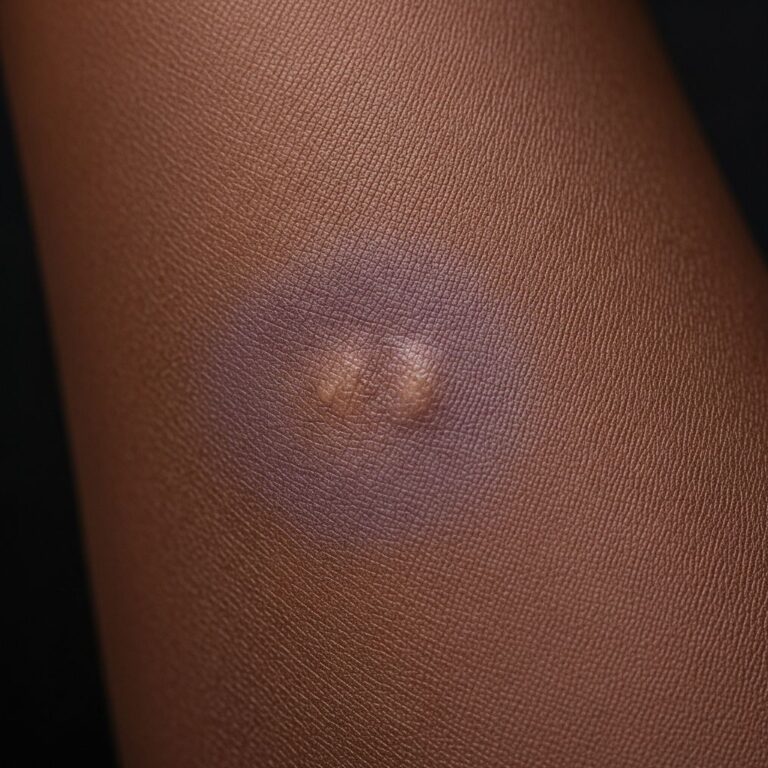
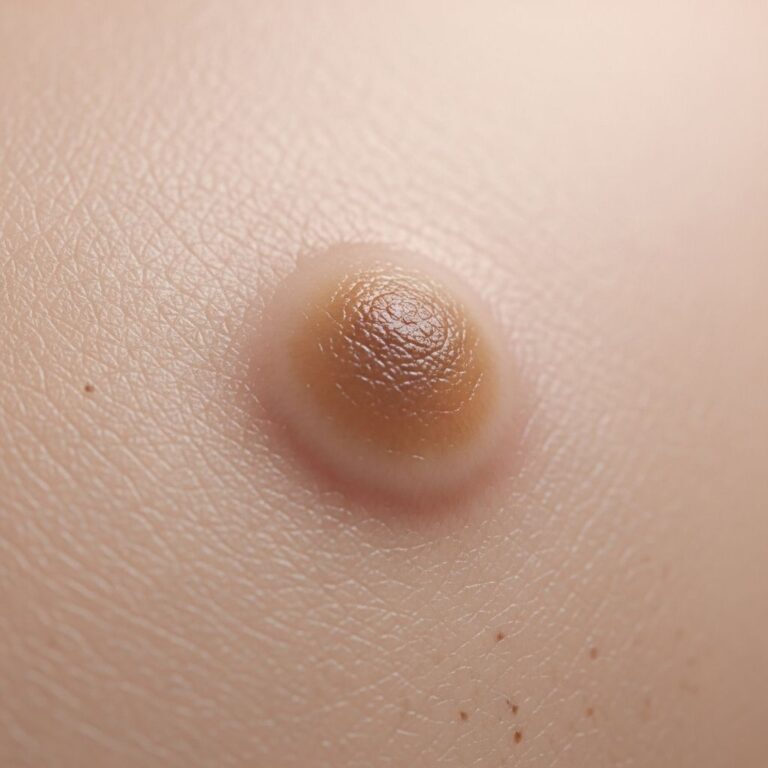
Shingles often begins as burning, tingling or itching in a limited area on one side of the body. Days or weeks later, fluid-filled blisters appear, often in a single band wrapping around the torso, though shingles also can affect the face and eyes. Pain can be relatively mild or so intense even a light touch is unbearable.
Symptoms typically begin with a burning and painful sensations restricted to an area, with the formation of small blisters that then crust over. This can be extremely debilitating pain, and when it occurs on the face and around the eye can even threaten vision.
- Burning, tingling, or itching sensation in a specific dermatome (skin area supplied by one nerve)
- Fluid-filled blisters that crust over within 7-10 days
- Severe pain, described as stabbing, shooting, or electric shock-like
- Fever, headache, chills, and fatigue in some cases
- Sensitivity to light if eyes are affected
Why RA Raises Shingles Risk
“As we get older, our immune systems are not as effective at protecting us from infection, and this makes it easier for the shingles virus to ‘escape’ and reactivate,” says Dr. Curtis, who notes shingles is most common in people older than 60. “If you have RA, your immune system is already disordered, and then if you are prescribed medications that further impair your immune defenses, it becomes even more likely the virus will reactivate.”
The research is pretty clear: People with rheumatoid arthritis are about twice as likely to develop shingles as otherwise-healthy adults, according to a study published in Arthritis Care & Research. Understanding why, however, is less clear: Experts think it’s likely due to dysfunction in the immune system when you have inflammatory arthritis, as well as effects from the immune-suppressing medications people take to manage their disease.
Herpes zoster (HZ), commonly known as shingles, is a viral disease characterized by a painful vesicular dermatomal rash caused by reactivation of latent varicella-zoster virus in cranial-nerve or dorsal-root ganglia. More than one million HZ cases occur in the United States every year despite the availability of a vaccine.
Related Stories



RA Medications and Shingles Risk
Many medications for RA suppress the immune system and can increase the risk of developing shingles. The clearest association is found with corticosteroids, says Kevin Winthrop, MD, MPH, professor of infectious diseases, ophthalmology and public health at Oregon Health & Sciences University in Portland.
“Almost every study shows that using prednisone at dosages commonly prescribed for RA [10 mg/day] doubles the risk of developing shingles,” he says.
Corticosteroids, such as prednisone, are prescribed to relieve acute symptoms of RA and are known to increase the risk of shingles: In one 2015 observational study that analyzed data from more than 28,800 people with RA, researchers showed corticosteroid use and aging were linked to an increased risk of shingles. Conventional DMARDs (disease-modifying anti-rheumatic drugs) like methotrexate were not associated with a higher risk of shingles.
Recent studies have reported even higher risks with other RA drugs. A study published in The BMJ in 2022 analyzed health data from 14,000 patients between 2007 and 2020. The study found that patients on JAK inhibitors had nearly four times greater chance of getting shingles compared to those taking conventional DMARDs. The biologics also posed a significantly higher risk.
Other research suggests a higher risk of shingles among people who use certain biologic therapies, such as tumor necrosis factor (TNF) inhibitors, as well the drug tofacitinib, which is part of a new class of drugs for RA called janus kinase inhibitors, or JAK inhibitors.
| Medication Class | Shingles Risk Increase | Examples |
|---|---|---|
| Corticosteroids | 2x higher | Prednisone (10 mg/day) |
| JAK Inhibitors | Up to 4x higher | Tofacitinib |
| TNF Inhibitors (Biologics) | Significantly higher | Adalimumab, Etanercept |
| Conventional DMARDs | No increased risk | Methotrexate |
Treatment
Starting treatment with anti-viral drugs no more than three days after the rash starts often resolves symptoms in a few weeks. The decision to take antiviral drugs depends on a person’s age, where and how long they’ve had shingles and the potential for complications.
The most important thing is recognition of the early symptoms because medications (such as acyclovir, famcyclovir) can shorten the duration and decrease longer term consequences if started early enough.
One analysis of 21 randomized controlled trials found that acupuncture reduced pain and cleared shingles blisters and scabs better than anti-virals, while also reducing complication risk by 83%.
Still, the virus usually clears on its own in three to five weeks without any treatment, although the chance of complications may be higher. Experts say having RA does not appear to increase the virus’ severity or its complications.
- Antiviral medications: Acyclovir, Valacyclovir, Famciclovir
- Pain management: Gabapentin, Lidocaine patches, Opioids if severe
- Alternative: Acupuncture for pain relief and faster healing
Complications
The most common — and feared — complication of shingles is a chronic pain condition called postherpetic neuralgia (PHN), which develops in about 10% to 15% of older adults who have had shingles. PHN usually improves gradually but can sometimes last for years.
Other potential complications include inflammation of the eye or retina that can cause pain and vision loss, and ear inflammation that can lead to hearing loss or facial weakness on the affected side.
An increased risk of stroke — already elevated in people with RA — is another possible complication of shingles. The risk seems to last at least a year after infection, leading the authors of one large 2022 study to report that virus-induced proteins and activated platelets may contribute to stroke risk. They recommend adding anti-platelet therapy to standard shingles treatment.
- Postherpetic Neuralgia (PHN): Chronic pain lasting months or years (10-15% risk)
- Ocular Involvement: Vision loss if eyes affected
- Ramsay Hunt Syndrome: Facial paralysis, hearing loss
- Stroke Risk: Elevated for at least 1 year post-infection
Prevention
One way to prevent shingles is to get vaccinated against the virus with Shingrix, a safer and more effective version of an older shingles vaccine called Zostavax, which is no longer available in the U.S. Shingrix contains live, weakened virus. It’s approved for people older than 50 and for young adults over 19 who are immunocompromised. Shingrix is the first shingles vaccine approved for immunocompromised people.
People with RA are at increased risk for shingles and drugs that modify the immune system may increase that risk, they are often advised to have the shingles vaccine.
Because of the risk of shingles, immunizations to prevent recurrence are recommended for patients BEFORE starting biological agents. This is a live virus vaccine that can potentially cause problems in patients on too much immunosuppression.
Keep in mind that you can spread the virus to people who haven’t had chickenpox or the vaccine if they’re exposed to fluid-filled blisters. While your rash is active, take care around kids, older adults and anyone who is immunocompromised, including those with RA.
Frequently Asked Questions (FAQs)
Can RA medications trigger shingles?
Yes, corticosteroids like prednisone double the risk, while JAK inhibitors increase it up to fourfold compared to conventional DMARDs.
Is Shingrix safe for RA patients?
Shingrix is approved for immunocompromised adults over 19, including those with RA. Discuss with your doctor before starting biologics or high immunosuppression.
How soon should antivirals start for shingles?
Within 72 hours of rash onset for best results in reducing duration and complications.
Does shingles increase stroke risk in RA?
Yes, risk persists for at least one year post-infection, possibly due to viral proteins and platelet activation.
Can acupuncture treat shingles?
Studies show it reduces pain, clears blisters faster than antivirals, and cuts complication risk by 83%.
References
- Shingles and Arthritis: 7 Tips to Protect Yourself — CreakyJoints. 2023. https://creakyjoints.org/living-with-arthritis/shingles-risk-in-arthritis/
- Rheumatoid Arthritis Raises Shingles Risk — Arthritis Foundation. 2023-04-07. https://www.arthritis.org/health-wellness/about-arthritis/related-conditions/physical-effects/ra-raises-shingles-risk
- Rheumatoid Arthritis and Shingles — Johns Hopkins Arthritis Center. N/A. https://www.hopkinsarthritis.org/ask-the-expert/rheumatoid-arthritis-and-shingles/
- Risks of Herpes Zoster in Patients with Rheumatoid Arthritis — NIH/PMC. 2018. https://pmc.ncbi.nlm.nih.gov/articles/PMC5765980/
- RA Research Briefs: Vitamin D, Shingles, Jobs — Arthritis Foundation. N/A. https://www.arthritis.org/news/ra-research-briefs-vitamin-d-shingles-jobs
Similar Articles








Read full bio of Sneha Tete