RA and Weight Loss: Expert Answers to Your Questions
Expert insights on managing weight loss with rheumatoid arthritis safely and effectively.
Managing rheumatoid arthritis (RA) involves multiple strategies to reduce pain, improve mobility, and maintain overall health. One important consideration for many people with RA is weight management. The relationship between weight and RA symptoms is complex and multifaceted, involving both mechanical and inflammatory factors. This expert Q&A guide addresses common questions about weight loss and RA, providing evidence-based insights to help you make informed decisions about your health.
Understanding the Connection Between Weight and Rheumatoid Arthritis
Rheumatoid arthritis is an autoimmune condition that causes inflammation in the joints, leading to pain, swelling, and stiffness. While RA differs from osteoarthritis (OA), weight management remains a relevant consideration for people with RA. Research shows that excess weight can exacerbate inflammatory arthritis symptoms, as fat cells produce inflammatory substances that contribute to whole-body inflammation. This systemic inflammation can aggravate rheumatoid arthritis and other autoimmune conditions such as psoriatic arthritis and lupus.
Beyond the inflammatory component, carrying extra weight places additional stress on joints, even in RA where the primary mechanism is autoimmune rather than purely mechanical. Understanding these connections helps explain why weight management can be beneficial for many people with RA.
Common Questions About Weight Loss and RA
Q: How Does Extra Weight Affect Rheumatoid Arthritis?
A: Extra weight affects RA through multiple mechanisms. First, the mechanical burden of carrying additional weight increases stress on affected joints, potentially worsening pain and inflammation. Second, and perhaps more importantly for RA specifically, excess fat tissue produces inflammatory molecules that contribute to systemic inflammation. These inflammatory substances circulate throughout the body and can amplify the autoimmune response characteristic of RA.
Additionally, obesity is associated with insulin resistance, a metabolic condition where the body cannot properly use glucose for energy. Insulin resistance is linked to Type 2 diabetes and has been connected to increased joint damage and joint pain. For people with RA, managing weight may help reduce both the inflammatory burden and these associated metabolic complications.
Q: What Are the Benefits of Weight Loss for RA?
A: Research demonstrates several benefits of weight loss for people with RA:
- Reduced inflammation: Losing excess weight decreases the production of inflammatory substances by fat cells, leading to lower systemic inflammation throughout the body
- Pain reduction: Weight loss can substantially reduce joint pain and improve comfort during daily activities
- Improved joint function: With less weight to carry, joints experience reduced stress, which can enhance mobility and function
- Better disease management: Weight loss may help slow disease progression and reduce the overall inflammatory burden on the body
- Additional health benefits: Healthy weight loss can lower blood pressure, reduce diabetes risk, and decrease heart disease risk—conditions that people with RA face at higher rates
Q: How Much Weight Do I Need to Lose to See Benefits?
A: One of the most encouraging findings from research is that you don’t need to achieve your ideal body weight to experience benefits. Even modest weight loss can produce meaningful improvements:
- Losing just 10% of your body weight can cut arthritis pain in half
- Losing 20% of your body weight can reduce pain by an additional 25% or more
- Research suggests that weight loss from young adulthood to midlife can substantially reduce arthritis risk
This means if you weigh 200 pounds, losing just 20 pounds (10%) could significantly reduce your RA symptoms. The key is finding an approach that works for your individual circumstances and is sustainable long-term.
Related Stories



Q: What Is a Safe Rate of Weight Loss for People with RA?
A: Safety is a critical consideration when losing weight with RA. Healthcare experts recommend aiming for a loss of one-and-a-half to two pounds per week. This moderate pace is important because rapid weight loss can have unintended consequences.
Risks of rapid weight loss include:
- Joint instability and increased stress on affected joints
- Muscle and bone loss, which can compromise joint support and increase fracture risk
- Risk of malnutrition and osteoporosis, particularly concerning for people with RA who may already have bone health challenges
- Sarcopenia (muscle wasting), which increases joint instability and can worsen mobility
- Increased risk of falls due to muscle weakness
A population-based study found that gradual to moderate weight loss was associated with decreased all-cause mortality risk in individuals with joint disease, while rapid weight reduction through anti-obesity medications showed less favorable outcomes.
Q: Can RA Medications Affect My Weight?
A: Yes, RA medications can influence weight in various ways. Some medications may contribute to weight gain, while others can cause weight loss. For example, certain RA drugs like leflunomide can cause digestive upsets that promote diarrhea and undesirable weight loss. Additionally, RA itself may discourage physical activity due to pain and fatigue, which can contribute to muscle loss and weight changes.
It’s important to discuss any significant weight changes with your healthcare provider, as they may indicate medication side effects or disease activity changes that require adjustment to your treatment plan.
Q: Are There Special Considerations for Very Low Body Weight with RA?
A: Interestingly, research indicates that being underweight presents its own challenges for people with RA. Underweight individuals with rheumatoid arthritis may experience worse joint damage than obese RA patients, possibly due to effects on an inflammatory protein called adiponectin. This underscores the importance of achieving a healthy weight range rather than simply losing as much weight as possible.
This finding suggests that weight management for RA should focus on reaching a healthy BMI rather than pursuing extreme weight loss. The goal is to optimize overall health, not to achieve the lowest possible weight.
Practical Strategies for Weight Loss with RA
Nutrition Approaches
When pursuing weight loss with RA, the quality of your diet matters significantly. A registered dietitian who specializes in arthritis notes that how you eat is as important as what and how much you eat. Consider these approaches:
- Mindful eating: Practice paying attention to how different foods make you feel physically and emotionally. This awareness helps you make choices that support both weight loss and overall well-being
- Focus on healthy habits: Rather than viewing weight loss as restrictive, frame it as improving your lifestyle and quality of life
- Realistic expectations: Research trials show approximately 3-5% weight loss long-term with dietary changes alone. Some people lose more; some lose less. While more restrictive diets may produce greater initial weight loss, the average sustained weight loss after a couple of years is typically 3-5%
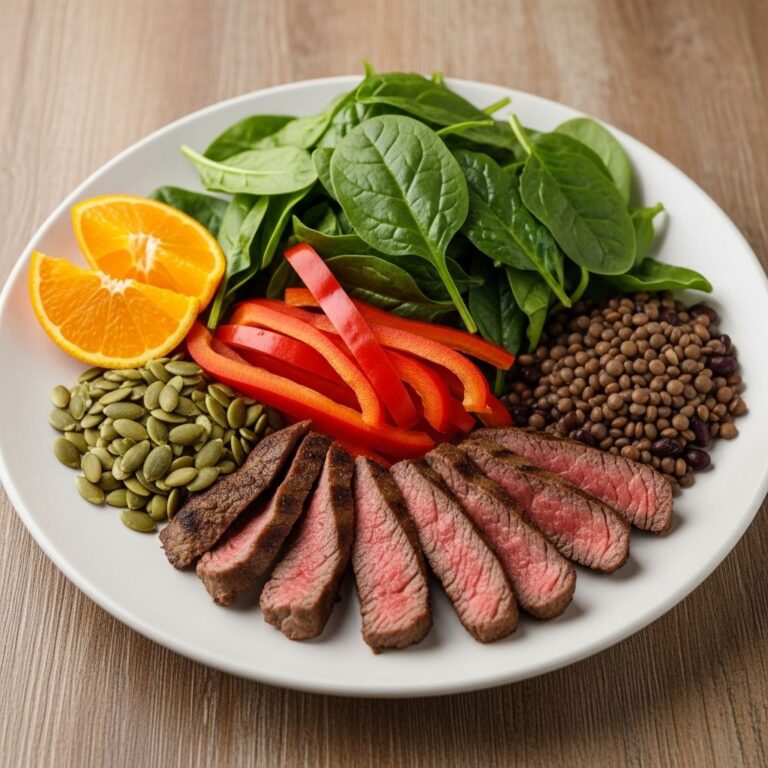
- Nutrient adequacy: Ensure your weight loss plan includes sufficient protein, vitamins, and minerals to support bone health and muscle maintenance, which are particularly important for people with RA
Exercise and Physical Activity
Regular physical activity supports weight loss while also providing direct benefits for RA management. Exercise helps preserve muscle mass during weight loss, which is crucial for joint stability and mobility. Working with a physical therapist or exercise specialist who understands RA can help you develop an appropriate activity plan that doesn’t exacerbate joint pain.
Monitoring Progress
Track your weight loss progress at a reasonable pace—typically weekly or bi-weekly weigh-ins are sufficient. Remember that weight loss is not always linear, and fluctuations are normal. More important than the number on the scale are improvements in pain levels, joint function, and overall quality of life.
Important Health Considerations
Preventing Malnutrition and Deficiencies
When reducing caloric intake for weight loss, particularly in older adults with RA, caloric restriction can lead to nutrient deficiencies or malnutrition, potentially exacerbating arthritis symptoms. Regular nutritional assessments are necessary, with emphasis on ensuring sufficient intake of protein, vitamins, and minerals. Consider working with a registered dietitian to ensure your weight loss plan meets your nutritional needs.
Preserving Bone and Muscle Health
Incorporating resistance training into weight loss plans helps preserve muscle mass and strength, which are crucial for joint stability and overall mobility. This is especially important for people with RA, who face increased osteoporosis risk. Weight-bearing exercise, done carefully to avoid aggravating joints, supports bone density while supporting weight management.
Managing Psychoemotional Stress
Weight loss efforts can sometimes create psychological stress, particularly when progress is slower than expected. Maintaining a positive mindset focused on improvements in function and quality of life, rather than just the number on the scale, helps support long-term success.
The Bottom Line
Weight management can be a valuable component of a comprehensive RA management strategy. Even modest weight loss—as little as 10% of your body weight—can produce meaningful reductions in pain and inflammation. However, weight loss should be approached carefully, with attention to safety, nutrition, and long-term sustainability.
The most effective approach combines:
- Gradual, moderate weight loss (1.5-2 pounds per week)
- Nutrient-dense dietary choices that support overall health
- Regular physical activity that preserves muscle and bone health
- Professional support from healthcare providers, registered dietitians, and physical therapists
- Focus on improving quality of life and reducing symptoms, not just achieving a lower number on the scale
If you’re considering weight loss as part of your RA management, consult with your rheumatologist and other healthcare providers to develop a personalized plan that accounts for your specific health needs, medications, and disease activity.
Frequently Asked Questions
Q: Can weight loss cure rheumatoid arthritis?
A: No, weight loss cannot cure RA, which is an autoimmune disease. However, weight loss can significantly reduce symptoms, decrease inflammation, improve joint function, and potentially slow disease progression.
Q: Will weight loss eliminate my RA medications?
A: Weight loss may help your RA symptoms, but medication decisions should always be made with your rheumatologist. Some people may be able to reduce medication doses with improved disease control, but this varies individually.
Q: What if I have difficulty losing weight due to RA symptoms?
A: RA pain and fatigue can make weight loss challenging. Work with your healthcare team to optimize your disease management, and consider working with specialists like physical therapists who can help you find manageable forms of activity.
Q: Is weight loss equally beneficial for all types of arthritis?
A: While weight loss benefits vary by arthritis type, research shows that reducing systemic inflammation through weight loss can help multiple types of arthritis, including RA, osteoarthritis, and other inflammatory conditions.
References
- Relationship of Weight Change Patterns from Young to Middle Adulthood with Arthritis Risk: Data from the Framingham Offspring Study — Frontiers in Endocrinology. 2023. https://www.frontiersin.org/journals/endocrinology/articles/10.3389/fendo.2023.1308254/full
- Why Weight Loss Matters When You Live with Arthritis — Arthritis Canada. 2024. https://arthritis.ca/healthy-living/why-weight-loss-matters-when-you-live-with-arthritis/
- Arthritis and Your Weight: 4 Points to Keep in Mind — Arthritis Centers. 2021. https://www.arthritiscenters.net/2021/04/30/arthritis-and-your-weight-4-points-to-keep-in-mind/
- Role of Body Weight in Osteoarthritis — Johns Hopkins Arthritis Center. 2024. https://www.hopkinsarthritis.org/patient-corner/disease-management/role-of-body-weight-in-osteoarthritis/
- Weight Loss, but Not at Any Cost: Risks and Challenges in Patients with Osteoarthritis — National Center for Biotechnology Information. 2024. https://pmc.ncbi.nlm.nih.gov/articles/PMC12183455/
- Arthritis & Body Weight: What You Need to Know — Arthritis Research Canada. 2024. https://www.arthritisresearch.ca/arthritis-and-body-weight/
- How Fat Affects Osteoarthritis — Arthritis Foundation. 2024. https://www.arthritis.org/health-wellness/about-arthritis/related-conditions/other-diseases/how-fat-affects-osteoarthritis
Similar Articles








Read full bio of Sneha Tete