RA Wound Healing: 5 Expert Tips For Faster Recovery
Discover how rheumatoid arthritis impairs wound healing and learn strategies to promote recovery and prevent complications.
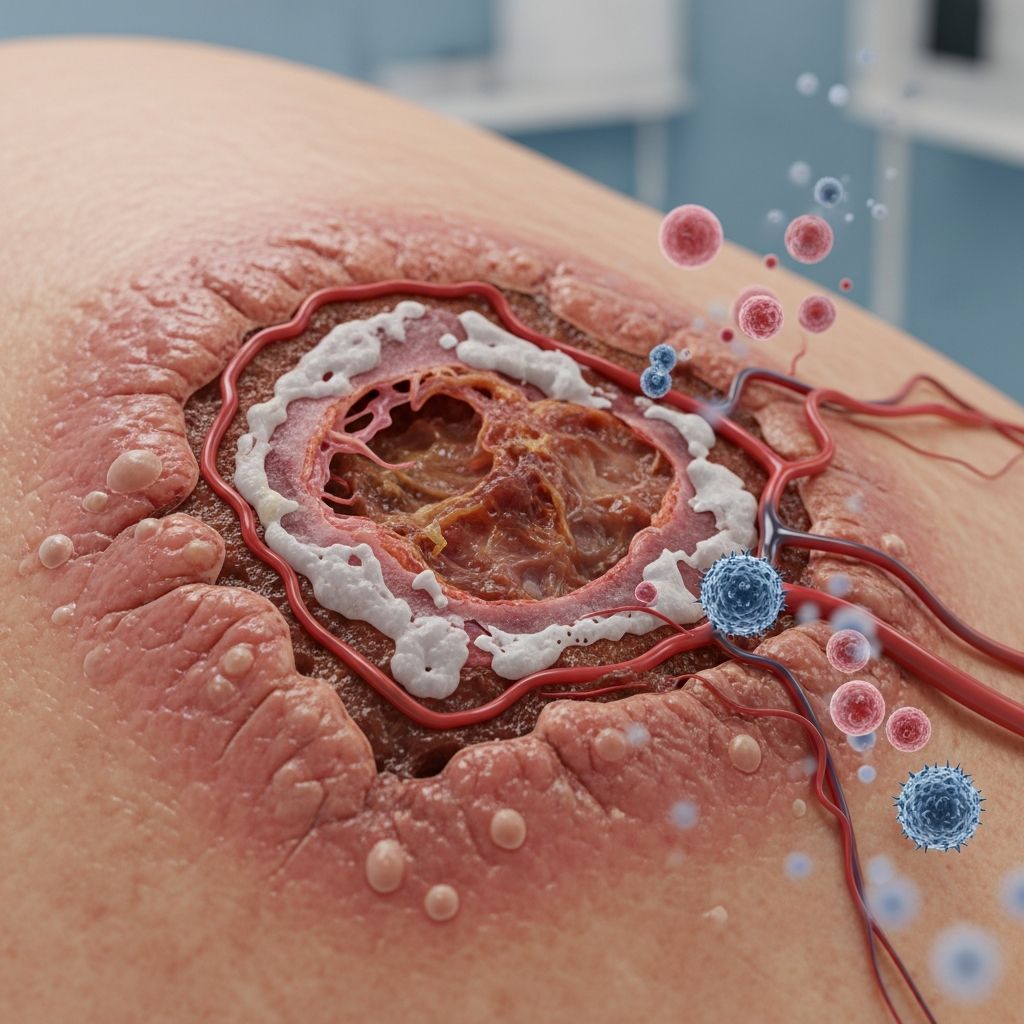
Rheumatoid arthritis (RA) significantly impairs the body’s natural wound healing process due to chronic inflammation, medication side effects, and vascular complications, leading to prolonged recovery times and increased infection risks.
How Wounds Heal
The wound healing process unfolds in four overlapping phases: hemostasis, inflammation, proliferation, and remodeling. Hemostasis stops bleeding through clot formation. Inflammation clears debris via immune cells. Proliferation rebuilds tissue with new cells and vessels. Remodeling strengthens the scar over months.
In healthy individuals, most wounds heal within three months. RA disrupts this cascade, trapping wounds in inflammation and delaying progression.
Why Wound Healing Is Harder with RA
RA’s systemic inflammation elevates matrix metalloproteinases (MMPs) and reduces tissue inhibitors of metalloproteinases (TIMPs), causing excessive extracellular matrix breakdown and stalled healing.
- Chronic cytokine release like TNF-α and IL-6 perpetuates inflammation.
- Vasculitis damages blood vessels, impairing nutrient delivery to wounds.
- Pyoderma gangrenosum-like ulcers emerge, resembling severe inflammatory lesions.
Studies show RA patients’ leg ulcers persist beyond 13 months despite standard care, with pain and enlargement common.
RA Medications and Wound Healing
Many RA treatments, including corticosteroids, DMARDs, and biologics, influence healing variably.
| Medication Type | Effect on Healing | Evidence |
|---|---|---|
| Corticosteroids | Blunt inflammation phase, slow reepithelialization | May alter gene expression at low RA doses (2.5-5mg daily) |
| DMARDs | May accelerate healing; median time 190.5 days vs 340 days without | 70.9% healing rate; higher DMARD count linked to better outcomes |
| Biologics (anti-TNF) | Mixed; some aid ulcer healing, others may delay | Preferred over steroids for lower extremity ulcers |
Continuing most RA meds perioperatively shows low complication rates (e.g., 1% infection in hand surgeries), except injectables like anti-TNF.
Preventing Wounds with RA
- Maintain skin moisture with emollients to prevent cracking.
- Inspect feet daily for pressure sores or ulcers.
- Wear well-fitted shoes; use orthotics for deformities.
- Control RA inflammation aggressively with prescribed therapies.
- Avoid smoking to preserve circulation.
Foot deformities and neuropathy heighten ulcer risk, demanding vigilant care.
Managing Wounds if You Have RA
Address underlying causes: compression for venous issues, antibiotics for infection, DMARD optimization for inflammation.
Advanced dressings like collagen/oxidized regenerated cellulose (PROMOGRAN™) with silver alginate (Acticoat Absorbent®) promote healing in recalcitrant RA ulcers. In a case series of four patients with >13-month ulcers, all showed size reduction or closure within 4-6 months, plus pain relief.
- Modulates MMP activity for balanced matrix remodeling.
- Reduces bacterial burden and superficial inflammation.
Median healing time for RA-associated wounds reaches 229.5 days—over 7 months—far exceeding diabetic foot ulcers (30.8 days).
When to See a Doctor
- Wound >3 months without improvement.
- Increasing pain, redness, swelling, or pus.
- Fever or foul odor indicating infection.
- Blackened tissue or non-healing edges.
Early intervention prevents amputation risks in chronic non-healing wounds.
Tips for Better Wound Healing with RA
- Optimize nutrition: Protein, vitamin C, zinc support repair.
- Manage blood sugar if diabetic comorbidity exists.
- Elevate limbs to reduce swelling.
- Follow wound care specialist protocols precisely.
- Coordinate with rheumatologist for med adjustments.
Related Stories



Multidisciplinary care combining wound experts and rheumatologists yields best results.
Frequently Asked Questions
Does RA always cause slow wound healing?
No, but RA increases risk via inflammation and meds. Proactive management mitigates delays.
Should I stop RA medications before surgery?
Generally no; continue most except anti-TNF biologics perioperatively under specialist guidance to avoid flares.
How long do RA wounds take to heal?
Median 229.5 days; DMARDs shorten to ~190 days. Some heal faster with advanced dressings.
Can diet help RA wound healing?
Yes, adequate protein (1.2-1.5g/kg body weight), vitamins A/C, zinc, and omega-3s aid tissue repair.
Are special dressings effective for RA ulcers?
Yes, ORC/collagen with silver dressings healed or reduced recalcitrant ulcers in RA cases within 6 months.
Key Takeaways
- RA prolongs healing through inflammation, MMP imbalance, vasculitis.
- DMARDs often improve outcomes; median healing 190 days.
- Specialized dressings succeed where standard care fails.
- Vigilance prevents ulcers; multidisciplinary care optimizes recovery.
References
- Rheumatoid arthritis‐associated inflammatory leg ulcers — PMC/NCBI. 2021-02-24. https://pmc.ncbi.nlm.nih.gov/articles/PMC7951223/
- Advances in Wound Care: Characterizing wound healing outcomes in autoimmune disease — Mary Ann Liebert, Inc. 2022. https://www.liebertpub.com/doi/10.1089/wound.2021.0150
- When Rheumatoid Arthritis Causes Skin Problems — WebMD. Accessed 2026. https://www.webmd.com/rheumatoid-arthritis/rheumatoid-arthritis-skin-problems
- Wound Healing with Medications for Rheumatoid Arthritis in Hand Surgery — PMC/NCBI. 2012-11-29. https://pmc.ncbi.nlm.nih.gov/articles/PMC3518961/
Similar Articles








Read full bio of medha deb