Rabeprazole to reduce stomach acid (Pariet)
Comprehensive guide to rabeprazole (Pariet®): uses, dosage, side effects, and precautions for treating acid-related stomach conditions effectively.
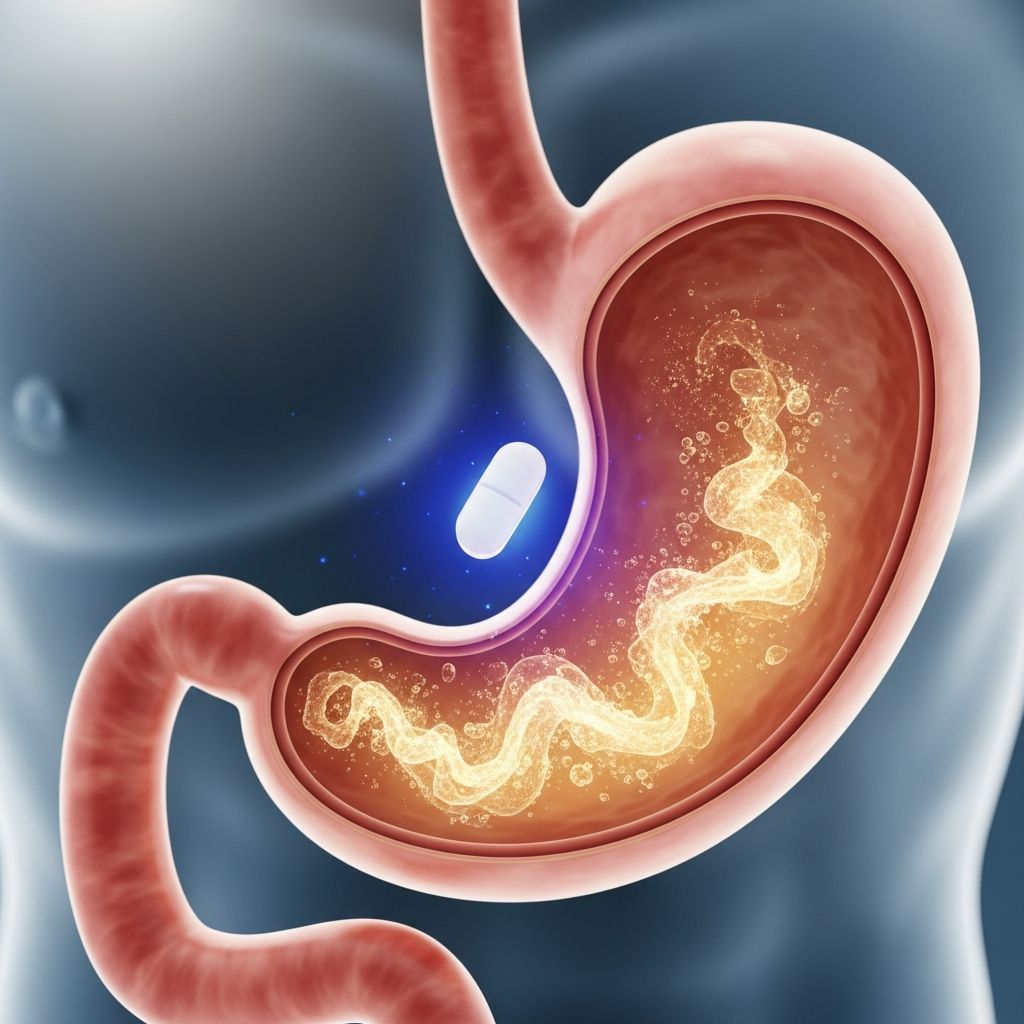
Rabeprazole is a proton pump inhibitor (PPI) that effectively reduces the amount of acid produced in the stomach, helping to treat conditions like gastric and duodenal ulcers, gastro-oesophageal reflux disease (GORD), and infections caused by Helicobacter pylori. Swallow the tablet whole without chewing or crushing to ensure proper release in the intestine.
About rabeprazole
Acid is naturally produced in the stomach to aid digestion and kill bacteria, but a protective mucous barrier normally prevents it from damaging the stomach lining. In some individuals, this barrier breaks down, leading to inflammation, ulcers, or other issues. Others experience weakness in the lower oesophageal sphincter, allowing acid reflux into the oesophagus, causing heartburn and GORD.
Rabeprazole belongs to the class of proton pump inhibitors, which block the enzyme in stomach cells responsible for acid production. This reduction in acid helps prevent new ulcers, promotes healing of existing ones, and alleviates symptoms like heartburn associated with acid reflux.
| Type of medicine | Proton pump inhibitor |
|---|---|
| Used for | Gastric and duodenal ulcers; gastro-oesophageal reflux disease (GORD); heartburn; Zollinger-Ellison syndrome; H. pylori eradication |
| Also called | Pariet® |
| Available as | Tablets (10 mg and 20 mg gastro-resistant) |
Rabeprazole is particularly useful in combination with antibiotics like clarithromycin and amoxicillin for eradicating H. pylori, a bacterium linked to peptic ulcers and chronic gastritis. It is also indicated for rare conditions like Zollinger-Ellison syndrome, where the stomach overproduces acid.
Key facts about rabeprazole
- Starts working within 1 hour, with full effects in 2-4 days for symptom relief.
- Typically taken once daily in the morning.
- Not suitable for immediate heartburn relief; antacids may be used alongside for faster symptom control.
- Long-term use requires monitoring for bone health, vitamin deficiencies, and infections.
Before taking rabeprazole
Inform your doctor if you experience severe symptoms such as difficulty swallowing, unexplained weight loss, vomiting blood, or black stools, as these may indicate serious conditions requiring further investigation.
Discuss your medical history, including:
- Liver or kidney problems.
- Osteoporosis or risk of weak bones.
- Malabsorption of vitamins/minerals (e.g., magnesium, vitamin B12).
- Systemic lupus erythematosus (SLE).
- Previous allergic reactions to medicines.
- Current medications, including over-the-counter, herbal, or complementary therapies.
Pregnancy and breastfeeding: Use only if benefits outweigh risks; consult your doctor. Rabeprazole passes into breast milk in small amounts.
Drug interactions: May affect absorption of drugs like ketoconazole, digoxin, or methotrexate. Avoid with rilpivirine-containing products.
How to take rabeprazole
Always follow your doctor’s instructions and read the patient information leaflet (PIL) provided with the medication for full details on usage and side effects.
Dosage guidelines:
| Condition | Typical Adult Dosage |
|---|---|
| Duodenal ulcer | 20 mg once daily for 4 weeks |
| Gastric ulcer | 20 mg once daily for 6-8 weeks |
| GORD (symptomatic/erosive) | 10-20 mg once daily for 4-8 weeks |
| H. pylori eradication | 20 mg twice daily with antibiotics for 7-14 days |
| Zollinger-Ellison syndrome | 60 mg once daily, adjusted as needed |
Related Stories



Take tablets whole with water, preferably in the morning before eating for optimal effect, though it can be taken with or without food. For ulcers, take after breakfast. Children: Dosage based on weight, under specialist supervision.
If you miss a dose, take it as soon as remembered unless near the next dose; do not double up. Overdose: Seek medical help immediately.
Getting the most from your treatment
Attend regular check-ups, especially for long-term use, with annual reviews recommended to assess ongoing need and monitor for complications.
- Treatment duration: 1-2 weeks for H. pylori; 4-8 weeks for ulcers; longer for GORD maintenance or chronic conditions.
- Lifestyle advice:
- Avoid triggers like spicy foods, caffeine, alcohol, smoking.
- Eat smaller, frequent meals; avoid eating late at night.
- Elevate bed head for nighttime reflux.
- Maintain healthy weight.
- Do not stop abruptly if used long-term; taper under medical guidance to prevent rebound acid hypersecretion.
For H. pylori treatment, complete the full antibiotic course even if symptoms improve.
Possible side effects
Most side effects are mild and transient. Common ones (affecting more than 1 in 100 people) include headache, diarrhoea, nausea, stomach pain, flatulence, dry mouth, dizziness, and insomnia.
| Side Effect | What to do |
|---|---|
| Headache | Drink plenty of water; use pharmacist-recommended painkiller. See doctor if persistent. |
| Dizziness or tiredness | Move slowly; avoid driving/operating machinery until resolved. |
| Nausea, stomach ache, wind | Stick to simple meals; avoid spicy/rich foods. |
| Diarrhoea | Stay hydrated; consult doctor if severe or ongoing. |
| Constipation | Increase fibre and water intake; balanced diet. |
Serious side effects (rare): Allergic reactions (rash, swelling, breathing difficulty), severe diarrhoea (possible C. difficile infection), low magnesium (muscle cramps, irregular heartbeat), lupus-like symptoms, bone fractures with long-term use, kidney issues, or vitamin B12 deficiency. Seek urgent medical attention for these.
Long-term risks: Increased chance of infections (pneumonia, gut infections), fundic gland polyps (benign stomach growths).
How to cope with side effects
Most resolve without intervention. For persistent issues, contact your doctor or pharmacist. Report suspected side effects via the Yellow Card scheme.
Long-term use considerations
Prolonged PPI use (over 1 year) may lead to:
- Hypomagnesaemia: Monitor levels, symptoms include fatigue, tremors.
- Vitamin B12 deficiency: Risk after 3+ years.
- Bone fractures: Especially hip/wrist/spine in high-risk patients.
- Rebound acid production upon stopping.
Regular blood tests and bone density scans may be advised.
Frequently asked questions
Can I take rabeprazole while pregnant or breastfeeding?
Use only if prescribed; limited data available. Consult your doctor for alternatives.
How long does it take to work?
Symptom relief in days, full healing in weeks. Not for immediate relief.
Can I drink alcohol with rabeprazole?
Alcohol may worsen reflux; limit intake.
Is rabeprazole addictive?
No, but stopping suddenly can cause rebound symptoms.
What if I forget a dose?
Take as soon as possible; skip if almost time for next. Do not double.
Does rabeprazole interact with other drugs?
Yes, notably antifungals, warfarin, methotrexate. Inform your doctor of all medications.
References
- Rabeprazole to reduce stomach acid (Pariet) — Patient.info. 2024-06-02. https://patient.info/medicine/rabeprazole-to-reduce-stomach-acid-pariet
- Rabeprazole sodium 10 mg gastro-resistant tablets PIL — medicines.org.uk (EMC). Accessed 2026. https://www.medicines.org.uk/emc/files/pil.14539.pdf
- Rabeprazole (oral route) — Mayo Clinic. Accessed 2026. https://www.mayoclinic.org/drugs-supplements/rabeprazole-oral-route/description/drg-20066981
- Information for the patient Rabeprazole Sodium 10 mg — HPRA.ie. Accessed 2026. https://assets.hpra.ie/products/Human/27802/5de73fd7-f3e7-4197-ad0a-45829e3315f1.pdf
- Rabeprazole: MedlinePlus Drug Information — MedlinePlus (NIH). Accessed 2026. https://medlineplus.gov/druginfo/meds/a699060.html
- Rabeprazole Sandoz Tablets — NPS MedicineWise. Accessed 2026. https://www.nps.org.au/medicine-finder/rabeprazole-sandoz-tablets
Similar Articles








Read full bio of medha deb