Radiata Pine Allergy: Diagnosis, Risks, And Prevention Guide
Comprehensive overview of Pinus radiata: botany, uses, allergens, and skin reactions in forestry workers.
What is radiata pine?
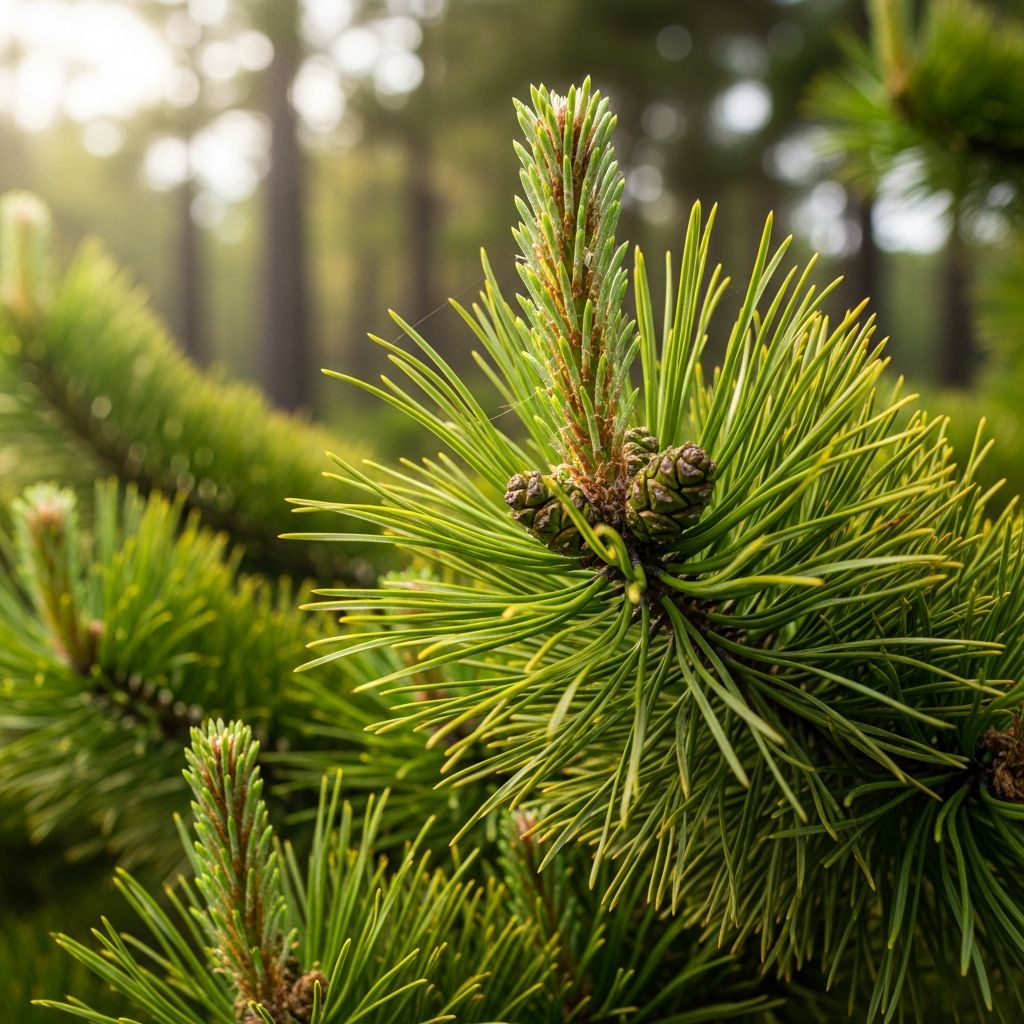
radiata pine refers to Pinus radiata, commonly known as Monterey pine, a coniferous evergreen tree in the Pinaceae family. Native to the west coast of North America, it has become the dominant plantation species in the southern hemisphere, particularly New Zealand, Australia, Chile, and South Africa due to its rapid growth and versatility for timber production. This species is extensively harvested for wood and resin, but exposure to its pollen, sap, and sawdust poses significant risks of allergic reactions, including allergic contact dermatitis, asthma, rhinitis, and conjunctivitis, especially among forestry workers and wood processors.
| Common name | radiata pine, Pinus radiata (Monterey pine) |
|---|---|
| Botanical name | Pinus radiata |
| Family | Pinaceae (250 species in 10 genera) |
| Origin | West coast of North America; now primary plantation pine in southern hemisphere including New Zealand |
Description of radiata pine
Pinus radiata is a fast-growing evergreen conifer that reaches heights of 15-35 meters in natural stands, but can exceed 60 meters in optimal plantation conditions, with growth rates up to 1.5-2 meters per year. The tree features a rounded crown with upward-pointing branches. Its outer bark is thick, dark brown, and deeply furrowed, while the inner bark is highly resinous. Needles are bright green, needle-like, 10-15 cm long, occurring in clusters of 2-5 (typically 3), sheathed at the base by membranous scales, and persist for about 3 years before shedding as a unit. Male flowers form cylindrical catkins, and female flowers develop into ovoid cones measuring 7.5-17 cm long, which are produced annually but may remain closed for years depending on environmental conditions like temperature and humidity. Pollination occurs from late winter to early summer (August-September in the southern hemisphere), with cones opening serotinously in response to heat or dryness. The wood is straight-grained with a medium even texture, pale yellow to light brown heartwood, and is prized for its workability, though it has low natural rot resistance and requires treatment for outdoor use. Resin canals are prominent, visible as dark flecks on flatsawn surfaces, sometimes mistaken for fungal staining if not properly managed during processing.
Uses of radiata pine
Radiata pine is one of the most economically important softwoods globally, extensively logged for sawn timber, plywood, pulp, paper, and construction materials. Its rapid growth (up to 61 meters in 41 years in New Zealand plantations) makes it ideal for commercial forestry. The resinous wood is kiln-dried to 12% moisture content and treated with preservatives for durability in exterior applications like framing, decking, poles, and retaining walls. It glues, stains, and paints well, holds fasteners effectively, though it is somewhat brittle under bending loads compared to denser species like Douglas fir. Resin is extracted for varnishes, turpentine, and adhesives (notably colophony or rosin). Beyond timber, it supports particleboard, MDF, and biofuel production. However, its non-durable heartwood necessitates chemical treatments (e.g., copper salts) for ground-contact uses, and sapwood is highly permeable to preservatives.
Allergens in radiata pine
The primary allergens in Pinus radiata include pollen proteins, wood dust, sap, and resin components like colophony (rosin). Five specific allergenic proteins have been identified in pine pollen: 82 kD, 67 kD, 54 kD, 44 kD, and 38 kD. Pollen grains are large (up to 80 microns), which typically limits deep airway penetration, making respiratory allergy less common than with finer pollens. However, recent studies indicate Pinus radiata pollen as a significant aeroallergen in high-exposure areas like Spain. Wood dust contains extractable compounds that sensitize via IgE-mediated pathways, particularly in forestry and sawmill workers. Colophony, derived from pine resin, is a major contact allergen used in adhesives, solders, and cosmetics. Sap can cause irritant or allergic reactions on direct skin contact. Fungal contaminants in unprocessed logs may exacerbate issues, though proper fungicide treatment mitigates this.
Allergic reactions to radiata pine
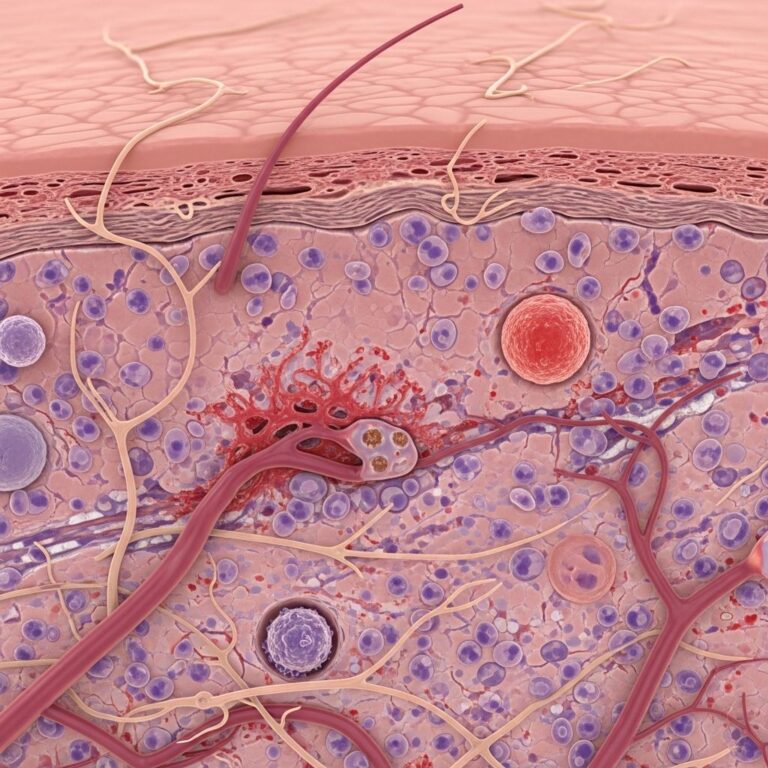
Exposure to radiata pine triggers a spectrum of type I (IgE-mediated) and type IV (delayed hypersensitivity) reactions. Respiratory symptoms include asthma, allergic rhinitis, and conjunctivitis from airborne pollen or dust, affecting 1-5% of pollen-allergic individuals, with much higher rates (up to 20-30%) among woodworkers due to chronic dust inhalation. Allergic contact dermatitis manifests as erythematous, pruritic patches or airborne dermatitis on exposed skin (face, neck, hands, forearms), often chronic and lichenified in occupational settings. Cases of occupational vitiligo and urticaria have been reported from prolonged sap or resin exposure. Forestry workers show elevated IgE sensitization to pine wood extracts. Symptoms typically develop after repeated exposures, with sawdust causing airborne spread and resin fractions penetrating gloves or clothing. Severe cases may involve systemic reactions or occupational asthma requiring workplace changes.
Related Stories



Cross-reactivity with radiata pine
High cross-reactivity exists among pine species, notably Pinus radiata with P. nigra, P. sylvestris, P. strobus, and Monterey variants, sharing homologous pollen and wood proteins (e.g., via IgE-binding epitopes). Potential cross-reactivity with grasses like ryegrass (Lolium perenne) has been proposed due to shared carbohydrate determinants, though clinical relevance varies. Pine nuts (from related species) contain cross-reacting allergens with pollen, eliciting oral allergy syndrome in sensitized individuals. Colophony cross-reacts with abietic acid derivatives in other rosins, balsams (e.g., Peru balsam), and fragrances. This broad reactivity complicates diagnosis in poly-sensitized patients, necessitating comprehensive patch and prick testing.
Patch testing for radiata pine allergy
Diagnosis of radiata pine allergy involves targeted patch testing with relevant extracts. Standard allergens include:
- Sawdust (10% pet. from Pinus radiata wood)
- Colophony (20% pet., TRUE Test® or commercial series)
- Turpentine (10% ox., from pine resin distillation)
- Supplementary: Pine pollen extract (fresh or standardized), abietic acid (modified, 0.1-1% pet.), resin canal fractions
Positive reactions (≥++) to sawdust or colophony confirm sensitization; airborne pattern suggests dust exposure. Prick testing with pollen extracts aids respiratory allergy confirmation. Serial dilutions help distinguish irritancy from true allergy. In occupational cases, workplace dust sampling and provocation tests may be warranted. Baseline series detects colophony in ~3-5% of dermatitis patients, higher in woodworkers.
Management and prevention
Avoidance is cornerstone: use PPE (dust masks N95+, gloves, protective clothing), wet-saw techniques to minimize dust, and ventilation in processing areas. Hypersensitized workers should transfer to low-exposure roles. Topical corticosteroids (e.g., mometasone 0.1%) manage dermatitis; oral antihistamines or montelukast for rhinitis. Severe occupational asthma may require immunotherapy or cessation. Tree removal in sensitive individuals’ environments reduces pollen load. Regular monitoring for pitch canker (*Fusarium circinatum*) in plantations prevents secondary fungal sensitization.
Frequently asked questions about radiata pine allergy
Is radiata pine pollen a common allergen?
Pollen allergy is uncommon due to large grain size (1-5% of pollen-allergic patients test positive), but occupational exposure in forestry increases risk significantly.
Can radiata pine wood dust cause skin rashes?
Yes, airborne allergic contact dermatitis from sawdust is well-documented, presenting as facial and hand eczema in woodworkers.
Does radiata pine cross-react with other trees or grasses?
High cross-reactivity with other Pinus spp.; possible with ryegrass. Test multiple extracts for accurate profiling.
What should I patch test for pine allergy?
Sawdust (10% pet.), colophony (20% pet.), turpentine (10% ox.). Consult dermatologist for custom series.
Is radiata pine safe for outdoor treated timber?
Treated wood is low-allergen risk for end-users, but avoid direct sap contact during handling.
References
- Radiata pine — DermNet NZ (Dr Marius Rademaker). Updated 1999/2023. https://dermnetnz.org/topics/radiata-pine
- Radiata Pine | The Wood Database — Wood Database. Accessed 2026. https://www.wood-database.com/radiata-pine/
- Pinus radiata — Wikipedia (sourced from IUCN, forestry reports). Updated 2025. https://en.wikipedia.org/wiki/Pinus_radiata
- Pinus radiata plantations and pitch canker — USDA Forest Service. 2023-01-15. https://www.fs.usda.gov/foresthealth/fhp/diseases/pitch_canker.shtml
- Occupational allergies to pine wood dust — Contact Dermatitis Journal (Wiley). 2022-05-10. https://doi.org/10.1111/cod.14052
Similar Articles








Read full bio of Sneha Tete