Radiation Therapy Side Effects: What Patients Need To Know
Comprehensive overview of common and rare side effects from radiation therapy, with management strategies for better patient outcomes.
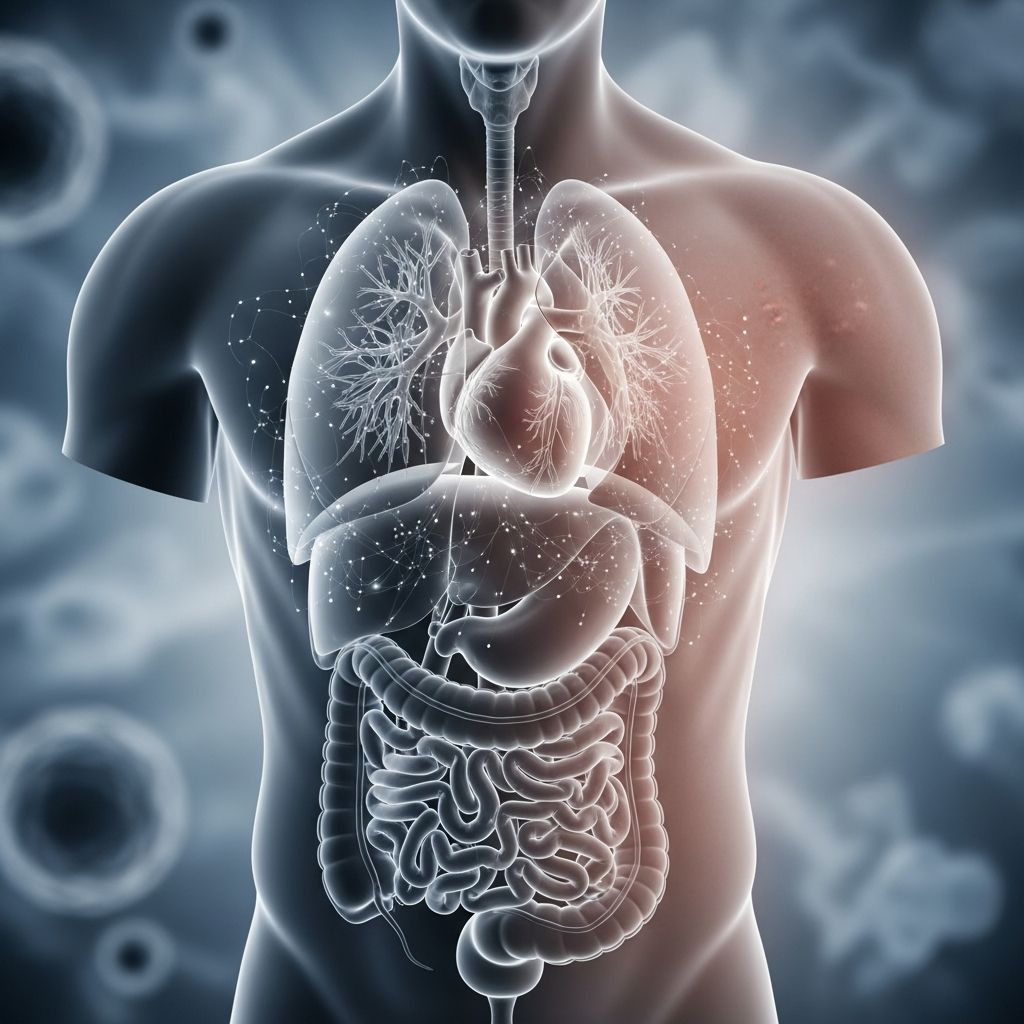
Radiation therapy remains a cornerstone of cancer treatment, targeting malignant cells with high-energy rays while sparing healthy tissue as much as possible. However, it inevitably affects surrounding normal cells, leading to a range of side effects that vary by treatment area, dosage, and individual factors. These effects are broadly categorized into acute (occurring during or soon after treatment) and late (emerging months or years later). Understanding them empowers patients to manage symptoms effectively and maintain quality of life.
Understanding Acute and Late Side Effects
Acute side effects typically begin 1-2 weeks into treatment, peak toward the end, and resolve within 1-2 months post-therapy. They stem from inflammation and rapid cell turnover in exposed tissues. Common examples include fatigue and localized skin reactions. Late effects arise from gradual tissue damage, fibrosis, or vascular changes, potentially causing permanent issues like scarring or secondary cancers, though modern techniques minimize these risks.
- Fatigue: Affects nearly all patients, worsening progressively due to inflammatory cytokines and energy demands on the body.
- Skin Changes: Resemble sunburn—redness, itching, peeling—in the treated field.
- Hair Loss: Temporary in beamed areas, regrows post-treatment unless follicles are permanently damaged.
Patient monitoring and supportive care are crucial, as side effects influence treatment adherence.
General Side Effects Across Treatments
Regardless of site, radiation often induces systemic responses. Fatigue, the most prevalent, feels like profound exhaustion unrelieved by rest, linked to oxidative stress and immune activation. Skin integrity suffers from disrupted epidermal turnover, manifesting as dryness, erythema, or moist desquamation in high-dose zones. Low blood counts, especially lymphocytes, increase infection risk.
| Side Effect | Onset | Duration | Management |
|---|---|---|---|
| Fatigue | Week 2+ | 1-3 months post | Rest, light exercise, nutrition |
| Skin Irritation | Treatment duration | 2-4 weeks post | Moisturizers, avoid sun, gentle soaps |
| Hair Loss | 2-3 weeks | Temporary | Wigs, scalp care |
| Blood Count Drop | Mid-treatment | Variable | Monitor, growth factors if needed |
Head and Neck Region Effects
Radiation to the head and neck impacts mucous membranes, salivary glands, and skin, often causing mucositis—painful inflammation of the oral cavity and pharynx. Symptoms include red, swollen tissues, ulcers, dysphagia, and taste alterations (dysguesia), peaking at weeks 3-4. Dry mouth (xerostomia) results from gland atrophy, raising dental caries risk.
- Throat soreness mimicking severe burns, complicating eating.
- Ear pain or jaw stiffness (trismus) from muscle fibrosis.
- Swallowing difficulties leading to weight loss.
Management involves oral rinses, analgesics, and nutritional supplements. Long-term, amifostine or IMRT reduces xerostomia incidence.
Chest and Breast Treatment Impacts
Thoracic radiation, common for lung, breast, or lymphoma, affects skin, lungs, heart, and nerves. Acute esophagitis causes painful swallowing and cough. Skin reactions are prominent over the breast or chest wall.
Rare late effects include:
- Radiation Pneumonitis: Lung inflammation 1-6 months post, with dyspnea, cough, fever; resolves with steroids.
- Cardiac Toxicity: Left-sided breast treatment risks coronary artery disease or pericarditis years later, mitigated by deep inspiration breath-hold techniques.
- Brachial Plexopathy: Nerve damage causing arm pain, weakness; incidence <1% with modern planning.
- Rib Fractures: From bone weakening, rare today.
Related Stories



Abdominal and Pelvic Complications
Targeting gastrointestinal or pelvic cancers irritates bowels, bladder, and reproductive organs. Acute effects mimic gastroenteritis: nausea, diarrhea, cramping from mucosal sloughing. Pelvic radiation induces enteritis with frequent, loose stools.
Bladder symptoms (cystitis) include dysuria, hematuria, urgency. Long-term risks:
- Fibrotic strictures causing obstruction.
- Incontinence from sphincter damage.
- Sexual dysfunction: vaginal stenosis, erectile issues.
| Region | Acute Effects | Late Effects |
|---|---|---|
| Rectum/Bowel | Diarrhea, tenesmus | Telangiectasia, ulceration |
| Bladder | Frequency, burning | Cystitis, incontinence |
| Reproductive | Mucositis | Stenosis, infertility |
Brain and Spinal Cord Considerations
Cranial irradiation for tumors or metastases provokes headaches, nausea, alopecia, and cognitive fog acutely. Edema exacerbates neurologic deficits. Late effects encompass neurocognitive decline, hypopituitarism, or rare necrosis. Spinal cord risks myelopathy—paresthesia, weakness—with strict dose limits (45 Gy max).
Strategies for Managing Side Effects
Proactive care enhances tolerance. Skin: Use aqueous creams, avoid irritants. Oral: Ice chips during sessions prevent mucositis. Nutrition: Small, frequent meals combat anorexia. Anti-emetics like ondansetron control nausea. Exercise counters fatigue.
For late effects, surveillance imaging and rehab (e.g., speech therapy for dysphagia) are key. Hyperbaric oxygen aids fibrosis.
Warning Signs Requiring Immediate Attention
Seek urgent care for:
- Fever ≥38°C, chills (infection risk).
- Uncontrolled vomiting/diarrhea >24 hours (dehydration).
- Severe pain unresponsive to meds.
- Respiratory distress or new neurologic changes.
- Pus, worsening swelling at site.
Blood in urine/stool or confusion warrants prompt evaluation.
Frequently Asked Questions (FAQs)
Do all patients experience side effects from radiation?
No, severity varies; some have minimal issues due to fractionation and targeting advances.
How long do acute side effects last?
Typically 4-6 weeks post-treatment, though fatigue may linger.
Can side effects be prevented?
Not entirely, but IMRT, IGRT, and protectors like amifostine reduce them.
Are late effects common?
Rare with contemporary low-dose regimens; risks discussed pre-treatment.
Does radiation cause secondary cancers?
Small risk (1-5%) after 10+ years, outweighed by primary cure benefits.
Lifestyle Tips During Treatment
- Maintain hydration and electrolyte balance.
- Adopt soft, bland diets for GI symptoms.
- Practice gentle mobility to fight fatigue.
- Use barrier creams for skin protection.
- Join support groups for emotional resilience.
Radiation therapy’s benefits in tumor control far surpass manageable side effects for most. Collaborate with your oncology team for tailored advice.
References
- Radiation Therapy Side Effects — American Cancer Society. 2023-10-15. https://www.cancer.org/cancer/managing-cancer/treatment-types/radiation/effects-on-different-parts-of-body.html
- Side Effects of Radiation Therapy — Susan G. Komen. 2024-05-20. https://www.komen.org/breast-cancer/treatment/type/radiation-therapy/side-effects/
- Adverse Effects of Radiation Therapy — NCBI StatPearls. 2023-07-17. https://www.ncbi.nlm.nih.gov/books/NBK563259/
- Side effects of radiotherapy — NHS UK. 2024-02-10. https://www.nhs.uk/tests-and-treatments/radiotherapy/side-effects/
- Radiation Therapy Side Effects: What To Expect — Cleveland Clinic. 2024-01-05. https://my.clevelandclinic.org/health/articles/radiation-therapy-side-effects
Similar Articles








Read full bio of medha deb