Radical Prostatectomy: Comprehensive Treatment Guide
Understanding radical prostatectomy: surgical options, benefits, risks, and recovery for prostate cancer treatment.
Understanding Radical Prostatectomy
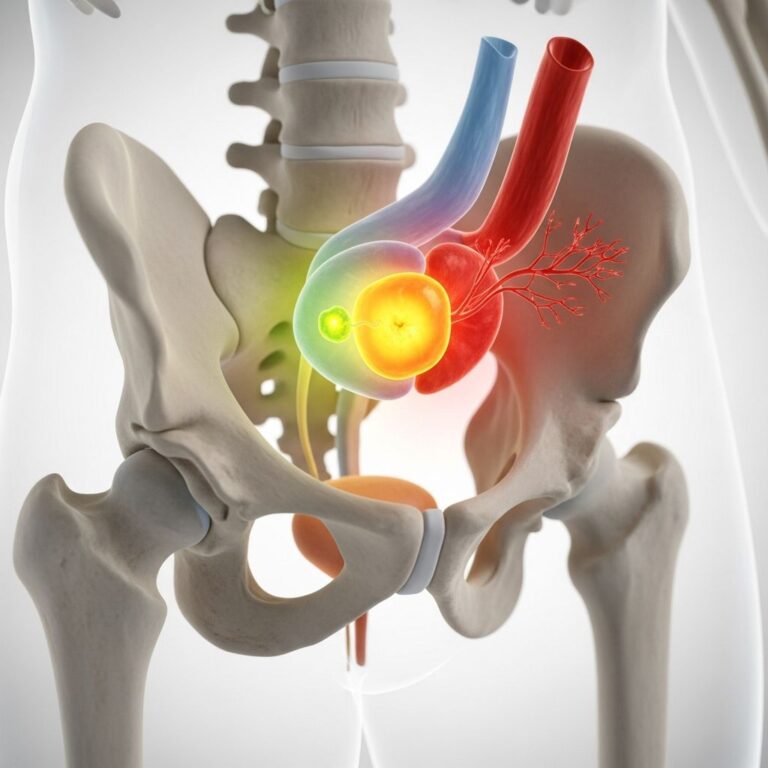
Radical prostatectomy is a surgical procedure in which the entire prostate gland and the seminal vesicles are removed to treat prostate cancer. This procedure is one of the most effective treatments for localized prostate cancer and is performed when the cancer has not spread beyond the prostate. The surgery aims to completely remove cancerous tissue while preserving as much normal function as possible, including urinary continence and sexual function when feasible.
The prostate is a small gland that produces seminal fluid, which helps transport and nourish sperm. When prostate cancer is diagnosed and determined to be contained within the gland, a radical prostatectomy may be recommended as a curative treatment option. The decision to undergo this procedure depends on various factors including age, overall health, stage of cancer, and patient preferences regarding treatment options.
Types of Radical Prostatectomy
There are several approaches to performing a radical prostatectomy, each with distinct advantages and considerations. The choice of approach depends on the patient’s anatomy, surgeon expertise, and individual medical circumstances.
Open Radical Prostatectomy (Retropubic and Perineal)
The open approach is the traditional surgical method that has been used for decades. In the retropubic approach, the surgeon makes an incision below the navel and above the pubic bone to access and remove the prostate. This technique allows direct visualization of the surgical field and provides excellent anatomical access. The surgeon can carefully identify and preserve the neurovascular bundles, which are clusters of nerves and blood vessels crucial for erectile function.
The perineal approach involves making an incision between the scrotum and anus. This technique is less commonly used but may be preferred in certain cases. Both open approaches require significant surgical training and experience, as they demand careful handling of delicate surrounding structures to minimize complications.
Robotic-Assisted Laparoscopic Prostatectomy (RALP)
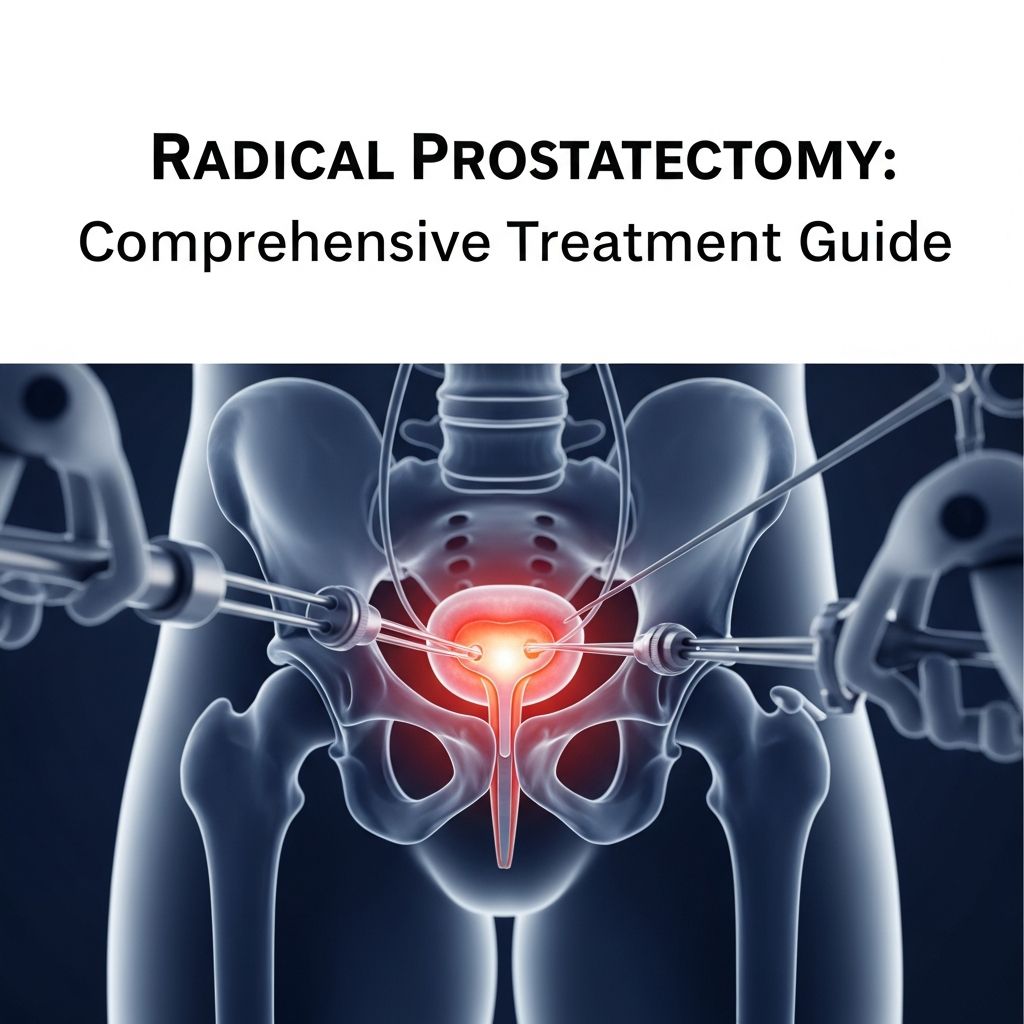
Robotic-assisted surgery uses the daVinci surgical system to perform minimally invasive prostatectomy. The surgeon sits at a console and controls robotic arms that have small instruments attached. The robotic system provides magnified three-dimensional visualization of the surgical field and allows for precise, delicate movements. Multiple small incisions are made in the abdomen through which the instruments are inserted.
The robotic approach has become increasingly popular, with some centers performing approximately 60% of prostatectomies using this technique. The benefits of robotic assistance include reduced blood loss due to decreased intra-abdominal pressure compared to traditional laparoscopic surgery, shorter hospital stays, and faster recovery times. However, it is important to note that extensive research has not demonstrated that robotic surgery produces superior cancer outcomes or better functional results compared to open surgery when performed by experienced surgeons.
Laparoscopic Radical Prostatectomy
Pure laparoscopic prostatectomy is performed entirely through small incisions without robotic assistance. This technique requires exceptional surgical skill and training. While it offers some advantages of minimally invasive surgery, it has been largely superseded by robotic-assisted approaches at most major medical centers due to the technical demands and the advantages provided by robotic visualization and instrumentation.
Related Stories



Preparation for Radical Prostatectomy
Proper preparation before surgery is essential for ensuring the best possible outcomes and minimizing complications. Patients will undergo several evaluations and tests prior to their procedure.
Medical Evaluation
Comprehensive medical assessment includes blood tests, imaging studies, and cardiac evaluation as needed. Patients should inform their surgeon about all medications they take, including blood thinners, supplements, and over-the-counter drugs. Certain medications may need to be stopped before surgery.
Preoperative Instructions
Patients typically receive detailed instructions about fasting requirements, which usually involve avoiding food and drink for 6-8 hours before surgery. The bowel may need to be prepared with laxatives or enemas, particularly for the perineal approach. Patients should arrange for someone to drive them home after surgery and help with recovery during the initial weeks.
Benefits of Radical Prostatectomy
Radical prostatectomy offers several significant advantages as a treatment for localized prostate cancer:
- Curative Intent: For cancer confined to the prostate, this surgery offers the potential for complete cancer cure with excellent long-term survival rates.
- Definitive Treatment: Complete removal of the prostate eliminates the risk of cancer developing in that gland.
- Accurate Staging: The removed tissue can be thoroughly examined to determine the exact stage of cancer and guide decisions about additional treatment.
- Single Intervention: Unlike radiation therapy which requires multiple treatments, prostatectomy is typically a one-time surgical intervention.
- No Ongoing Monitoring: Patients with successful cancer removal do not require ongoing treatment to the prostate gland itself.
Potential Risks and Side Effects
Like all surgical procedures, radical prostatectomy carries potential risks and side effects that patients should understand before proceeding.
Surgical Complications
Immediate surgical risks include bleeding, infection, and anesthesia-related complications. Blood clots may form in the legs (deep vein thrombosis) or lungs (pulmonary embolism), though these are relatively uncommon. Injury to surrounding structures such as the bowel, blood vessels, or bladder can occur but is rare in experienced hands.
Urinary Incontinence
Temporary urinary incontinence is common immediately after surgery due to the catheter and normal postoperative swelling. Most men regain normal urinary control within weeks to months. Long-term stress incontinence, where urine leaks during physical activity or coughing, occurs in a small percentage of patients. This risk increases with advancing age. Pelvic floor exercises (Kegel exercises) can help improve continence and should be started even before surgery.
Erectile Dysfunction
Erectile dysfunction is one of the most significant potential side effects, occurring because the cavernous nerves responsible for erectile function run along the prostate. Nerve-sparing surgical techniques aim to preserve these nerves and sexual function, but this is not always possible depending on cancer location and stage. Recovery of erectile function can take several months to over a year after surgery. Medications, vacuum devices, or injections can help manage erectile dysfunction.
Other Potential Side Effects
Some patients experience bowel changes, including increased frequency of bowel movements or occasional loose stools. Pain or discomfort in the surgical area typically resolves within weeks. Rarely, strictures (narrowing) of the urethra may develop and require treatment.
Recovery and Postoperative Care
Recovery from radical prostatectomy varies depending on the surgical approach used. Robotic and laparoscopic approaches typically involve shorter recovery periods compared to open surgery.
Hospital Stay
Most patients undergoing robotic-assisted surgery go home the same day or after an overnight stay. Open surgery may require 1-2 days of hospitalization. A catheter (thin tube) is left in place to drain urine while the surgical site heals, typically remaining for 1-2 weeks.
Activity Restrictions
During the first 4-6 weeks, patients should avoid strenuous activity, heavy lifting (more than 10 pounds), and intense exercise. Normal daily activities can gradually resume. Most men return to light work within 2-3 weeks and full activity within 4-6 weeks with robotic surgery, or 6-8 weeks with open surgery.
Catheter Management
Patients are instructed on catheter care and drainage management. Once the catheter is removed, some temporary urinary incontinence is normal and typically improves over the following weeks and months. Pelvic floor exercises should continue throughout recovery.
Pathologic Findings and Cancer Staging
After surgery, the removed prostate and surrounding tissues are carefully examined by a pathologist. This examination determines the exact stage of cancer, presence of positive surgical margins (areas where cancer cells extend to the edge of removed tissue), and whether cancer has spread to lymph nodes. These findings guide decisions about whether additional treatment, such as radiation therapy or hormone therapy, is needed.
Long-term Follow-up
Following radical prostatectomy, patients require ongoing monitoring to ensure cancer has not recurred. PSA (prostate-specific antigen) blood tests are performed at regular intervals, typically every 3-6 months initially, then annually. A rising PSA level may indicate cancer recurrence and would warrant further evaluation and possible additional treatment.
Alternative Treatment Options
Patients with localized prostate cancer have several treatment alternatives to consider:
- Active Surveillance: Carefully monitoring cancer with regular PSA tests and biopsies, delaying or avoiding treatment in slowly-growing cancers.
- Radiation Therapy: External beam radiation or brachytherapy (radioactive seed implantation) to destroy cancer cells.
- Hormone Therapy: Medications that block testosterone, which fuels prostate cancer growth.
- Combination Therapy: Combining surgery with radiation or hormone therapy in certain cases.
Advances in Surgical Technique
Ongoing research continues to improve radical prostatectomy outcomes. Advanced imaging techniques, including real-time ultrasound guidance during robotic surgery, help surgeons better visualize critical structures like the neurovascular bundles and preserve erectile function. These innovations aim to maintain or improve cancer control while reducing side effects. The preservation of neurovascular bundle integrity during surgery improves postoperative recovery of sexual potency, making nerve-sparing approaches increasingly important for appropriate candidates.
Frequently Asked Questions
Q: How long does radical prostatectomy surgery take?
A: The procedure typically takes 2-4 hours depending on the surgical approach, surgeon experience, and individual patient factors. Open surgery may take longer than robotic-assisted approaches.
Q: Will I need additional treatment after radical prostatectomy?
A: This depends on pathologic findings from the removed prostate. Some patients require radiation therapy, hormone therapy, or both based on cancer stage, grade, margins, and other factors.
Q: How long until I can resume sexual activity after surgery?
A: Most surgeons recommend waiting 4-6 weeks after surgery before resuming sexual activity. However, recovery of erectile function may take several months to a year or longer.
Q: What is the success rate of radical prostatectomy?
A: For localized prostate cancer, radical prostatectomy has excellent long-term cure rates, often exceeding 90-95% at 10-15 years when performed for appropriate candidates.
Q: Is robotic surgery better than open surgery?
A: Both approaches can achieve excellent cancer outcomes in experienced hands. Robotic surgery offers advantages in recovery time and reduced blood loss, but does not demonstrate superior cancer cure rates. The best approach depends on individual patient factors and surgeon expertise.
Q: Can my prostate cancer return after radical prostatectomy?
A: While radical prostatectomy removes the prostate, cancer can rarely recur in surrounding tissues or distant sites if microscopic disease was present before surgery. This is detected through PSA monitoring and other tests.
References
- Radical Prostatectomy — Johns Hopkins Medicine. https://www.hopkinsmedicine.org/health/treatment-tests-and-therapies/radical-prostatectomy
- Robot-Assisted Laparoscopic Radical Prostatectomy — Johns Hopkins Urology Robotics. https://urobotics.urology.jhu.edu/projects/T-RALP/
- Comparison of Open and Robotic-Assisted Radical Prostatectomy — Patrick C. Walsh, MD, Johns Hopkins School of Medicine. OncLive. February 17, 2015.
- Prostate Cancer: Treatment Options — National Institutes of Health, National Cancer Institute. https://www.cancer.gov/types/prostate
- American Urological Association Clinical Guidelines on Prostate Cancer — American Urological Association. https://www.auanet.org
Similar Articles








Read full bio of medha deb