Radiofrequency Ablation: Minimally Invasive Pain Relief
Discover how radiofrequency ablation provides effective chronic pain relief through minimally invasive heat therapy.
Understanding Radiofrequency Ablation
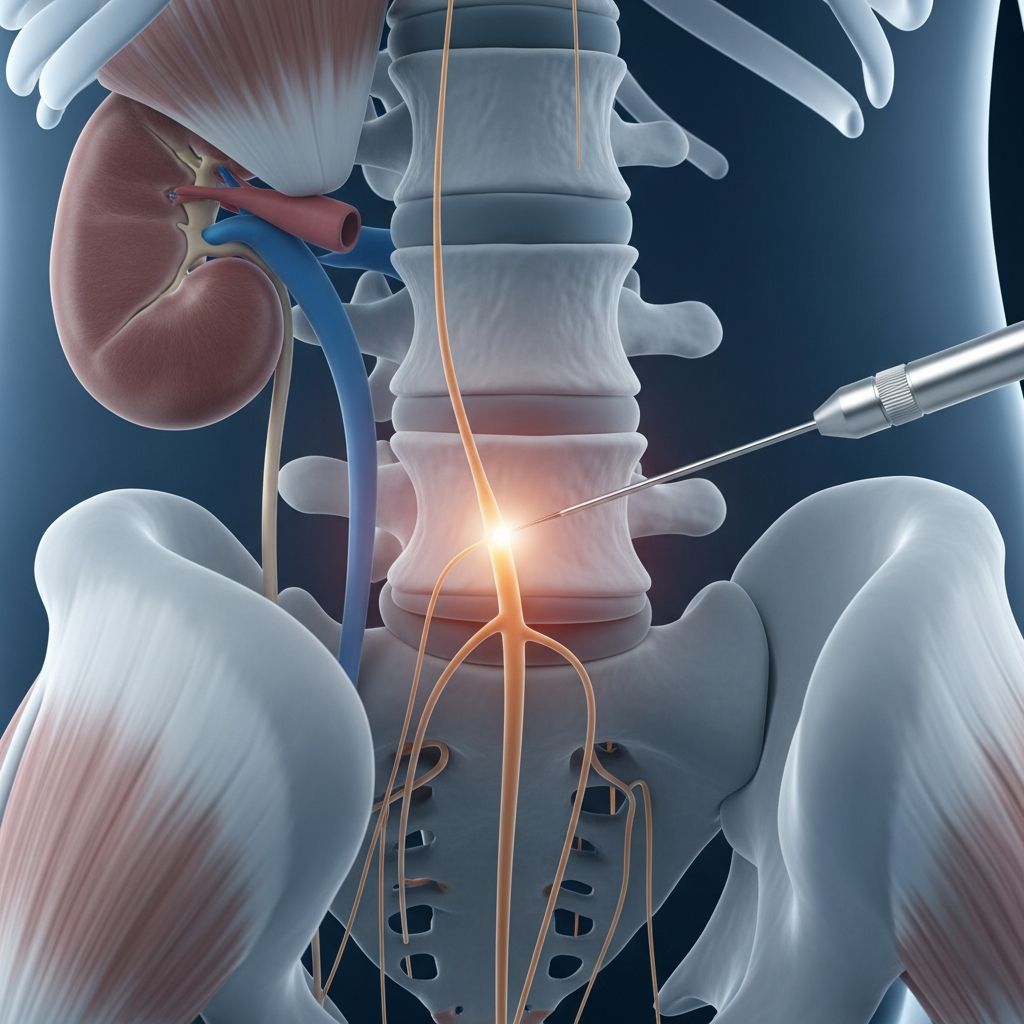
Radiofrequency ablation (RFA), also known as radiofrequency neurotomy or radiofrequency rhizotomy, is a minimally invasive procedure that uses localized heat generated by radiofrequency waves to target specific tissues within the body. This innovative treatment approach has become increasingly popular for managing various medical conditions, particularly chronic pain disorders affecting the spine and other areas of the body. Unlike traditional surgical interventions that require large incisions and extended recovery periods, radiofrequency ablation accomplishes its therapeutic goals through small needle punctures, making it an attractive option for patients seeking effective pain relief with minimal tissue trauma.
What is Radiofrequency Ablation?
Radiofrequency ablation is primarily used to target and disrupt small medial branch nerves responsible for transmitting pain signals from facet joints, which are connections between bones in the spine. The procedure is particularly effective for managing chronic neck or back pain arising from the cervical (neck) or lumbar (lower back) facet joints. RFA has been extensively studied and validated as an effective treatment modality for various painful conditions, with clinical data supporting its efficacy and safety profile across multiple patient populations.
Key Characteristics of RFA
The procedure operates on a fundamental principle: using energy from radiofrequency waves to create localized heat at the target nerve or tissue within the body. The elevated temperature generated by the radiofrequency energy is precisely controlled to target a specific area and avoid overheating surrounding healthy tissues. This precision is one of the primary advantages of RFA over traditional ablation methods, as it allows physicians to create therapeutic lesions while preserving the integrity of adjacent structures.
How Radiofrequency Ablation Works
The mechanism of action for radiofrequency ablation involves the application of medium frequency alternating current in the range of 350–500 kHz to generate thermal energy. This energy heats the target tissue and causes coagulation of the cells in the target area. In the case of pain management procedures, such as facet RFA, the heat disrupts the nerves responsible for transmitting pain signals. This disruption interrupts the pain signals and provides sustained relief to the patient by effectively blocking the transmission of nociceptive (pain) impulses to the central nervous system.
Types of Radiofrequency Ablation
There are several variations of radiofrequency ablation techniques, each with unique characteristics and applications suited to different clinical scenarios:
Thermal Radiofrequency Ablation (Thermal RFA): This traditional approach generates heat to create localized coagulative necrosis (cell death) in the target tissue. It involves the application of radiofrequency energy to heat the target tissue at a temperature of up to 80 degrees Celsius. This method has been used extensively for decades and has a well-established safety and efficacy profile.
Cooled Radiofrequency Ablation (Cool RF): This advanced variation involves the use of a specialized electrode with cooling technology to prevent excessive tissue charring during the procedure. It still generates heat, but the cooling effect helps protect nearby tissues and allows for larger lesion sizes. This technique represents an evolution in RFA technology, offering potential advantages in terms of tissue preservation and procedural precision.
Related Stories



How is Radiofrequency Ablation Performed?
Radiofrequency ablation is a minimally invasive procedure, meaning that it is typically performed using needles via punctures in the skin, which results in less pain, shorter recovery times, and reduced risk compared to traditional open surgery. The procedural technique has been refined over years of clinical experience and represents a significant advancement in interventional pain management.
Step-by-Step Procedure
Patient Positioning and Monitoring: During the procedure, you will be positioned on an examination table in a manner that provides optimal access to the target area. Your vitals including your pulse, blood pressure, and electrocardiogram may be monitored to ensure your safety throughout the procedure. Additionally, grounding pads are an essential component to ensure patient safety and prevent electrical burns or shocks during the procedure. These safety measures reflect best practices in interventional medicine and help mitigate potential complications.
Local Anesthesia Application: The physician will use a local anesthetic to numb the area where the procedure will be performed. This numbing ensures patient comfort during needle insertion and positioning, though patients typically remain conscious and able to communicate with the medical team during the procedure.
Needle Guidance and Electrode Insertion: A specialized needle is then guided into the target area using imaging techniques such as fluoroscopy or ultrasound. These imaging modalities provide real-time visualization to ensure accurate needle placement. Once in position, a radiofrequency electrode is inserted through the needle, establishing the pathway through which therapeutic heat energy will be delivered.
Nerve Stimulation Testing: At this stage, the electrode can be used for nerve stimulation and testing to ensure the correct target is reached and increase safety of the procedure. This confirmatory step is crucial because it allows the physician to verify that the electrode is positioned at the correct anatomical location before applying radiofrequency energy. Patients may feel brief pain or muscle twitching during this testing phase, which helps confirm proper positioning.
Radiofrequency Energy Application: Using the same electrode, radiofrequency energy is applied to disrupt the nerves responsible for pain signals. Throughout the procedure, the healthcare provider closely monitors the temperature and progress to ensure that the treatment is effective and safe. The duration of energy application and the temperature achieved are carefully controlled based on the specific clinical indication and anatomical considerations.
Clinical Applications and Conditions Treated
Radiofrequency ablation has demonstrated efficacy across a broad spectrum of medical conditions beyond chronic spinal pain. The versatility of this technology has led to its adoption in multiple surgical specialties, expanding its clinical utility and patient population.
Cardiac Arrhythmias
One of the original applications of RFA was in the treatment of cardiac arrhythmias, particularly atrial fibrillation. The energy-emitting probe (electrode) is positioned at the tip of a catheter, which is placed into the heart, usually through a vein. The practitioner first maps an area of the heart to locate the abnormal electrical activity through an electrophysiology study before the responsible tissue is eliminated. Radiofrequency ablation can be used in atrial fibrillation either to block the atrioventricular node after implantation of a pacemaker or to block conduction within the left atrium, especially around the pulmonary veins. Although bipolar radiofrequency ablation can be more successful in preventing recurrent atrial arrhythmias, unipolar approaches are used more often due to technical considerations.
Varicose Veins
Radiofrequency ablation is a minimally invasive procedure used in the treatment of varicose veins, serving as an alternative to the traditional stripping operation. Under ultrasound guidance, a radiofrequency catheter is inserted into the abnormal vein and the vessel is treated with radio-energy, resulting in closure of the involved vein. This technique is used to treat the great saphenous vein, the small saphenous vein, and the perforator veins, providing patients with an effective alternative to surgical approaches.
Benign Thyroid Nodules
For benign thyroid nodules, the RFA procedure is similar to a thyroid biopsy, although instead of using a needle to remove cells from the nodule, a probe delivers heat to the interior of the nodule that effectively cauterizes the tissue. Over the course of 3–6 months, the nodule will continue to shrink, typically achieving a 50-80% reduction in total size. This represents a valuable non-surgical option for managing symptomatic benign thyroid disease.
Barrett’s Esophagus
Radiofrequency ablation has been employed in the treatment of Barrett’s esophagus, a precancerous condition of the esophageal lining. This outpatient procedure typically lasts from fifteen to thirty minutes. Two months after the procedure, the physician performs an upper endoscopic examination to assess the esophagus for residual Barrett’s esophagus. If any Barrett’s esophagus is found, the disease can be treated with a focal RFA device. Between 80 and 90% or greater of people in numerous clinical trials have shown complete eradication of Barrett’s esophagus in approximately two to three treatments with a favorable safety profile. The treatment of Barrett’s esophagus by RFA is durable for up to 5 years.
Uterine Fibroids
RFA is used to treat uterine fibroids using the heat energy of radiofrequency waves to ablate the fibroid tissue. The device is inserted via a laparoscopic probe and guided inside the fibroid tissue using an ultrasound probe. The heat shrinks the fibroids, with clinical data on the procedure showing an average of 45% shrinkage. This represents an important minimally invasive alternative to traditional fibroid treatment modalities.
Morton’s Neuroma
Radiofrequency ablation is also used in the treatment of Morton’s neuroma, where the outcome appears to be more reliable than alcohol injections. This application demonstrates the expanding utility of RFA technology in managing painful foot conditions.
Pre-Procedure Diagnostic Testing
Before undergoing radiofrequency ablation for pain management, patients typically undergo diagnostic nerve blocks to confirm that the targeted nerves are responsible for their pain. The nerves to be ablated are identified through injections of local anesthesia (such as lidocaine) around the medial branches prior to the RFA procedure to first confirm the diagnosis. If the local anesthesia injections provide temporary pain relief, the injection is repeated a second time to confirm the diagnosis. This diagnostic confirmation is crucial because it helps ensure that patients will benefit from the definitive RFA procedure and reduces the risk of performing the procedure on patients who might not respond to this treatment approach.
Recovery and Outcomes
Most patients tolerate the radiofrequency ablation procedure well. You may feel some pain or tenderness at the injection site, but this usually subsides in a few days. After resting, you’ll be able to go home the same day, as RFA is performed in the outpatient setting. While radiofrequency ablation doesn’t fix the underlying cause of the pain, it does block the number of pain signals coming from the joints, leading to significant pain relief for most patients. The minimally invasive nature of the procedure means that patients experience minimal disruption to their daily activities and can typically return to normal routines relatively quickly.
Frequently Asked Questions (FAQs)
Q: How long does pain relief from radiofrequency ablation last?
A: The duration of pain relief from radiofrequency ablation varies among patients but typically lasts from 6 months to several years. Since the procedure does not permanently destroy the nerves, some patients may experience pain recurrence over time and may be candidates for repeat procedures.
Q: Is radiofrequency ablation painful?
A: Most patients experience minimal pain during the procedure due to local anesthesia. You may feel some pressure or brief discomfort during needle insertion and nerve testing, but these sensations are typically well-tolerated. Post-procedure soreness at the injection site usually resolves within a few days.
Q: Who is a good candidate for radiofrequency ablation?
A: Candidates typically include patients with chronic pain from facet joints, patients who have had positive responses to diagnostic nerve blocks, and those who have not achieved adequate relief with conservative treatments. Your physician will evaluate your specific condition to determine if RFA is appropriate for you.
Q: What are the risks and complications of radiofrequency ablation?
A: Radiofrequency ablation is generally a safe procedure with minimal complications. Potential risks include temporary numbness, infection at the injection site, nerve damage, and in rare cases, thermal injury to surrounding tissues. These complications are uncommon when the procedure is performed by experienced physicians using appropriate imaging guidance.
Q: Can radiofrequency ablation be repeated?
A: Yes, radiofrequency ablation can be repeated if pain recurs after the initial procedure. Some patients undergo repeat procedures as the nerves gradually regenerate over time. Your physician can discuss the timing and feasibility of repeat procedures based on your individual response to the initial treatment.
Q: How does radiofrequency ablation compare to other pain management options?
A: Radiofrequency ablation offers advantages over some alternatives, including longer-lasting relief compared to steroid injections, fewer systemic side effects compared to oral medications, and less invasiveness compared to surgical interventions. However, the best treatment approach depends on individual patient factors and should be determined in consultation with your healthcare provider.
Conclusion
Radiofrequency ablation represents a significant advancement in the treatment of chronic pain and various medical conditions. By harnessing the therapeutic potential of radiofrequency energy to create precise, controlled tissue ablation, this minimally invasive procedure offers patients an effective alternative to traditional surgical approaches. With its favorable safety profile, minimal recovery time, and proven clinical efficacy across multiple medical specialties, radiofrequency ablation continues to expand its role in contemporary medicine. Whether for chronic spinal pain, cardiac arrhythmias, or other conditions, RFA provides patients and physicians with a valuable tool for improving quality of life and managing complex medical problems effectively.
References
- Radiofrequency Ablation (RFA) for Back and Neck Pain — Hospital for Special Surgery (HSS). 2024. https://www.hss.edu/health-library/conditions-and-treatments/radiofrequency-ablation
- Radiofrequency Ablation — National Center for Biotechnology Information (NCBI), StatPearls Publishing. 2024. https://www.ncbi.nlm.nih.gov/books/NBK482387/
- Radiofrequency Ablation (RFA) — Yale Medicine. 2024. https://www.yalemedicine.org/clinical-keywords/radiofrequency-ablation
- Radiofrequency Ablation for Back Pain — Mayo Clinic Health System. 2024. https://www.mayoclinichealthsystem.org/hometown-health/speaking-of-health/radiofrequency-ablation-pain-relief
- Radiofrequency Ablation — UCSF Health. 2024. https://www.ucsfhealth.org/treatments/radiofrequency-ablation
- Radiofrequency Ablation — Cedars-Sinai. 2024. https://www.cedars-sinai.org/programs/pain-medicine/specialties/general/radiofrequency-ablation.html
Similar Articles








Read full bio of Sneha Tete