Radiofrequency Ablation: Pain Relief Through Heat Therapy
Learn how radiofrequency ablation uses heat to treat chronic pain in the neck, back, and joints.
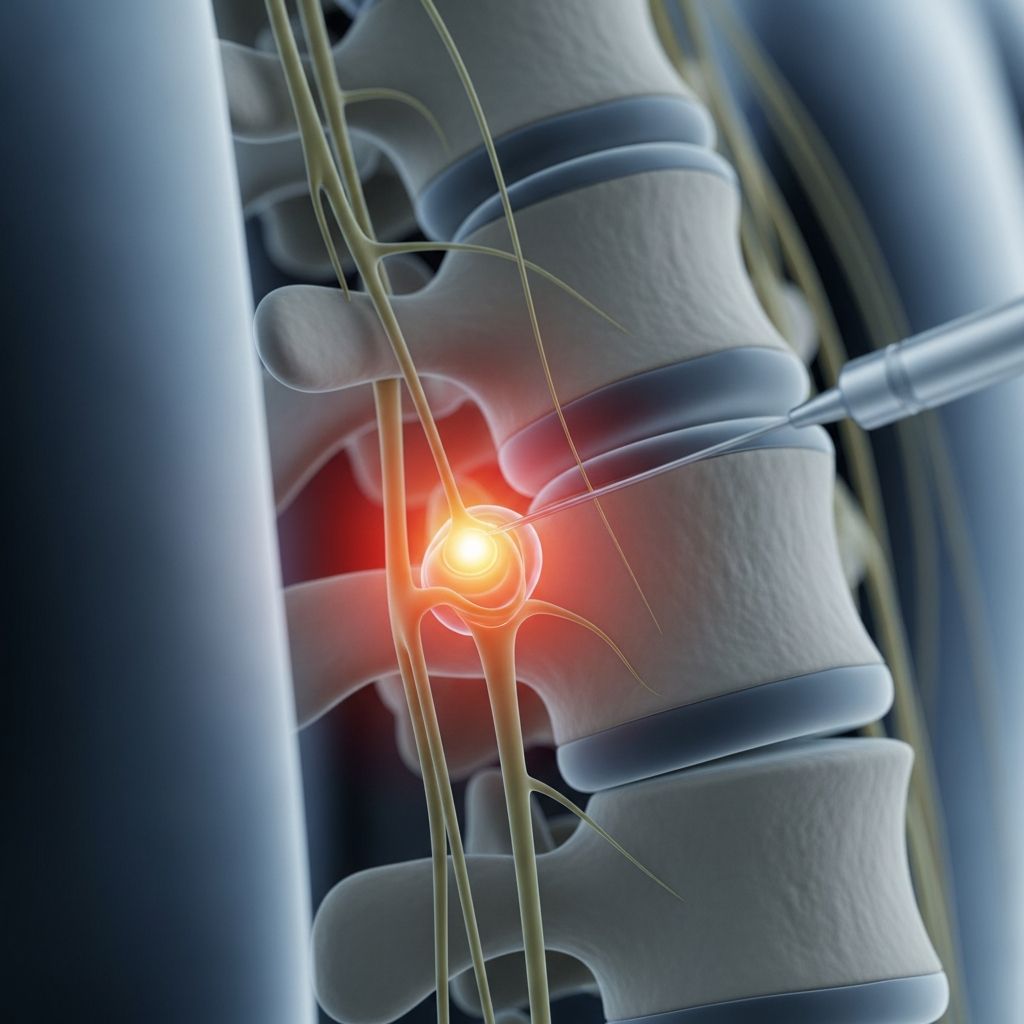
Understanding Radiofrequency Ablation
Radiofrequency ablation (RFA) is an innovative medical procedure that uses heat generated by radio waves to destroy tissue, offering a minimally invasive treatment option for patients suffering from chronic pain. Unlike traditional surgical interventions that require large incisions and extended recovery periods, RFA provides targeted relief by using precisely placed needles to deliver controlled heat to specific areas of nerve tissue.
For pain management, radio waves are sent through a carefully positioned needle to heat an area of the nerve. This process stops or significantly reduces pain signals from being transmitted to the brain. RFA is particularly considered for long-term pain conditions, especially affecting the neck, lower back, or arthritic joints that have not responded successfully to other treatment methods such as medication or physical therapy.
How Radiofrequency Ablation Works
The mechanism of radiofrequency ablation involves the application of electrical energy at a frequency of 30 kilohertz to 1.5 megahertz, which produces controlled, focal thermal ablation at the treatment site. When the radiofrequency energy reaches the targeted nerve tissue, it generates heat that creates a lesion, effectively disrupting the nerve’s ability to transmit pain signals.
The procedure requires precise guidance to ensure accurate placement of the needle electrode. Healthcare providers use real-time imaging and monitoring techniques to visualize the treatment area and verify proper positioning before energy delivery begins. This precision is crucial for maximizing therapeutic benefit while minimizing potential complications and damage to surrounding healthy tissue.
Conditions Treated with Radiofrequency Ablation
Radiofrequency ablation has demonstrated clinical effectiveness in treating various chronic pain conditions:
- Chronic Lower Back Pain: RFA can treat facet joint pain and sacroiliac joint pain, which may account for up to 30% of low back pain cases in certain patient populations
- Neck Pain: The procedure effectively addresses chronic cervical spine pain from degenerative joint disease and facet joint dysfunction
- Joint Arthritis: Patients with osteoarthritis affecting the knees, hips, shoulders, and other joints may benefit from RFA
- Sacroiliac Joint Disorders: RFA of the nerves innervating the sacroiliac joint has demonstrated safety and efficacy as a treatment strategy
- Atrial Fibrillation: In cardiac applications, radiofrequency ablation has become a safe and effective treatment for this common arrhythmia
Pre-Procedure Evaluation
Before undergoing radiofrequency ablation, patients must undergo proper evaluation to determine candidacy and predict treatment outcomes. Your healthcare provider will conduct a comprehensive assessment of your medical history, current medications, and pain characteristics.
A critical component of pre-procedure evaluation is the diagnostic block test. This test involves injecting a local anesthetic near the area of pain to temporarily numb the region and assess pain relief. The diagnostic block serves as a predictor of how well radiofrequency ablation will work for your specific condition. If the diagnostic block provides significant relief, your provider may recommend RFA as a suitable treatment option. Conversely, if the diagnostic block fails to provide meaningful relief, you may not be a good candidate for radiofrequency ablation, as the procedure relies on targeting the same nerve pathway.
Related Stories



The Radiofrequency Ablation Procedure
Understanding what to expect during the radiofrequency ablation procedure can help alleviate anxiety and prepare you for the experience. The procedure is typically performed in an outpatient setting, allowing patients to return home the same day.
Preparation and Positioning
You will be positioned on your stomach on a special X-ray table designed for the procedure. Your healthcare provider will use monitors to continuously watch your vital signs and condition throughout the treatment. You will remain conscious and aware during the procedure, allowing you to communicate with your provider and answer any questions about your comfort level or sensations experienced during the process.
Anesthesia and Needle Placement
Your doctor will apply a local anesthetic to numb the area of your skin where the needle will be inserted. Once the area is properly numbed, the healthcare provider will carefully insert a thin needle electrode into the treatment area. Real-time X-ray imaging guides the needle placement to ensure accuracy. Medications may be given during the procedure to help you relax, though this is optional and based on individual preference and medical needs.
Energy Delivery and Ablation
Once the needle is properly positioned at the target nerve, radiofrequency energy is delivered through the electrode. This creates a heat lesion that destroys the nerve tissue responsible for transmitting pain signals. The entire radiofrequency ablation procedure typically takes between 15 minutes to two hours, depending on the treatment location and the number of nerves requiring treatment.
Advantages of Radiofrequency Ablation
Radiofrequency ablation offers several significant advantages over traditional surgical approaches:
- Minimally Invasive: The procedure requires only small needle insertions rather than large surgical incisions
- Outpatient Procedure: Most patients return home the same day without requiring hospitalization
- Reduced Recovery Time: The minimal tissue trauma results in faster healing compared to traditional surgery
- Long-Term Pain Relief: Clinical data shows that RFA can provide lasting pain relief for patients with chronic back and neck pain
- Cost-Effective: Advanced techniques can reduce procedure costs by over $1,000 per case compared to alternative ablation methods
- Lower Risk Profile: The targeted nature of the procedure minimizes damage to surrounding healthy tissue and reduces complication rates
- Improved Clinical Outcomes: Newer radiofrequency ablation techniques demonstrate significantly better pain relief outcomes compared to older methods
Recovery After Radiofrequency Ablation
The recovery process following radiofrequency ablation is generally straightforward, though individual experiences may vary based on the treatment location and extent of the procedure.
Most patients experience some mild discomfort or soreness at the needle insertion site for a few days following the procedure. This is typically manageable with over-the-counter pain medications. It is important to avoid strenuous activities and heavy lifting for the first few days after treatment to allow the treated area to heal properly.
Your healthcare provider may recommend physical therapy to regain strength and flexibility in the treated area. Physical therapy can be an essential component of comprehensive pain management, helping to prevent future pain episodes and improve overall functional capacity. You will have a follow-up appointment scheduled to check on your progress, assess your pain relief level, and address any questions or concerns you may have about your recovery.
Risks and Side Effects
While radiofrequency ablation is generally considered a safe procedure, as with any medical intervention, there are potential risks and side effects to consider. Most patients tolerate the procedure well with minimal complications.
Possible side effects include temporary increased pain or soreness at the treatment site, mild swelling or bruising at the needle insertion area, and temporary numbness or tingling sensations. These effects typically resolve within days to weeks. Serious complications are rare but may include infection, nerve damage, or allergic reactions to anesthetic agents. Your healthcare provider will discuss all potential risks and benefits with you during the consultation process.
Duration of Pain Relief
One of the important considerations for patients contemplating radiofrequency ablation is the duration of pain relief provided by the procedure. The length of time pain relief lasts varies among individuals and depends on several factors, including the specific nerves treated, the extent of nerve damage, and individual healing responses.
Many patients experience significant pain relief lasting from several months to over a year following the procedure. Some patients may experience repeated benefit from the procedure if pain returns after an initial treatment. Your healthcare provider can discuss realistic expectations for pain relief duration based on your specific condition and treatment approach.
Innovations in Radiofrequency Ablation Techniques
Recent advances in radiofrequency ablation technology have significantly improved treatment outcomes and efficiency. Newer techniques, such as bipolar radiofrequency ablation (b-RFA), have been developed to enhance the procedure’s effectiveness and reduce procedural burden on patients.
These advanced techniques allow for simultaneous ablation of multiple nerves using specially designed guides and electrodes, reducing operating time by more than 50% and decreasing X-ray exposure by over 80% compared to older methods. Advanced radiofrequency ablation approaches have demonstrated significantly higher rates of substantial pain relief (greater than 50% pain reduction) at 3, 6, and 12-month follow-up intervals compared to conventional techniques.
Comparing Radiofrequency Ablation to Alternative Treatments
| Treatment Option | Invasiveness | Recovery Time | Duration of Relief | Cost Considerations |
|---|---|---|---|---|
| Radiofrequency Ablation | Minimally invasive | Days to weeks | Months to over a year | Moderate; reduced costs with newer techniques |
| Traditional Surgery | Highly invasive | Weeks to months | Long-term, but permanent | High |
| Medication Management | Non-invasive | N/A | Temporary; requires ongoing medication | Variable; ongoing costs |
| Physical Therapy | Non-invasive | N/A | Variable; depends on compliance | Moderate |
| Epidural Injections | Minimally invasive | Days | Weeks to months | Lower than RFA |
Frequently Asked Questions
Q: How long does the radiofrequency ablation procedure take?
A: The procedure typically takes between 15 minutes to two hours, depending on the treatment location and the number of nerves being treated. The exact duration will be discussed with your healthcare provider during your consultation.
Q: When will I feel pain relief after radiofrequency ablation?
A: Some patients experience immediate pain relief, while others may notice gradual improvement over several days to weeks as the treated area heals. Full therapeutic benefit may take up to several weeks to manifest in some cases.
Q: Can radiofrequency ablation be repeated?
A: Yes, the procedure can often be repeated if pain returns after an initial treatment. Nerve fibers can regenerate over time, potentially restoring some pain transmission, making repeat ablation a viable option for ongoing management.
Q: What should I do after radiofrequency ablation?
A: You should rest for several days, avoid strenuous activities and heavy lifting, and follow your provider’s recommendations regarding physical therapy. Attend all follow-up appointments and contact your healthcare provider if you experience unexpected symptoms or complications.
Q: Is radiofrequency ablation suitable for all types of chronic pain?
A: No, radiofrequency ablation is most effective for pain originating from specific nerves that can be precisely targeted. A diagnostic block test helps determine if RFA is appropriate for your particular pain condition. Your healthcare provider can assess your candidacy based on your medical history and pain characteristics.
Q: Are there any permanent side effects from radiofrequency ablation?
A: Most side effects from RFA are temporary. However, there is a potential risk of nerve damage or permanent numbness in the treated area, though this is uncommon when the procedure is performed by experienced healthcare providers using proper technique and imaging guidance.
Conclusion
Radiofrequency ablation represents a significant advancement in pain management technology, offering patients with chronic pain conditions a minimally invasive alternative to traditional surgery. By using targeted heat energy to destroy pain-transmitting nerve tissue, RFA provides long-term relief for patients with neck pain, lower back pain, and joint arthritis who have not found adequate relief through conservative treatment approaches.
The procedure’s safety profile, rapid recovery time, and documented effectiveness make it an attractive option for appropriate candidates. With continued innovations in ablation technology improving outcomes and reducing procedural burden, radiofrequency ablation continues to establish itself as a cornerstone of modern pain management therapy. If you suffer from chronic pain and conventional treatments have been unsuccessful, discussing radiofrequency ablation with your healthcare provider may help determine whether this procedure could provide the long-term relief you seek.
References
- A New Radiofrequency Ablation Procedure to Treat Sacroiliac Joint Pain — PubMed Central/National Center for Biotechnology Information. 2017. https://pubmed.ncbi.nlm.nih.gov/27906939/
- Radiofrequency Ablation (RFA): What It Is & Procedure — Cleveland Clinic. 2024. https://my.clevelandclinic.org/health/treatments/17411-radiofrequency-ablation
- Thyroid Radiofrequency Ablation — Cleveland Clinic Abu Dhabi. 2024. https://www.clevelandclinicabudhabi.ae/en/health-hub/health-resource/treatments-and-procedures/thyroid-radiofrequency-ablation
- Ablation of Atrial Fibrillation: Facts for the Referring Physician — Cleveland Clinic Journal of Medicine. 2018. https://www.ccjm.org/content/85/10/789
- Radiofrequency Ablation (RFA) — Cleveland Clinic Abu Dhabi. 2024. https://www.clevelandclinicabudhabi.ae/en/health-hub/health-resource/diseases-and-conditions/radiofrequency-ablation
- Lumbar Radiofrequency Ablation to Treat Lumbar Facet Joint Pain — Cleveland Clinic. 2016. https://my.clevelandclinic.org/health/treatments/17411-radiofrequency-ablation
- Ablation Therapy: Procedure Details — Cleveland Clinic. 2024. https://my.clevelandclinic.org/health/treatments/17801-ablation-therapy
Similar Articles








Read full bio of medha deb