Radiologic Technologist: What They Are & What They Do
Discover what radiologic technologists do, their roles in patient care, and imaging specializations.
Understanding Radiologic Technologists
A radiologic technologist (RT) is a skilled healthcare professional who plays a vital role in modern medical diagnosis and treatment. These dedicated specialists administer imaging tests and radiation therapy treatments, ensuring that diagnostic procedures are performed safely and effectively. Radiologic technologists are sometimes called radiographers or medical imaging technologists, and they work at the intersection of technology and patient care. Unlike physicians, RTs do not have medical degrees (MD) or doctor of osteopathic medicine degrees (DO), nor do they diagnose conditions or prescribe treatments. Instead, their expertise lies in operating advanced imaging equipment and assisting medical professionals in obtaining the high-quality images needed for accurate diagnosis and treatment planning.
The role of a radiologic technologist extends beyond simply operating machines. These professionals are responsible for patient comfort, safety, and proper positioning during imaging procedures. They help prepare patients for tests, explain procedures, and ensure that individuals understand what to expect. Many radiologic technologists develop strong relationships with patients, providing reassurance during what can often be stressful medical situations. Their compassion and communication skills are just as important as their technical expertise.
What Radiologic Technologists Do
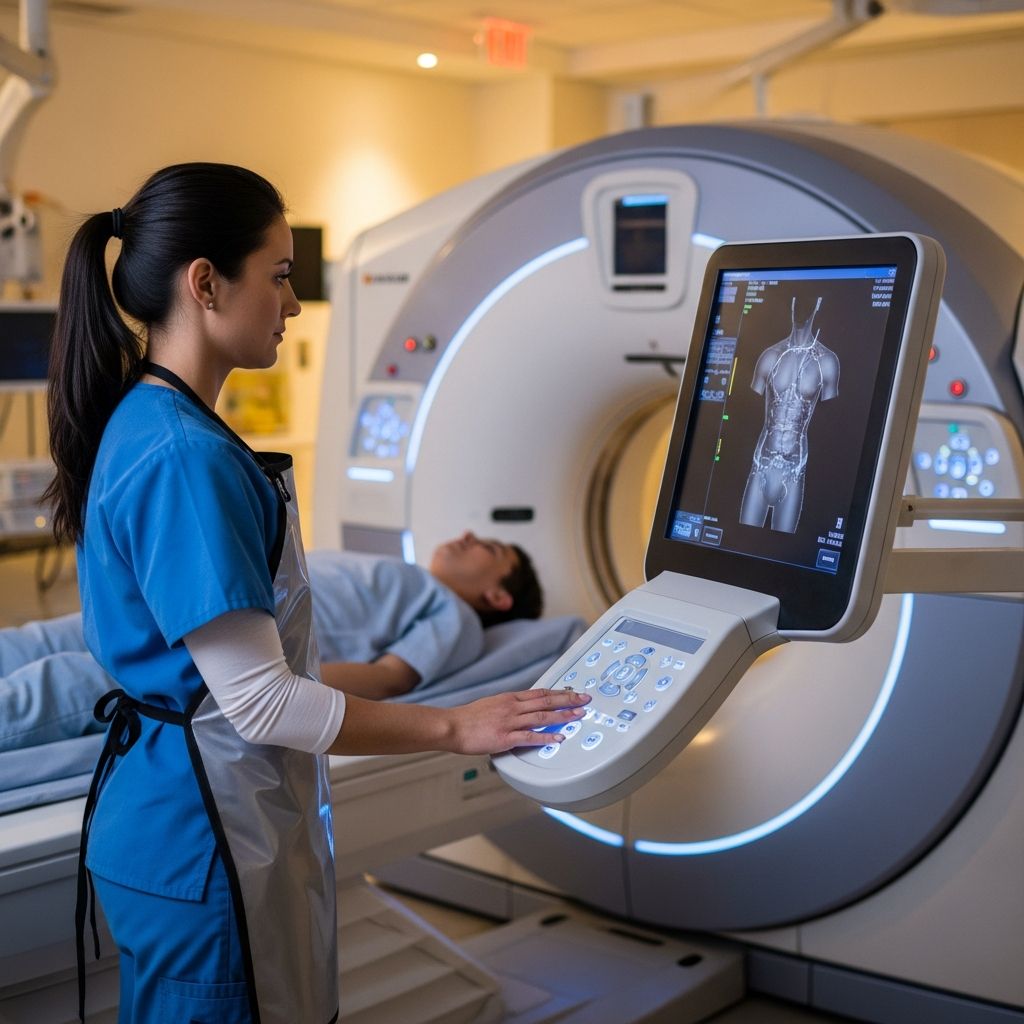
Radiologic technologists perform a wide range of responsibilities that are essential to the diagnostic imaging process. Their primary duty involves producing digital images of parts of the human body that help physicians discover and understand a patient’s medical problem. They are responsible for preparing patients for examinations, moving and instructing patients into the proper position, correctly operating the equipment, and obtaining high-quality diagnostic images while minimizing radiation exposure to the patient.
In addition to image creation, radiologic technologists may be involved in injecting special fluids (contrast agents) into patients’ bloodstreams for diagnostic purposes. This requires precise technical knowledge and understanding of patient safety protocols. Many radiologic technologists see between 20 to 50 patients per day, and their work may include both routine examinations and portable exams for inpatients who cannot be moved to the imaging department. Throughout their workday, they must maintain rigorous attention to detail, ensure radiation safety for themselves and their patients, and use advanced equipment effectively.
Radiologic technologists work closely with radiologists and radiation oncologists. A radiologist is a medical doctor who specializes in interpreting the images that technologists create to diagnose conditions and determine appropriate treatments. This collaborative relationship is fundamental to the diagnostic imaging process, where the technologist’s expertise in image acquisition directly supports the radiologist’s ability to provide accurate diagnoses.
Types of Radiologic Technology
Radiologic technology encompasses several distinct imaging modalities, each with specific applications and techniques. Understanding these different types of technology helps illustrate the diversity of the profession and the various career paths available to radiologic technologists.
- X-ray: The foundational imaging technology that uses electromagnetic radiation to create images of bones, organs, and tissues. X-ray remains one of the most common imaging procedures in healthcare.
- Ultrasound: Uses sound waves rather than radiation to create real-time images of internal structures, particularly useful in obstetrics and cardiac imaging.
- Computed Tomography (CT) Scan: Creates cross-sectional views of the body using specialized x-ray equipment and computer processing, allowing for detailed three-dimensional analysis of internal structures.
- Magnetic Resonance Imaging (MRI): Uses magnetic fields and radio waves to produce detailed images of soft tissues without using ionizing radiation, making it particularly valuable for brain and spinal cord imaging.
- Nuclear Medicine: Involves administering small amounts of radioactive material to patients and imaging where the material concentrates in the body, providing functional as well as structural information.
- Mammography: Specialized x-ray imaging focused on breast tissue, essential for screening and monitoring breast health.
- Fluoroscopy: Real-time imaging technique that allows physicians to observe moving internal structures during procedures, often used in gastrointestinal and cardiac interventions.
- Cardiac Catheterization: Specialized imaging used during interventional procedures involving the heart and blood vessels.
- Radiation Therapy: Delivers therapeutic doses of ionizing radiation to treat cancer and other conditions, administered by specialized radiation therapists.
Related Stories



Specialized Radiologic Technologist Careers
As radiologic technologists gain experience and expertise, many choose to specialize in specific imaging techniques or medical areas. These specializations require additional training and often lead to certification in the specialized area. The following represent some of the primary specialization options available in the field:
- Angiography Technologist: Specializes in imaging blood vessels and the cardiovascular system using specialized contrast agents and imaging equipment.
- Bone Densitometry Technologist: Focuses on imaging bone density to diagnose osteoporosis and assess fracture risk.
- Computed Tomography (CT) Technologist: Specializes in CT imaging, requiring advanced technical knowledge of CT equipment and image reconstruction.
- Diagnostic Medical Sonographer: Specializes in ultrasound imaging, using sound waves to create diagnostic images without radiation exposure.
- Magnetic Resonance Imaging (MRI) Technologist: Operates MRI equipment and works with patients who require magnetic resonance imaging studies.
- Mammography Technologist: Focuses exclusively on breast imaging for screening and diagnostic purposes.
- Nuclear Medicine Technologist: Administers radioactive materials and performs imaging to assess organ function and detect disease.
- Vascular Sonography Technologist: Specializes in ultrasound imaging of blood vessels and circulatory system assessment.
- Radiation Therapy Technologist: Administers radiation treatments to cancer patients, sometimes called radiation therapists.
- Cardiac-Interventional Radiography Technologist: Specializes in imaging during cardiac procedures and interventions.
Types of Work Environments for Radiologic Technologists
Radiologic technologists work in diverse healthcare settings, each offering unique challenges and opportunities. Understanding the different work environments can help aspiring technologists identify settings that align with their career preferences and lifestyle goals.
- Hospitals: The most common work setting, where radiologic technologists work in dedicated imaging departments serving both inpatient and outpatient populations. Hospital settings typically offer exposure to diverse imaging modalities and patient types.
- Outpatient Clinics: Dedicated imaging centers within medical practices or healthcare systems where technologists perform imaging studies for patients who do not require hospital admission.
- Physicians’ Offices: Some radiologic technologists work directly within private physician practices, providing imaging services for patients seen in the office setting.
- Freestanding Imaging Centers: Independent diagnostic imaging facilities that provide imaging services to patients referred by various healthcare providers.
- Mobile Imaging Companies: Specialized companies that provide imaging services to hospitals, nursing homes, and other facilities using mobile imaging units.
Work schedules in radiologic technology vary by setting. While many positions are daytime roles, radiologic technologists may work evening, weekend, or on-call shifts, particularly in hospital environments that operate 24 hours per day. Some technologists may rotate between different shift times as part of their employment arrangement.
Radiation Safety and Patient Protection
A critical responsibility of radiologic technologists is ensuring the safety of both patients and themselves regarding radiation exposure. Modern x-ray equipment exposes patients to very minimal radiation compared to earlier technology. Radiologic technologists wear radiation dosimeters—personal monitoring devices that track their radiation exposure throughout their career. These dosimeters ensure that technologists do not exceed the maximum allowable radiation exposure limits established by regulatory agencies.
Technologists employ multiple strategies to minimize radiation exposure, including using proper shielding, positioning patients efficiently to require fewer repeated images, and using the lowest radiation dose necessary to obtain high-quality diagnostic images. This commitment to the ALARA principle (As Low As Reasonably Achievable) demonstrates the profession’s dedication to safety.
Career Salary and Compensation
Radiologic technologists enjoy competitive compensation in the healthcare field. According to the Bureau of Labor Statistics, the median salary for radiologic technologists is approximately $75,250 per year. This salary can vary based on geographic location, specific specialization, work setting, years of experience, and additional certifications obtained. Technologists in urban areas and those with specialized certifications often earn above the median salary. Additionally, many employers offer comprehensive benefits packages including health insurance, retirement plans, continuing education support, and shift differentials for evening and weekend work.
Education and Training Requirements
To become a radiologic technologist, individuals typically complete a two-year associate degree program that combines classroom instruction and clinical training. This educational pathway ensures that technologists develop both theoretical knowledge and practical skills before entering the profession. Many accredited programs are affiliated with colleges and universities, allowing graduates to earn an Associate of Applied Science degree in Radiologic Technology.
Educational programs cover essential coursework including anatomy and physiology for medical imaging, medical terminology, mathematics for technique calculations, general psychology to support patient interaction, and specialized imaging physics. Students gain hands-on clinical experience under the supervision of experienced radiologic technologists and educators, learning to operate equipment safely and produce high-quality diagnostic images.
Upon completion of their formal education, graduates must pass the American Registry for Radiologic Technologists (ARRT) certification examination to become registered. This certification validates their knowledge and competency in radiologic technology and is required in most states for employment. Many technologists pursue additional certifications in their chosen specialization areas after gaining initial clinical experience.
Professional Standards and Competencies
Radiologic technologists must meet specific technical standards to perform their duties effectively and safely. These standards ensure that technologists can provide appropriate patient care and produce high-quality diagnostic images. Essential competencies include the ability to distinguish between shades of color and grayscale in diagnostic images, accurately interpret numbers on technique charts, respond to verbal requests from patients and colleagues, and communicate effectively with diverse populations.
Physical capabilities are also important in the profession. Radiologic technologists must be able to move a minimum of 30 pounds and support up to 175 pounds, as they frequently assist patients in and out of wheelchairs and onto examination tables. The ability to work in various positions for extended periods and move among different imaging areas is essential. Technologists must also possess strong data entry skills and maintain accuracy when managing patient information and imaging records.
Professional Organizations and Resources
The American Registry for Radiologic Technologists (ARRT) serves as the primary professional organization for radiologic technologists in the United States. The ARRT establishes standards for education, develops certification examinations, maintains a registry of credentialed technologists, and provides continuing education resources. Membership in professional organizations and participation in continuing education helps radiologic technologists stay current with technological advances and maintain their professional credentials.
Frequently Asked Questions
Q: What is the difference between a radiologic technologist and a radiologist?
A: A radiologic technologist operates imaging equipment and performs diagnostic imaging procedures under the supervision of a radiologist. A radiologist is a physician (MD or DO) who interprets the images produced by technologists and diagnoses medical conditions based on those images.
Q: Do radiologic technologists need to be licensed?
A: Most states require radiologic technologists to be certified by the ARRT. Certification involves completing an accredited educational program and passing the national certification examination. Some states may have additional licensure requirements.
Q: What is the job outlook for radiologic technologists?
A: The job outlook for radiologic technologists remains strong, with demand expected to grow as the aging population requires more diagnostic imaging services and as technology continues to advance.
Q: Can radiologic technologists work in private practice?
A: Yes, many radiologic technologists work in physician offices, freestanding imaging centers, and other private practice settings, in addition to hospitals and clinics.
Q: What are the physical demands of being a radiologic technologist?
A: The job requires physical stamina, including the ability to move patients, stand for extended periods, and work in various positions. Technologists must be able to move at least 30 pounds regularly.
Q: Are there advancement opportunities in radiologic technology?
A: Yes, after gaining experience, radiologic technologists can specialize in specific imaging modalities, pursue teaching positions, move into supervisory roles, or advance into management within imaging departments.
References
- Radiologic Technologist | Center for Health Sciences Education — Cleveland Clinic. 2024. https://my.clevelandclinic.org/departments/health-sciences-education/careers/career-options/radiologic-technologist
- Beachwood Radiologic Technology Program — Cleveland Clinic. 2024. https://my.clevelandclinic.org/departments/imaging/medical-professionals/school-of-diagnostic-imaging/radiologic-technology-program
- Radiologic Technology Careers at Cleveland Clinic — Cleveland Clinic. 2024. https://www.youtube.com/watch?v=QoGOvXQhx_I
- What Is Radiologic Technology and Why It Matters — Rasmussen University. 2024. https://www.rasmussen.edu/degrees/health-sciences/blog/what-is-radiologic-technology/
- Radiologic Technologist: What They Are & What They Do — Cleveland Clinic. 2024. https://my.clevelandclinic.org/health/articles/24667-radiologic-technologist
Similar Articles








Read full bio of medha deb