Radionuclide Scanning: Complete A-to-Z Guide
Comprehensive overview of radionuclide scanning for cancer detection and diagnosis.
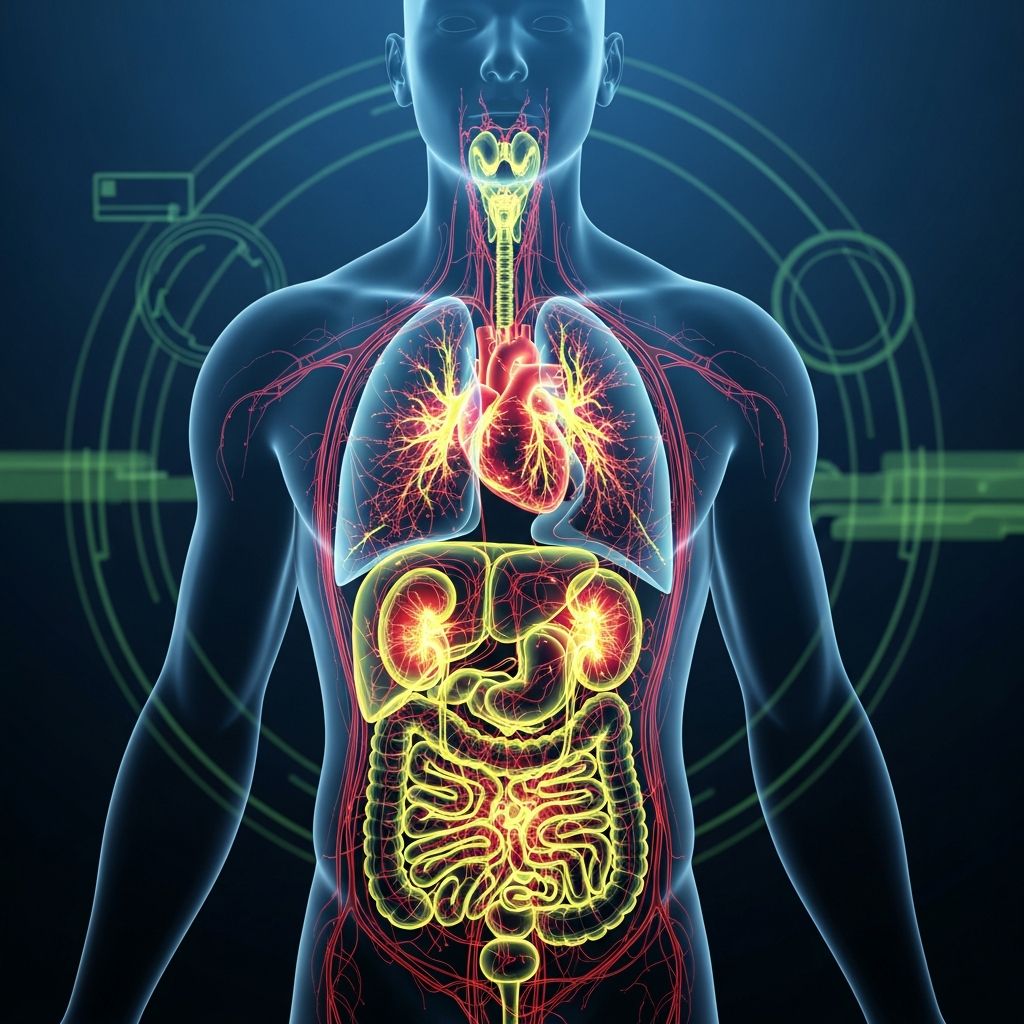
Radionuclide scanning, also known as nuclear imaging or scintigraphy, represents a vital diagnostic tool in modern oncology and medical imaging. This specialized imaging technique uses radioactive substances to visualize how organs and tissues function within the body, providing physicians with crucial information about disease progression, treatment response, and potential complications. Unlike conventional imaging methods that primarily show anatomical structure, radionuclide scanning reveals functional information about tissues and organs at the cellular level.
What is Radionuclide Scanning?
Radionuclide scanning is a non-invasive diagnostic imaging procedure that employs small amounts of radioactive material, called radiopharmaceuticals or tracers, to create detailed images of internal body structures and functions. The radioactive material is introduced into the body through injection, inhalation, or ingestion, depending on the type of scan being performed. As the radioactive tracer accumulates in specific tissues or organs, a specialized camera called a gamma camera detects the radiation emitted and converts it into detailed images that healthcare providers can analyze.
The fundamental principle underlying radionuclide scanning is that different tissues and organs have varying metabolic rates and functional characteristics. By using tracers that target specific tissues, physicians can visualize areas of abnormal activity that may indicate disease, inflammation, infection, or malignancy. The images produced provide a functional map of the body, showing which areas are metabolically active and which are not.
Types of Radionuclide Scans
Several different types of radionuclide scans are available, each designed to evaluate different organs, tissues, or conditions:
Bone Scans
Bone scans are among the most commonly performed radionuclide imaging procedures. They use a radioactive tracer that concentrates in areas of increased bone metabolism. This scan is particularly valuable for detecting bone metastases from primary cancers, assessing fractures, identifying areas of infection or inflammation in bones, and evaluating bone diseases. The entire skeletal system can be visualized in a single scan, making it an efficient screening tool for detecting multiple bone lesions simultaneously.
Thyroid Scans
Thyroid radionuclide scans employ radioactive iodine or technetium-99m, which concentrates specifically in thyroid tissue. These scans help identify thyroid nodules, assess thyroid function, detect hyperthyroidism or hypothyroidism, and evaluate thyroid cancer recurrence. The functional information obtained through thyroid scanning often complements conventional ultrasound imaging by revealing the metabolic activity of thyroid lesions.
Cardiac Scans
Myocardial perfusion imaging uses radionuclide tracers to assess blood flow to the heart muscle. These scans can detect areas of reduced blood flow, identify previous myocardial infarctions, and evaluate cardiac function. In cancer patients, cardiac imaging may be performed to monitor for chemotherapy-related cardiotoxicity or to assess baseline cardiac function before initiating cardiotoxic therapies.
Liver and Spleen Scans
These scans utilize tracers that accumulate in liver and splenic tissue, allowing visualization of organ size, function, and structural abnormalities. They can detect cirrhosis, hepatitis, liver metastases, and assess splenic function. In oncology, liver imaging helps identify hepatic metastases and monitor response to treatment.
Related Stories



Renal Scans
Renal radionuclide imaging assesses kidney function and blood flow. These scans can identify obstruction, evaluate renal perfusion, detect infection, and assess glomerular filtration rate. In cancer patients, renal imaging may be performed to monitor kidney function in those receiving nephrotoxic chemotherapy agents.
Gastric Emptying Studies
These specialized scans evaluate the rate at which food moves from the stomach into the small intestine. They can identify gastroparesis and assess gastric motility disorders that may develop as side effects of cancer treatment.
PET Scans
Positron emission tomography (PET) represents an advanced form of radionuclide imaging that produces three-dimensional images with superior resolution and sensitivity. PET scans are particularly valuable in oncology for detecting metabolically active cancer cells, identifying metastases, and monitoring treatment response. The most commonly used PET tracer is fluorodeoxyglucose (FDG), which concentrates in areas of high glucose metabolism typical of malignant cells.
How Radionuclide Scanning Works
The radionuclide scanning process begins with administration of a radioactive tracer specifically selected for the target organ or tissue. The tracer is typically administered intravenously, though oral or inhaled administration may be used for certain studies. Once introduced into the body, the radioactive material travels through the bloodstream and accumulates in the target tissue based on its physiological characteristics.
After allowing adequate time for the tracer to localize in the target tissue—a waiting period that varies from minutes to hours depending on the specific study—the patient is positioned under a gamma camera. This specialized detector uses a sodium iodide crystal and photomultiplier tubes to detect gamma radiation emitted by the radioactive tracer. The information collected is processed by computer systems and converted into two-dimensional or three-dimensional images that display the distribution of radioactivity throughout the body or specific organ of interest.
Modern imaging techniques often employ SPECT (single-photon emission computed tomography) technology, which creates three-dimensional images by acquiring multiple two-dimensional projections around the patient. This provides superior anatomical detail and improved detection sensitivity compared to conventional planar imaging.
Clinical Applications in Oncology
Radionuclide imaging plays several crucial roles in cancer diagnosis, staging, and treatment monitoring. In cancer screening, certain radionuclide scans can identify suspicious lesions requiring further investigation. For staging purposes, these imaging studies help determine the extent of disease, identify metastases, and classify patients into appropriate risk categories that guide treatment planning.
During cancer treatment, radionuclide scans serve as valuable tools for assessing treatment response. Serial scans obtained before, during, and after therapy reveal whether tumors are shrinking, remaining stable, or progressing. This information helps oncologists determine whether current treatment strategies are effective or whether modifications are needed.
Post-treatment surveillance represents another important application. Regular radionuclide imaging can detect cancer recurrence before it becomes clinically apparent, enabling early intervention and potentially improving outcomes. Additionally, these scans can identify therapy-related complications, such as chemotherapy cardiotoxicity or radiation-induced tissue damage.
Advantages of Radionuclide Scanning
Radionuclide scanning offers several significant advantages over alternative imaging modalities. First, these studies provide functional and metabolic information that anatomical imaging cannot supply. This functional perspective often enables earlier detection of disease and superior characterization of lesions.
Second, radionuclide imaging is highly sensitive for detecting specific abnormalities. Modern PET imaging, for instance, can detect metabolically active lesions as small as 5-10 millimeters, enabling identification of micrometastases that might escape detection by conventional imaging.
Third, the effective radiation dose from most radionuclide studies is comparable to or lower than conventional imaging modalities like CT scanning, making these studies reasonably safe even when performed serially.
Fourth, radionuclide imaging can be performed relatively quickly, typically requiring 15 minutes to 2 hours depending on the specific study type. This efficiency reduces patient burden and facilitates rapid clinical decision-making.
Risks and Limitations
Despite their many advantages, radionuclide imaging studies carry certain risks and limitations that must be considered. The primary risk involves radiation exposure from the radioactive tracer. However, the administered doses are carefully calculated to minimize radiation risk while providing diagnostic benefit.
One significant limitation is that radionuclide imaging provides limited anatomical detail compared to structural imaging modalities like CT or MRI. This anatomical imprecision can sometimes complicate precise localization of abnormalities, necessitating correlation with anatomical imaging.
Another limitation involves the relatively long time required between tracer injection and imaging. This delay can be problematic in emergency situations requiring immediate diagnostic information.
Radionuclide scans may also produce false-positive and false-negative results. Areas of inflammation, infection, or benign disease can accumulate tracer similarly to malignancy, leading to false-positive interpretations. Conversely, some tumors have low metabolic activity and may not concentrate tracer adequately, resulting in false-negative studies.
Additionally, radionuclide imaging contraindicated in pregnant women due to potential fetal radiation exposure. Breastfeeding patients must discontinue nursing temporarily after receiving certain radioactive tracers.
What to Expect During the Procedure
Understanding the procedural details helps patients prepare appropriately and reduces anxiety. Most radionuclide studies begin with intravenous injection of the radioactive tracer. Patients may experience minimal discomfort from the injection itself. After tracer administration, patients typically wait in a comfortable waiting area while the radioactive material circulates and accumulates in target tissues.
The waiting period varies depending on the specific study, ranging from 15 minutes to several hours. During this time, patients should remain relatively still and well-hydrated to optimize tracer localization. Some patients may be given specific instructions regarding eating or drinking before or after tracer injection.
When imaging begins, patients are positioned on a padded table beneath or surrounded by the gamma camera. The camera remains stationary or moves slowly around the patient, detecting radiation emitted by the tracer. The actual imaging process is painless and non-invasive, typically lasting 15 to 45 minutes depending on the study type.
Throughout the procedure, patients must remain still to prevent image blur. Technologists may provide positioning instructions or use immobilization devices to ensure optimal image quality. Most patients experience no physical sensations during imaging beyond the need to remain motionless.
Preparation and Aftercare
Specific preparation requirements vary depending on the type of radionuclide scan being performed. Some studies require fasting beforehand, while others may require specific dietary modifications in the days preceding the examination. Patients should discontinue certain medications before some scans, particularly those that might interfere with tracer uptake.
Patients should inform their healthcare provider of any allergies, particularly to iodine or contrast agents, and disclose all current medications and supplements. Women should report any possibility of pregnancy, as radionuclide imaging is generally avoided in pregnant patients.
After the procedure, most patients can resume normal activities immediately with no restrictions. The radioactive tracer is gradually eliminated from the body through urine and feces over hours to days. Adequate hydration expedites this elimination process. Patients who are breastfeeding may need to discontinue nursing temporarily, depending on the specific tracer used.
Interpreting Results
Interpreting radionuclide images requires specialized training and expertise. Nuclear medicine physicians analyze the distribution of radioactivity, comparing the pattern observed in the patient’s study with normal reference patterns. Areas of increased tracer uptake (“hot spots”) may indicate areas of increased metabolism, inflammation, infection, or malignancy. Conversely, areas of decreased uptake (“cold spots”) may represent areas of decreased function or structural abnormalities.
Radiologists correlate radionuclide findings with clinical history, laboratory values, and results from other imaging studies to formulate comprehensive interpretations. Final reports typically include descriptive findings, comparisons with previous studies when available, and clinical impressions with recommendations for further evaluation when appropriate.
Combining Radionuclide Imaging with Other Modalities
Modern oncology practice frequently combines radionuclide imaging with anatomical imaging techniques to provide complementary information. PET-CT imaging, which combines functional PET data with anatomical CT images, has become standard for many cancer types. This hybrid approach provides superior diagnostic accuracy by showing both what tissues look like anatomically and how they function metabolically.
Similarly, SPECT-CT imaging combines functional nuclear imaging with CT anatomical detail, improving lesion localization and characterization. These integrated approaches have substantially improved diagnostic accuracy and patient outcomes in cancer care.
Cost and Accessibility Considerations
Access to cancer imaging, including radionuclide scanning and nuclear medicine services, varies substantially across different geographic regions and healthcare systems. Research indicates that imaging contributes substantially to cancer survival and yields significant health and economic benefits. Investment in imaging modalities, including both traditional techniques like ultrasound and radiography as well as advanced technologies like PET and SPECT, represents a cost-effective strategy for improving cancer outcomes globally.
In low-income countries, scaling up access to ultrasound imaging and radiography alongside chemotherapy, radiation therapy, and surgery represents a feasible initial strategy for improving cancer outcomes. In middle-income countries, improving access to MRI, SPECT, and PET imaging will substantially impact cancer survival rates. High-income countries benefit most from comprehensive access to PET, CT, and SPECT imaging integrated with advanced treatment modalities.
Frequently Asked Questions
Q: Is radionuclide scanning painful?
A: No, radionuclide scanning is a painless procedure. Patients may experience minor discomfort only from the initial injection of the radioactive tracer. The imaging process itself involves no pain, though patients must remain still for extended periods.
Q: How long does a radionuclide scan take?
A: The imaging portion typically lasts 15 to 45 minutes, though the entire appointment may take several hours when including the tracer injection, waiting period, and imaging time.
Q: Is the radiation from radionuclide scans dangerous?
A: The radiation dose from radionuclide scans is carefully calculated to provide diagnostic benefit while minimizing radiation risk. The effective doses are generally comparable to or lower than conventional CT imaging and are considered medically acceptable.
Q: Can I undergo radionuclide scanning if I am pregnant?
A: Radionuclide imaging is generally avoided in pregnant women due to potential fetal radiation exposure. Always inform your healthcare provider if you might be pregnant before undergoing these studies.
Q: How long does it take to get results from a radionuclide scan?
A: Results typically are available within 24 to 48 hours, though urgent studies may be interpreted more quickly. Your physician will discuss findings with you and determine if additional evaluation is necessary.
Q: Can radionuclide scans detect all types of cancer?
A: While radionuclide imaging is valuable for detecting many cancer types, sensitivity varies depending on the cancer type, tumor size, and specific tracer used. Some cancers with low metabolic activity may not concentrate tracer adequately, resulting in reduced detection sensitivity.
Q: What should I wear for a radionuclide scan?
A: Wear comfortable, loose-fitting clothing without metal fasteners, zippers, or buttons that might interfere with imaging. Some facilities may provide a gown for imaging comfort and convenience.
Q: Can I eat or drink before my radionuclide scan?
A: Preparation requirements vary depending on the specific study type. Some scans require fasting beforehand, while others allow normal eating and drinking. Always follow your facility’s specific instructions provided before the appointment.
References
- Using Precision Medicine, Harvard Researchers Target Cancer — Harvard Magazine. 2018-04. https://www.harvardmagazine.com/2018/04/precision-medicine-cancer
- Harvard Study Shows Radiation Therapy Needed with Lumpectomy to Effectively Treat Breast Cancer — Cancer Network, American Society for Therapeutic Radiology and Oncology. https://www.cancernetwork.com/view/harvard-study-shows-radiation-therapy-needed-lumpectomy-effectively-treat-breast-cancer
- Increasing Access to Imaging for Addressing the Global Cancer Burden — Radiology, Radiological Society of North America. 2021. https://pubs.rsna.org/doi/abs/10.1148/radiol.2021211351
Similar Articles








Read full bio of Sneha Tete