Radiotherapy for Malignant Skin Diseases
Comprehensive guide to radiation therapy for skin cancers: uses, techniques, side effects, and effectiveness in treating BCC, SCC, and more.
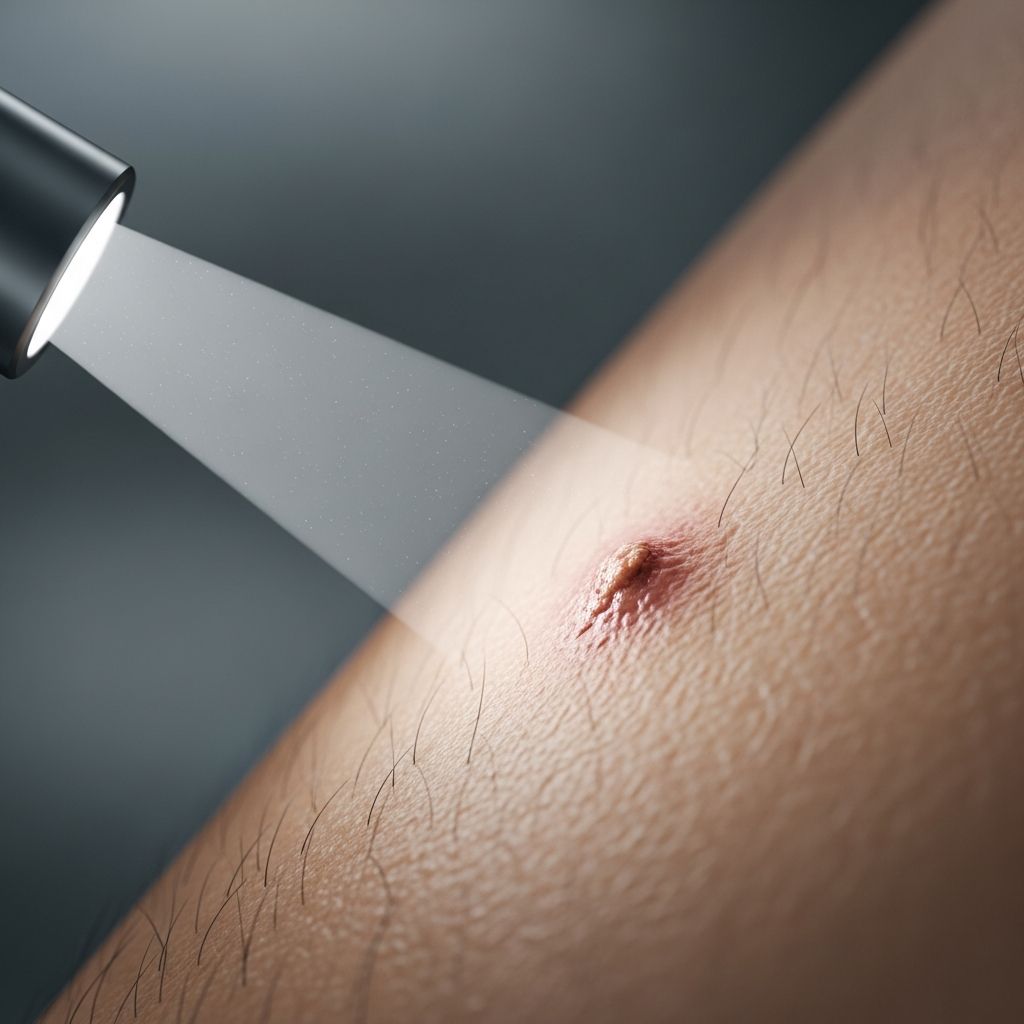
Radiotherapy, also known as radiation therapy, is a cornerstone treatment for malignant skin diseases, particularly non-melanoma skin cancers such as basal cell carcinoma (BCC) and squamous cell carcinoma (SCC). It delivers high-energy radiation to target and destroy cancer cells by damaging their DNA, while normal cells can often repair the damage. This approach is especially valuable when surgery is not feasible due to tumor location, size, or patient factors.
What is Radiotherapy?
Radiotherapy uses ionizing radiation to treat cancer by targeting malignant cells in the skin. The radiation disrupts the genetic material (DNA) within cancer cells, preventing their replication and leading to cell death. Importantly, while both cancerous and normal cells are affected, healthy skin cells have a greater capacity for DNA repair and recovery. The goal is to maximize tumor destruction while sparing surrounding tissues, achieving high cure rates for early-stage skin cancers.
Over 70% of cancer patients receive radiotherapy at some point, with skin reactions being one of the most common side effects, affecting up to 95% of those treated. For skin malignancies, it serves curative, adjuvant, or palliative roles depending on the disease stage.
Uses of Radiotherapy for Malignant Skin Diseases
Radiotherapy is indicated for various malignant skin conditions, particularly when surgical excision is impractical or incomplete. Key uses include:
- Primary treatment for large tumors, those in cosmetically sensitive areas (e.g., nose, eyelids, ears), or in patients unfit for surgery.
- Adjuvant therapy post-surgery to eliminate microscopic residual cancer cells, reducing recurrence risk.
- Palliative care for advanced, metastatic, or recurrent disease to control symptoms and improve quality of life.
- Specific tumors: BCC, SCC, Merkel cell carcinoma, cutaneous lymphomas (e.g., mycosis fungoides), Kaposi sarcoma, and select melanomas.
| Tumor Type | Common Use Case |
|---|---|
| Basal Cell Carcinoma (BCC) | Primary or adjuvant for non-surgical candidates |
| Squamous Cell Carcinoma (SCC) | Curative for early stages, palliative for advanced |
| Bowen’s Disease | Localized curative treatment |
| Merkel Cell Carcinoma | Adjuvant post-surgery |
| Cutaneous Lymphoma | Curative for localized forms |
| Melanoma | Palliative or adjuvant for metastases |
For melanoma, radiotherapy is rarely first-line due to low radiosensitivity but is useful for unresectable primaries or nodal recurrences.
Administration of Radiotherapy
Radiotherapy for skin cancers is administered via external beam or brachytherapy techniques, tailored to tumor depth, size, and location. Treatments are fractionated (divided doses) to allow normal tissue recovery.
External Beam Radiotherapy (EBRT)
The most common method, using superficial X-rays or electrons from a linear accelerator. Orthovoltage X-rays (100-300 kV) penetrate shallowly, ideal for skin lesions. Sessions last minutes, typically 15-30 over weeks, with doses of 35-60 Gy.
- Advantages: Non-invasive, precise targeting.
- Suitability: Superficial tumors <5 cm.
Brachytherapy
Involves placing radioactive sources near the tumor. Superficial brachytherapy uses applicators on the skin; interstitial places seeds inside. It delivers high doses to the tumor with rapid fall-off, minimizing deep tissue exposure. Often completed in fewer sessions (e.g., 8-12).
Dosing and Fractionation
ASTRO guidelines recommend specific regimens:
| Tumor Type | Total Dose (Gy) | Fractions |
|---|---|---|
| BCC (<2 cm) | 36-45 | 9-15 |
| SCC (>2 cm) | 50-66 | 20-33 |
| Adjuvant | 45-50 | 20-25 |
Custom shielding and bolus (tissue-equivalent material) enhance precision.
Adverse Effects of Radiotherapy
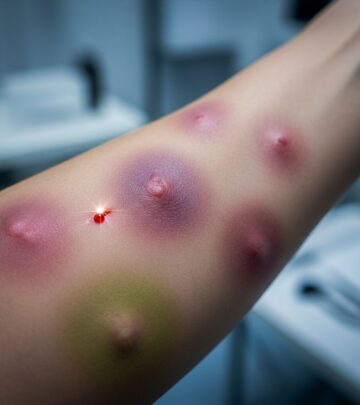
Skin reactions are universal but graded by severity. Acute effects peak 2-4 weeks into treatment; chronic effects may persist years later.
Acute Adverse Effects
Occur due to inflammation and oxidative stress, affecting 95% of patients. Graded per CTCAE:
- Grade 1: Erythema, dry desquamation.
- Grade 2: Moderate desquamation, edema.
- Grade 3: Moist desquamation in folds, ulceration (>40 Gy cumulative).
- Grade 4: Necrosis, bleeding.
Management: Moist dressings, topical steroids, avoid irritants.
Chronic Adverse Effects
Irreversible changes including fibrosis, telangiectasia, atrophy, ulceration, and secondary cancers. Fibrosis progresses over months-years, impacting quality of life.
Treatments: Hyperbaric oxygen therapy (HBOT) for ulcers (e.g., 100+ sessions healed refractory cases); superoxide dismutase (SOD) reduces fibrosis; mesenchymal stem cells (MSCs) inhibit inflammation.
Effectiveness of Radiotherapy
Radiotherapy achieves 90-95% cure rates for early BCC/SCC, comparable to surgery. Local control for adjuvant use: 95% at 5 years.
- BCC: Excellent for small, superficial lesions; recurrence <5%.
- SCC: Effective but higher recurrence if high-risk (e.g., perineural invasion).
- Limitations: Cannot retreat same site due to severe toxicity; less effective for melanoma.
Combined with immunotherapy/chemotherapy enhances outcomes in advanced cases. Long-term studies confirm durability.
Frequently Asked Questions (FAQs)
Q: When is radiotherapy preferred over surgery for skin cancer?
A: For tumors in critical areas (e.g., eyelids), large lesions, or patients unable to undergo surgery.
Q: How many sessions does skin radiotherapy typically require?
A: 10-30 sessions over 2-6 weeks for EBRT; fewer (8-12) for brachytherapy.
Q: What are the most common side effects?
A: Acute: Redness, peeling; Chronic: Scarring, pigmentation changes. Most resolve, but severe cases need specialized care.
Q: Can radiotherapy cure skin cancer?
A: Yes, 90-95% cure rate for early non-melanoma skin cancers.
Q: Is radiotherapy safe for elderly patients?
A: Yes, often preferred due to non-invasiveness and high efficacy.
References
- Radiation-induced skin reactions: mechanism and treatment — PMC/NCBI. 2018-12-01. https://pmc.ncbi.nlm.nih.gov/articles/PMC6306060/
- Skin Cancer Guideline — American Society for Radiation Oncology (ASTRO). 2022-01-01. https://www.astro.org/provider-resources/guidelines/skin-cancer-guideline
- An Overview on Radiotherapy: From Its History to Its Current Clinical Uses — PMC/NCBI. 2017-07-26. https://pmc.ncbi.nlm.nih.gov/articles/PMC5535674/
- Skin-Saving Solutions: The Power of Radiotherapy for Treating Skin Cancers — Cancer Institute of New Jersey (CINJ). 2023-01-01. https://cinj.org/skin-saving-solutions-power-radiotherapy-treating-skin-cancers
- Radiotherapy for skin cancer — DermNet NZ. 2023-01-01. https://dermnetnz.org/topics/radiotherapy-for-malignant-skin-diseases
- Radiation Therapy for Basal and Squamous Cell Skin Cancers — American Cancer Society. 2024-01-01. https://www.cancer.org/cancer/types/basal-and-squamous-cell-skin-cancer/treating/radiation-therapy.html
Similar Articles




Read full bio of medha deb