Radish Health Benefits: 7 Key Reasons To Boost Wellness
Discover the impressive health benefits of radishes, from heart protection and digestion support to antioxidant power and more.
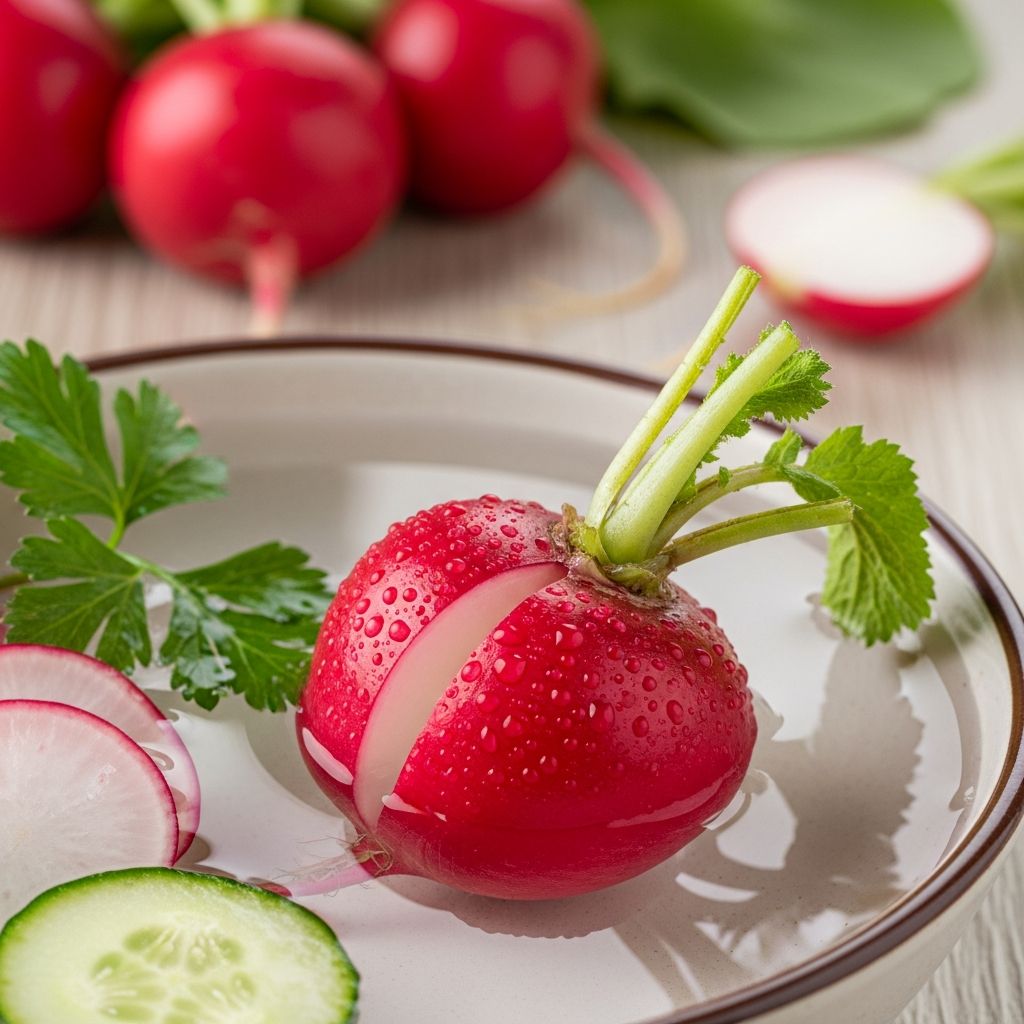
Radishes (Raphanus sativus) are crisp, peppery root vegetables from the Brassicaceae family, alongside broccoli and kale. Low in calories yet rich in nutrients, radishes provide vitamins C and folate, potassium, fiber, and potent antioxidants like sulforaphane and anthocyanins. An 80g serving delivers just 10kcal, 1.5g carbs, 1g fiber, 192mg potassium, 30mcg folate, and 14mg vitamin C. A half-cup (about 58g) sliced radishes contains 9 calories, 2g carbs, and key minerals like calcium, iron, and manganese. These qualities make radishes ideal for weight management, hydration (95% water), and overall wellness.
Nutrition Facts of Radishes
Radishes excel as a low-carb, low-calorie food with a low glycemic index, preventing blood sugar spikes. They supply essential vitamins and minerals without excess fats or sugars. Here’s a breakdown per common serving sizes:
| Nutrient | Half-Cup Sliced (58g) | 1 Cup (116g) | % Daily Value (Half-Cup) |
|---|---|---|---|
| Calories | 9 | 19 | 0% |
| Carbohydrates | 2g | 3.9g | 1% |
| Fiber | 1g | 1.9g | 4% |
| Protein | 0g | 0.8g | 0% |
| Vitamin C | ~8mg | ~25mg | 14% |
| Potassium | ~135mg | ~270mg | 3% |
| Folate | ~15mcg | ~30mcg | 4% |
Radish leaves surpass roots nutritionally, boasting higher protein, calcium, vitamin C, and antioxidants. In many cultures, leaves are cooked or blended into dishes for added benefits.
1. High in Antioxidants
Radishes combat oxidative stress with antioxidants like vitamin C, catechins, pyrogallol, vanillic acid, flavonols (e.g., epicatechin in leaves), and phenols in roots. Vitamin C (14% DV per half-cup) neutralizes free radicals linked to aging, cancer, and chronic diseases. Anthocyanins in red varieties reduce cardiovascular risk by repairing oxidative damage. Sulforaphane, converted from glucosinolates, protects DNA and inactivates carcinogens.
- Leaves provide flavonols; roots offer pyrogallol and phenols.
- Protects cells from environmental toxins and unhealthy lifestyles.
- Supports collagen for skin and vessel health.
2. May Promote Digestive Health
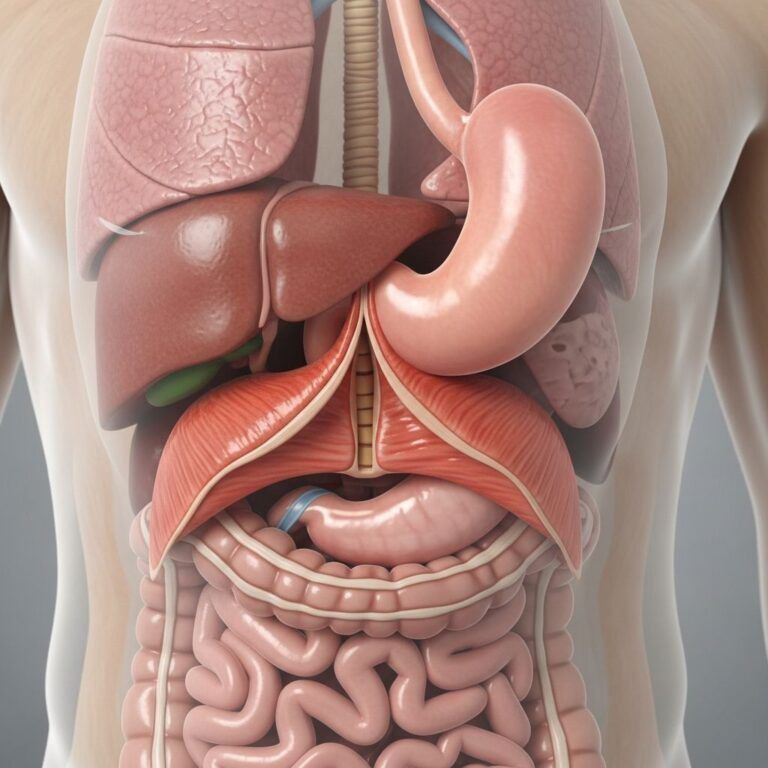
Fiber (1g per half-cup) bulks stool, prevents constipation, and aids blood sugar control. Radish leaves enhance gut health and reduce obesity risk via higher fiber content. Juice protects gastric tissue, strengthens mucosal barriers against ulcers and toxins. Black radishes stimulate bile flow for fat digestion and toxin removal. Indole-3-carbinol and 4-methylthio-3-butenyl-isothiocyanate detoxify the liver.
- 2008 rat study: Radish juice prevented stomach ulcers.
- High-cholesterol diet mice: Radish extracts lowered cholesterol.
- Fiber links to weight loss and lower cholesterol.
3. May Benefit Heart Health
Anthocyanins and sulforaphane reduce inflammation and oxidative stress leading to high blood pressure and atherosclerosis. Potassium (135mg per half-cup) and calcium regulate blood pressure. Natural nitrates improve blood flow; trigonelline in giant daikon enhances vessel function. Fiber prevents heart disease and high cholesterol.
- Rat study: Radish leaf extract dropped blood pressure via sodium/potassium excretion.
- Vitamin C and minerals lower heart disease risk.
4. May Help Regulate Blood Sugar
Glucosinolates, isothiocyanates, and coenzyme Q10 slow glucose absorption, reduce post-meal glycemic load, and block diabetes formation in animals. Low carbs and glycemic index suit diabetes management. More human studies needed.
Related Stories



5. May Support Liver Detoxification
Compounds like indole-3-carbinol activate detox enzymes. Glucosinolates lower liver cholesterol, preventing gallstones. Black radish boosts bile for toxin elimination.
6. May Have Anti-Fungal Properties
RsAFP2 combats Candida albicans, potentially preventing yeast infections and thrush.
7. May Offer Anti-Cancer Effects
Sulforaphane protects DNA and inactivates carcinogens, reducing cancer risk. Antioxidants fight free radical-linked cancers. Preliminary; more research required.
Potential Downsides of Radishes
Radishes are safe for most but may cause digestive upset if overeaten due to fiber. Those with thyroid issues should moderate intake—goitrogens may interfere with iodine uptake, though cooking mitigates this. Pesticide residues possible on non-organic; wash thoroughly. Rare allergies exist. Consult doctors if pregnant, breastfeeding, or on blood-thinner medications.
Evidence on Radish Health Claims
Benefits stem from antioxidants and nutrients, supported by animal/in vitro studies. Human trials limited; e.g., sulforaphane’s cancer protection from Brassicaceae research. Heart benefits via observational data on potassium/antioxidants. Blood sugar/liver effects promising in rodents. Larger RCTs needed for causality.
How to Add Radishes to Your Diet
Raw: Slice into salads, sandwiches for crunch.
- Roasted: Toss with oil, herbs; 400°F for 15-20 min.
- Pickled: Quick brine with vinegar, salt, spices.
- Soups/Stews: Add for peppery bite.
- Leaves: Sauté, pesto, or soups.
Pair with dips, hummus. Varieties: red globe, daikon, black, watermelon. Store in fridge crisper up to 2 weeks.
Frequently Asked Questions (FAQs)
Are radishes good for you?
Yes, radishes are nutrient-dense, low-calorie, and provide antioxidants, fiber, vitamins, and minerals supporting digestion, heart health, and more.
Are radish leaves edible?
Absolutely—more nutritious than roots with extra protein, calcium, and fiber. Use in stir-fries, soups, or smoothies.
Can radishes help with weight loss?
Low calories (9-19 per serving), high water/fiber promote satiety and low glycemic impact.
Do radishes lower blood pressure?
Potassium, nitrates, and leaf extracts show potential in animal studies; human evidence emerging.
Are radishes keto-friendly?
Yes, very low net carbs (1g per half-cup) make them ideal for keto/low-carb diets.
Bottom Line
Radishes deliver powerful health benefits through antioxidants, fiber, and nutrients at minimal calories. Incorporate roots and leaves for digestive, heart, liver, and metabolic support. While promising, benefits are best as part of a balanced diet. Consult professionals for personalized advice.
References
- Top 5 health benefits of radishes — BBC Good Food. 2023. https://www.bbcgoodfood.com/health/nutrition/top-5-health-benefits-of-radishes
- Radish: Health Benefits, Nutrition and Medicinal Uses — WebMD. 2024-10-15. https://www.webmd.com/diet/health-benefits-radish
- Radish Nutrition Facts — National Agriculture in the Classroom. 2022. https://cdn.agclassroom.org/media/uploads/LP875/radish_nutrition_facts.pdf
- Are Radishes Good for You? — Healthline. 2023-05-12. https://www.healthline.com/health/food-nutrition/the-benefits-of-radishes
- Nutrition facts red globes, raw — USDA FoodData Central (via Healthline). 2023. https://www.healthline.com/health/food-nutrition/the-benefits-of-radishes#nutrition-facts
Similar Articles








Read full bio of Sneha Tete