Ragweed Allergy: Complete Guide To Symptoms And Treatment
Comprehensive guide to ragweed: the leading cause of hay fever, its allergens, skin reactions, and management strategies worldwide.
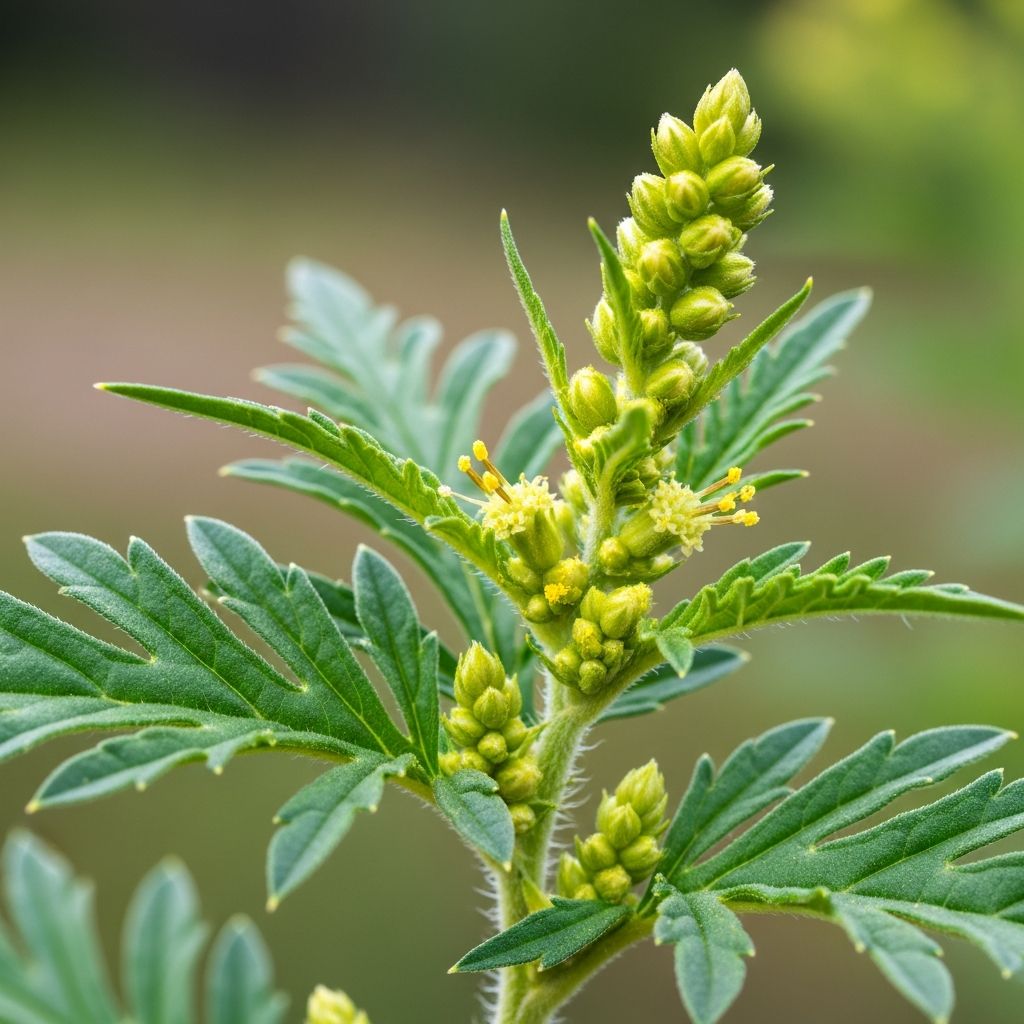
Ragweed (genus Ambrosia) stands as one of the most notorious allergens globally, primarily responsible for hay fever or allergic rhinitis, affecting millions annually. Native to the Americas, this invasive weed from the Asteraceae family releases vast quantities of lightweight pollen that travels far on wind currents, exacerbating respiratory and skin conditions especially during late summer and autumn in the Northern Hemisphere.
What is ragweed?
Ragweed encompasses over 40 species within the Ambrosia genus, with Ambrosia artemisiifolia (common or short ragweed) and A. psilostachya (western or perennial ragweed) being the most allergenic and widespread. These annual or perennial herbs thrive in disturbed soils, roadsides, riverbanks, and vacant lots, preferring dry, sunny environments. Introduced to Europe in the mid-20th century via contaminated seeds, ragweed has become a significant invasive species in Australia and parts of Asia, though rare in New Zealand as a seed impurity.
| Common names | Botanical details |
|---|---|
| Common ragweed, wild tansy, hogweed, Roman wormwood, bitterweed, mayweed, hay fever weed, black weed, annual ragweed | Ambrosia spp., esp. A. artemisiifolia; Family: Asteraceae |
Plants feature fern-like leaves with fine, soft hairs on stems and foliage, ranging from light green to magenta hues. Heights vary from centimeters to over a meter based on conditions. Inconspicuous yellow-green flowers bloom mid-August to frost, each plant capable of producing over a billion pollen grains per season—potent enough to travel kilometers on dry, windy days.
Origin and distribution
Native to temperate North and South America, ragweed species like A. artemisiifolia dominate eastern U.S. regions, while A. psilostachya spans North America and has naturalized in Europe, Asia, Australia, and South America. A. dumosa (burroweed) inhabits U.S. deserts, and A. peruviana from Central/South America serves traditional anti-inflammatory uses. Climate change amplifies its threat: elevated CO2 levels boost pollen output, with predictions of quadrupled airborne concentrations in Europe by 2050, doubling sensitizations by 2060.
Description and growth
Ragweed stems are hairy, supporting deeply lobed, aromatic leaves. Flowers form in terminal panicles, wind-pollinated for maximal dispersal. Pollen peaks in late summer (August-October in North), clumping above 70% humidity to reduce airborne spread. Disturbed soils favor proliferation, making urban edges and agricultural margins hotspots.
- Height: 0.1–2 meters
- Flowering: Mid-summer to autumn
- Pollen production: Up to 1 billion grains/plant/season
- Dispersal: Wind-borne, kilometers on dry days
Allergens in ragweed
The primary hay fever allergen is Amb a 1, a 38 kDa nonglycosylated protein, alongside profilins and calcium-binding proteins. Skin contact triggers via sesquiterpene lactones, causing allergic contact dermatitis. Recent identifications include Amb a x, a cysteine protease homologous to dust mite Der p 1, sensitizing over 60% of patients—key for diagnostics and immunotherapy. Pollen induces IgE-mediated rhinitis, asthma, and oral allergy syndrome via food cross-reactivity.
Hay fever and respiratory allergy
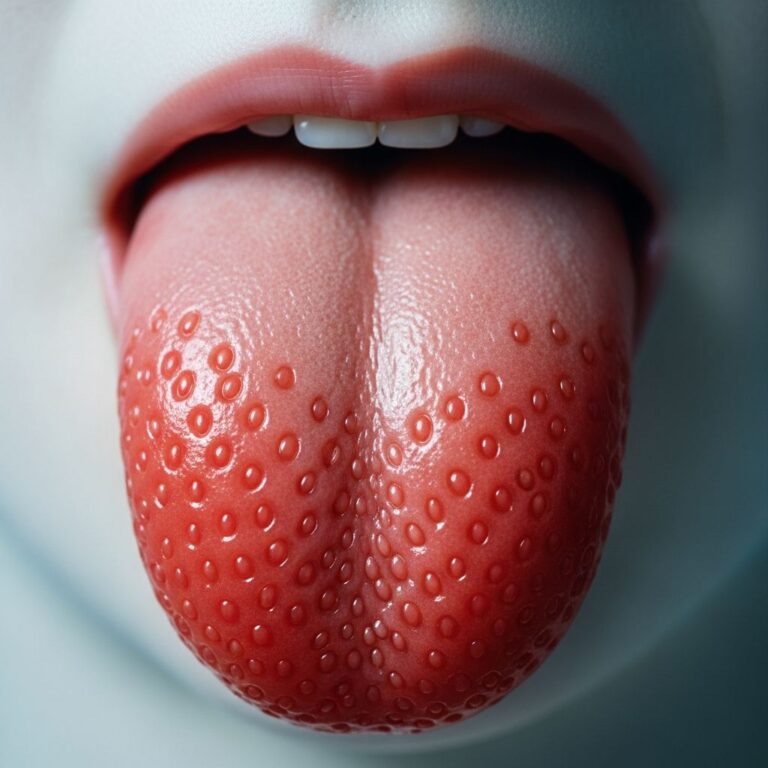
Worldwide, ragweed pollen arguably causes more hay fever cases than any other allergen, provoking rhinitis (itchy eyes/nose, sneezing, congestion), asthma, and conjunctivitis. U.S. sensitization rates have risen sharply, with linear symptom-pollen dose relationships—no safe thresholds. Studies confirm nasal/ocular/respiratory worsening on high-pollen days, varying by weekday exposure. Mouse models replicate human pathology: eosinophilic inflammation, Th2 cytokines (IL-4/5/13).
Related Stories



Contact dermatitis from ragweed
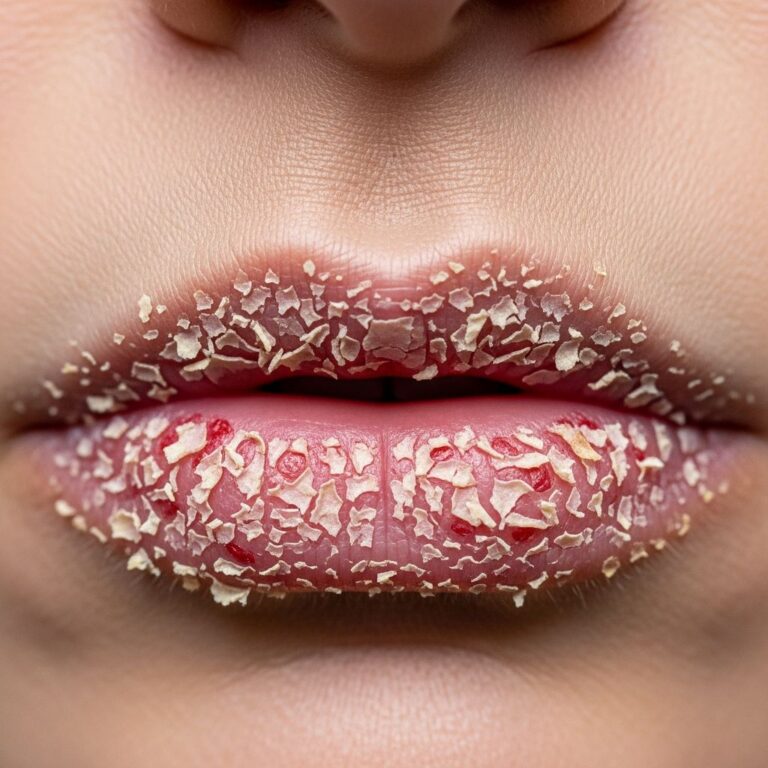
Gardeners, farmers, and flour mill workers face heightened risk of eczematous dermatitis from plant sap or pollen. Sesquiterpene lactones penetrate skin, eliciting delayed hypersensitivity. Cases document persistent eruptions on exposed areas. Airborne contact dermatitis occurs via pollen, mimicking photoallergic patterns.
Cross-reactivity
Ragweed pollen cross-reacts with Compositae family members: mugwort (Artemisia), dandelion, goldenrod, sunflower, chamomile. Sesquiterpene lactones link to daisies; western ragweed to turpentine. Oral allergy syndrome arises from profilin homology with fruits/vegetables (e.g., melons, bananas). Dual-sensitized patients (ragweed/mugwort) require tailored immunotherapy based on primary sensitizer.
- Mugwort pollen (high cross-reactivity)
- Daisy-family plants
- Turpentine (western ragweed)
- Food allergens (oral syndrome)
Diagnosis and patch testing
Skin prick tests use ragweed pollen extracts; serum specific IgE targets Amb a 1 and others. Patch testing employs sesquiterpene lactone mix (0.1% petrolatum) for contact dermatitis, positive in sensitized individuals. Component-resolved diagnostics distinguish primary sensitizers for immunotherapy selection.
Management and treatment
Avoidance is paramount: stay indoors on high-pollen days, use HEPA filters, shower post-exposure. Pharmacotherapy includes antihistamines, nasal corticosteroids, leukotriene antagonists. Allergen immunotherapy (AIT) revolutionizes care:
- Sublingual tablets: Ragwitek® (MK-3641; 12 Amb a 1-U), FDA-approved; start 12 weeks pre-season, first dose supervised.
- Sublingual liquid: RW-SAIL; effective in phase III trials for rhinoconjunctivitis.
- Emerging: CpG-ODNs for asthma suppression via TLR9 modulation; sustained Th2 cytokine reduction in models.
Environmental control curbs spread: mowing before flowering, herbicides in agriculture.
Other information
“Ambrosia” derives from Greek “food of the gods,” ironic for its misery-inducing pollen. Global warming exacerbates via CO2-driven pollen surges. Humidity >70% limits dispersal by clumping. Experimental models highlight rechallenge risks post-recovery: neutrophilic/eosinophilic flares.
Frequently Asked Questions (FAQs)
Is ragweed the main cause of hay fever?
Yes, ragweed pollen is the leading global hay fever trigger, especially A. artemisiifolia and A. psilostachya, impacting millions with rhinitis and asthma.
Can ragweed cause skin problems?
Absolutely; sesquiterpene lactones provoke allergic contact dermatitis, common in gardeners/farmers via direct or airborne exposure.
What cross-reacts with ragweed?
Pollen cross-reacts with mugwort, Compositae; lactones with daisies, turpentine; foods cause oral allergy syndrome.
How is ragweed allergy treated?
Avoidance, medications (antihistamines, steroids), and immunotherapy like Ragwitek® sublingual tablets offer disease-modifying relief.
Does climate change affect ragweed?
Yes, higher CO2 boosts pollen production; Europe faces quadrupled concentrations by 2050.
References
- Ragweed – DermNet — DermNet NZ. 1999 (updated). https://dermnetnz.org/topics/ragweed
- Vaccine development and new attempts of treatment for ragweed allergy — Calabozo B et al. Expert Rev Vaccines. 2015-04-05. https://pmc.ncbi.nlm.nih.gov/articles/PMC4406916/
- Ragweed | Description, Plant, Pollen, Allergies, Species, & Facts — Encyclopaedia Britannica. Recent update. https://www.britannica.com/plant/ragweed
- Influence of the environment on ragweed pollen and their sensitizing capacity — Acharya N et al. Front Allergy. 2022. https://pmc.ncbi.nlm.nih.gov/articles/PMC9390857/
- Ragweed Dermatitis Among Workers in the Flour and Feed Industries — Sulzberger MB. Arch Dermatol. 1936. https://jamanetwork.com/journals/jamadermatology/fullarticle/520286
- Common Ragweed Allergy Facts, Symptoms, and Treatment — Thermo Fisher Scientific. Recent. https://www.thermofisher.com/allergy/us/en/allergen-fact-sheets/common-ragweed.html
Similar Articles








Read full bio of Sneha Tete