Raising Kids with Eczema: A Parent’s Toolkit
Practical strategies and daily routines to ease eczema symptoms, prevent flares, and support your child's comfort and confidence.
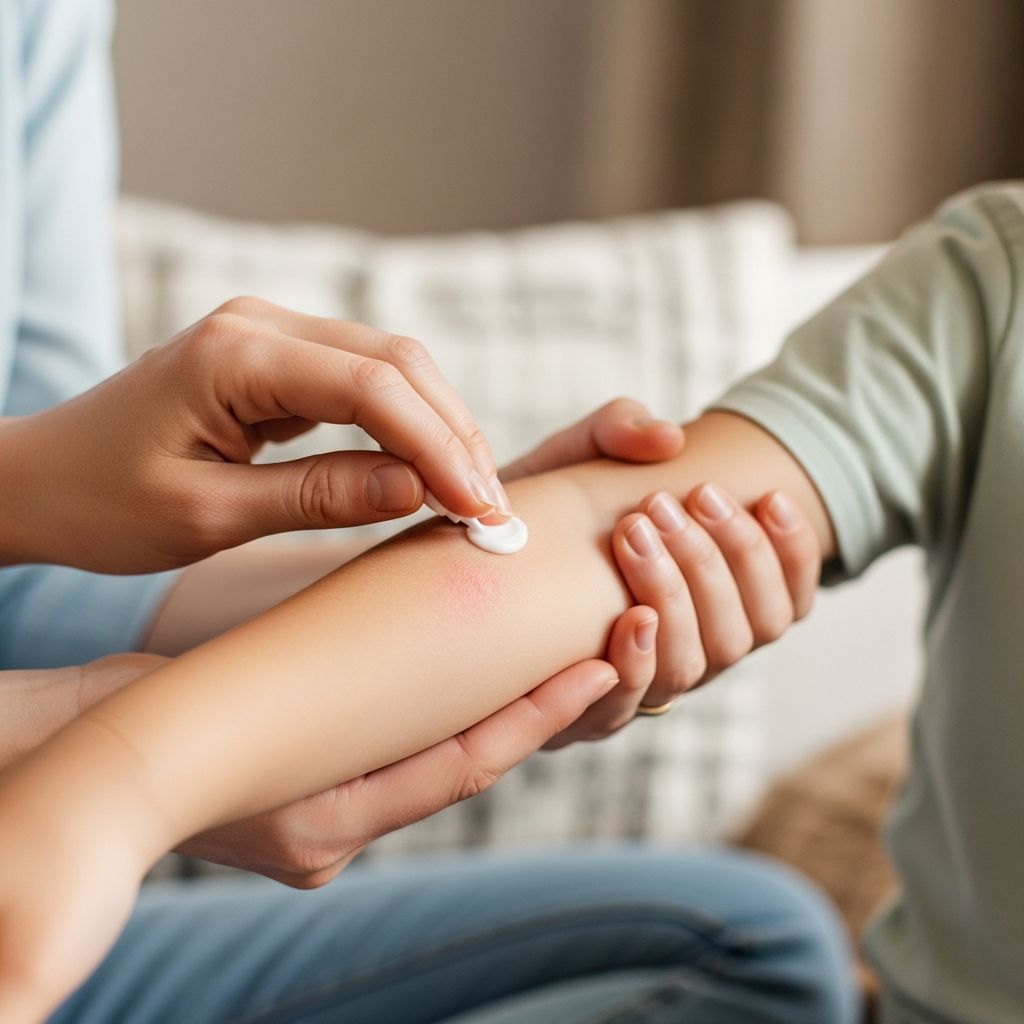
Childhood eczema, also known as atopic dermatitis, affects millions of families worldwide, causing dry, itchy, and inflamed skin that disrupts daily life. While there’s no cure, consistent care routines can significantly reduce symptoms and prevent flare-ups, allowing children to thrive.
Understanding Eczema in Young Children
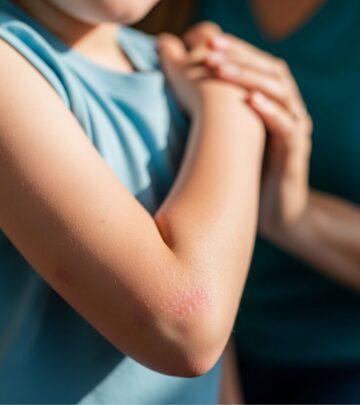
Eczema occurs when the skin barrier fails to retain moisture, leading to dryness, cracking, and vulnerability to irritants and infections. In children, it often appears on the face, elbows, knees, and hands, triggered by genetics, environment, or allergies. Early intervention is key, as unmanaged flares can worsen itching and lead to sleep disturbances or emotional distress.
Common signs include red, bumpy rashes that ooze or crust over time. Unlike typical dry skin, eczema persists despite moisturizing and intensifies with scratching, creating a vicious itch-scratch cycle. Genetic factors play a role; if parents have eczema, asthma, or hay fever, children face higher risks.
Building a Daily Skincare Foundation
The cornerstone of eczema management is a gentle, consistent skincare regimen focusing on hydration and protection. Daily practices rebuild the skin barrier and minimize irritation.
- Bathing Routine: Bathe children every day or every other day in lukewarm water for 5-10 minutes to hydrate without stripping oils. Skip soap unless needed for sweaty areas like armpits; opt for fragrance-free, hypoallergenic cleansers. Pat dry gently, leaving skin slightly damp.
- Moisturizing Immediately: Within three minutes post-bath, apply thick, cream-based or ointment moisturizers like petroleum jelly to the entire body. This ‘soak and seal’ method traps moisture effectively. Reapply 2-3 times daily, even when skin looks clear.
- Fabric Choices: Dress in 100% cotton clothing to avoid irritation from wool or synthetics. Use fragrance-free detergents and skip fabric softeners.
These steps address the four main issues: dryness, itching, inflammation, and infection risk.
Advanced Techniques for Flare Control
When standard care isn’t enough, targeted methods provide relief during outbreaks.
Wet Wrap Therapy
Wet wraps intensify hydration and medication absorption. After bathing, medication, and moisturizing, apply damp (not dripping) cotton pajamas or bandages to affected areas, covered by dry layers. Leave on for 30 minutes to overnight in a warm room. Re-moisturize afterward. This calms severe itching and promotes healing.
Topical Medications
Topical corticosteroids reduce inflammation; apply as prescribed, avoiding long-term use on the face or thin skin to prevent side effects like thinning. Over-the-counter options include mild hydrocortisone for minor flares. Always consult a pediatrician.
| Method | Steps | Benefits |
|---|---|---|
| Soak and Seal | Lukewarm bath → Pat dry → Meds → Moisturize | Hydrates barrier, reduces dryness |
| Wet Wraps | Moisturize → Damp wrap → Dry layer → 30+ min | Intense relief for flares |
| Daily Moisturize | 2-3x/day, thick ointments | Prevents cracks and itching |
Identifying and Avoiding Common Triggers
Triggers vary but often include environmental factors. Track patterns with a journal noting flares after exposures.
- Irritants: Fragrances, smoke, dust, pet dander, and harsh soaps dry and inflame skin.
- Allergens: Foods like dairy or nuts, pollen, or mold. Allergy testing may help identify specifics.
- Climate: Dry air from heaters or wind exacerbates dryness; use humidifiers.
- Sweat and Heat: Overheating causes itching; keep cool and change sweaty clothes promptly.
Related Stories



Minimize pollen by applying emollient before outdoor play and washing clothes after high-pollen days.
Strategies for Itch Management and Scratch Prevention
Itching drives scratching, worsening damage. Break the cycle proactively.
- Trim nails short and clean; use cotton gloves at night.
- Cover skin with soft clothing during flares.
- Cool compresses or a spray bottle for school itch relief.
- Distraction techniques like play or cool baths soothe immediately.
Consistent moisturizing is the best anti-itch tool.
Navigating School and Social Life with Eczema
School poses challenges like heaters, shared spaces, and self-consciousness. Partner with educators.
- Share a care plan outlining moisturizing times, trigger avoidance (e.g., seat away from heaters), and emergency steps.
- Pack a kit with emollient, mild steroid, wet wipes, and gloves.
- Teach sunscreen use for sensitive skin; patch-test pharmacy-grade products.
Build child confidence by normalizing eczema and celebrating clear-skin days.
Medical Oversight and Long-Term Planning
Regular pediatric dermatologist visits tailor treatments. Discuss allergy testing, prescription topicals, or phototherapy for severe cases. Monitor for infections (oozing, crusting) requiring antibiotics.
A written action plan outlines daily care, flare responses, and emergency contacts, empowering families.
Emotional Well-Being for Child and Family
Eczema impacts sleep, play, and mood. Validate feelings and involve kids in routines for ownership. Support groups connect parents. Celebrate progress to foster resilience.
Frequently Asked Questions (FAQs)
How often should I bathe my child with eczema?
Daily or every other day in lukewarm water for 5-10 minutes, followed by immediate moisturizing.
Can diet affect eczema flares?
Possibly; track foods and consult for testing if allergies suspected.
What if wet wraps make my child cold?
Ensure a warm room and dry outer layer; start with short sessions.
Is swimming okay for eczematous skin?
Yes, with pre-swim emollient and post-swim rinse/moisturize; avoid chlorine irritation.
When to see a doctor urgently?
For widespread redness, fever, pus, or uncontrolled pain/itching.
References
- How to Treat & Control Eczema Rashes in Children — American Academy of Pediatrics (healthychildren.org). Accessed 2026. https://www.healthychildren.org/English/health-issues/conditions/skin/Pages/How-to-Treat-and-Control-Eczema-Rashes-in-Children.aspx
- The Ultimate Guide to Treating Eczema in Children — Happy Skin Dermatology. 2024-02-23. https://www.happyskindermatology.com/2024/02/23/the-ultimate-guide-to-treating-eczema-in-children/
- Patient Instructions: Eczema (Atopic Dermatitis) — Children’s Hospital of Philadelphia (CHOP). Accessed 2026. https://www.chop.edu/sites/default/files/35-b-03.pdf
- Knowing Your Child’s Eczema Booklet — Royal Children’s Hospital Melbourne (RCH). Accessed 2026. https://www.rch.org.au/uploadedFiles/Main/Content/derm/knowing-your-childs-eczema-booklet(1).pdf
- Childhood Atopic Eczema: Your Questions Answered — National Eczema Society. 2023. https://eczema.org/wp-content/uploads/Childhood-Atopic-Eczema-booklet-2023.pdf
Similar Articles








Read full bio of Sneha Tete